If you’ve ever wanted to enhance your vocal range and make your singing sound more smooth and pleasing to the ear, then this article is for you! In this guide, you will learn effective techniques and exercises that can help you improve your tone singing. Whether you’re a beginner or an experienced vocalist looking to refine your skills, these tips will assist you in achieving a more confident and resonant tone in your singing voice. So, let’s get started on your journey towards becoming a better singer!

Breathing Techniques
Breathing is the foundation of good singing, and mastering different breathing techniques can greatly improve your tone singing. Diaphragmatic breathing is a technique that involves engaging your diaphragm, a dome-shaped muscle located at the base of your lungs. By breathing deeply into your belly, you allow for maximum air intake and control. Practice this technique by lying on your back and placing a hand on your abdomen. As you inhale, feel your belly rise and expand, and as you exhale, feel it contract.
Rib expansion is another important breathing technique for tone singing. It involves expanding your ribcage laterally as you inhale, allowing for increased lung capacity and better breath control. To practice rib expansion, place your hands on the sides of your ribcage. As you inhale, focus on expanding your ribcage outward, feeling your hands move apart. Exhale slowly and repeat this exercise several times.
Engaging the abdominal muscles is crucial for supporting your breath and creating a strong, consistent tone while singing. This technique involves contracting your abdominal muscles as you sing, providing stability and control. Practice engaging your abdominal muscles by standing tall with your feet hip-width apart. Take a deep breath in, and as you exhale, imagine pulling your belly button towards your spine. This contraction will help support your breath and improve your tone singing.
Posture and Alignment
Maintaining good posture and alignment is essential for optimal vocal production and tone singing. Whether you are standing or sitting while singing, aim to have a tall and relaxed posture. Stand with your feet hip-width apart, shoulders back and relaxed, and your head held high. Avoid slumping or arching your back, as this can restrict your airflow and negatively impact your tone. When sitting, make sure to sit up straight, supporting your back with a chair that provides proper lumbar support.
Relaxing the neck and shoulders is important for reducing tension and allowing for free vocal production. Tension in these areas can impede your breath support and hinder your ability to produce a clear and resonant tone. Before you start singing, take a moment to roll your shoulders back and down, releasing any tension. Allow your neck to elongate and your head to float atop your spine. This relaxed position will help improve your tone and prevent strain.
Aligning the spine is crucial for maintaining good vocal technique and maximizing your tone singing potential. When your spine is aligned, your airways are open, allowing for unrestricted airflow and optimal resonance. Imagine a straight line running from the top of your head down to your tailbone. Lengthen your spine and avoid excessive rounding or hunching. This alignment will encourage proper breath support and ensure a clear and powerful tone.
Vocal Warm-Ups
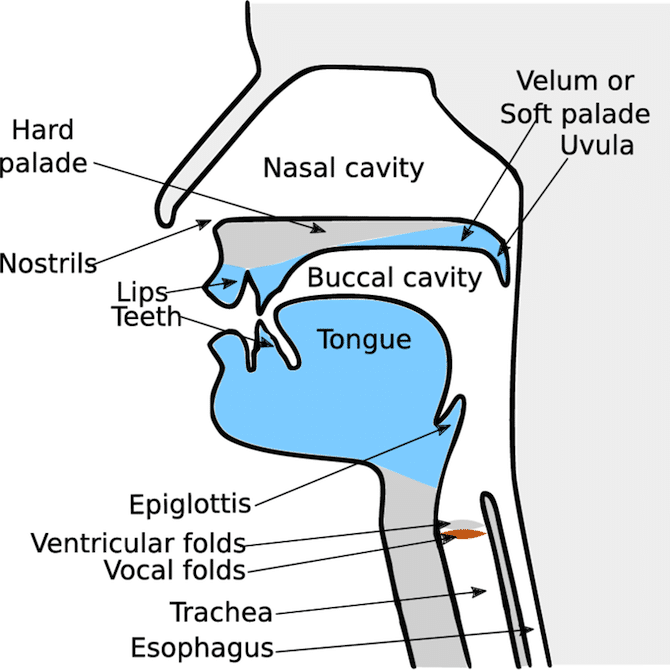
Before diving into demanding vocal exercises, it is important to warm up your vocal cords and muscles. Vocal warm-ups prepare your voice for singing, improve flexibility, and promote healthy vocal production. Lip trills are a popular warm-up exercise that involves vibrating your lips while producing sound. Simply place your fingertips gently on your cheeks and blow air through your vibrating lips. This exercise helps to relax your vocal cords and warm up your breath control.
Humming is another effective vocal warm-up technique that helps massage and awaken your vocal cords. Begin by closing your lips together and creating a buzzing sound in your nasal cavity. Focus on keeping the sound relaxed and forward in your face. Humming warms up your vocal muscles and promotes smooth vocal transitions.
Tongue trills are a fantastic warm-up exercise for loosening your tongue muscles and improving articulation. To do tongue trills, lightly press the tip of your tongue against the roof of your mouth, and then blow air while keeping the tongue relaxed. This exercise helps to limber up the tongue and increase tongue flexibility for precise diction.
Sirens are a fun and versatile vocal warm-up exercise that helps to stretch and strengthen your vocal range. Start at the bottom of your range and smoothly glide your voice up to the top, and then back down. Focus on maintaining a relaxed and controlled voice throughout the sirens. This exercise helps to warm up your vocal cords and improve intonation.
Scales are fundamental vocal warm-up exercises that help to strengthen your voice and improve pitch accuracy. Start with simple scales, such as the major scale, and gradually increase the range and complexity. Practice ascending and descending these scales, paying attention to your breath control and vocal placement. Scales help to warm up your vocal muscles, develop your range, and improve overall tone and pitch control.
Resonance
Resonance refers to the amplification and richness of sound produced by the vibrations in your vocal tract. By focusing on opening the throat, using forward placement, and utilizing nasal resonance, you can enhance your tone singing and create a more vibrant and resonant sound.
Opening the throat is a crucial technique for improving resonance. It involves relaxing the muscles in the back of your throat and creating a wide and open space for sound to resonate. To practice opening the throat, imagine yawning or sighing deeply. Notice the feeling of openness and expansion in your throat. Incorporate this sensation into your singing to improve the clarity and depth of your tone.
Using forward placement means directing your sound to resonate in the front of your face, rather than being trapped or stuck in the back of your throat. Imagine your sound traveling towards your cheekbones or your “mask.” This placement allows for better projection and clarity in your tone. Experiment with different vowel sounds and consonants to find the optimal forward resonance.
Utilizing nasal resonance involves allowing some of the sound to resonate in your nasal cavity, without it becoming nasal or nasalized. This technique adds warmth and depth to your tone. To practice nasal resonance, try singing a sustained “ng” sound, as in the word “sing.” Notice the sensation of vibrations in your nose, and allow this resonance to complement your overall tone.

Diction and Articulation
Clear diction and articulation are essential for conveying the meaning of lyrics and creating a polished performance. To improve your diction and articulation, focus on clear pronunciation, proper consonant formation, and vowel modification.
Clear pronunciation involves enunciating each word and syllable clearly and distinctly. Pay attention to the placement and formation of your lips, tongue, and teeth as you pronounce each sound. Practice articulating words slowly and precisely, making sure your audience can understand every word.
Proper consonant formation involves producing crisp and precise consonant sounds without disrupting the flow of your singing. Pay attention to consonant sounds that tend to “swallow” or get muddled, such as “t,” “d,” “p,” and “b.” Practice these sounds separately, focusing on clarity and precision. As you integrate them into your singing, be mindful of maintaining a smooth and connected vocal line.
Vowel modification is a technique that involves adjusting vowel sounds to enhance the overall tone and clarity of your singing. Different vowel sounds require different mouth shapes and resonance placements. Experiment with modifying vowel sounds slightly to find the most resonant and balanced tone for each vowel. This modification will help improve your tone and prevent any nasality or tension in your singing.
Pitch Control
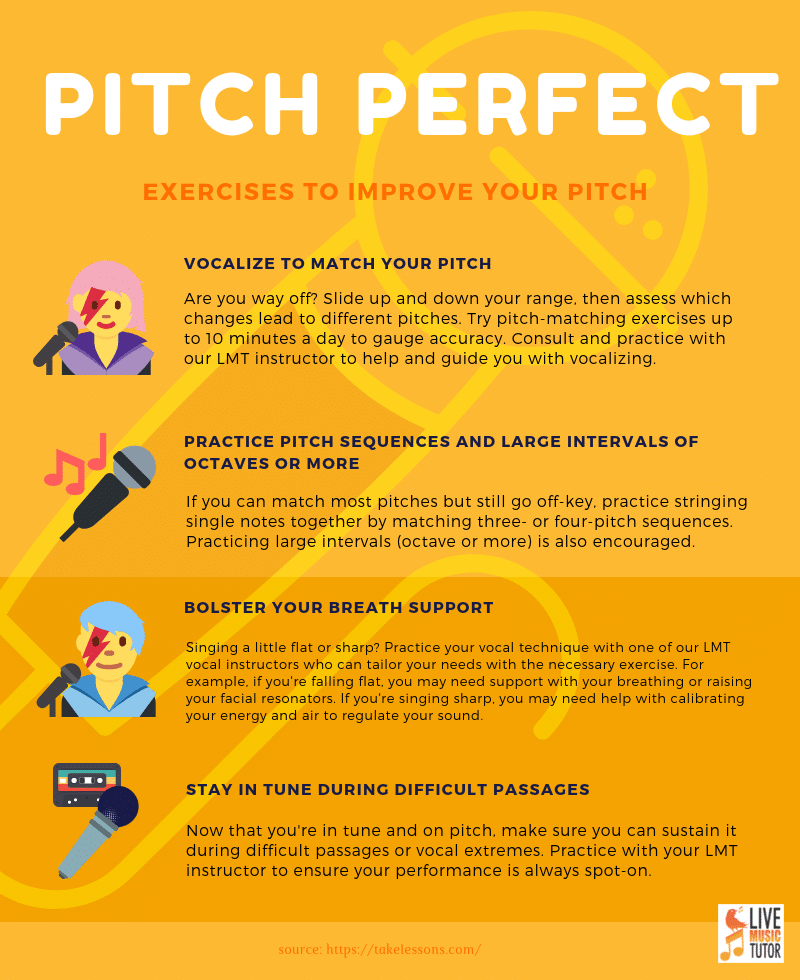
Pitch control is a fundamental skill for any singer, and it directly impacts the quality and accuracy of your tone. To improve your pitch control, focus on ear training, pitch slides, and interval exercises.
Ear training is the process of developing your ability to hear and recognize different pitches. Take time to listen to different musical tones and intervals, and practice reproducing those pitches with your voice. Use pitch matching exercises where you listen to a note or melody and then sing it back accurately. This practice will help you develop a better sense of pitch and improve your ability to stay on key while singing.
Pitch slides are exercises that involve smoothly gliding from one pitch to another. Begin by selecting a starting pitch and then gradually slide up or down to another pitch. Pay attention to the accuracy and control of your slides, and strive for a smooth and seamless transition. This exercise helps to strengthen your pitch accuracy and improve your vocal flexibility.
Interval exercises are an excellent way to improve your pitch control and expand your vocal range. Start by practicing small intervals, such as seconds and thirds, and gradually progress to larger intervals. Challenge yourself to accurately hit each note in the interval without overshooting or undershooting. By practicing intervals, you will develop a better sense of pitch spacing and enhance your overall pitch control.
Vocal Registers
Understanding and mastering different vocal registers is essential for tone singing. Vocal registers refer to the different vocal ranges or “gears” that your voice can access. The main registers include chest voice, head voice, mix voice, and falsetto.
Chest voice is the lowest and heaviest register of your voice. It is the voice you typically use when speaking. To access your chest voice, focus on vibrating your voice in your chest, rather than feeling it resonating in your head or throat. Practice singing scales and exercises in your chest voice to strengthen and expand this register.
Head voice is the highest and lightest register of your voice. It is often associated with a more “floaty” or “heady” sound. To access your head voice, focus on feeling the vibrations in your head or face rather than your chest or throat. Practice sliding up and down scales or singing high notes softly to develop your head voice.
Mix voice is a combination of both chest voice and head voice. It is the register where your chest and head voice blend seamlessly, resulting in a balanced and powerful tone. To develop your mix voice, practice sliding from your chest voice to your head voice and finding the point where they blend together smoothly. This register is often used for belting and transitioning between different vocal ranges.
Falsetto is a high, breathy, and light register that is often used for dramatic effect or in genres like pop, rock, and R&B. To access your falsetto, focus on maintaining a light and gentle vocal production while allowing your voice to float freely. Practice sliding up and down scales or singing simple melodies in your falsetto to improve control and flexibility.
Phrasing and Expression
Phrasing and expression are crucial elements for conveying emotion and telling a story through your singing. To improve your phrasing and expression, focus on dynamic variations, emotional connection, and breath control.
Dynamic variations involve using different levels of loudness or softness throughout your singing. Experiment with incorporating subtle changes in volume to enhance the emotional impact of your performance. Use dynamic contrasts to emphasize certain lyrics or sections, and practice controlling the volume of your voice to create a more nuanced and expressive tone.
Emotional connection is the ability to convey and evoke genuine emotions through your singing. Take time to connect with the lyrics and the overall message of the song. Engage with the emotions and express them not only through your voice but also through facial expressions and body language. Allow yourself to feel the emotions of the song and let that connection shine through in your singing.
Breath control is essential for maintaining consistent tone and phrasing throughout your performance. Proper breath control allows for smooth transitions between phrases and phrases, and it helps you sustain notes with clarity and power. Practice breath control exercises such as sustained note exercises or controlled breathing exercises to develop better control and stamina.

Tone Placement and Resonators
Tone placement and resonators refer to the location and pathways through which your voice resonates, creating different tonal qualities. By focusing on mask resonance, pharyngeal resonance, and chest resonance, you can enhance your tone singing and create a more vibrant and resonant sound.
Mask resonance involves directing your sound to resonate in the front of your face, also known as the “mask” or the area around your cheekbones and nose. By focusing your sound in this area, you can produce a brighter, more focused tone. Practice sustaining vowels and consonants while imagining the vibrations resonating in your mask. This technique will help improve clarity and projection in your tone singing.
Pharyngeal resonance refers to the resonance that occurs in the throat and the back of the mouth. By focusing on this resonance, you can create a warmer and richer tone. Practice sustaining vowels and consonants while feeling the vibrations resonating in the back of your throat. Be mindful not to create tension in this area but rather allow for a relaxed and open resonance.
Chest resonance is the deep and resonant quality that occurs when your sound vibrates in your chest. This resonance produces a powerful and full-bodied tone. Practice sustaining low notes and heavy vowels, such as “oo” or “oh,” while feeling the vibrations resonate in your chest. Focus on maintaining a relaxed and open posture to fully allow for chest resonance.
Consistent Practice
To truly improve your tone singing, consistent practice is key. Develop a regular practice routine that includes vocal exercises, progressive difficulty, and recording and evaluating your progress.
Regular vocal exercises are essential for maintaining and improving your vocal health and technique. Set aside dedicated time each day for vocal warm-ups, technical exercises, and repertoire practice. Consistency is key, so aim for at least 20-30 minutes of focused practice every day.
Progressive difficulty means gradually increasing the difficulty level of your vocal exercises and repertoire. Start with exercises and songs that are within your comfort zone, and gradually challenge yourself with more complex vocal patterns, higher or lower notes, or faster tempo. This progressive approach allows for incremental growth and improvement over time.
Recording and evaluating your progress is a valuable practice for gaining self-awareness and optimizing your tone singing. Use a recording device to capture your practice sessions or performances. Listen back to your recordings with a critical ear, paying attention to areas that need improvement or adjustment. This self-evaluation will help you identify your strengths and areas for growth, ultimately enhancing your tone singing ability.
In conclusion, improving your tone singing requires a multifaceted approach that includes mastering breathing techniques, maintaining proper posture and alignment, warming up your voice, understanding resonance, refining diction and articulation, developing pitch control, exploring different vocal registers, emphasizing phrasing and expression, optimizing tone placement and resonators, and consistent practice. By incorporating these techniques and practices into your singing routine, you can unlock your full vocal potential and achieve a rich and resonant tone.


