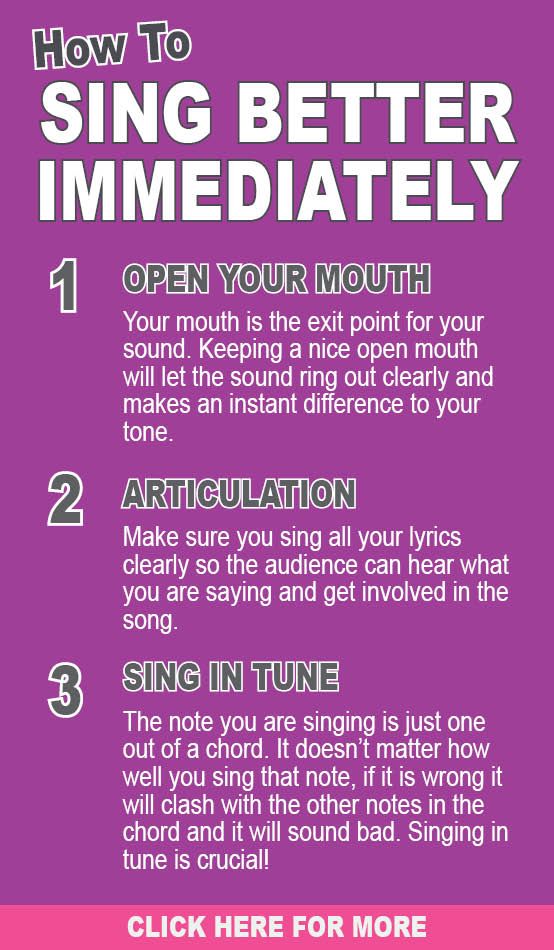
Have you ever wondered if it’s possible to improve your singing skills? In this article, we explore the question, “Can you train to sing better?” Whether you’ve always had a passion for singing or are just starting out, we’ll discuss the potential for growth and improvement through training. So, let’s explore the exciting world of vocal development and discover the possibilities that lie ahead for your singing journey.
Can You Train to Sing Better
Understanding the Basics of Singing
When it comes to training to sing better, understanding the basics of singing is crucial. Singing is a complex skill that involves various elements, such as pitch, tone, breath control, and articulation. By familiarizing yourself with these fundamental elements, you can lay a strong foundation for your vocal development.
Exploring the Four Fundamental Elements of Singing: These elements include pitch, rhythm, dynamics, and timbre. Pitch refers to the specific musical notes produced by the voice, while rhythm involves the timing and duration of those notes. Dynamics, on the other hand, pertain to the variation in volume and intensity, and timbre refers to the unique quality of your voice.
Identifying and Understanding Vocal Registers: Vocal registers are different sections of your vocal range where your voice resonates. The three main registers are chest voice, head voice, and mixed voice. Each register has its own unique sound and characteristics, and understanding how to access and use each one effectively is essential for singing with control and ease.
Recognizing Voice Types and Vocal Timbre: There are various voice types, including soprano, alto, tenor, and bass, which are determined by the range, register, and timbre of a person’s voice. Knowing your voice type can help you choose suitable songs and vocal exercises that cater to your vocal capabilities and strengths.
Explaining Pitch, Harmony, and Intonation: Pitch refers to the specific highness or lowness of a musical note. Harmony comes into play when multiple pitches are combined simultaneously to create pleasing sounds. Intonation is the accuracy of hitting the correct pitch when singing. Developing a good sense of pitch, understanding harmony, and maintaining proper intonation are key elements in singing better.
Understanding Articulation and Diction in Singing: Articulation refers to the clarity and pronunciation of vocal sounds and words, while diction relates to the enunciation and pronunciation of lyrics. Precise articulation and diction allow listeners to clearly understand the words and messages conveyed in your singing. Practicing vocal exercises that focus on these aspects can help improve your overall clarity and precision.

Importance of Proper Breathing Techniques
Proper breathing techniques play a vital role in singing. By mastering the art of breathing, you can significantly enhance your vocal performance and control.
Recognizing the Role of Breathing in Singing: The breath is the fuel that powers your voice and provides the necessary support for singing. Proper breathing techniques allow you to have better breath control, maintain optimal vocal health, and produce consistent and sustained sound.
Understanding Diaphragmatic Breathing: Diaphragmatic breathing involves engaging the diaphragm, a dome-shaped muscle located below the lungs, to draw in an appropriate amount of air while singing. This type of breathing allows for deep inhalation and controlled exhalation, maximizing your breath capacity and control.
Practicing Breathing Exercises for Singing: Various breathing exercises can help strengthen your breathing muscles, improve lung capacity, and enhance breath control. Exercises such as belly breathing, straw exercises, and sustained breath exercises can be incorporated into your regular vocal warm-up routine to develop better breathing habits.
Controlling Breath Support and Airflow: Effective breath support is the ability to control and manage the release of air for singing. It involves controlling the speed and intensity of your exhalation while maintaining a steady flow of air. Learning how to regulate your breath support helps in sustaining long phrases, achieving proper vocal resonance, and preventing vocal fatigue.
Utilizing Proper Breath Management: Proper breath management involves coordinating your breath support with vocal techniques, such as sustaining notes, singing long phrases, or executing dynamics. It ensures that you don’t run out of breath too quickly and allows you to maintain steady vocal control and quality throughout your singing.

Developing Vocal Range and Control
Expanding your vocal range and control is a key aspect of training to sing better. Having a wide vocal range gives you more flexibility and versatility as a singer, while improved control allows you to execute various vocal techniques and styles with precision.
Expanding Vocal Range through Exercises: Vocal range refers to the span of notes, from the lowest to the highest, that a singer can comfortably and accurately produce. With regular vocal exercises that focus on gradually expanding your range, you can extend the boundaries of your comfortable singing voice. Exercises such as sirens, lip trills, and scales are particularly effective in stretching and strengthening your vocal range.
Strengthening Vocal Control and Precision: Vocal control is the ability to manipulate and regulate your voice to achieve desired musical effects. It involves precise coordination of breath support, vocal placement, and muscle engagement. Through targeted exercises like staccato singing, sustained notes, and precision drills, you can develop better control over pitch, dynamics, and phrasing.
Improving Vocal Agility and Flexibility: Vocal agility and flexibility refer to the ability to smoothly and effortlessly transition between notes, execute vocal runs, riffs, and melismatic passages. Developing agility involves training your voice to move quickly and accurately between different pitches, while flexibility involves maintaining a relaxed and supple vocal mechanism. Practicing scales, arpeggios, and melisma exercises can help improve your agility and flexibility.
Developing Smooth Vocal Transitions and Bridges: Vocal transitions and bridges occur when moving between different vocal registers, such as connecting chest voice and head voice. Smooth transitions require proper vocal technique, breath control, and coordination. Exercises like glides, slides, and vocal sirens can assist in developing seamless transitions and bridges.
Practicing Vocal Runs and Riffs: Vocal runs and riffs are intricate melodic embellishments that add flair and creativity to your singing. These fast-paced sequences of notes require precise pitch control, dexterity, and rhythmic accuracy. Regular practice with exercises that focus on patterns, variations, and speed can enhance your ability to execute runs and riffs with ease and confidence.
Stay tuned for the next part of this article where we will explore more techniques and strategies to train and improve your singing abilities.