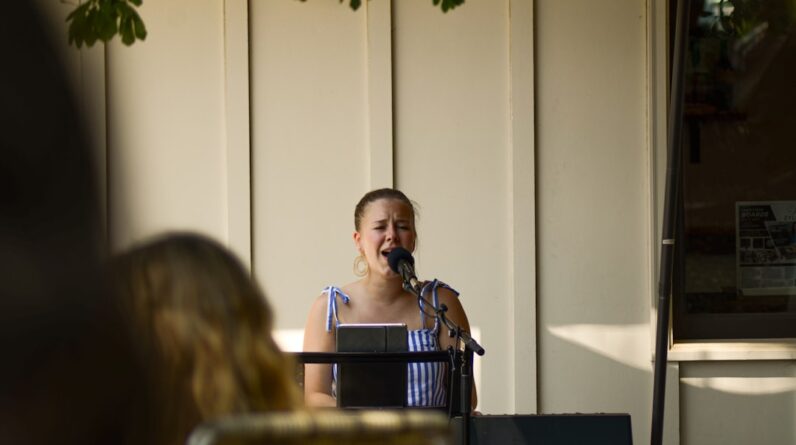
You’re looking for a way to nurture your child’s innate musicality, to give them a space where their voice can flourish. Perhaps they hum along to every tune, belt out lyrics in the car, or simply show an interest in singing. Whatever the spark, the Round Rock Music Academy offers a structured and supportive environment for children’s singing classes, designed to cultivate their talent and build confidence. This academy, situated in the heart of Round Rock, Texas, provides a range of vocal programs tailored to different age groups and skill levels, ensuring that every child’s journey into singing is a positive and progressive one.
The Benefits of Early Vocal Training
Introducing your child to singing lessons at a young age offers a multitude of advantages that extend far beyond simply learning to hold a tune. These benefits touch upon cognitive development, emotional well-being, and social interaction, making vocal training a valuable investment in your child’s overall growth.
Enhancing Cognitive Development through Music
The act of learning to sing is a complex process that engages multiple areas of the brain. When your child practices vocal exercises, they are not just producing sounds; they are actively working on their memory, concentration, and auditory processing skills.
Developing Memory and Recall
To learn a song, your child needs to memorize lyrics, melody, and rhythm. This repetition and recall practice strengthens their short-term and long-term memory. They learn to break down information into smaller chunks and connect new information with existing knowledge. This skill is transferable to academic subjects, enhancing their ability to learn and retain information in school.
Improving Concentration and Focus
Singing lessons require sustained attention. Your child needs to listen to instructions, follow the teacher’s guidance, and focus on their own vocal production. Gradually, they develop an increased capacity for concentration, which can translate into better focus during homework, classroom activities, and other tasks.
Sharpening Auditory Skills
Singing is fundamentally about listening. Your child learns to discern pitch, recognize melodic patterns, and blend their voice with others. This meticulous attention to sound refines their auditory discrimination, a skill crucial for language development, reading comprehension, and even understanding complex instructions.
Fostering Emotional and Social Growth
Beyond the cognitive aspects, singing classes provide a powerful outlet for emotional expression and contribute significantly to a child’s social development.
Building Confidence and Self-Esteem
Successfully learning a new song, hitting a difficult note, or performing in front of others can significantly boost a child’s confidence. The positive reinforcement from instructors and peers creates a sense of accomplishment, fostering a belief in their own abilities. This newfound self-assurance can then spill over into other areas of their life.
Providing an Outlet for Emotional Expression
Music is a universal language of emotion. Singing allows children to express a wide range of feelings, from joy and excitement to sadness and contemplation, in a healthy and constructive way. This emotional release can be particularly beneficial for children who may struggle to articulate their feelings verbally.
Promoting Social Interaction and Teamwork
Group singing classes encourage collaboration and listening to others. Children learn to harmonize, follow a conductor, and work together as a cohesive unit. This experience teaches them valuable lessons in teamwork, respect for others’ contributions, and the satisfaction of achieving a common goal.
Developing Essential Life Skills
The discipline and dedication required for vocal training instill valuable life skills that extend far beyond the music studio.
Cultivating Discipline and Perseverance
Learning to sing is not always easy. There will be challenges, moments of frustration, and the need for consistent practice. Through these experiences, your child learns the importance of discipline, perseverance, and the rewards of hard work. They develop a resilient mindset, understanding that effort leads to improvement.
Enhancing Communication Skills
Singing inherently involves clear articulation and vocal projection. Your child learns to enunciate words properly and project their voice effectively, which improves their overall communication skills. They become more articulate and confident in expressing themselves.
Nurturing Creativity and Imagination
While singing may seem like a structured activity, it also provides ample opportunities for creativity. As children progress, they may begin to explore different vocal interpretations, experiment with dynamics, and even contribute to songwriting, fostering their imaginative faculties.
The Round Rock Music Academy Approach to Children’s Singing Classes
The Round Rock Music Academy distinguishes itself through its carefully curated curriculum and its commitment to personalized instruction. The academy understands that each child is unique, and their approach reflects this understanding.
Age-Appropriate Curriculum Design
The academy recognizes that the developmental stages of children vary significantly. Therefore, their singing programs are meticulously designed to align with specific age groups, ensuring that the content, teaching methods, and learning expectations are appropriate and engaging.
Early Childhood (Ages 3-5): Introduction to Rhythm and Melody
For the youngest learners, the focus is on fostering a natural love for music through play-based learning. Classes are designed to be interactive and fun, introducing fundamental concepts without formal pressure.
- Emphasis on Sensory Exploration: Young children learn best through doing and experiencing. Classes involve singing simple songs, engaging in rhythmic activities, and exploring different sounds with their voices.
- Introduction to Basic Rhythms and Melodies: Through engaging games and movement, children begin to grasp simple rhythmic patterns and recognize basic melodic contours. This lays the groundwork for more complex musical understanding later.
- Developing Listening Skills: Early exposure to music helps children develop their ability to listen attentively to sounds, differentiate between various pitches, and recognize simple musical phrases.
- Building Social Skills in a Group Setting: These classes provide a gentle introduction to group interaction, encouraging children to participate alongside their peers in a supportive environment.
Elementary School (Ages 6-9): Building Foundational Vocal Technique
As children enter elementary school, the curriculum becomes more structured, focusing on building a solid foundation in vocal technique while maintaining a sense of enjoyment and play.
- Introduction to Proper Breathing Techniques: Children are taught basic diaphragmatic breathing, a crucial element for healthy and controlled singing, presented in an accessible and understandable manner.
- Developing Pitch Accuracy: Through games and exercises, children work on matching pitches and singing in tune. The goal is to develop a confident and accurate ear.
- Learning Basic Music Notation and Theory: Simple introductions to reading music, understanding basic rhythms, and recognizing musical symbols are incorporated to enhance musical literacy.
- Expanding Repertoire of Age-Appropriate Songs: Children learn a variety of songs that are engaging and suitable for their vocal range and understanding, covering different genres and styles.
- Encouraging Individual Expression within a Group: While group dynamics are important, opportunities are provided for children to sing individually in class, allowing them to build confidence and receive personalized feedback.
Middle School (Ages 10-13): Refining Vocal Skills and Exploring Genres
For middle schoolers, the focus shifts towards refining vocal technique, exploring a wider range of musical styles, and developing a deeper understanding of musicality.
- Advanced Breathing and Posture Exercises: Students work on more sophisticated breathing exercises to improve breath control, stamina, and vocal power. Correct posture is emphasized for optimal vocal production.
- Developing Vocal Range and Flexibility: Through targeted exercises, students learn to expand their vocal range safely and effectively, improving their ability to sing higher and lower notes with ease.
- Introduction to Vocal Health and Care: Students are educated on how to care for their voices, understanding the importance of vocal warm-ups, cool-downs, and avoiding vocal strain.
- Exploring Different Musical Genres: Classes may delve into various genres such as classical, pop, musical theater, and folk, allowing students to discover their preferences and develop versatility.
- Developing Interpretation and Performance Skills: Students are encouraged to interpret songs emotionally, focusing on dynamics, phrasing, and stage presence, preparing them for potential performances.
High School (Ages 14-18): Specialization and Performance Preparation
High school singing classes are often geared towards more advanced students who are considering serious vocal study or pursuing music in higher education or as a career.
- Advanced Vocal Technique and Artistry: Students focus on advanced technical skills such as vocal agility, resonance, and stylistic nuances specific to chosen genres.
- In-depth Study of Music Theory and Ear Training: A more comprehensive understanding of music theory, including harmony, counterpoint, and advanced ear training, is integrated to support vocal performance.
- Repertoire Development for Auditions and Performances: Students work on building a diverse repertoire suitable for auditions, competitions, and formal performances, often in multiple languages.
- Vocal Health and Performance Psychology: Discussions on vocal health become more detailed, and students may explore performance psychology to manage stage fright and optimize performance.
- Exploration of Vocal Pedagogy and Teaching Methods: For students considering a future in music education, there may be introductions to vocal pedagogy and teaching methodologies.
The Role of Qualified and Encouraging Instructors
The quality of instruction is paramount in any educational endeavor, and for singing classes, the instructor’s expertise and rapport with young students are particularly crucial. The Round Rock Music Academy prioritizes hiring instructors who possess both strong musical backgrounds and a genuine passion for teaching children.
Expertise in Vocal Pedagogy
Instructors at the academy are not only skilled vocalists themselves but also possess a deep understanding of vocal pedagogy – the science and art of teaching singing. They are trained to identify individual vocal needs and implement effective techniques for improvement.
- Understanding Vocal Anatomy and Physiology: The instructors have a foundational knowledge of how the voice works, enabling them to guide students in using their vocal mechanisms safely and efficiently, preventing strain and promoting healthy vocal development.
- Tailored Instruction for Individual Students: Recognizing that each student learns differently, instructors adapt their teaching methods to suit individual learning styles and paces. They assess strengths and weaknesses to create personalized learning paths.
- Knowledge of Vocal Health and Stamina: Instructors are well-versed in modern vocal health practices, ensuring that students are taught techniques that promote vocal longevity and prevent injury. This includes proper warm-ups, cool-downs, hydration, and vocal rest strategies.
Creating a Supportive and Engaging Learning Environment
Beyond technical expertise, instructors play a vital role in fostering a positive and encouraging atmosphere where children feel safe to experiment, make mistakes, and grow.
- Building Rapport and Trust: Instructors make a conscious effort to build trusting relationships with their students. This rapport allows children to feel comfortable expressing themselves vocally and asking questions without fear of judgment.
- Positive Reinforcement and Constructive Feedback: The academy’s instructors utilize positive reinforcement to celebrate progress and encourage continued effort. They also provide constructive feedback in a supportive manner, focusing on areas for growth without discouraging the student.
- Making Learning Fun and Interactive: Singing is inherently enjoyable, and the instructors at Round Rock Music Academy strive to keep lessons engaging and dynamic. This can involve incorporating games, creative exercises, and elements of performance into the learning process.
- Inspiring a Lifelong Love of Music: The ultimate goal is not just to teach children how to sing, but to ignite a passion for music that can last a lifetime. Instructors aim to inspire curiosity, creativity, and a deep appreciation for the art of singing.
Opportunities for Performance and Growth
The Round Rock Music Academy believes that performance is an integral part of the learning process. Providing opportunities for students to share their talents in a supportive setting is crucial for their development.
Recitals and Showcase Events
Regular recitals and showcase events are organized, allowing students to perform for family, friends, and fellow students. These events serve as valuable milestones in their musical journey.
- Building Performance Confidence: Performing in front of an audience, even a familiar one, helps children overcome stage fright and build confidence in their abilities. Each performance offers a chance to practice presenting themselves and their music.
- Applying Learned Techniques in a Real-World Setting: Recitals provide a practical application of the vocal techniques and musical knowledge acquired in lessons. Students learn to manage nerves, maintain focus, and deliver their best performance.
- Celebrating Achievements and Progress: These events are a public acknowledgment of the hard work and dedication students have put into their practice. They are opportunities for families to celebrate their child’s achievements and witness their progress.
- Fostering a Sense of Community: Recitals bring together students, instructors, and families, creating a supportive community around the music academy. This shared experience can strengthen bonds and encourage peer support.
Potential for Ensemble Participation
As students progress, opportunities to join vocal ensembles or choirs may arise, providing a different and highly beneficial performance experience.
- Developing Harmonization and Blending Skills: Singing in an ensemble requires students to listen carefully to others and blend their voices to create harmonious sounds. This develops crucial listening and cooperative skills.
- Learning to Sing Different Vocal Parts: Ensemble singing often involves learning different vocal parts (soprano, alto, tenor, bass), which enhances a student’s understanding of musical arrangement and their ability to contribute to a larger musical texture.
- Experiencing the Power of Collective Music-Making: There is a unique and powerful experience in creating music as part of a group. Students learn to be part of something larger than themselves, contributing their individual voice to a collective sound.
- Expanding Repertoire and Musical Knowledge: Ensembles often tackle a wider and more complex repertoire than solo performances, exposing students to new musical styles and challenging them to grow their musical understanding.
Choosing the Right Program for Your Child
Selecting the appropriate singing class for your child involves considering their age, individual interests, and developmental stage. The Round Rock Music Academy offers a variety of programs, and understanding these options will help you make an informed decision.
Understanding Class Formats: Individual vs. Group Lessons
The academy typically offers both individual and group lesson formats, each with its own advantages.
Individual Vocal Coaching
For children who benefit from highly personalized attention or have specific vocal goals, one-on-one lessons can be particularly effective.
- Customized Learning Pace: Instructors can tailor the pace of instruction to the child’s individual learning speed, ensuring that no one is left behind or held back.
- Targeted Skill Development: Individual lessons allow for focused work on specific vocal challenges or areas for improvement, addressing the unique needs of each student.
- Immediate Feedback and Correction: Students receive immediate feedback on their technique, allowing for timely correction of any issues and reinforcement of correct practices.
- Building a Strong Student-Teacher Relationship: The one-on-one format fosters a close and trusting relationship between the student and instructor, which can be highly motivating.
Group Singing Classes
Group classes offer a dynamic and social learning environment, providing collaborative experiences and opportunities for peer learning.
- Cost-Effectiveness: Group lessons are often more affordable than individual coaching, making vocal education accessible to a wider range of families.
- Social and Collaborative Learning: Students learn from each other, gain experience singing in harmony, and develop teamwork skills by working with their peers.
- Exposure to Different Interpretations: Hearing classmates sing the same song can expose students to different interpretations and stylistic approaches, broadening their musical perspective.
- Developing Performance Readiness in a Group Setting: Group classes often involve singing together, which inherently prepares students for ensemble singing and collaborative performance.
What to Expect in a Typical Singing Lesson
A typical singing lesson at the Round Rock Music Academy is designed to be both educational and engaging, following a structured yet flexible format.
Warm-up Exercises for Vocal Health
Every lesson begins with essential warm-up exercises to prepare the voice for singing and prevent injury.
- Breathing Exercises: Focus on posture and diaphragmatic breathing to ensure proper breath support.
- Vocal Sirens and Glides: Gentle exercises to warm up the vocal cords and improve flexibility.
- Lip Trills and Tongue Fluttering: These help relax the vocal apparatus and improve resonance.
- Pitch Matching and Scale Exercises: Gradually increasing in complexity to engage the vocal range and improve intonation.
Technique Development and Skill Building
The core of the lesson involves working on specific vocal techniques and developing key singing skills.
- Pitch Accuracy and Intonation: Exercises to improve the ability to sing in tune and match pitches accurately.
- Rhythm and Timing: Practicing rhythmic patterns and developing a strong sense of musical timing.
- Vocal Tone and Resonance: Working on producing a clear, resonant, and pleasing vocal tone.
- Dynamics and Expression: Exploring the use of volume and emotional expression to bring songs to life.
- Articulation and Diction: Focusing on clear pronunciation of words for effective communication.
Repertoire Study and Song Application
Students apply the techniques learned by working on chosen songs.
- Learning New Songs: Introducing age-appropriate and interest-aligned songs.
- Practicing and Refining Existing Repertoire: Working through challenging passages, improving interpretation, and solidifying memorization.
- Understanding Song Structure and Musicality: Analyzing the form of songs and understanding their musical message.
- Developing Performance Skills: Practicing presentation, stage presence, and conveying the emotion of the song.
Cool-down and Practice Strategies
The lesson concludes with exercises to help the voice recover and guidance on effective practice.
- Gentle Vocal Cool-down: Ascending and descending scales at a softer volume to relax the vocal cords.
- Review of Key Learnings: Summarizing the main points and techniques covered during the lesson.
- Assignments for Home Practice: Providing clear instructions for practice between lessons to reinforce learning.
- Encouragement and Next Steps: Offering motivation and outlining what to expect in future lessons.
Getting Started with Singing Classes in Round Rock
The process of enrolling your child in singing classes at the Round Rock Music Academy is straightforward, designed to be accessible and informative.
The Initial Consultation and Placement
A crucial first step is the initial consultation. This provides an opportunity for both the parent and child to engage with the academy and its offerings.
- Meeting the Instructors: This is a chance to meet some of the academy’s vocal instructors and get a feel for their teaching style and personality.
- Discussing Your Child’s Musical Background and Goals: Parents can share information about their child’s previous musical experience, their interests, and what they hope to achieve through singing lessons.
- Assessing the Child’s Vocal Aptitude: In some cases, a brief informal assessment may be conducted to gauge the child’s natural vocal tendencies, pitch recognition, and enthusiasm for singing. This is not a rigorous audition but rather a helpful way to determine the best starting point.
- Understanding Program Options: The academy staff can explain the different class structures (individual, group), age groups, and schedules available to help you find the best fit.
- Answering Parent Questions: This is the ideal time for parents to ask any questions they may have about curriculum, fees, scheduling, or the academy’s philosophy.
Understanding Enrollment and Scheduling
Once you’ve decided that the Round Rock Music Academy is the right fit, the enrollment and scheduling process ensures a smooth start to your child’s musical education.
- Registration Process: The academy will guide you through the registration forms and necessary paperwork to formally enroll your child.
- Class Schedule Options: You’ll be presented with available class times and days for the chosen program format (individual or group). The academy generally aims for flexibility to accommodate various family schedules.
- Trial Lessons: Inquire if the academy offers trial lessons. This can be a valuable way for your child to experience a class firsthand before committing to a full term.
- Understanding Tuition and Payment: Clear information on tuition fees, payment schedules, and any associated registration or material costs will be provided.
- Academy Policies: You will be informed of important academy policies regarding attendance, cancellations, make-up lessons, and student conduct.
What to Bring to Your First Singing Lesson
To ensure your child is prepared and comfortable for their initial singing lesson, a few things can be helpful.
- Comfortable Clothing: Encourage your child to wear clothing that allows for freedom of movement. Singing requires good posture and sometimes physical engagement, so restrictive clothing can be a hindrance.
- Water Bottle: Proper hydration is crucial for vocal health. Having a water bottle readily available ensures your child can sip water throughout the lesson to keep their vocal cords lubricated.
- Enthusiasm and an Open Mind: The most important things to bring are a positive attitude and a willingness to learn and participate. The academy aims to create a fun and supportive environment, and a child’s own enthusiasm will greatly enhance their experience.
- Any Previous Music Experience Information: If your child has any prior experience with music, such as playing an instrument or singing in a choir, mentioning this to the instructor can be beneficial.
The Round Rock Music Academy, through its dedicated instructors and well-structured programs, offers a valuable opportunity for your child to explore their vocal talents. By fostering a love for music, building confidence, and teaching essential skills, these singing classes can be a transformative experience.
FAQs
What are the benefits of kids singing classes at Round Rock Texas Music Academy?
Kids singing classes at Round Rock Texas Music Academy offer a range of benefits including improved vocal technique, increased confidence, and the opportunity to develop musical skills in a fun and supportive environment.
What age groups are the kids singing classes at Round Rock Texas Music Academy suitable for?
The kids singing classes at Round Rock Texas Music Academy are suitable for children of all ages, from young beginners to more experienced singers. The academy offers classes tailored to different age groups and skill levels.
What is the teaching approach used in the kids singing classes at Round Rock Texas Music Academy?
The teaching approach at Round Rock Texas Music Academy focuses on developing a strong foundation in vocal technique, while also incorporating elements of music theory, ear training, and performance skills. The classes are designed to be engaging and enjoyable for young students.
What qualifications and experience do the instructors at Round Rock Texas Music Academy have?
The instructors at Round Rock Texas Music Academy are highly qualified and experienced in teaching kids singing classes. They have backgrounds in music education, performance, and vocal coaching, and are dedicated to helping students reach their full potential as singers.
How can parents enroll their children in kids singing classes at Round Rock Texas Music Academy?
Parents can enroll their children in kids singing classes at Round Rock Texas Music Academy by contacting the academy directly to inquire about class availability, scheduling, and registration procedures. The academy offers a welcoming and supportive environment for young singers to learn and grow.