So you’ve always dreamed of having a good singing voice, but you’re not sure how to make it a reality? Look no further! In this article, we’ll explore some simple yet effective techniques that can help you improve your singing skills and develop a voice that will leave others in awe. From proper breathing techniques to vocal exercises, we’ve got all the tips and tricks you need to unlock your true potential as a singer. Get ready to discover the secrets behind a good singing voice – it’s time to shine!
Proper Technique
Breathing
Proper breathing technique is essential for producing a good singing voice. Deep diaphragmatic breathing allows you to have better control over your breath and create a more consistent sound. To practice this, take a deep breath in through your nose, allowing your diaphragm to expand and your abdomen to rise. Then, slowly exhale through your mouth, keeping your abdominal muscles engaged. This technique will help you maintain breath support while singing and avoid breathiness or strain in your voice.
Posture
Maintaining good posture is crucial for proper vocal technique. Stand or sit up straight with your shoulders relaxed and your head aligned with your spine. Avoid slouching or hunching over, as this can restrict your breathing and affect the resonance of your voice. By keeping your body in proper alignment, you allow your vocal cords to function optimally and produce a clear, supported sound.
Resonance
Resonance refers to the quality and richness of your voice. To develop a good singing voice, you need to explore and utilize different resonators in your body. These include nasal resonance, chest resonance, head resonance, and mix resonance. Each resonator can contribute to different vocal qualities and add depth to your sound. By understanding and controlling resonance, you can enhance the overall tone and projection of your voice.
Vocal Exercise
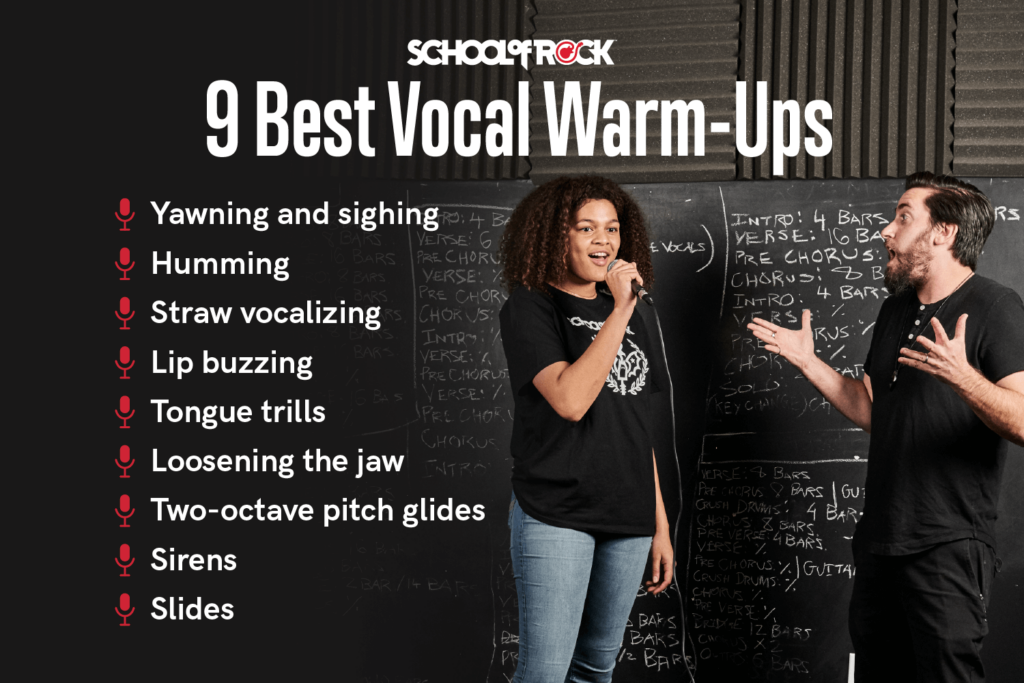
Regular vocal exercises are essential for developing and maintaining a good singing voice. Exercises like scales and arpeggios help to warm up your vocal cords, improve pitch control, and expand your vocal range. Vocal warm-up routines, including lip trills and sirens, can also help loosen up your vocal muscles and prepare them for singing. Tongue twisters are another beneficial exercise for articulation and diction. Incorporating these exercises into your practice routine will strengthen your voice and improve your singing abilities.
Proper Warm-up
Lip Trills
Lip trills, also known as lip bubbles or motorboat sounds, are a popular warm-up exercise among singers. To perform lip trills, lightly press your lips together and blow air out, causing them to vibrate. This exercise helps to relax and engage your vocal muscles, warm up your voice, and improve breath control. Lip trills also promote proper airflow and encourage a smooth, connected sound.
Sirens
Sirens are another effective vocal warm-up exercise that can improve your vocal range and flexibility. To do a siren, start at the bottom of your vocal range and gradually slide up to the top, and then back down again. This exercise helps to stretch and strengthen your vocal cords, allowing you to access higher and lower notes with ease. Sirens are also great for warming up your vocal muscles and releasing tension in your voice.
Vocal Stretches
Just like any other muscle in your body, your vocal muscles also need stretching and relaxation. Gentle vocal stretches can help to warm up your vocal folds and prevent strain or injury. You can gently hum, yawn, or make soft sighing sounds to relax your vocal muscles. These stretches also help to release any tension or tightness in your throat, allowing you to sing with more freedom and fluidity.
Healthy Lifestyle
Hydration
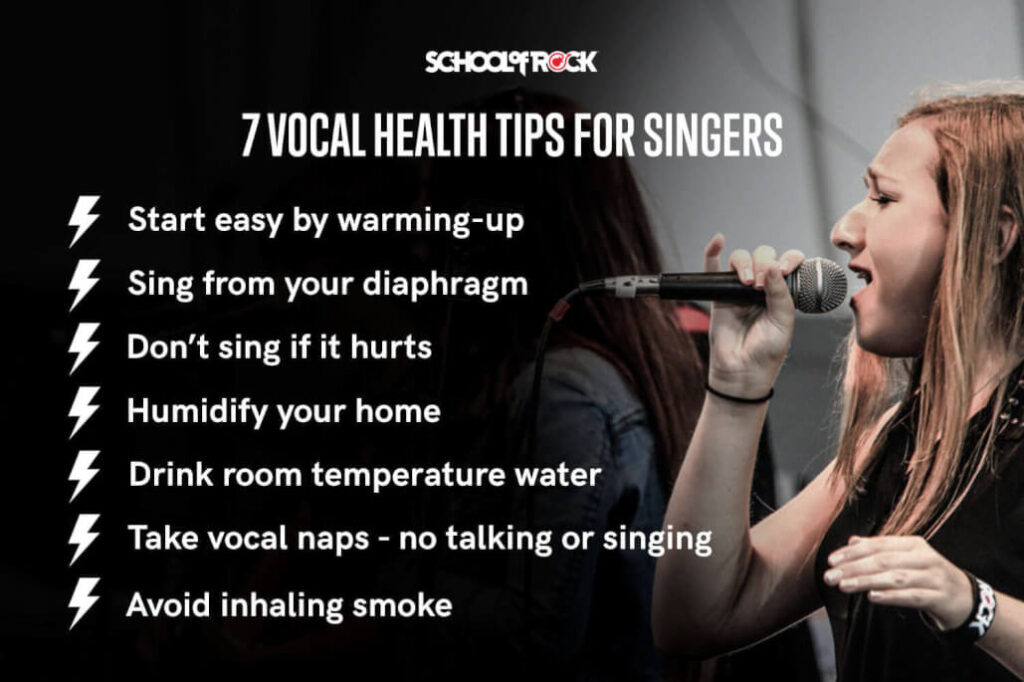
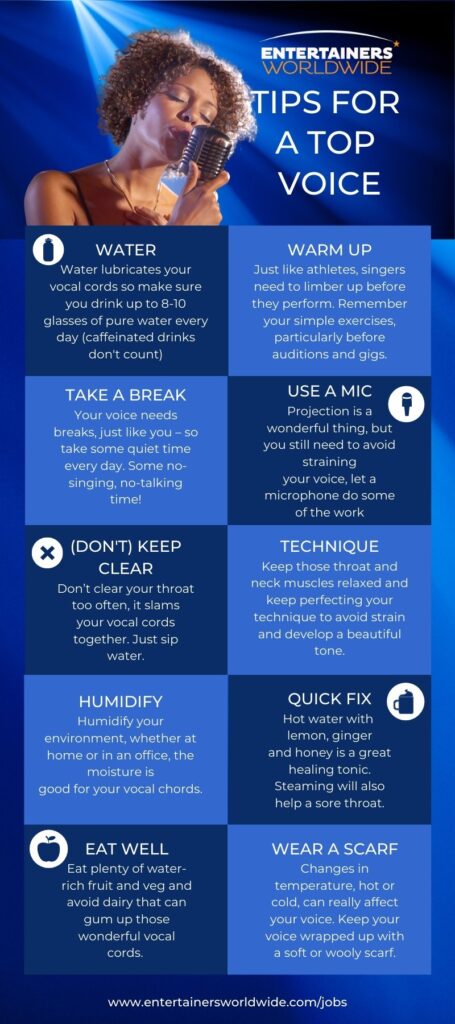
Staying hydrated is crucial for maintaining a healthy voice. Drink plenty of water throughout the day to keep your vocal cords lubricated and prevent dryness. Avoid or minimize the consumption of beverages that can dehydrate you, such as caffeinated or sugary drinks. Additionally, using a humidifier in your home or practice space can help keep the air moist and prevent vocal strain.
Diet
A balanced and nutritious diet plays a significant role in maintaining vocal health. Include foods rich in vitamins A, C, and E, as well as zinc and omega-3 fatty acids. These nutrients can help strengthen your immune system, promote tissue repair, and reduce inflammation in your vocal folds. Avoid foods that are acidic, spicy, or greasy, as they can cause acid reflux or throat irritation.
Avoiding Vocal Strain
To maintain a good singing voice, it’s important to avoid vocal strain and overuse. Be mindful of your vocal limits and avoid pushing your voice beyond its capabilities. Take regular breaks during practice or performances to rest your voice and prevent fatigue. If you experience any signs of vocal strain, such as hoarseness, pain, or difficulty speaking, seek professional advice and give your voice ample time to recover.
Vocal Health
Avoid Smoking and Alcohol
Smoking and alcohol can have detrimental effects on your vocal cords and overall vocal health. Smoking irritates the vocal folds and can lead to inflammation, vocal nodules, or even cancer. Alcohol, on the other hand, can dehydrate your body and vocal cords, causing dryness and vocal strain. It’s best to avoid smoking and limit alcohol consumption to maintain a healthy singing voice.
Rest and Sleep
Proper rest and sleep are vital for vocal recovery and maintenance. When you’re sleep-deprived, your voice may lack energy, clarity, and control. Aim for a consistent sleep schedule and prioritize getting enough restorative sleep. If possible, avoid speaking or singing excessively before bedtime to allow your vocal cords to rest and recover.
Avoiding Vocal Abuse
Vocal abuse refers to any behavior that puts excessive strain or stress on your vocal cords. This can include screaming, yelling, speaking in loud environments, or improper speaking techniques. To protect your vocal health, practice proper vocal hygiene by speaking at a comfortable volume, using correct vocal projection techniques, and avoiding situations that may require excessive vocal exertion.
Vocal Training
Hiring a Vocal Coach
Hiring a vocal coach can provide personalized guidance and instruction to improve your singing technique. A vocal coach can assess your strengths and weaknesses, tailor exercises to your specific needs, and help you develop good vocal habits. They can also provide valuable feedback, offer performance coaching, and guide you in expanding your vocal range and repertoire.
Taking Vocal Lessons
If hiring a vocal coach is not feasible, taking regular vocal lessons is an excellent alternative. Many music schools or community centers offer vocal lessons for individuals of all skill levels. During lessons, you’ll receive guidance on proper technique, learn new vocal exercises, and receive constructive feedback on your singing. Regular vocal lessons can provide structure, accountability, and motivation to help you progress in your vocal journey.
Online Vocal Courses
Online vocal courses are becoming increasingly popular due to their flexibility and convenience. These courses offer self-paced learning, allowing you to study at your own pace and fit the lessons into your schedule. Online courses may include video tutorials, downloadable resources, and interactive exercises to help you improve your singing technique. Before enrolling in an online course, research different options, read reviews, and choose one that aligns with your goals and learning preferences.
Breathing Techniques
Diaphragmatic Breathing
Diaphragmatic breathing, also known as belly breathing, is a fundamental technique for singers. It involves using the diaphragm, a large muscle located at the base of the lungs, to control your breath. To practice diaphragmatic breathing, place one hand on your chest and the other on your abdomen. Take a deep breath in, allowing your abdomen to expand while keeping your chest relatively still. As you exhale, engage your abdominal muscles and feel the gentle inward movement of your abdomen. By mastering diaphragmatic breathing, you can have better breath control and support for your singing.
Supporting Breath Control
Supporting breath control is essential for maintaining a steady airflow while singing. As you inhale, consciously engage your abdominal muscles to provide support and control the release of air. This support helps you sustain longer notes, maintain consistent volume, and navigate through challenging vocal passages. Practicing breath control exercises, such as sustained hissing or releasing breath in controlled bursts, can strengthen your diaphragm and improve your breath control technique.

Posture
Alignment
Maintaining proper alignment is crucial for optimal vocal production. Stand or sit up straight with your shoulders relaxed and your head in line with your spine. Imagine a string attached to the crown of your head gently pulling you upward. This alignment allows for proper airflow, optimal vocal cord function, and clear resonance.
Relaxation
Relaxation is another key aspect of good singing posture. Avoid tension in your body, particularly in the neck, shoulders, and jaw. Tension can restrict airflow, hinder resonance, and lead to vocal strain. Take a moment to release any tension in your body before you start singing. Stretching exercises, gentle neck rolls, and shoulder shrugs can help to relieve tension and promote relaxation.
Head, Neck, and Jaw Placement
Proper head, neck, and jaw placement contribute to a free and unhindered sound. Keep your head aligned with your spine, neither tilted forward nor backward. Avoid excessive tension in your neck by allowing it to stay relaxed and in a natural position. Your jaw should be relaxed and slightly dropped, allowing for freedom of movement and facilitating good resonance. Practice gentle jaw exercises, such as opening and closing your mouth with a relaxed jaw, to improve flexibility and release tension in this area.
Resonance
Nasal Resonance
Nasal resonance refers to the sound vibrations that occur in the nasal cavity while singing. It adds a unique character to your voice and can help with projection and clarity. To develop nasal resonance, practice humming while focusing the sound in your nose. Gradually, incorporate this resonance into your singing, being mindful not to overdo it. Finding the right balance of nasal resonance can enhance the overall quality and projection of your voice.
Chest Resonance
Chest resonance is the deep, rich sound that vibrates in the chest cavity. It adds warmth and power to your voice. To develop chest resonance, practice humming or vocalizing while allowing the sound to resonate in your chest. Aim to feel the vibrations in your chest and lower body. This technique can help you access your lower register, improve vocal projection, and create a fuller sound.
Head Resonance
Head resonance refers to the vibrations that occur in the head and facial cavities while singing. It contributes to a bright and focused sound. To develop head resonance, imagine the sound vibrating in your head and face as you sing. Practice vocal exercises that encourage this resonance, such as sirens that start in your head voice and transition smoothly into your chest voice. By incorporating head resonance into your singing, you can achieve a more balanced and resonant tone.
Mix Resonance
Mix resonance, also known as balanced resonance, combines elements of chest resonance and head resonance. It allows for a seamless transition between registers and creates a consistent, unified sound. To develop mix resonance, practice vocal exercises that involve smoothly transitioning between chest voice and head voice. Focus on maintaining a relaxed, open throat and consistent breath support throughout your vocal range. Developing mix resonance will enhance your vocal versatility and allow you to sing with ease across different registers.
Vocal Exercises
Scales and Arpeggios
Scales and arpeggios are foundational vocal exercises that help to warm up your voice, improve pitch accuracy, and develop vocal agility. Start with simple major and minor scales and gradually move on to more complex patterns. Focus on producing clear and even notes while maintaining good breath control and vocal technique. Practicing scales and arpeggios regularly can expand your vocal range, improve vocal flexibility, and strengthen your overall singing abilities.
Vocal Warm-up Routines
Vocal warm-up routines are a combination of various exercises aimed at preparing your voice for singing. These routines typically include exercises for breathing, vocalizing, range extension, and flexibility. Choose warm-up exercises that target your specific needs and vocal goals. Gradually increase the difficulty and intensity of the exercises as you warm up to avoid straining your voice. Regularly incorporating vocal warm-up routines into your practice sessions will help improve your vocal technique and enhance your overall singing performance.
Tongue Twisters
Tongue twisters are not only a fun and entertaining exercise, but they also help improve your diction, articulation, and vocal clarity. Tongue twisters consist of phrases or sentences that contain repetitive sounds or challenging combinations of consonants and vowels. Practice saying them slowly at first, focusing on clear enunciation, and gradually increase the speed as you become more comfortable. Regularly incorporating tongue twisters into your warm-up routine can help sharpen your vocal skills and enhance your overall communication through singing.
Pitch Control
Pitch control exercises are essential for developing accuracy and control over your singing voice. These exercises involve intentionally singing specific pitches, intervals, or melodic patterns. You can use piano, keyboard, or any other musical instrument to guide you through the exercises. Start with simple exercises, gradually increasing the difficulty as you improve. Regularly practicing pitch control exercises will train your ear, strengthen your vocal muscles, and improve your overall pitch accuracy.
Online Vocal Courses
Flexibility and Convenience
Online vocal courses offer the flexibility and convenience of learning from the comfort of your own home. You can access course materials and lessons at any time that suits your schedule. This flexibility allows you to tailor your learning experience to your needs and progress at your own pace. You can adjust your practice sessions and lessons to fit around your other commitments, making it easier to incorporate vocal training into your everyday life.
Self-paced Learning
Online vocal courses provide self-paced learning, allowing you to learn at your own speed and focus on areas that require more attention. You can revisit lessons and exercises as many times as needed until you feel comfortable and confident. This level of control over your learning process enables you to set realistic goals, track your progress, and avoid feeling rushed or overwhelmed. Self-paced learning promotes a stress-free and enjoyable experience as you work towards improving your singing voice.
Researching and Choosing the Right Course
Before enrolling in an online vocal course, take the time to research and choose the right course for your needs and goals. Consider factors such as the course syllabus, instructor’s credentials and teaching style, student reviews, and available resources. Look for courses that align with your desired outcomes and provide comprehensive instruction on proper vocal technique, warm-up exercises, and repertoire development. By selecting the right course, you can ensure that you receive valuable and reputable vocal training.
In conclusion, getting a good singing voice requires proper technique, warm-up exercises, maintaining a healthy lifestyle, vocal health practices, and consistent training. By focusing on breathing techniques, posture, resonance, and vocal exercises, you can improve your singing abilities and develop a strong and versatile voice. Whether you choose to work with a vocal coach, take lessons, or opt for online courses, the key is to approach your vocal training with dedication, patience, and a positive attitude. With regular practice and a commitment to proper technique, you can unlock your full singing potential and enjoy the rewards of a good singing voice.


