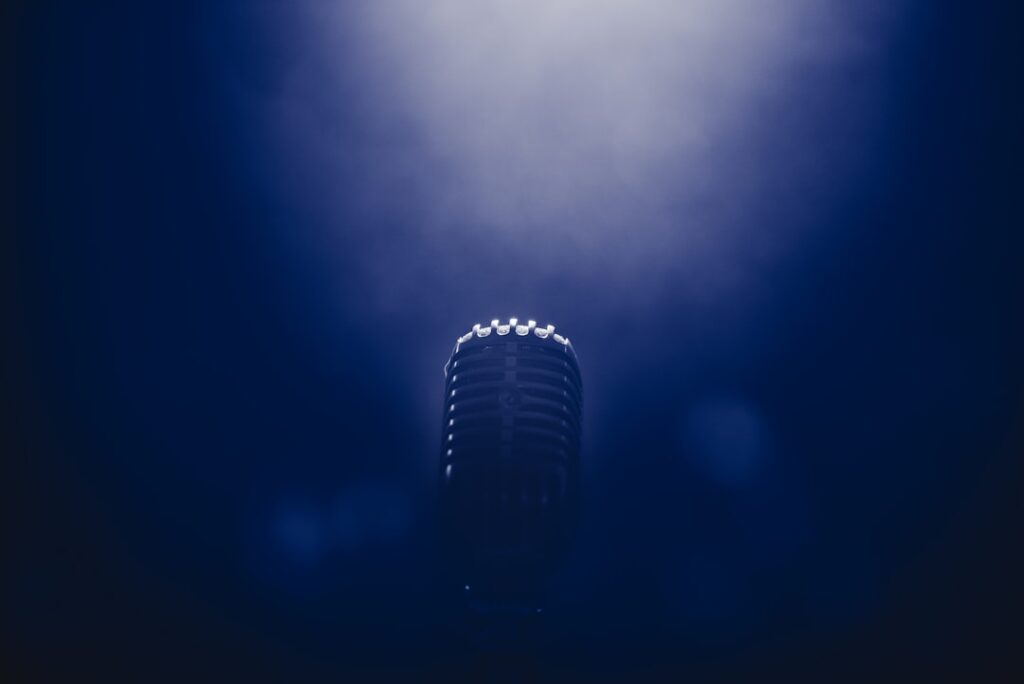
When you step onto a stage, the world around you transforms. The spotlight shines, illuminating not just your presence but also the emotions you wish to convey through your performance. Stage lighting is more than just a technical aspect of a show; it is an art form that enhances the overall experience for both the performer and the audience.
In singing performances, effective lighting can elevate a simple song into a captivating experience, creating a connection that resonates long after the final note has faded. As you prepare to take the stage, understanding the nuances of stage lighting and presentation becomes essential to delivering a memorable performance. The interplay between lighting and presentation is crucial in setting the tone for your performance.
Whether you are performing in an intimate venue or a grand arena, the way you present yourself—combined with the strategic use of lighting—can significantly impact how your audience perceives your artistry. From the moment the lights dim to the final bow, every element of stage lighting works in harmony with your voice and movements, crafting a narrative that draws the audience into your world. This article will explore the multifaceted role of stage lighting and presentation in singing performances, highlighting how they can transform an ordinary show into an extraordinary experience.
Key Takeaways
- Stage lighting plays a crucial role in enhancing the overall presentation of singing performances.
- The impact of stage lighting on audience perception can significantly influence their experience and emotional response.
- Effective presentation can elevate the quality of a singing performance, creating a more engaging and memorable experience for the audience.
- Stage lighting can be used to create different atmospheres and moods, enhancing the emotional impact of the performance.
- Strategic use of stage lighting can help highlight key moments in the singing performance, drawing attention to important elements.
The Impact of Stage Lighting on Audience Perception
As you take center stage, the first thing that captures your audience’s attention is often the lighting design. The colors, intensity, and movement of lights can evoke specific emotions and set the mood for your performance. For instance, warm hues like reds and oranges can create an intimate atmosphere, while cooler tones such as blues and greens may evoke feelings of calmness or melancholy.
By understanding how different lighting choices affect audience perception, you can tailor your performance to elicit the desired emotional response. Moreover, stage lighting serves as a visual cue that guides the audience’s focus. When you sing a powerful ballad, soft, dim lighting can draw listeners in, allowing them to connect deeply with your lyrics.
Conversely, during an upbeat number, vibrant and dynamic lighting can energize the crowd, encouraging them to engage with the performance. The strategic use of lighting not only enhances your vocal delivery but also shapes how your audience interprets the story you are telling through your music. By harnessing this power, you can create a more immersive experience that resonates with your listeners on multiple levels.
The Role of Presentation in Enhancing the Singing Performance

Your presentation is an extension of your artistry; it encompasses not only your vocal abilities but also your physical expression and stage presence. As you perform, every gesture, facial expression, and movement contributes to the overall narrative you are conveying. A well-thought-out presentation can amplify the emotional weight of your song, making it more relatable and impactful for your audience.
This is where stage lighting plays a complementary role, enhancing your presentation and ensuring that every nuance is highlighted. Consider how your body language interacts with the lighting design. When you move confidently across the stage, the lights can follow your movements, creating a dynamic visual experience that captivates your audience.
If you are conveying vulnerability in a particular moment, softer lighting can accentuate that feeling, allowing listeners to connect with your emotions on a deeper level. By being mindful of how presentation and lighting work together, you can create a cohesive performance that leaves a lasting impression on those who witness it.
Creating Atmosphere and Mood with Stage Lighting
The atmosphere of a performance is largely dictated by the lighting design. As you prepare to sing, think about the mood you want to create and how lighting can help achieve that vision. For instance, if you are performing a haunting ballad, low-intensity lights with shadows can create an eerie ambiance that complements the song’s themes.
On the other hand, if you’re delivering an upbeat pop anthem, bright and colorful lights can infuse energy into the space, encouraging audience participation. Lighting can also be used to transition between different moods throughout your performance. As you move from one song to another, subtle changes in lighting can signal these shifts to your audience.
A gradual fade from bright to dark can indicate a change in tone or emotion, while sudden bursts of light can surprise and engage listeners during climactic moments. By thoughtfully manipulating lighting to create atmosphere and mood, you enhance not only your performance but also the overall experience for everyone in attendance.
Using Stage Lighting to Highlight Key Moments in the Performance
Every performance has its pivotal moments—those high points where emotion peaks or where a significant lyrical message is delivered. As you navigate through your setlist, consider how stage lighting can be employed to accentuate these key moments. For example, when you reach a powerful chorus or a heartfelt bridge, a sudden spotlight can draw attention to you as you deliver those crucial lines.
This technique not only emphasizes the importance of those moments but also creates a visual spectacle that captivates your audience. Additionally, using contrasting lighting techniques can further enhance these highlights. For instance, if you have been performing under soft lighting throughout a verse, switching to bright lights during a climactic moment can create a dramatic effect that resonates with listeners.
This contrast not only keeps the audience engaged but also reinforces the emotional journey of your performance. By strategically highlighting key moments with stage lighting, you ensure that your audience remains fully invested in your story.
Incorporating Visual Effects and Special Lighting Techniques

In today’s performances, incorporating visual effects and special lighting techniques has become increasingly popular among artists looking to elevate their shows. As you explore these options, consider how they can complement your singing and enhance the overall experience for your audience. Techniques such as fog machines, strobe lights, or even projections can add layers of depth to your performance, creating a multi-sensory experience that captivates viewers.
For instance, if you’re performing a song about longing or nostalgia, using soft fog combined with gentle backlighting can create an ethereal atmosphere that transports listeners into another world. Alternatively, synchronized light shows that pulse with the rhythm of your music can energize the crowd during upbeat numbers. By experimenting with various visual effects and special techniques, you can craft a unique performance that stands out and leaves a lasting impression on those who witness it.
The Importance of Coordination Between Lighting and Performance
Coordination between lighting and performance is essential for creating a seamless experience for both you and your audience. As you rehearse your setlist, take time to collaborate with your lighting designer or technician to ensure that every cue aligns perfectly with your movements and vocal delivery. This level of preparation allows for smooth transitions between songs and ensures that each moment is enhanced by the appropriate lighting.
Moreover, effective communication during rehearsals is key to achieving this coordination. Discussing specific moments where you want lighting changes or effects will help create a cohesive vision for your performance. When both elements work in harmony—your singing and the accompanying lighting—the result is an immersive experience that captivates audiences from start to finish.
By prioritizing this coordination, you elevate not only your performance but also the overall impact it has on those who come to see you.
The Power of Stage Lighting and Presentation in Elevating Singing Performances
In conclusion, stage lighting and presentation are powerful tools that can significantly elevate singing performances. As you prepare to take the stage, remember that every element—from the colors and intensity of lights to your physical expression—plays a vital role in shaping how your audience experiences your music. By understanding how to effectively use stage lighting to enhance atmosphere, highlight key moments, and create visual effects, you can craft performances that resonate deeply with listeners.
Ultimately, it is this synergy between stage lighting and presentation that transforms an ordinary show into an extraordinary experience. As you continue to hone your craft as a performer, embrace the potential of these elements to tell your story in vivid detail. With thoughtful consideration and creativity, you have the power to leave an indelible mark on every audience member who comes to witness your artistry unfold on stage.
FAQs
What is the role of stage lighting in a singing performance?
Stage lighting in a singing performance serves to enhance the mood and atmosphere of the performance, highlight the performers, and create visual interest for the audience.
How does stage lighting affect the presentation of a singing performance?
Stage lighting can affect the presentation of a singing performance by creating a focal point for the audience, emphasizing certain elements of the performance, and adding visual dynamics to the overall presentation.
What are the different types of stage lighting used in singing performances?
Different types of stage lighting used in singing performances include spotlights, wash lights, floodlights, and special effects lighting such as strobes, lasers, and moving lights.
How does stage lighting contribute to the overall experience of a singing performance?
Stage lighting contributes to the overall experience of a singing performance by setting the mood, creating visual interest, and enhancing the emotional impact of the performance for the audience.
What are some key considerations for stage lighting in a singing performance?
Key considerations for stage lighting in a singing performance include the coordination of lighting cues with the music, the use of color and intensity to convey emotion, and the balance between highlighting the performers and creating a visually engaging environment.