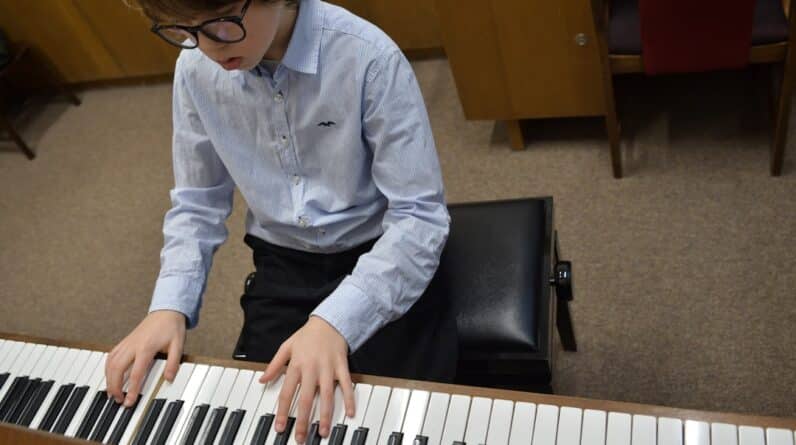
When you step onto the stage or even just practice in front of a mirror, the way you hold your body can significantly impact your singing performance. Proper singing posture is not merely about looking good; it plays a crucial role in how effectively you produce sound. When you maintain an upright and balanced posture, you create an optimal environment for your vocal cords to function.
This alignment allows for better airflow and vocal resonance, which are essential for producing a clear and powerful sound. You may not realize it, but the way you stand or sit can either enhance or hinder your vocal abilities. Moreover, adopting the right posture can help prevent vocal strain and fatigue.
When your body is aligned correctly, the muscles involved in singing can work more efficiently, reducing the risk of overexertion. This is particularly important for those who sing regularly or perform professionally. By prioritizing proper posture, you not only improve your vocal quality but also safeguard your voice for the long term.
As you become more aware of your body’s alignment, you’ll find that singing becomes a more enjoyable and less taxing experience.
Key Takeaways
- Proper singing posture is crucial for optimal vocal production and overall vocal health.
- Alignment of the body, including the spine, shoulders, and hips, plays a key role in maintaining good singing posture.
- Effective breathing and support techniques are essential for producing a strong and controlled vocal sound.
- Vocal resonance and projection can be improved by focusing on proper breath support and body alignment.
- Relaxation and tension release in the body are important for achieving a free and open vocal sound.
Alignment of the Body
Body Alignment
Stand tall with your feet shoulder-width apart, ensuring that your weight is evenly distributed. Your head should be aligned with your spine, and your shoulders should be relaxed and slightly back. This alignment creates a solid foundation for your vocal production.
Visualization Technique
You might find it helpful to visualize a string pulling gently from the top of your head, elongating your spine and encouraging an upright position. In addition to standing tall, pay attention to how your hips and knees are positioned.
Maintaining Balance and Stability
Your hips should be level, and your knees should be relaxed—not locked. This alignment allows for better balance and stability, which is essential when you’re performing. If you’re sitting while singing, ensure that your back is straight and supported, with your feet flat on the ground. This alignment will help you maintain control over your voice and project it more effectively.
Breathing and Support

Breathing is the cornerstone of singing, and proper posture directly influences your ability to breathe efficiently. When you stand or sit with correct alignment, your diaphragm has the space it needs to expand fully. This allows for deeper breaths, which are essential for sustaining notes and phrases.
As you inhale, focus on filling your lower lungs first, allowing your abdomen to expand outward. This technique not only provides you with more air but also engages your core muscles, offering the support necessary for powerful singing. Support is about more than just taking deep breaths; it involves controlling the airflow as you sing.
With proper posture and breathing techniques in place, you can develop a sense of support that allows you to project your voice without straining. Imagine your breath as a steady stream that flows through your vocal cords; maintaining this flow will enable you to sing with greater ease and confidence. As you practice, pay attention to how your body feels when you engage your breath support—this awareness will help you refine your technique over time.
Vocal Resonance and Projection
Vocal resonance is a key element in achieving a rich and full sound. When you maintain proper posture, you create an optimal space within your body for sound waves to resonate. Your throat, mouth, and nasal passages all play a role in this process, and when they are aligned correctly, the vibrations produced by your voice can travel more freely.
You may notice that when you stand tall and open up your chest, the sound resonates more powerfully, allowing you to fill a room without straining. Projection is closely tied to resonance; it’s about how well your voice carries across distances. With proper alignment and breath support, you can project your voice effectively without forcing it.
Think of projection as sending your sound out into the audience rather than pushing it from within. As you practice singing with good posture, experiment with different vowel sounds and dynamics to see how they affect your resonance and projection. You’ll likely find that maintaining an open throat and relaxed jaw enhances both aspects significantly.
Relaxation and Tension Release
Tension can be a singer’s worst enemy. When you’re tense, whether in your shoulders, neck, or jaw, it can restrict your vocal range and affect the quality of your sound. Therefore, learning to relax is essential for any singer looking to improve their performance.
Proper posture plays a significant role in this process; when you align your body correctly, it naturally encourages relaxation in other areas. You might find that simply standing tall with relaxed shoulders helps release built-up tension. Incorporating relaxation techniques into your practice routine can also be beneficial.
Before singing, take a few moments to stretch gently or perform breathing exercises that promote relaxation. Focus on areas where you tend to hold tension—like your neck or shoulders—and consciously release that tightness as you prepare to sing. By making relaxation a priority in your practice sessions, you’ll find that not only does your voice improve, but so does your overall enjoyment of singing.
Head and Neck Position

The position of your head and neck is another critical aspect of proper singing posture. Your head should be aligned with your spine; avoid jutting it forward or tilting it back excessively. A neutral head position allows for optimal airflow and vocal cord function.
You may want to practice in front of a mirror to ensure that your head remains level while singing. This visual feedback can help reinforce good habits as you develop your technique. Additionally, pay attention to how you hold your neck while singing.
Tension in this area can lead to strain and discomfort over time. Keep your neck relaxed and elongated; imagine there’s a gentle pull at the crown of your head that encourages lengthening through the spine. This position not only aids in vocal production but also contributes to a more confident stage presence.
As you become more aware of how head and neck positioning affects your sound, you’ll find it easier to maintain control over your voice.
Arm and Hand Placement
Your arms and hands may seem like minor details in the grand scheme of singing posture, but they can significantly influence how you project yourself on stage. When standing or sitting to sing, allow your arms to hang naturally at your sides or rest gently on your hips. Avoid crossing them over your chest or tensing them up; this can create unnecessary tension that affects both posture and vocal quality.
Consider using hand gestures or movements that complement the emotions of the song you’re performing. This not only enhances your stage presence but also helps convey the message of the music more effectively. However, be mindful not to overdo it; excessive movement can distract from the performance itself.
Strive for a balance between natural expression and controlled placement as you sing.
Foot and Leg Position
Finally, let’s discuss the importance of foot and leg positioning in achieving proper singing posture. Your feet should be firmly planted on the ground, providing stability as you sing. Stand with them shoulder-width apart to create a solid base; this will help prevent swaying or shifting during performance.
If you’re sitting while singing, ensure that both feet are flat on the floor for optimal support. Your legs should remain relaxed but engaged; avoid locking your knees or standing rigidly still. A slight bend in the knees can help maintain balance and allow for subtle movement as needed while performing.
As you practice singing with attention to foot and leg positioning, you’ll likely notice an increase in both comfort and confidence on stage. By grounding yourself physically, you’ll create a stronger connection between body and voice, enhancing every aspect of your performance. In conclusion, mastering proper singing posture involves a holistic approach that encompasses various elements of body alignment, breathing techniques, relaxation strategies, and mindful movement.
By focusing on these aspects during practice sessions, you’ll not only improve your vocal quality but also cultivate a deeper connection with the music you love to perform. Embrace these principles as part of your journey as a singer; they will serve as invaluable tools in helping you reach new heights in your vocal artistry.
FAQs
What is proper singing posture?
Proper singing posture refers to the alignment of the body while singing, which allows for optimal breath support, vocal production, and overall performance.
What are the key aspects of proper singing posture?
Key aspects of proper singing posture include standing or sitting with a straight spine, relaxed shoulders, a lifted chest, and a relaxed jaw and neck. The feet should be shoulder-width apart and the body should be balanced and centered.
Why is proper singing posture important?
Proper singing posture is important because it allows for better breath control, improved vocal resonance, and overall vocal health. It also helps prevent strain and tension in the body while singing.
How can proper singing posture improve vocal performance?
Proper singing posture can improve vocal performance by allowing for better breath support, which in turn leads to improved vocal control, tone, and projection. It also helps prevent vocal fatigue and strain.
Are there specific exercises to improve singing posture?
Yes, there are specific exercises and stretches that can help improve singing posture, such as yoga, Pilates, and Alexander Technique exercises. These focus on strengthening and aligning the body for better posture and breath support.