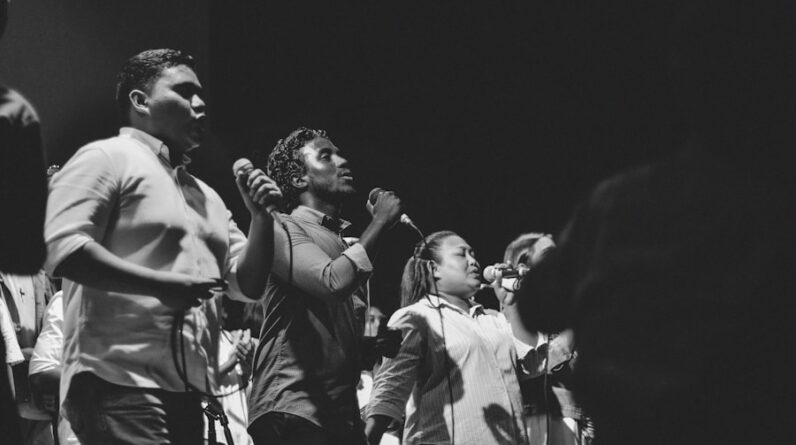
Enrolling your child in voice lessons can be a transformative experience that extends far beyond the realm of music. One of the most significant benefits is the boost in self-confidence that often accompanies learning to sing. As your child develops their vocal skills, they will likely feel a sense of accomplishment that can enhance their self-esteem.
This newfound confidence can spill over into other areas of their life, from school presentations to social interactions, allowing them to express themselves more freely and assertively. Moreover, voice lessons can foster a deep appreciation for music and the arts. Through learning various techniques and styles, your child will gain a broader understanding of musical concepts and history.
This exposure can ignite a passion for creativity and self-expression, encouraging them to explore different genres and even try their hand at songwriting. The discipline required to practice regularly also instills a strong work ethic, teaching your child the value of dedication and perseverance—qualities that will serve them well in all aspects of life.
Key Takeaways
- Voice lessons for kids can improve their confidence, communication skills, and overall musical abilities.
- Finding the right voice teacher for your child involves considering their experience, teaching style, and ability to connect with your child.
- Prepare your child for voice lessons by discussing expectations, practicing good vocal hygiene, and setting up a practice routine.
- Vocal warm-ups are important for kids to prevent vocal strain and improve their vocal range and flexibility.
- Choosing the right repertoire for kids’ voice lessons involves considering their vocal range, interests, and musical goals.
Finding the Right Voice Teacher for Your Child
Choosing the right voice teacher is crucial for your child’s musical journey. You want someone who not only possesses the technical skills and knowledge but also has the ability to connect with your child on a personal level. Start by researching local music schools or private instructors, paying attention to their qualifications and teaching styles.
Look for reviews or testimonials from other parents to gauge their effectiveness and approachability. A teacher who is patient and encouraging can make all the difference in your child’s learning experience. Once you have a shortlist of potential teachers, consider scheduling trial lessons.
This allows you to observe how they interact with your child and whether they create a comfortable learning environment. It’s essential that your child feels at ease with their instructor, as this will encourage open communication and a willingness to learn. Additionally, discuss your child’s goals with the teacher to ensure they align with their teaching philosophy.
A good teacher will tailor their approach to meet your child’s individual needs, fostering a love for singing that can last a lifetime.
How to Prepare Your Child for Voice Lessons

Preparing your child for voice lessons involves more than just showing up on the first day; it requires setting the right mindset and expectations. Begin by discussing what they can expect during their lessons. Explain that learning to sing is a process that takes time and practice, and it’s perfectly normal to feel nervous or unsure at first.
Encourage them to approach each lesson with an open mind and a willingness to learn, emphasizing that mistakes are part of the journey. Additionally, establish a routine that includes regular practice at home. This doesn’t mean turning your living room into a rehearsal space; rather, create a fun and engaging environment where your child feels comfortable exploring their voice.
You might consider incorporating games or activities that focus on vocal exercises, making practice feel less like a chore and more like an enjoyable experience. By fostering a positive attitude towards practice, you set the stage for your child’s success in voice lessons.
The Importance of Vocal Warm-ups for Kids
Vocal warm-ups are an essential component of any singing lesson, especially for children whose voices are still developing. Just as athletes warm up before a game, singers need to prepare their vocal cords to prevent strain and injury. Warm-ups help to loosen the muscles involved in singing, allowing for greater flexibility and range.
By incorporating these exercises into your child’s routine, you are helping them build a solid foundation for their vocal development. Moreover, warm-ups can enhance your child’s overall vocal performance. They improve breath control, diction, and pitch accuracy, all of which are crucial for effective singing.
Encourage your child to view warm-ups as an integral part of their practice rather than a tedious task. You might even join them in these exercises, turning it into a bonding experience that reinforces the importance of taking care of their voice. By prioritizing warm-ups, you are equipping your child with the tools they need to succeed as a singer.
Choosing the Right Repertoire for Kids’ Voice Lessons
Selecting appropriate repertoire is vital for keeping your child engaged and motivated during voice lessons. The songs they sing should not only match their vocal range but also resonate with their interests and emotions. Collaborate with their voice teacher to curate a list of songs that challenge your child while still being enjoyable to sing.
This balance will help maintain their enthusiasm and encourage them to explore different musical styles. Additionally, consider introducing your child to songs from various genres and cultures. This exposure can broaden their musical horizons and deepen their appreciation for different forms of expression.
Encourage them to share their thoughts on the songs they enjoy or wish to learn; this dialogue can foster a sense of ownership over their musical journey. Ultimately, choosing the right repertoire is about finding pieces that inspire your child while also promoting their growth as a vocalist.
How to Support Your Child’s Vocal Development at Home

Supporting your child’s vocal development at home is crucial for reinforcing what they learn during lessons. Create an environment that encourages musical exploration by providing access to various resources such as books, recordings, or even online tutorials. You might consider setting aside time each week for family sing-alongs or music appreciation sessions, allowing your child to share their progress with you while also enjoying quality time together.
Additionally, be attentive to your child’s vocal health. Encourage them to stay hydrated and avoid straining their voice by shouting or whispering excessively. Teach them about proper breathing techniques and posture when singing, as these elements play a significant role in vocal performance.
By being proactive about their vocal health and development, you demonstrate your commitment to their passion for music, which can further motivate them on their journey.
Overcoming Stage Fright and Performance Anxiety in Kids
Stage fright is a common challenge many young performers face, but there are effective strategies you can employ to help your child overcome it. Start by normalizing their feelings; let them know that many performers experience anxiety before going on stage. Encourage open discussions about their fears and anxieties, allowing them to express themselves without judgment.
This dialogue can help demystify the experience of performing and make it feel less daunting. Practicing performance skills in low-pressure environments can also be beneficial. Organize small gatherings with family or friends where your child can showcase what they’ve learned in a supportive setting.
Gradually increasing the size of the audience can help desensitize them to larger performances over time. Additionally, teach them relaxation techniques such as deep breathing or visualization exercises that they can use before stepping onto the stage. By equipping your child with these tools, you empower them to face performance anxiety head-on.
Incorporating Music Theory and Ear Training into Kids’ Voice Lessons
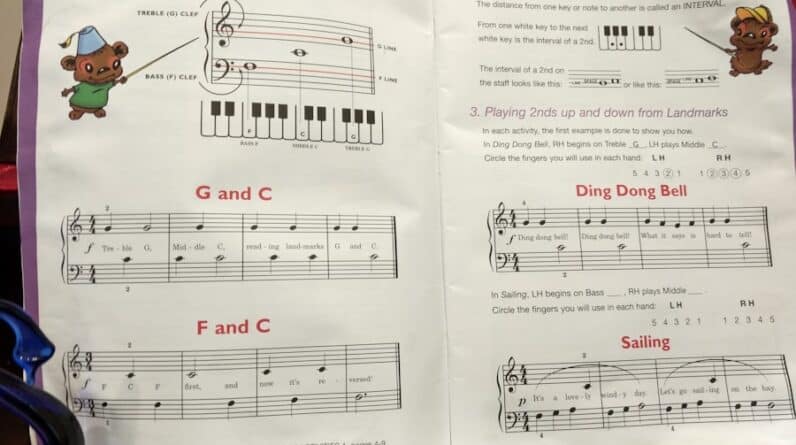
Integrating music theory and ear training into your child’s voice lessons can significantly enhance their overall musicality. Understanding basic music theory concepts—such as scales, intervals, and rhythm—can provide context for what they are learning vocally. This knowledge not only aids in sight-reading but also helps them grasp how different elements of music work together, enriching their appreciation for the art form.
Ear training is equally important as it develops your child’s ability to recognize pitches, intervals, and harmonies by ear. Engaging in activities like singing back melodies or identifying notes played on an instrument can sharpen these skills over time. Encourage your child’s teacher to incorporate these elements into their lessons so that they become well-rounded musicians capable of both performing and understanding music deeply.
By fostering this comprehensive approach to music education, you set your child on a path toward becoming not just a singer but a true musician. In conclusion, voice lessons offer numerous benefits for children, from building confidence to enhancing musical understanding. By finding the right teacher, preparing adequately for lessons, prioritizing vocal health, and supporting their development at home, you can help nurture your child’s passion for singing while equipping them with valuable life skills along the way.
FAQs
What are voice lessons for kids?
Voice lessons for kids are classes or sessions where children are taught how to sing and improve their vocal skills. These lessons can cover a range of topics including breathing techniques, vocal exercises, pitch control, and performance skills.
At what age can kids start taking voice lessons?
Children can start taking voice lessons as early as 5 or 6 years old, depending on their level of interest and maturity. It’s important for kids to have the physical and emotional maturity to handle the demands of vocal training.
What are the benefits of voice lessons for kids?
Voice lessons for kids can help improve their vocal range, pitch accuracy, breathing control, and overall singing technique. Additionally, voice lessons can boost children’s confidence, self-expression, and performance skills.
How long are voice lessons for kids typically?
Voice lessons for kids can range from 30 minutes to an hour, depending on the child’s age, attention span, and level of experience. Younger children may start with shorter lessons and gradually increase the duration as they progress.
What should parents look for in a voice teacher for their kids?
Parents should look for a voice teacher who has experience working with children, a positive and encouraging teaching style, and a focus on healthy vocal technique. It’s also important to find a teacher who creates a safe and supportive learning environment for kids.