
Are you tired of cringing every time you sing in front of others? Well, fret no more! In this article, you will discover some valuable tips and tricks on how to improve a bad singing voice. Whether you’re a shower singer or aspiring performer, these simple yet effective techniques will help you gain confidence and enhance your vocal abilities. So, get ready to hit all the right notes and wow the crowd with your newfound talent!
Breathing Techniques
Diaphragmatic Breathing
One of the fundamental techniques for improving your singing voice is diaphragmatic breathing. This breathing technique involves engaging your diaphragm, a muscle located just below your ribcage, to take deep breaths. To practice diaphragmatic breathing, start by placing one hand on your chest and the other hand on your abdomen. As you inhale, focus on expanding your abdomen rather than lifting your chest. This allows your lungs to fully expand, resulting in better breath control and increased vocal power.
Controlled Breathing Exercises
In addition to diaphragmatic breathing, incorporating controlled breathing exercises into your vocal warm-up routine can greatly enhance your singing ability. One example is the 4-4-4 exercise, where you inhale for a count of four, hold your breath for a count of four, and then exhale for a count of four. This exercise helps to regulate your breath and improve your lung capacity. Another effective exercise is the straw breathing technique, where you use a straw to exhale while producing a smooth, steady stream of air. This exercise aids in developing breath control and consistency in your singing.

Practice Breathing Exercises
Consistent practice of breathing exercises is key to improving your singing voice. Start by dedicating a few minutes each day to focus solely on your breathing. Stand or sit up straight, relax your body, and take slow, deep breaths. Pay attention to the expansion of your abdomen and the release of tension as you exhale. Gradually increase the duration and complexity of your breathing exercises to challenge yourself and further strengthen your breath support. The more you practice, the more natural and effortless proper breathing will become, leading to enhanced vocal performance.
Vocal Warm-up Exercises
Lip Trills
Lip trills are an effective warm-up exercise that helps to relax and warm up the muscles involved in singing. To perform lip trills, lightly press your lips together and blow air out, producing a buzzing sound. Start from a low pitch and gradually move up the scale, maintaining a smooth and continuous sound. Lip trills promote vocal flexibility, improve breath control, and enhance your ability to transition between different notes effortlessly.
Humming
Humming is another beneficial vocal warm-up exercise that helps to relax and warm up your vocal cords. Simply hum a sustained “mmm” sound, starting from a lower pitch and gradually moving up the scale. Humming helps to stimulate the resonance in your nasal and head cavities, promoting a clear and resonant tone. It also helps to increase your awareness of vocal placement and improves your ability to control your voice.
Tongue Twisters
Tongue twisters are not only fun but can also serve as effective warm-up exercises for your articulation and diction. Practicing tongue twisters helps to improve clarity and precision in your speech, which translates to clearer and more enunciated singing. Start with simple tongue twisters and gradually progress to more challenging ones. Repeat them slowly and focus on articulating each word clearly, paying attention to the movement and coordination of your tongue and lips.
Vocal Scales
Vocal scales are a staple in vocal warm-up routines as they help to develop and maintain your vocal range, flexibility, and accuracy. Begin by starting at the bottom of your vocal range and gradually ascend the scale, ensuring each note is sung with clarity and precision. As you ascend, focus on maintaining a balanced and consistent tone throughout. Vocal scales not only warm up your voice but also improve your pitch accuracy, intonation, and overall control of your vocal registers.
Pitch and Intonation
Ear Training
Developing your ear is crucial for singing in tune. Ear training exercises can help you recognize and reproduce different pitches accurately. Start by listening to a reference pitch or note, and then try to match that pitch with your voice. You can use online resources or mobile apps specifically designed for ear training to practice identifying intervallic relationships and hearing subtle changes in pitch. Consistent ear training will enable you to sing with better pitch accuracy and a more pleasing tone.
Pitch Exercises
To improve your pitch control, incorporate pitch exercises into your vocal practice routine. This can include singing arpeggios, scales, or intervals with a focus on hitting the correct pitches. Start by practicing simple exercises and gradually progress to more complex ones. As you go through the exercises, pay attention to your intonation and make adjustments as needed to align with the desired pitch. Regularly practicing pitch exercises will strengthen your pitch accuracy and help you sing with greater precision.
Singing in Tune
Singing in tune requires a combination of good listening skills, vocal technique, and muscle memory. As you practice your songs or vocal exercises, pay attention to your pitch and strive to stay in tune with the accompaniment or reference track. Use your ear training and pitch exercises to develop your sense of pitch, and focus on using proper breath support and vocal technique to maintain control over your pitch. Singing in tune not only enhances the quality of your voice but also allows you to connect more deeply with your audience.
Resonance and Projection
Resonance Exercises
Resonance exercises help to increase the richness and depth of your voice by maximizing the resonating chambers in your body. One effective exercise is the “ng” sound, as in the word “sing.” Start by producing an “ng” sound and feel the vibrations in your nasal cavity and head. Gradually move through different pitches while maintaining the “ng” sound, focusing on resonating and amplifying the vibrations. This exercise promotes a resonant tone and helps you develop better control over your vocal resonance.
Open Throat Technique
To achieve optimal resonance and projection, it is important to maintain an open throat while singing. Imagine the space at the back of your throat expanding and opening up as you sing. Avoid tension or squeezing in the throat, as this can negatively impact your resonance and limit your vocal power. Practicing specific exercises that promote a relaxed throat, such as yawning or sighing, can help train your muscles to maintain an open throat position while singing. By incorporating this technique into your vocal practice, you can develop a more powerful and resonant voice.
Proper Posture
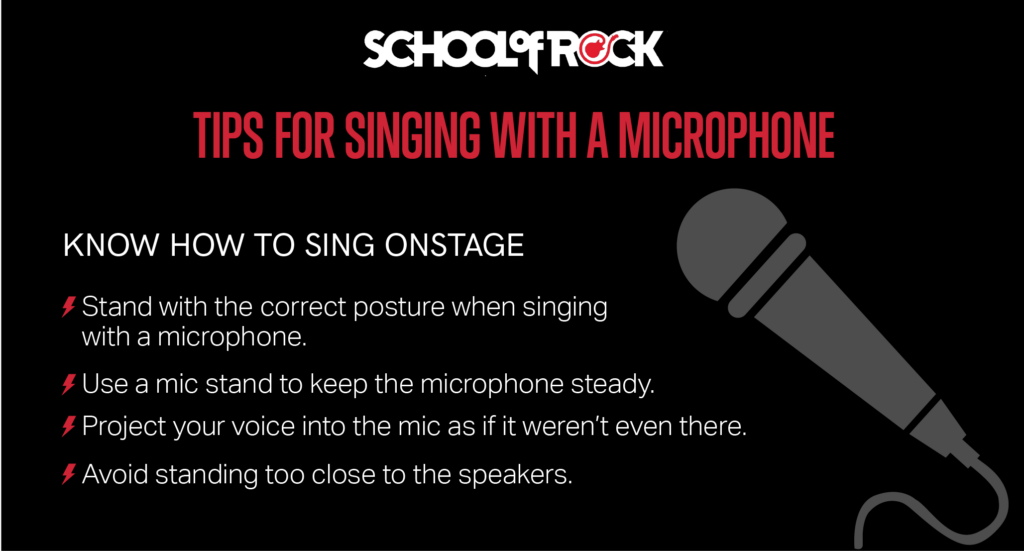
Having proper posture is essential for achieving optimal resonance and projection in your singing voice. Stand or sit up straight, aligning your head, neck, and spine. Relax your shoulders and keep them in a natural, lowered position. Engage your core muscles to support your breath and maintain stability. By maintaining good posture, you allow your lungs to fully expand, enabling better breath control and enhancing the projection and resonance of your voice.

Articulation and Diction
Tongue, Jaw, and Lip Exercises
Articulation exercises help to improve the clarity and precision of your singing diction. Start by warming up your tongue, jaw, and lip muscles with exercises like rolling your tongue, opening and closing your jaw, and stretching your lips. Next, combine these movements with specific consonant sounds to exercise your articulators. Practice enunciating words and phrases slowly and clearly, ensuring each consonant is articulated crisply and accurately. By consistently practicing these exercises, you can enhance the articulation and diction of your singing.
Singing Vowels and Consonants Clearly
Singing vowels and consonants is essential for effective communication of lyrics and conveying the intended emotions in a song. Focus on shaping each vowel sound precisely, ensuring it is sustained and resonant. Pay attention to the placement of your tongue, the openness of your jaw, and the position of your lips to achieve clearer and more resonant vowel sounds. Similarly, practice each consonant sound with intention, making sure they are articulated sharply and not swallowed. Consistent practice of singing vowels and consonants will greatly improve the clarity and diction of your singing voice.
Practicing Pronunciation
In addition to articulating individual sounds, it is important to practice the pronunciation of words and phrases in the context of your songs. Pay attention to the stressed syllables, enunciate the consonant sounds at the beginning and end of words, and shape the vowels to match the intended pronunciation. Use dictionaries or language resources to understand the correct pronunciation of unfamiliar words. By dedicating time to practice pronunciation, you can effectively convey the meaning of the lyrics and enhance your overall performance.
Range and Register
Expanding Vocal Range
Expanding your vocal range is a goal for many singers. To achieve this, start by identifying your current vocal range by discovering your highest and lowest comfortable pitches. Gradually incorporate exercises that challenge your range, such as ascending and descending scales or intervals beyond your comfort zone. Practicing these exercises regularly will strengthen your vocal muscles and gradually extend your range. Remember to always warm up your voice properly before attempting to expand your range and listen to your body to avoid strain or overexertion.
Vocal Registration
Understanding and working with your vocal registers is important for achieving a balanced and connected singing voice. Your vocal registers refer to the different areas of your vocal range and the corresponding coordination of your vocal folds. Practice exercises that target specific registers, such as exercises to strengthen your chest voice or exercises to develop your head voice. Seek guidance from a vocal coach or instructor to learn proper techniques to navigate and transition between registers smoothly. By developing control over your vocal registers, you can achieve a more versatile and well-rounded singing voice.
Working with Vocal Breaks
Vocal breaks are the areas in your voice where transitioning between different registers can be challenging. They often occur during the transition from chest voice to head voice or in the passaggio, which is the area where your voice naturally switches from one register to another. Working with vocal breaks involves practicing exercises and techniques to smooth out these transitions. Start by isolating the areas where your breaks occur and practice gliding through them with smooth, controlled movements. Gradually integrate these exercises into your vocal warm-up routine to develop better control and seamless transitions between registers.
Expression and Interpretation
Understanding Song Lyrics
To effectively communicate a song to your audience, it is important to deeply understand the lyrics and their meaning. Take the time to analyze the song’s lyrics, its emotions, and the story it tells. Identify the key themes and messages conveyed by the lyrics. This understanding will allow you to better connect with the song and authentically express its intended emotions through your singing. Experiment with different phrasing and dynamics to bring out the nuances and depth of the lyrics, creating a compelling and engaging performance.
Connecting with Emotions
Connecting with the emotions of a song is essential for delivering a heartfelt and captivating performance. Take the time to internalize the emotions portrayed in the lyrics and find personal connections to them. Experiment with different vocal techniques, such as vibrato or melodic embellishments, to enhance the emotional impact of your singing. Allow your voice to reflect the emotions conveyed in the song, making your performance more genuine and relatable to your audience.
Experimenting with Vocal Styles
Exploring different vocal styles can add versatility and interest to your singing voice. Listen to different genres and styles of music and identify elements that resonate with you. Experiment with incorporating elements of those styles into your singing, whether it’s the use of falsetto, runs, riffs, or unique vocal inflections. Not only does experimenting with vocal styles expand your vocal capabilities, but it also allows you to express your individuality and find your unique artistic voice.
Posture and Body Alignment
Maintaining Straight Spine
Proper posture is essential for vocal health and effective singing. Maintain a straight and aligned spine, with your head positioned directly above your spine. Avoid slouching or leaning forward, as this can restrict your breathing and affect the quality of your voice. Whether sitting or standing, visualize a string pulling you up from the crown of your head, lengthening your spine, and promoting good posture. By maintaining a straight spine, you ensure optimal breath control and support while singing.
Relaxing Shoulders
Tension in your shoulders can hinder your singing and impact your vocal tone. Before and during singing, make a conscious effort to relax your shoulder muscles. Let them drop naturally and avoid any unnecessary tension. Visualize your shoulders melting away any stress or strain. By relaxing your shoulders, you create a more open and free space for your breath to flow and your voice to resonate.
Engaging Core Muscles
Engaging your core muscles is essential for providing the necessary support for your breath control and vocal projection. Imagine a gentle compression around your waistline, engaging your abdominal muscles without holding tension. This engagement helps stabilize your torso and provides the foundation for better breath control. Practice exercises specifically targeting your core muscles, such as planks or abdominal crunches, to strengthen this area and enhance your vocal performance.
Recording and Analyzing
Recording Practice Sessions
Recording your practice sessions is a valuable tool for self-improvement. Set up a simple recording device or use a smartphone to capture your singing. Record entire practice sessions or specific exercises to evaluate your progress. By listening to your recordings, you can identify areas that need improvement, such as pitch issues or weak phrasing. Take notes on what you hear and make adjustments in subsequent practice sessions. Regularly recording yourself and analyzing the recordings is a powerful way to track your progress and notice areas of growth.
Listening to Playback
Listening to the playback of your recorded sessions allows you to objectively assess your singing and make necessary adjustments. Focus on areas such as pitch accuracy, vocal tone, breath control, and overall performance. Listen for any inconsistencies or weak spots that may require extra attention. Use headphones or quality speakers to ensure accurate reproduction of your recordings. By actively listening to playback, you can gain valuable insights into your voice and make informed decisions on how to improve.
Seeking Professional Feedback
Sometimes, it’s beneficial to seek professional feedback to gain further insights into your singing. Consider working with a vocal coach or taking lessons to receive personalized guidance and instruction. A trained professional can provide constructive criticism, help you identify areas for improvement, and offer specialized exercises tailored to your voice. Their expert feedback can help you progress more efficiently and develop your singing voice to its fullest potential.
Overcoming Stage Fright
Breathing Techniques for Anxiety
Stage fright is a common challenge for singers, but employing specific breathing techniques can help alleviate anxiety and improve your performance. Practice deep diaphragmatic breathing before and during your performances to calm your nerves. Take slow, deep breaths, focusing on the expansion of your abdomen. This helps activate the parasympathetic nervous system and promotes relaxation. Additionally, incorporate controlled breathing exercises, such as the 4-4-4 exercise, which aids in regulating your breath and reducing anxiety. By maintaining control over your breath, you can better manage stage fright and perform with confidence.
Visualization and Positive Affirmations
Utilizing visualization techniques can help you overcome stage fright and enhance your overall performance. Before stepping on stage, visualize yourself performing confidently and flawlessly. Imagine the positive reactions from the audience, and feel the excitement and joy that comes with a successful performance. Pair visualization with positive affirmations, repeating statements such as, “I am a talented and confident singer,” to boost your self-belief. By shifting your mindset and focusing on positive thoughts, you can conquer stage fright and perform at your best.
Performance Training
To overcome stage fright, consider seeking performance training or participating in opportunities to perform in front of others. Join a choir, band, or local singing group to gain experience performing in a supportive and encouraging environment. Take advantage of open mic nights or talent shows to showcase your talent and gradually build your confidence. The more you expose yourself to performing, the more comfortable and at ease you will become on stage. Embrace each opportunity as a chance to grow and develop as a performer.
Improving your singing voice is a journey that requires dedication and consistent practice. By incorporating these breathing techniques, vocal warm-up exercises, pitch and intonation training, resonance and projection exercises, articulation and diction practices, range and register exercises, expression and interpretation techniques, focusing on posture and body alignment, utilizing recordings and analysis, and overcoming stage fright, you can strengthen and develop your singing voice to its fullest potential. Embrace the process, have patience, and enjoy the transformation as you grow into a more confident and accomplished singer.