When it comes to delivering a powerful performance, whether on stage or in a recording studio, the significance of proper microphone technique cannot be overstated. You may not realize it, but the way you handle a microphone can dramatically influence the quality of your sound. A well-executed microphone technique allows you to capture your voice in its best form, ensuring that every nuance and emotion is conveyed to your audience.
This is particularly crucial in live settings where ambient noise can easily drown out your vocals. By mastering microphone technique, you not only enhance your sound but also gain greater control over your performance. Moreover, understanding the importance of microphone technique extends beyond just vocalists.
Instrumentalists, podcasters, and public speakers all benefit from knowing how to use a microphone effectively. For instance, if you are a speaker at an event, the way you position the microphone can either engage your audience or create a barrier between you and them. Proper technique fosters a connection, allowing your message to resonate more deeply.
In essence, mastering microphone technique is an essential skill that can elevate your performance and ensure that your voice is heard clearly and effectively.
Key Takeaways
- Proper microphone technique is crucial for clear and effective vocal performance.
- Different types of microphones have unique characteristics and are suited for different purposes.
- Holding the microphone correctly can prevent unwanted noise and interference.
- Adjusting the microphone position can help optimize sound quality and minimize feedback.
- Using microphone techniques can enhance vocal performance and recording quality.
Understanding Different Types of Microphones
To truly excel in your microphone technique, it’s vital to understand the various types of microphones available and their specific applications. Dynamic microphones are often favored for live performances due to their durability and ability to handle high sound pressure levels without distortion. If you find yourself performing in loud environments, a dynamic microphone might be your best friend.
On the other hand, condenser microphones are more sensitive and are typically used in studio settings where capturing subtle details is paramount. Knowing when to use each type can significantly impact the quality of your sound. Additionally, there are specialized microphones designed for particular uses, such as lavalier microphones for interviews or shotgun microphones for film production.
Each type has its own unique characteristics that can enhance your performance or recording. By familiarizing yourself with these different microphones, you can make informed decisions about which one will best suit your needs. This knowledge not only empowers you as a performer but also allows you to adapt to various situations with confidence.
Holding the Microphone Correctly

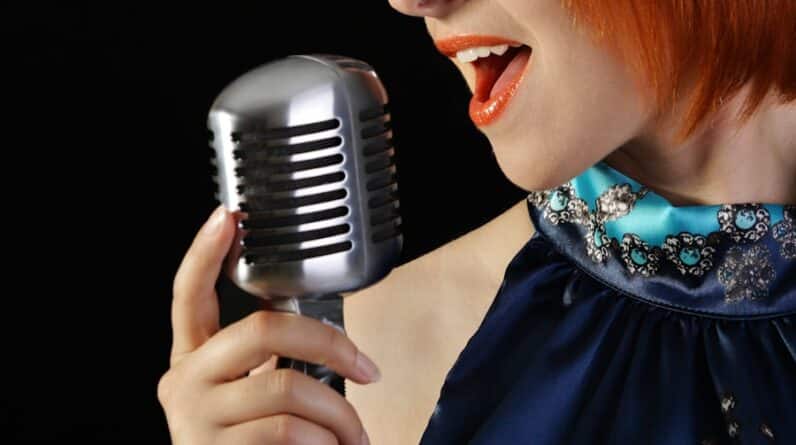
The way you hold the microphone plays a crucial role in how effectively you can project your voice and connect with your audience. You might think that simply gripping the mic is enough, but there’s an art to it. Ideally, you should hold the microphone with a relaxed grip, using your dominant hand while allowing your fingers to wrap around the handle without squeezing too tightly.
This approach not only prevents fatigue during long performances but also minimizes unwanted handling noise that can distract from your vocals. Furthermore, consider the angle at which you hold the microphone. Positioning it slightly off-axis can help reduce plosive sounds—those explosive consonants like “p” and “b” that can cause distortion.
Experimenting with different grips and angles will help you find what feels most comfortable while also producing the best sound quality. Remember, the goal is to create a natural flow in your performance, and how you hold the microphone is a key component of that.
Adjusting the Microphone Position
Once you’ve mastered how to hold the microphone, the next step is learning how to adjust its position for optimal sound capture. The distance between your mouth and the microphone can significantly affect the tonal quality of your voice. If you’re too far away, your vocals may sound thin and distant; too close, and you risk overwhelming the mic with volume and distortion.
A good rule of thumb is to maintain a distance of about six inches from the microphone while adjusting based on your vocal dynamics. In addition to distance, consider the height of the microphone as well. Ideally, it should be positioned at mouth level to ensure that your voice is captured clearly without having to strain or bend awkwardly.
If you’re performing with a band or in a group setting, be mindful of how other instruments may affect your sound. Adjusting the microphone position not only enhances your vocal clarity but also allows for better blending with other sounds on stage.
Using the Microphone to Enhance Vocal Performance
Your microphone is not just a tool for amplification; it can also be an instrument for enhancing your vocal performance. By utilizing various techniques such as dynamics control and vocal modulation, you can create a more engaging experience for your audience. For instance, if you’re singing softly during a ballad, bringing the microphone closer can help capture those delicate nuances without losing clarity.
Conversely, when belting out powerful notes, pulling back slightly can prevent distortion while still allowing your voice to shine. Additionally, experimenting with vocal effects through the microphone can add depth to your performance. Many modern microphones come equipped with built-in effects or can be connected to external processors that allow for reverb or echo.
These effects can create an atmospheric quality that enhances emotional delivery. However, it’s essential to use these tools judiciously; overdoing it can detract from the authenticity of your performance. Striking a balance between enhancement and authenticity will elevate your vocal delivery and leave a lasting impression on your audience.
Dealing with Feedback and Distortion

One of the most frustrating challenges performers face is dealing with feedback and distortion during live performances. Feedback occurs when sound from speakers re-enters the microphone, creating an unpleasant loop that can disrupt your performance. To combat this issue, it’s crucial to be aware of your surroundings and position yourself strategically on stage.
Keeping the microphone away from speakers and monitoring levels before going live can help minimize feedback risks. If feedback does occur, don’t panic; there are ways to manage it effectively. You can adjust the equalization settings on your mixer or use a feedback eliminator device if available.
Additionally, learning how to control your vocal volume can make a significant difference; projecting your voice without straining will help maintain clarity while reducing the chances of feedback. By being proactive and prepared, you can navigate these challenges smoothly and keep your performance on track.
Utilizing Microphone Techniques for Recording
In a recording studio setting, microphone techniques take on an entirely different dimension compared to live performances. Here, capturing every detail of your voice is paramount, and understanding how to position the microphone relative to sound sources becomes essential. For instance, using multiple microphones for different vocal layers can create a richer soundscape in recordings.
Experimenting with mic placement—such as using close-miking techniques or room miking—can yield varied results that enhance the overall quality of your recordings. Moreover, consider how different environments affect sound capture during recording sessions. A room with hard surfaces may create unwanted reflections that muddy your vocals, while a treated space can provide clarity and warmth.
Utilizing techniques like acoustic panels or portable vocal booths can help mitigate these issues and ensure that your recordings are polished and professional. By mastering these techniques in a studio setting, you’ll be well-equipped to produce high-quality audio that showcases your talent.
Tips for Improving Microphone Technique
Improving your microphone technique is an ongoing journey that requires practice and dedication. One effective way to enhance your skills is by recording yourself regularly during practice sessions. Listening back allows you to identify areas for improvement—whether it’s adjusting your distance from the mic or refining how you project your voice.
This self-assessment will help you become more aware of how you sound and what adjustments need to be made. Additionally, seeking feedback from peers or mentors can provide valuable insights into your technique. They may notice things that you overlook or offer suggestions based on their own experiences.
Attending workshops or classes focused on vocal performance and microphone techniques can also be beneficial; learning from professionals in the field will expose you to new methods and approaches that can elevate your skills further. Remember that improvement takes time, so be patient with yourself as you work towards mastering this essential aspect of performance. In conclusion, mastering proper microphone technique is crucial for anyone looking to enhance their vocal performance—whether on stage or in a studio setting.
By understanding different types of microphones, holding them correctly, adjusting their position effectively, and utilizing them creatively, you can significantly improve both sound quality and audience engagement. With practice and dedication, you’ll find that these techniques not only enhance your performances but also empower you as an artist in ways you never thought possible.