Singing & Vocal Training

Train Your Voice. Build Better Technique. Sing With More Confidence.

Practical singing and vocal-training guides for beginners, developing singers, performers and students who want to understand how the voice works and practice more effectively.

  • Breath
  • Pitch
  • Resonance
  • Practice

Start With Your Goal

What Would You Like to Improve?

Pick the skill closest to your challenge. Each path starts with the fundamentals and builds from there.

Voice Fundamentals

Singing Is a Skill You Can Develop

Natural ability can help, but singing also involves trainable skills. The goal is a healthier, more controlled, more expressive version of your own voice.

=Better SingingNo single trick builds a voice. Skills develop together.

Learn How the Singing Voice Works

Breath & Pitch

Breath Support and Pitch Come First

Two skills that shape almost everything else you do with your voice.

Breath Support

Breath management is one of the biggest levers in singing. Plan phrases, release air efficiently and keep tension out of the way.

  • Breath management
  • Inhalation
  • Controlled exhalation
  • Phrase planning
  • Rib expansion
  • Tension
  • Sustained notes

Do you need to “sing from the diaphragm”? It’s a common but misunderstood phrase. The diaphragm works automatically, and good breathing coordinates it with the rib cage, abdominal muscles, airflow and posture.

Explore Breath Support →Why Do I Run Out of Breath? →Learn to Sustain Notes →

Pitch Accuracy

Singing in tune takes coordination between hearing, memory and vocal production. A singer’s ears are part of the instrument.

  • Matching one note
  • Simple scales
  • Interval practice
  • Call-and-response
  • Recording yourself

Ear training. Develop pitch recognition, intervals, chords, rhythm and melodic memory alongside your singing.

Improve Pitch Accuracy →Explore Ear Training →

Free Singing Guide

Build a Better Singing Practice in Just 15–20 Minutes a Day.

Download our free 7-Day Better Singing Practice Plan with structured exercises for breath, pitch, resonance, range and song practice.

  • Warm-up routine
  • Breath exercises
  • Pitch practice
  • Range exercises
  • Song practice
  • Daily progress notes
  • Vocal-care reminders

We respect your privacy. Unsubscribe anytime.

By submitting this form, you agree to receive the requested guide and occasional singing and vocal-training information. You may unsubscribe at any time. See our Privacy Policy.

Range & Registers

Chest, Head, Mix and Falsetto, Explained Plainly

Understand registration and range without myths, and develop both gradually.

Don’t chase range at the expense of comfort, tone, stability or vocal health. A noticeable break between registers is common, and training may help smooth the transition.

Explore Vocal Range

Practice

Better Practice Isn’t Just Singing Longer

Use specific goals, focused exercises, recordings, repetition, rest and feedback.

15-Minute Singing Practice

  1. 3minGentle warm-up
  2. 4minTechnique
  3. 4minPitch and range work
  4. 4minSong application

Quality matters more than simply accumulating minutes.

30-Minute Singing Practice

  1. Warm-up
  2. Breath and pitch work
  3. Technical exercise
  4. Repertoire
  5. Cool-down or reflection

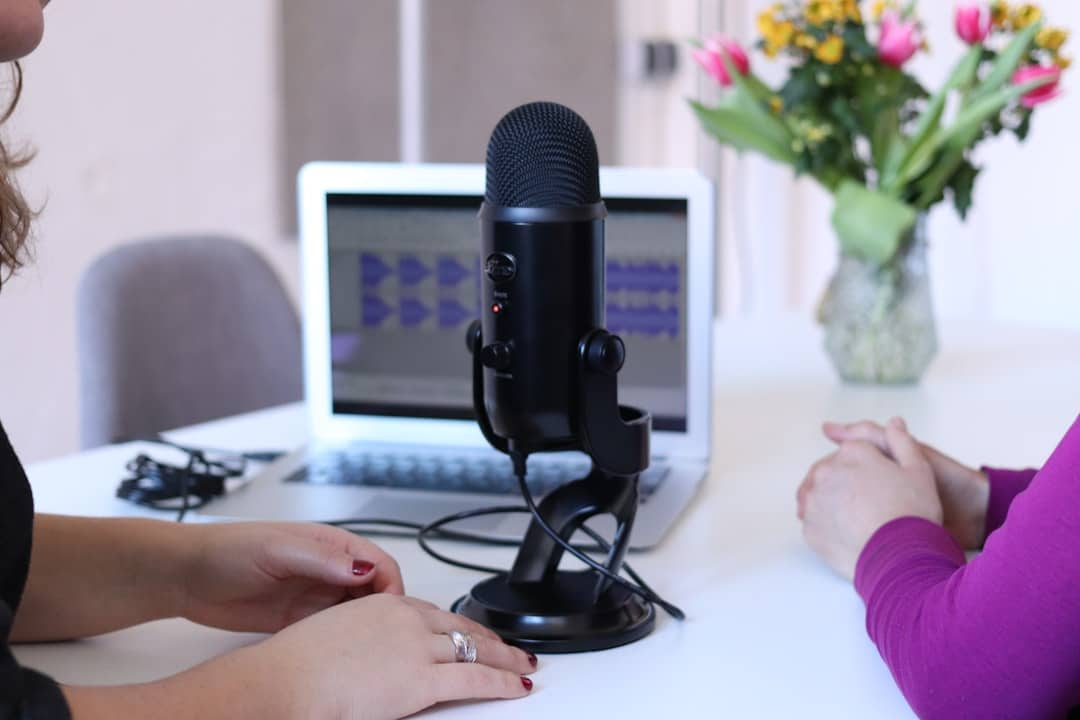
Record yourself. It can reveal pitch, diction, breathing, phrasing and tone. Your recording may sound unfamiliar because recorded sound differs from how you hear your voice internally.

Build a Vocal Practice Routine

Singing Styles

Find the Technique Behind Your Style

Nine style hubs, each with its own approach to tone, phrasing and register.

Each style has its own tone, phrasing, diction, register use and conventions. Voices aren’t “good” or “bad” for being bright, warm, breathy, clear or dark.

Vocal Health

A Better Voice Should Also Be a Healthier Voice.

Technique and vocal care belong together. Never sing through pain or force extreme notes.

Explore Vocal Health

Singing Courses

Want a More Structured Way to Learn?

Courses can add structure and feedback. We teach you how to compare them, with no giant affiliate carousels.

How we compare programs

We don’t promise a “professional voice in 7 days”, an octave overnight or guaranteed perfect pitch. Courses are compared on teaching quality and fit.

Affiliate disclosure. Some links on HowToSingBetter.Guide may be affiliate links. If you purchase a course, program, book, or product through a qualifying link, we may earn a commission at no additional cost to you. Recommendations are based on relevance to the educational topic and are not guarantees of vocal results.

Compare Singing Courses

Local Voice Lessons

Want Personalized Voice Lessons?

Explore singing teachers, vocal coaches, music schools and voice-lesson programs by location.

Guides, not endorsements. Future listings will be labeled Verified (details checked), Claimed profile (managed by the teacher or school) or Featured (sponsored visibility). Featured never implies superior teaching.

Find Voice Lessons Near You

FAQ

Frequently Asked Questions

General singing education only. Persistent voice symptoms deserve professional evaluation.

Can anyone learn to sing better?

Natural ability can help, but singing also involves trainable skills like breath, pitch, range, tone and diction. Most people can improve with structured, consistent practice.

Do I need to “sing from the diaphragm”?

The phrase is misunderstood. The diaphragm works automatically in breathing, and good singing coordinates it with the rib cage, abdominal muscles, airflow and posture.

Why do I run out of breath while singing?

Common reasons include inefficient breaths, releasing too much air, poor phrase planning, unnecessary tension or phrases beyond your current ability.

Do I need to warm up every time?

Warm-ups can help before singing, rehearsals and performances. Length and intensity vary with the singer and the activity, and a warm-up should prepare the voice rather than tire it.

How long should I practice each day?

A focused 15–20 minutes with clear goals can be more useful than a long unfocused session. Rest matters too.

Can adults and older singers improve?

Yes. You don’t need to start as a child, and age doesn’t automatically prevent improvement. Consistent practice, thoughtful warm-ups and appropriate repertoire help.

Why does my recording sound different?

Recorded sound differs from how you hear your own voice internally, so it can feel unfamiliar. It’s still a useful practice tool.

When should I see a doctor about my voice?

Persistent hoarseness, voice loss, pain or a sudden major change should be evaluated by an appropriate healthcare professional such as an ENT or voice-specialist speech-language pathologist.


Free Practice Plan

Before You Go, Get the Free 7-Day Better Singing Practice Plan

We respect your privacy. Unsubscribe anytime.

You can unsubscribe at any time. See our Privacy Policy.

Latest Singing Guides

Breath, pitch, range, resonance, registers, practice, vocal health and styles