Are you a man looking to improve your singing skills? Look no further! In this article, you will discover some valuable tips and techniques to help you become a better singer. From breathing exercises to vocal warm-ups, we’ll cover everything you need to know in order to enhance your singing abilities. So, whether you’re a beginner or already have some experience, get ready to take your singing to the next level and impress everyone with your vocal talents!

Breathing Techniques
Diaphragmatic Breathing
One of the fundamental techniques for better singing is diaphragmatic breathing. This technique involves using your diaphragm, a dome-shaped muscle located beneath the lungs, to control your breath. To practice diaphragmatic breathing, start by placing one hand on your chest and the other on your abdomen. Take a deep breath in through your nose, allowing your abdomen to expand as you fill your lungs with air. As you exhale, feel your abdomen gently contract. This technique helps to ensure that you have a steady and controlled flow of air while singing, allowing you to have better breath support and improved vocal control.
Controlled and Steady Breaths
In addition to diaphragmatic breathing, it is important to focus on maintaining controlled and steady breaths while singing. This means avoiding shallow or irregular breathing patterns that can disrupt your vocal performance. When you have control over your breath, you can sustain longer phrases and hit higher notes with ease. Practice taking in enough air to support each phrase of a song and release the breath gradually. Through consistent practice, you will develop the ability to regulate your breath and sing more effortlessly.
Proper Posture for Optimal Breathing
Your posture plays a crucial role in optimizing your breathing for singing. Stand or sit up straight, ensuring your spine is aligned and your shoulders are relaxed. Keep your chin parallel to the ground, avoiding any tension in your neck or throat. By maintaining proper posture, you allow your lungs to fully expand and your vocal apparatus to function optimally. This enables you to take in deep breaths and have better control over your voice. Remember, good posture contributes to good singing!
Vocal Warm-ups
Lip Rolls
Lip rolls are an excellent warm-up exercise that can help relax and prepare your vocal muscles. To do this exercise, close your lips lightly and blow air out while making a buzzing sound. Start with gentle vibrations and gradually increase the intensity. Lip rolls help to warm up your lips, jaw, and the surrounding muscles, allowing for more fluid and relaxed singing. It also helps to promote better airflow and resonance.
Humming
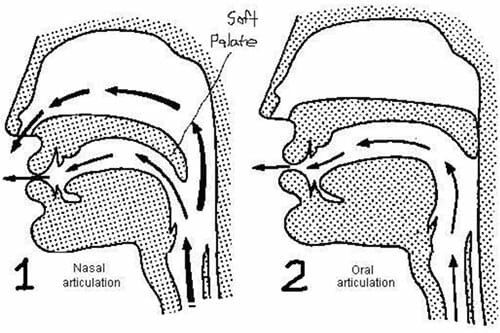
Humming is another effective vocal warm-up technique. Simply close your lips and make a humming sound, focusing on feeling the vibrations in your face and nasal area. Humming exercises help to warm up your vocal cords, improve resonance, and promote proper breath control. It also helps to loosen up the muscles responsible for producing sound in your upper vocal range, making it easier to reach those high notes! Incorporate humming into your warm-up routine to enhance your vocal performance.
Tongue Trills
Tongue trills are a fun and beneficial warm-up exercise that can help improve tongue flexibility and overall vocal control. To do tongue trills, rest the tip of your tongue behind your bottom teeth and blow air through your mouth, causing your tongue to vibrate. This exercise not only helps to warm up your tongue muscles but also promotes better breath control and coordination between your airflow and vocal production. It is a great exercise to incorporate before starting any vocal practice or performance.
Sirens
Sirens are a vocal warm-up exercise that focuses on exploring your vocal range. To do a siren, start at a comfortable pitch and glide smoothly up and down your range, mimicking the sound of a siren. This exercise helps to warm up your vocal folds, loosen any tension, and expand your vocal range. It also allows you to explore different registers and improve your pitch accuracy. Incorporate sirens into your warm-up routine to prepare your voice for a dynamic and versatile performance.
Ascending and Descending Scales
Ascending and descending scales are essential warm-up exercises for developing vocal agility and accuracy. Start by singing a scale starting from the lowest note of your range and gradually working your way up to the highest note. Then, reverse the process and sing the scale back down. This exercise helps to warm up your entire vocal range, improve your pitch control, and develop flexibility in transitioning between different notes. Practice ascending and descending scales regularly to strengthen your voice and improve your overall singing skills.
Proper Vocal Hygiene
Stay Hydrated
Staying hydrated is crucial for maintaining optimal vocal health. Drink plenty of water throughout the day to keep your vocal cords well-lubricated. Dry vocal cords can lead to irritation, vocal strain, and a reduced ability to produce clear and resonant sound. Hydration also helps to minimize mucus production, which can affect your vocal clarity. Make it a habit to carry a water bottle with you wherever you go, and remember to take regular sips to keep your voice in top shape.
Avoid Excessive Talking or Screaming
Excessive talking or screaming can put a strain on your vocal cords and lead to vocal fatigue or even injury. Limiting your vocal use during periods of rest and avoiding situations that require you to strain your voice can help maintain the health and longevity of your singing voice. If you need to communicate in noisy environments, consider using amplification devices or practicing vocal projection techniques to avoid excessive strain.
Avoid Smoking and Excessive Alcohol Consumption
Smoking and excessive alcohol consumption can have detrimental effects on your vocal health. Smoking irritates the vocal cords and can lead to chronic coughing, hoarseness, and a higher risk of developing vocal cord nodules or other vocal pathologies. Alcohol can dehydrate your body, including your vocal cords, leading to a decreased ability to produce clear and controlled sound. Avoiding these habits will significantly contribute to the health and longevity of your voice.
Avoid Caffeine and Dairy Before Singing
Caffeine and dairy products can have adverse effects on your vocal health. Caffeinated beverages, such as coffee or energy drinks, can dehydrate your body and cause excess mucus production, which can affect your vocal clarity. Dairy products can increase mucus production and create a coating on your vocal cords, making it harder to produce clear and resonant sound. Consider avoiding or minimizing caffeine and dairy consumption before singing to ensure optimal vocal performance.
Rest Your Voice When Feeling Strained
If you feel strain or fatigue in your voice, it is essential to give yourself enough rest and recovery time. Continuing to push through vocal strain can lead to further damage and hinder your progress. Resting your voice allows your vocal cords to recover and rejuvenate, ensuring that you can sing with optimal technique and prevent any potential vocal problems. Be mindful of your vocal health and listen to your body’s signals to avoid vocal overuse and potential damage.
Pitch and Tone Control
Ear Training Exercises
Ear training exercises are essential for improving your pitch accuracy and tone control. These exercises help train your ears to recognize and reproduce different pitches and intervals. One example of an ear training exercise is singing along to a melodic pattern played on a piano or another instrument. Start by matching your voice to each note, gradually increasing the difficulty of the patterns as your skills improve. Regular ear training exercises will enhance your ability to sing in tune and develop a keen sense of pitch.
Understanding Vocal Registers
Understanding your vocal registers is key to achieving optimal pitch and tone control. Vocal registers refer to different areas of your vocal range, each with its unique qualities and characteristics. The main registers include the chest voice, head voice, and mixed voice. Chest voice tends to be lower and richer in tone, while head voice is higher and more resonant. Mixed voice combines elements of both registers to achieve a balanced and efficient vocal production. Developing an understanding of your vocal registers allows you to navigate your range smoothly and effectively control your pitch and tone.
Developing Control and Accuracy
Developing control and accuracy in your singing requires consistent practice and targeted exercises. Start by focusing on simple melodic patterns and gradually increase the complexity as you become more comfortable. Practice singing scales, arpeggios, and intervals to improve your precision and control over pitch. Additionally, work on sustaining notes for an extended period, gradually increasing the length as you develop better breath control. With regular practice, you will develop the ability to sing with precise pitch and accurate tone.
Singing in Different Keys and Octaves
Singing in different keys and octaves is an excellent way to expand your vocal range and improve your pitch control. Experiment with singing songs in higher or lower keys to challenge yourself and explore different parts of your voice. Additionally, practice transposing melodies to different keys to enhance your versatility as a singer. Singing in different octaves also helps develop better pitch accuracy and control as you learn to navigate different vocal registers. By embracing these challenges, you can broaden your vocal capabilities and achieve greater pitch and tone control.
Using Vocal Exercises for Pitch and Tone Improvement
Incorporating specific vocal exercises into your practice routine can greatly improve your pitch and tone control. Exercises such as sirens, lip trills, and ascending/descending scales target various aspects of your voice and allow you to work on specific areas of improvement. These exercises help to develop better breath control, vocal agility, and resonance, which are crucial for achieving optimal pitch and tone. Practice these exercises regularly and customize them to address your specific vocal needs, and you will see significant improvements in your overall singing ability.

Resonance and Projection
Using the Chest and Head Voices Effectively
Utilizing both the chest voice and head voice effectively is crucial for achieving resonance and projection. The chest voice is characterized by a deep and full tone, while the head voice produces a more resonant and lighter tone. By learning to blend and transition smoothly between these two registers, you can achieve a balanced and powerful sound. Practice exercises that focus on connecting your chest voice to your head voice, such as vocal sirens or octave slides. This will help you develop a strong and resonant vocal quality.
Developing Resonance in Various Vocal Registers
Resonance refers to the amplification and enhancement of your vocal sound. Developing resonance in different vocal registers allows you to maximize your vocal potential and achieve a rich and full-bodied tone. One effective exercise for developing resonance is the “ng” sound. Start by humming on the “ng” sound, feeling the vibrations in your nasal and facial areas. Gradually open your mouth while maintaining the resonance, allowing the sound to resonate in different parts of your vocal tract. This exercise helps to unlock resonance in different registers and create a more vibrant and projected vocal sound.
Using Facial and Body Expressions for Projection
Facial and body expressions play a significant role in projecting your voice effectively. By engaging your facial muscles and using dynamic body movements, you can enhance the power and resonance of your voice. Smile while singing to open up your vocal tract and create a more vibrant sound. Use your body to express the emotion of the song, allowing your physical movements to complement the sound you are producing. These expressions not only help with vocal projection but also enhance your overall stage presence and connection with the audience.
Focusing Sound Through Proper Placement
Proper placement of your sound is essential for achieving optimal resonance and projection. Imagine your voice as a beam of energy that needs to be precisely directed. Practice engaging specific resonators, such as your chest, nasal, or head cavities, to achieve the desired tone color and projection. Experiment with different vowel modifications and mouth shapes to find the sweet spot that resonates best for each note and phrase. By focusing your sound through proper placement, you can project your voice more effectively and create a captivating and powerful vocal presence.
Articulation and Diction
Exercises for Pronunciation and Clarity
Clear and precise articulation is crucial for effective communication through singing. Articulation refers to the way you form and pronounce consonant sounds while singing. Exercise your articulation by practicing various consonant sounds and combinations, focusing on clarity and precision. Repeat tongue twisters and exercises that challenge your ability to enunciate words accurately. Strenuous articulation exercises will help improve your overall diction and ensure that your lyrics are understood by your audience.
Practicing Tongue Twisters
Tongue twisters are excellent tools for refining your articulation and diction. They involve sequences of words or sounds that are challenging to pronounce quickly and accurately. By practicing tongue twisters regularly, you can train your tongue, lips, and jaw to articulate words more effectively. Start with simple tongue twisters and gradually progress to more complex ones as you become more comfortable. This fun and engaging exercise will enhance your ability to enunciate clearly and articulate words precisely while singing.
Using Consonants and Vowels Effectively
Both consonants and vowels are essential in shaping your vocal sound and conveying the meaning of your lyrics. Consonants help define the beginning and ending of words, while vowels carry the melody and emotional expression of a song. Practice singing with a clear and well-defined consonant sound while sustaining a resonant and open vowel sound. Ensure that your consonants are not overly harsh or abrupt, and your vowels are properly formed and sustained. A balanced combination of consonant and vowel sounds will result in a more articulate and expressive vocal performance.
Modifying Pronunciation for Different Genres
Different genres of music often demand specific vocal stylings and pronunciation. Adapting your pronunciation to fit the style and character of a song can greatly enhance your performance. Pay attention to the unique vocal characteristics of different genres and artists. For example, certain styles may require a more rounded or nasally sound, while others call for a crisp and precise articulation. Study and imitate the vocal nuances of artists in your desired genre to develop the appropriate pronunciation and bring authenticity to your vocal performance.

Emotional Connection and Expression
Interpreting Song Lyrics
Interpreting song lyrics is essential for establishing an emotional connection with your audience. Take the time to understand the meaning and story behind the lyrics of a song. Ask yourself what emotions the lyrics convey and how you can best convey them through your voice. Experiment with different dynamics, vocal inflections, and phrasing to bring out the intended emotions in your performance. By connecting deeply with the lyrics, you will be able to convey the intended message and touch the hearts of your listeners.
Connecting with the Emotions Behind the Song
To truly connect with your audience, it is crucial to tap into the emotions behind the song. Think about personal experiences or memories that resonate with the lyrics and emotions of the music. Allow yourself to feel the emotions as you sing, letting them flow through your voice and body. This authenticity and vulnerability will create a genuine and impactful connection with your audience. Remember, connecting emotionally with a song is not only about technical perfection but also about conveying the raw and relatable essence of the music.
Using Facial Expressions and Body Language to Convey Emotions
Facial expressions and body language are powerful tools for conveying emotions and intensifying your performance. Use your facial expressions to mirror the emotions conveyed in the lyrics, allowing your audience to see and feel the intensity of your emotions. Engage your whole body in the performance, using gestures and movements that complement the mood of the song. By synchronizing your facial expressions, body language, and vocal delivery, you create a multi-dimensional and captivating performance that leaves a lasting impression on your audience.
Utilizing Dynamics and Phrasing
Dynamics and phrasing play a significant role in conveying the emotional nuances and subtleties of a song. Experiment with different volume levels, from soft and intimate to powerful and intense, to create contrast and highlight specific moments in the music. Utilize dynamic changes to emphasize key lyrics or build anticipation towards a climactic moment in the song. Additionally, pay attention to the phrasing of the lyrics and breathe at strategic moments to enhance the musical flow and capture the emotional essence of the song. A thoughtful and expressive approach to dynamics and phrasing will elevate your vocal performance and captivate your audience.
Range Expansion
Exercises for Expanding Vocal Range
Expanding your vocal range requires targeted exercises that challenge and stretch your voice. Start by singing scales and exercises that gradually move higher or lower, exploring different areas of your voice. Work on extending your upper and lower limits by gradually pushing yourself to sing notes at the extremes of your range. Vocal exercises such as sirens and ascending/descending arpeggios can also help expand your vocal range. It is essential to approach range expansion gradually and with proper technique to avoid strain or injury.
Working on the Passaggio (Transition Points)
The passaggio refers to the transition points between different vocal registers or areas of your voice. These transition points can be challenging, as they require adjustments in vocal mechanism and technique. Working on specific passaggio exercises, such as glissandos or scale runs, can help smooth out these transitions and expand your vocal range seamlessly. It is essential to approach these exercises with patience and proper technique to avoid strain or tension.
Exploring Falsetto or Head Voice
Falsetto, also known as head voice, refers to the higher range of your voice beyond your chest voice. Developing and exploring your falsetto can significantly expand your vocal range and add versatility to your singing. Start by practicing gentle and controlled vocal sirens or ascending scales in your falsetto range. Over time, with proper technique and practice, you will gain better control and power in your falsetto, allowing you to access higher notes with ease.
Strengthening the Lower Range
While expanding your high range is often a popular focus, it is equally important to strengthen your lower range. Begin by practicing exercises that target your low range, such as descending scales or specific pitch glides. Pay attention to proper breath support and vocal placement as you explore the lower part of your voice. With consistent practice, you can build strength and control in your lower range, expanding the overall depth and richness of your vocal capabilities.
Posture and Body Alignment
Standing Tall and Relaxed
Maintaining good posture while singing is essential for optimal breath control and vocal production. Stand tall with your shoulders relaxed and your chest slightly lifted. Avoid slouching or excessive tension in your upper body. Allowing your body to be in a neutral and relaxed position promotes better airflow and supports healthy vocal technique. By standing tall and relaxed, you create a solid foundation for producing clear and resonant sound.
Balancing Weight Evenly
When standing or sitting, it is important to distribute your weight evenly across both feet or your sitting bones. This balanced weight distribution helps promote stability and freedom in your body, allowing for more effortless singing. Avoid leaning excessively to one side or favoring one leg, as this can lead to imbalances and compromised vocal support. Practice maintaining an even weight distribution to improve your overall posture and vocal performance.
Avoiding Tension in the Neck and Shoulders
Tension in your neck and shoulders can restrict the natural movement and freedom of your vocal mechanism. Be mindful of any tension in these areas while singing and consciously release it. Stand or sit with your shoulders relaxed, avoiding any unnecessary raising or scrunching of the shoulders. Practice gentle neck stretches and shoulder rolls before singing to release any built-up tension. By maintaining a relaxed and tension-free neck and shoulders, you create a conducive environment for optimal vocal production.
Aligning the Spine and Engaging Core Muscles
Aligning your spine and engaging your core muscles are crucial for maintaining proper posture and supporting your breath control. Imagine a string pulling the crown of your head upward, lengthening your spine. Visualize your abdominal muscles gently hugging inward to provide stability and support. Engaging your core promotes better breath control and overall vocal stability. Practice exercises that target your core muscles, such as Pilates or yoga, to develop strength and stability in your posture for improved vocal performance.
Vocal Technique
Developing Good Breath Control
Good breath control is the foundation of excellent vocal technique. Practice exercises such as diaphragmatic breathing, sustained note exercises, or practicing phrases while gradually releasing air, to improve your breath control. Focusing on breath support and efficient airflow allows you to sustain notes, reach high or low notes with ease, and project your voice effectively. Regular practice of breath control exercises will result in better vocal stability and overall vocal technique.
Avoiding Excessive Vocal Strain
Vocal strain can occur when you push your voice beyond its limits or sing with improper technique. To avoid vocal strain, listen to your body and be mindful when practicing or performing. Allow yourself to rest if you feel any discomfort or strain in your voice. Work on proper vocal technique, including breath control, vocal resonance, and vocal placement, to reduce strain and promote a healthy singing voice. Remember, it is better to sing with ease and control rather than forcing your voice and risking injury.
Working on Vocal Agility
Vocal agility refers to your ability to move quickly and accurately between different notes and pitches. Developing vocal agility requires practicing specific exercises that challenge your ability to transition smoothly and precisely. Practice scales, arpeggios, and melodic patterns that cover different intervals to improve your vocal agility. Start slowly and gradually increase the speed as you become more comfortable and confident. With consistent practice, you will enhance your vocal dexterity and be able to execute fast and intricate vocal passages with ease.
Understanding Dynamics and Different Vocal Styles
Understanding dynamics and different vocal styles allows you to adapt your technique and expression to various musical genres. Dynamics refer to the variation in volume and intensity within a song, while different vocal styles require specific vocal techniques and characteristics. Study and listen to artists from different genres to familiarize yourself with their unique vocal stylings. Experiment with adjusting your dynamics, tone color, and articulation to match different musical styles. This versatility and understanding of dynamics and vocal styles will make you a well-rounded and adaptable singer.
Learning Proper Vowel Placement
Proper vowel placement is essential for achieving clear and resonant vocal tone. Each vowel requires a specific vocal and articulatory adjustment to achieve optimal resonance. Practice exercises that focus on each vowel separately, ensuring that your tongue, jaw, and lips are properly positioned to create the desired vowel sound. Record yourself and listen for any inconsistencies or muffled sounds in your vowel production, making the necessary adjustments. By mastering proper vowel placement, you can produce a clear and resonant vocal tone that captures your audience’s attention.
In conclusion, singing better as a man requires a comprehensive approach that includes breathing techniques, vocal warm-ups, proper vocal hygiene, pitch and tone control, resonance and projection, articulation and diction, emotional connection and expression, range expansion, posture and body alignment, and mastering vocal technique. By incorporating these elements into your practice routine and maintaining a consistent and disciplined approach, you can enhance your singing abilities and captivate your audience with your vocal performances. Remember, it takes time, patience, and dedication, but with the right mindset and approach, you can achieve significant improvements in your singing skills.


