
If you’ve always wanted to improve your singing voice but don’t have the luxury of time or patience, fret not! This article is here to guide you on how to sing better immediately. Whether you’re a shower singer, karaoke enthusiast, or aspiring performer, these practical tips and exercises will help you unlock your vocal potential in no time. Say goodbye to the days of singing off-key and hello to a voice that commands attention and admiration. Get ready to transform your singing abilities right from the very first note!

Vocal Warm-up Exercises
Breathing Exercises
Before you start singing, it’s important to warm up your vocal cords and muscles. One of the most crucial aspects of vocal warm-up is proper breathing. Deep breathing exercises help relax and prepare your diaphragm for singing. Take a moment to focus on your breath, inhaling deeply through your nose and exhaling through your mouth. This helps remove tension and allows for better air control while singing.
Lip and Tongue Exercises
To further warm up your vocal muscles, incorporate lip and tongue exercises into your routine. Practice sliding your lips in various movements, like making buzzing sounds or mimicking a motorboat. These exercises help to increase flexibility in your lips, ensuring clear pronunciations during singing. Additionally, tongue exercises, such as rolling your tongue or saying tongue twisters, can improve articulation and increase your vocal range.
Vocal Range Exercises
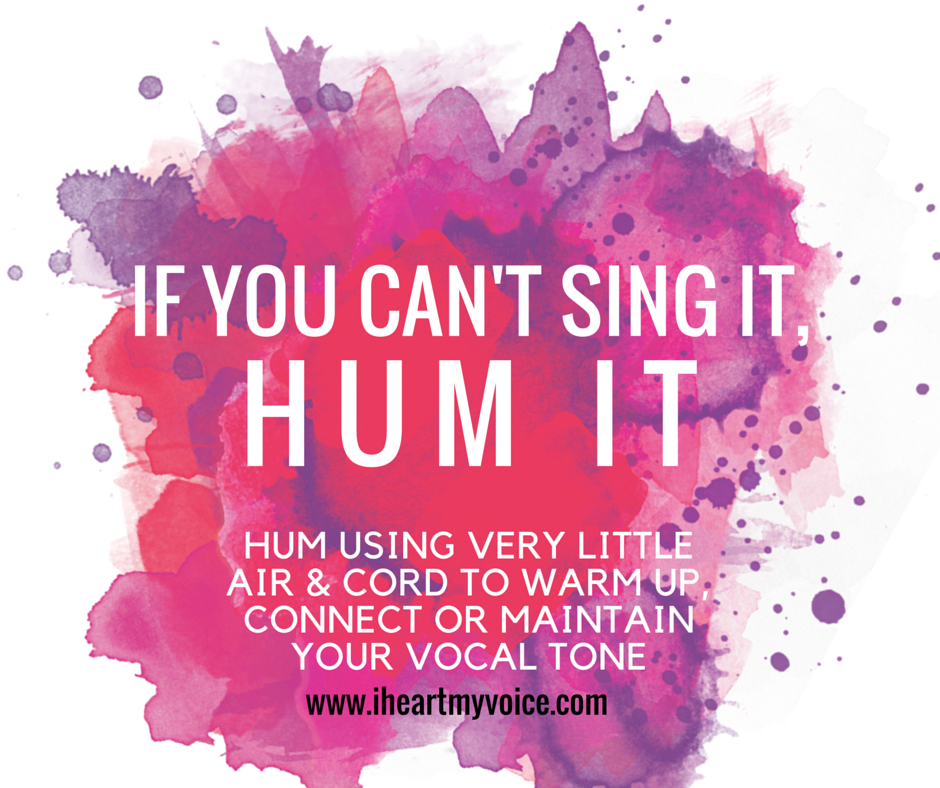
Expanding your vocal range is a key aspect of improving your singing ability. Start by humming gentle scales, gradually moving up and down in pitch. This exercise helps to warm up your vocal range and increase flexibility in transitioning between notes. Progress to singing vowel sounds on different scales, from low to high, and vice versa. Continuous practice of these exercises will help you reach higher or lower notes with ease and confidence.
Posture and Body Alignment
Maintaining Proper Posture
Your posture plays a significant role in your singing technique and overall vocal performance. Stand with your feet shoulder-width apart, ensuring your bodyweight is evenly distributed. Keep your shoulders relaxed and slightly back, while maintaining a straight spine. This posture allows for proper airflow and prevents unnecessary strain on your vocal cords. By maintaining good posture, you’ll have better breath control and a stronger, more resonant voice.
Aligning the Body
In addition to maintaining proper posture, aligning your body correctly can greatly improve your singing. Imagine a straight line running from the top of your head to the soles of your feet. This alignment helps to ensure that your breath flows freely and that your vocal cords are not strained. By aligning your body, you create a stable foundation for your singing, allowing for improved vocal control and projection.

Correct Breathing Techniques
Diaphragmatic Breathing
Diaphragmatic breathing is essential for singing. It involves breathing deeply, utilizing the diaphragm muscle below your ribcage. To practice this technique, place one hand on your chest and the other on your abdomen. Breathe in through your nose, allowing your belly to rise as you inhale, while keeping your chest relatively still. As you exhale through your mouth, focus on the feeling of your diaphragm gently pushing the air out. Diaphragmatic breathing ensures a more efficient use of air, improving vocal support, and control.
Avoiding Shallow Breaths
Shallow breathing can limit your vocal abilities and cause strain on your vocal cords. Often, we tend to take quick, shallow breaths that do not fully support our singing. Practice deep inhalation and exhalation, allowing your abdomen to expand and contract naturally. Avoid lifting your shoulders when breathing, as this indicates shallow breaths. By consciously focusing on taking deep breaths, you provide your vocal cords with the necessary support and avoid strain, allowing for a more powerful and controlled voice.
Resonance and Voice Placement
Finding Your Resonance Points
Resonance refers to the vibrations produced in your chest, throat, and head when you sing. To find your resonance points, place your hand on your chest, hum a low pitch, and feel the vibrations. Then, move your hand to your throat and hum in a comfortable range. You should feel the vibrations resonating here as well. Finally, place your hand on your forehead and hum a high pitch. Pay attention to the vibrations you feel here. The ability to control your resonance points allows you to produce a fuller and more resonant sound.
Placing Your Voice Forward
By placing your voice forward, you can improve your projection and overall sound. This involves creating a connection between your vocal cords and your mask area, which includes your sinuses, cheekbones, and nasal passages. Imagine focusing your sound towards the front of your face and try singing with a lifted soft palate. Experiment with various vowel sounds and see how the placement changes the quality and clarity of your voice. This technique ensures a more vibrant and impactful sound when you sing.
Understanding Vocal Registers
Identifying Chest Voice
Chest voice is the lower, richer range of your vocal registers. It is the sound produced when you speak in your natural voice. To identify your chest voice, try speaking with a deeper and fuller tone. This part of your voice is essential for singing with power and depth. Practice exercises that focus on the lower range of your voice, gradually expanding your chest voice to higher notes. Developing control and strength in your chest voice allows you to sing with a more authentic and resonant sound.
Developing Head Voice
Head voice refers to the higher register of your vocal range, showcasing a lighter and more ethereal sound. To access your head voice, try making soft, high-pitched “ooo” or “ee” sounds. Practice scales and exercises that target your upper range, gradually building strength and control in your head voice. Developing your head voice allows you to hit higher notes with ease and create a dynamic contrast in your singing.
Blending Chest and Head Voice
Learning to blend your chest and head voices is crucial for achieving a well-rounded and versatile sound. Begin by singing simple scales, starting in your chest voice and gradually transitioning to your head voice as you ascend in pitch. Pay attention to your vocal resonance and focus on creating a smooth and seamless connection between the two registers. With practice, you’ll be able to navigate between your chest and head voices effortlessly, allowing for greater expressiveness and musicality.
Improving Pitch Accuracy
Ear Training
Ear training is a fundamental aspect of developing your pitch accuracy. Practice pitch recognition exercises using a piano or a pitch recognition app. Start by listening to a note, then try to match it with your voice. Gradually progress to more complex intervals and chords. By training your ear, you’ll be able to detect and correct any pitch inaccuracies, resulting in a more precise and melodious singing.
Using Vocal Exercises for Pitch
Incorporate specific vocal exercises into your practice routine to improve your pitch accuracy. Work on ascending and descending scales, focusing on hitting each note precisely. Practice intervals and do octave jumps to expand your vocal range and ensure accurate pitch control. Additionally, incorporate melodic exercises that challenge your ability to stay on pitch. Consistent practice of these exercises will greatly enhance your pitch accuracy and overall singing performance.

Articulation and Pronunciation
Clearing Speech
Clear articulation and pronunciation are essential for conveying lyrics effectively. Warm up your articulatory muscles by enunciating consonants and vowels clearly. Work on speaking exercises that focus on proper tongue, lip, and jaw movement. Pay attention to diction and ensure each word is pronounced crisply and precisely. Clarity in speech leads to clarity in singing, allowing your audience to fully understand and appreciate the message behind the lyrics.
Exercises for Tongue and Jaw
Enhancing your articulation and pronunciation involves engaging the muscles in your tongue and jaw. Practice tongue twisters and consonant-vowel combinations that challenge your diction and require precise tongue movements. Incorporate jaw exercises, like opening and closing your mouth in an exaggerated manner, to improve flexibility and eliminate tension. These exercises will help you articulate words clearly and with ease, resulting in a more polished and professional vocal performance.
Emotional Connection and Expression
Connecting with the Lyrics
To truly captivate your audience, it’s essential to connect emotionally with the lyrics you’re singing. Take the time to understand the meaning and story behind the lyrics. Reflect on how the words resonate with your own experiences or emotions. By establishing a personal connection with the lyrics, you’ll be able to convey genuine emotion through your voice, captivating and moving your listeners.
Expressing Emotions through Singing
Once you’ve connected with the lyrics, it’s important to express those emotions through your singing. Experiment with different vocal techniques, such as dynamics, vibrato, and phrasing, to enhance the emotional impact of your performance. Allow yourself to be vulnerable and let your voice convey the intended emotions. This emotional connection will not only enhance the quality of your singing but also create a powerful and memorable experience for your audience.

Proper Hydration and Vocal Health
Importance of Hydration
Proper hydration is crucial to maintain vocal health and optimal singing performance. Drink plenty of water throughout the day, aiming for at least eight glasses. Avoid excessive caffeine and alcohol consumption, as they can dehydrate your vocal cords. Opt for warm or room temperature water, as cold water can constrict your vocal cords. Adequate hydration ensures that your vocal cords remain lubricated and allows for better vocal control, preventing strain and vocal fatigue.
Tips for Maintaining Vocal Health
In addition to staying hydrated, there are several tips to maintain the health of your vocal cords. Avoid excessive yelling or screaming, as this can lead to vocal strain. Limit your exposure to irritants such as smoke and pollutants. Incorporate vocal rest days into your routine, especially after intense singing or a performance. Avoid straining your voice by practicing proper vocal technique and using your diaphragm for support. By prioritizing vocal health, you’ll be able to sing better and reduce the risk of vocal damage or injury.
Seeking Professional Guidance
Working with a Vocal Coach
To maximize your singing potential and improve rapidly, consider working with a vocal coach. A vocal coach can assess your singing technique, provide personalized feedback, and offer targeted exercises to address your specific needs. They can guide you through proper vocal warm-ups, teach you advanced techniques, and help you overcome any vocal challenges you may face. A professional vocal coach provides valuable expertise and support on your singing journey.
Joining a Choral Group or Choir
Joining a choral group or choir offers numerous benefits for your singing abilities. Singing alongside others allows you to blend your voice harmoniously and develop a keen sense of pitch and timing. Choirs often perform a wide range of music genres, broadening your vocal repertoire and expanding your vocal capabilities. Additionally, the sense of camaraderie and support from fellow singers fosters growth and inspires you to improve your singing. Being part of a choral group or choir is an excellent way to enhance your singing skills while enjoying the beauty of group performances.