
Are you someone who has always dreamed of singing like a professional? Look no further, because in this article, you will discover the secrets to singing your best. From practical tips to exercises that will improve your vocal range, this guide has got you covered. Whether you are an aspiring singer or simply want to enhance your skills, get ready to unlock your true singing potential. Let’s dive right in and discover how to sing your best!
Finding Your Voice
Understanding Your Vocal Range
When it comes to finding your voice as a singer, understanding your vocal range is crucial. Your vocal range refers to the span of notes you can comfortably sing from the lowest to the highest. It is important to know your vocal range as it helps you choose appropriate songs that showcase your strengths and avoid straining your voice. Experiment with different scales and octaves to determine the range in which you feel most comfortable and confident.
Identifying Your Voice Type
Identifying your voice type is another key aspect of finding your unique voice. There are several voice types, including soprano, alto, tenor, and bass. Your voice type is determined by factors such as the timbre and range of your voice. Understanding your voice type can guide you in selecting suitable songs and vocal techniques that complement your natural abilities.
Developing Vocal Stamina
Building vocal stamina is essential for singers who want to perform for extended periods without fatigue. Vocal stamina refers to the ability to sustain consistent vocal quality and power throughout a performance or practice session. To develop vocal stamina, it is important to engage in regular vocal exercises, warm-ups, and practice routines. Gradually increase the duration and intensity of your singing sessions to build endurance over time.
Building Vocal Presence
Vocal presence is the ability to command attention and captivate listeners with the power, emotion, and clarity in your voice. It is about projecting confidence and connecting with your audience on a deeper level. To build vocal presence, focus on techniques such as proper breath control, projection, and emotional expression. Experiment with different vocal dynamics and work on enhancing your stage presence to truly captivate your audience.
Breathing and Posture
Diaphragmatic Breathing
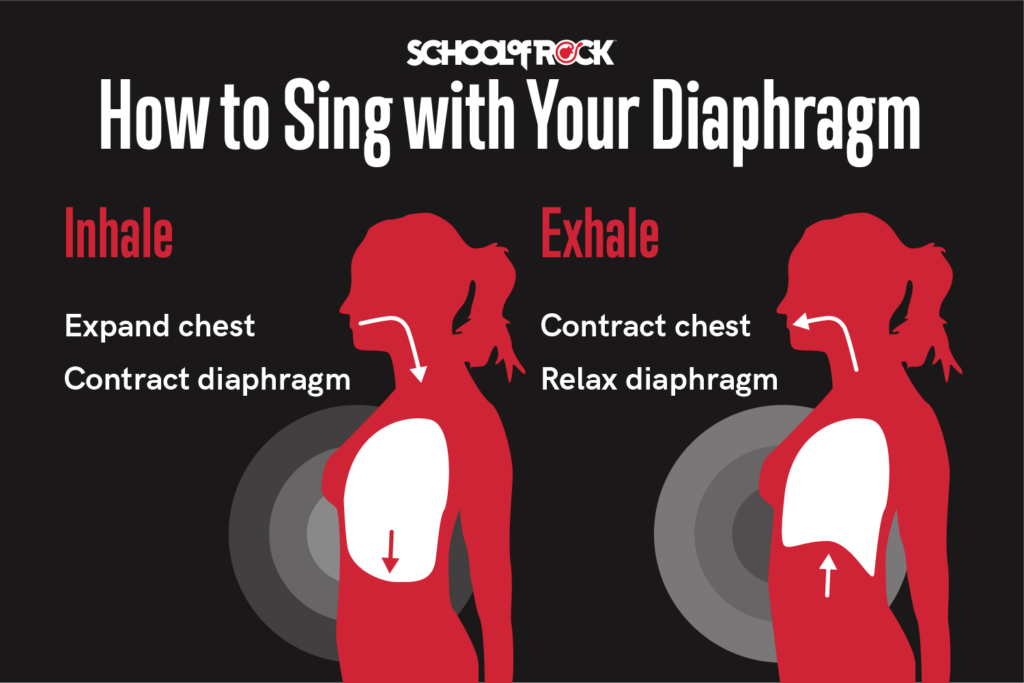
Diaphragmatic breathing, also known as belly breathing, is a fundamental technique for singers. Proper breathing provides the fuel for your voice and ensures optimal vocal production. To practice diaphragmatic breathing, place one hand on your abdomen and inhale deeply through your nose, allowing your belly to expand. Exhale slowly through your mouth, engaging your diaphragm to control the flow of air. Regularly incorporating diaphragmatic breathing exercises into your vocal warm-up routine will improve breath control and support, leading to a more powerful and controlled voice.
Correcting Posture for Singing
Maintaining correct posture is vital for achieving optimal vocal quality and preventing strain or injury. When standing or sitting for singing, ensure that your spine is aligned, shoulders are relaxed, and chin is parallel to the ground. Avoid slouching or tensing your muscles, as this can restrict your airflow and affect your vocal performance. By practicing good posture both during practice sessions and performances, you can optimize your singing abilities and avoid unnecessary strain on your vocal cords.

Warm-Up Exercises
Lip Trills
Lip trills are an effective warm-up exercise that helps to relax and warm up your vocal muscles. To do a lip trill, lightly press your lips together and blow air through them, creating a fluttering or buzzing sound. Begin with a comfortable pitch and gradually move up and down your vocal range. Lip trills engage and strengthen your diaphragm and vocal cords, while also promoting flexibility and coordination in your singing.
Tongue Trills
Similar to lip trills, tongue trills are another beneficial warm-up exercise that helps to relax and warm up your tongue and vocal muscles. To perform tongue trills, lightly press the tip of your tongue against the roof of your mouth, behind your front teeth, and blow air through the small opening, creating a vibrating sound. Start with a gentle pitch and slowly move up and down your vocal range. Tongue trills improve tongue and vocal cord coordination, aiding in articulation and diction.
Humming
Humming is a versatile warm-up exercise that helps to warm up your vocal cords, improve resonance, and increase breath control. Begin in a comfortable pitch and hum a sustained note or a simple melody. Focus on maintaining a consistent tone and controlling your airflow. Humming exercises can be done at various pitches and volumes to target different areas of your voice. This exercise also helps in relaxing your throat muscles and reducing tension before singing.
Vocal Sirens
Vocal sirens are dynamic warm-up exercises that help to develop flexibility and range in your voice. To perform a vocal siren, start at the bottom of your vocal range and gradually slide up to the top, smoothly transitioning through your entire range. Repeat this exercise multiple times, exploring different vowel sounds and experimenting with varying levels of volume and intensity. Vocal sirens improve vocal agility, increase vocal range, and prepare your voice for more demanding singing exercises.
Pitch and Tone
Understanding Pitch
Pitch refers to the perceived frequency of a sound and is a fundamental element of singing. Being able to understand and control pitch is essential for singing accurately and in tune. To develop your understanding of pitch, practice matching your voice to a reference pitch, such as a piano or a tuning app. Start with simple melodies and gradually progress to more complex songs. Ear training exercises, such as interval recognition and pitch-matching exercises, can also assist in improving your pitch perception and accuracy.
Improving Pitch Accuracy
To improve pitch accuracy, focus on developing your ear-training skills and strengthening your vocal muscles. Regularly practice scales, arpeggios, and intervals to enhance your pitch recognition and control. Utilize various vocal exercises that target specific areas of your voice, such as singing along with a tuner or engaging in call-and-response exercises. Consistent practice and mindful listening will help you refine your pitch accuracy and become a more confident singer.
Developing Vibrato
Vibrato is a natural oscillation or slight variation in pitch that adds warmth and richness to your voice. To develop vibrato, it is important to have a solid foundation of breath support and control. Start by sustaining a comfortable note and gradually introduce a slight fluctuation in pitch, but avoid forcing or exaggerating the effect. Experiment with different speeds and intensities of vibrato until you find a style that suits your voice. Practicing vocal exercises that focus on breath control and resonance can help in developing a controlled and expressive vibrato.
Enhancing Tone Quality
Tone quality refers to the unique character and timbre of your voice. Developing a pleasing and distinctive tone takes time and practice. Work on consistently maintaining proper breath support and control to enhance the resonance and clarity of your voice. Experiment with different vowel shapes and placements to discover the most resonant and balanced tone for your voice. Incorporating exercises for vocal technique, such as vowel modification and resonance exercises, can aid in improving tone quality and developing your own unique vocal signature.
Vocal Techniques
Projection and Resonance
Projection refers to the ability to produce a clear, powerful sound that carries to the back of a room without straining your voice. Resonance, on the other hand, is the amplification and enrichment of your vocal sound produced by the vibration of the vocal cavities. To improve projection and resonance, focus on proper breath support, engaging your diaphragm, and opening up your throat and mouth while singing. Experiment with vocal placement and resonance exercises to discover the most efficient and resonant sound production for your voice.
Articulation and Diction
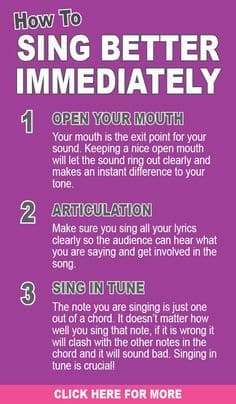
Articulation and diction are crucial in delivering clear and understandable lyrics. Practice enunciating each word and syllable clearly without sacrificing proper vocal technique. Focus on tongue and lip placement to achieve crisp consonant sounds, while maintaining a relaxed jaw and throat for smooth vowel production. Practicing tongue twisters, consonant drills, and singing along with clear and articulate recordings can greatly improve your overall articulation and diction.
Phrasing and Expression
Phrasing and expression are essential for conveying emotion and musicality in your singing. Focus on understanding the lyrics and the overall meaning of the song. Experiment with different dynamics, vocal inflections, and nuances to bring out the desired emotions in your performance. Pay attention to breath control and pacing to create effective and impactful phrasing. Listening to recordings of great singers and studying their interpretation can also provide inspiration and guidance for developing your own unique phrasing and expression.
Vocal Runs and Riffs
Vocal runs and riffs are intricate melodic embellishments often used in R&B, gospel, and pop music. They add flair and virtuosity to your singing, but require precise control and coordination. Start by practicing simple vocal runs and gradually introduce more complex patterns. Focus on accuracy, clarity, and seamless transitions between notes. Gradually increase the speed, but always prioritize precision over speed. Working with a vocal coach or using online resources that provide exercises specifically designed for vocal runs and riffs can greatly assist in mastering these techniques.
Vocal Health and Care
Hydration and Vocal Health
Keeping your vocal cords hydrated is essential for maintaining vocal health. Drink plenty of water throughout the day to ensure adequate hydration. Avoid excessive consumption of caffeine and alcohol, as they can dehydrate your vocal cords. Use a humidifier or vaporizer in dry environments to keep your vocal cords moist. Additionally, incorporate vocal hygiene practices such as avoiding yelling or whispering, speaking in a relaxed manner, and minimizing throat-clearing. These habits will help in preserving the health and longevity of your voice.
Avoiding Vocal Strain
Vocal strain occurs when a singer pushes their voice beyond its limits, leading to vocal fatigue, hoarseness, or even damage to the vocal cords. To avoid vocal strain, practice proper vocal technique, including warm-up exercises and breath control. Avoid excessive shouting, speaking or singing in noisy environments, and overuse of your voice. Take breaks and rest your voice when needed. If you experience discomfort or persistent vocal strain, consult with a vocal coach or a medical professional to address and resolve any underlying issues.
Recovering from Vocal Fatigue
Vocal fatigue can occur after intense singing sessions or prolonged use of the voice. To recover from vocal fatigue, prioritize resting your voice and avoiding strain. Engage in vocal relaxation exercises, such as gentle humming or lip trills, to relieve tension in your vocal muscles. Drink warm herbal teas, such as chamomile or honey lemon tea, to soothe your throat. Adequate sleep and proper nutrition can also contribute to faster recovery. Be patient with your voice and gradually ease back into singing activities to prevent further strain or injury.
Performance Tips
Developing Stage Presence
Stage presence is the ability to engage and captivate your audience through your charisma, confidence, and connection. To develop stage presence, practice performing in front of a mirror or recording yourself to observe your body language, facial expressions, and overall stage demeanor. Work on projecting confidence through your posture, eye contact, and movements. Connect with the emotions of the song and let your passion shine through your performance. Gradually build your stage presence by gaining experience through live performances and seeking feedback from trusted mentors or peers.
Connecting with the Audience
Connecting with your audience is crucial for creating a memorable and impactful performance. Engage with your audience through eye contact, facial expressions, and gestures that convey the emotions of the song. Allow yourself to be vulnerable and authentic in your performance, as this will resonate with your audience on a deeper level. Take the time to understand the context and meaning of the song, allowing you to connect with the lyrics and deliver a heartfelt performance. Remember, the more genuine and connected you are, the more your audience will be able to relate and connect with you.
Controlling Nerves
Nervousness is natural before a performance, but it is important to learn how to control and channel your nerves effectively. Practice deep breathing exercises before going on stage to calm your nerves and center yourself. Visualize a successful performance and focus on the joy of sharing your music with others. Warm up your voice adequately and engage in relaxation techniques to ease tension in your body. Embrace the adrenaline and see it as an energy boost rather than a hindrance. With practice and experience, you will become more comfortable and confident in managing and overcoming performance nerves.
Finding a Vocal Coach
Benefits of Vocal Coaching
Working with a vocal coach can provide invaluable guidance and support on your singing journey. A vocal coach can help identify and develop your unique strengths, address any vocal issues or challenges, and guide you towards reaching your full vocal potential. They can provide personalized vocal exercises, techniques, and repertoire suggestions tailored to your voice type and goals. A vocal coach also offers constructive feedback and encouragement, helping you refine your skills and overcome any vocal obstacles you may encounter.
Choosing the Right Vocal Coach
When choosing a vocal coach, consider their experience, qualifications, and teaching style. Look for a coach who specializes in your preferred genre or voice type. Research their credentials, such as their education, performance experience, and track record of success with past students. Schedule a trial lesson or consultation to assess their teaching approach and compatibility with your learning style. Good communication and a positive rapport with your vocal coach are essential for a productive and enriching vocal training experience.

Recording and Studio Techniques
Microphone Techniques
Understanding microphone techniques is vital for recording and studio performances. Experiment with different microphone models and placements to find the best fit for your voice and desired sound. Learn how to control your distance from the microphone to achieve optimal balance and clarity. Practice microphone handling techniques, such as proper breath control and projection, to ensure consistent sound quality. Become familiar with studio equipment such as headphones, monitors, and mixing consoles to effectively communicate your preferences and optimize your recordings.
Understanding Studio Equipment
Recording in a studio requires familiarity with various equipment and terms. Learn about studio essentials such as microphones, headphones, monitors, and interfaces. Understand the role of mixing consoles, equalizers, compressors, and reverb in shaping your recorded sound. If possible, seek guidance from audio engineers or experienced producers who can explain the technical aspects and assist you in achieving the desired sound. By developing a basic understanding of studio equipment, you can actively participate in the recording process and ensure the best representation of your vocal abilities.
Expanding Your Vocal Range
Vocal Exercises for Range Expansion
Expanding your vocal range takes time and consistent practice. Begin by exploring your comfortable range and gradually push yourself to reach higher or lower notes. Engage in vocal exercises that specifically target range expansion, such as sirens and scales, gradually extending the upper and lower limits of your vocal range. Incorporate interval training exercises to develop the flexibility and control needed to navigate through different intervals. Working with a vocal coach or utilizing online resources that provide targeted exercises for range expansion can greatly facilitate your progress.
Mixing Chest and Head Voice
Mixing chest voice and head voice is essential for achieving a seamless and balanced vocal transition. Chest voice refers to the lower register characterized by a deeper and fuller sound, while head voice refers to the higher register associated with a lighter and more resonant sound. Practice exercises that encourage the coordination and blending of these two registers, such as sirens or scales that move through your vocal break. Focus on maintaining a relaxed and open throat, proper breath support, and vocal placement to achieve a smooth and controlled mix between chest and head voice. Consistent practice and guidance from a vocal coach can assist in developing a strong mixed voice.