If you’ve ever wanted to sound more confident, persuasive, or engaging when speaking, then improving your voice tone is the key. Your voice tone has a powerful impact on how others perceive you and can significantly enhance your communication skills. In this article, you’ll discover practical tips and techniques to elevate your voice tone, allowing you to command attention, connect with others, and leave a lasting impression. Whether you’re presenting in front of an audience, participating in a meeting, or simply having a conversation, these tips will help you unlock the true potential of your voice.

1. Importance of Voice Tone
1.1 Expressing emotions
Your voice tone plays a crucial role in expressing your emotions. Whether you’re excited, happy, or sad, the tone of your voice communicates these feelings to others. By understanding and controlling your voice tone, you can effectively convey your emotions and connect with people on a deeper level.
1.2 Confidence and credibility
The way you speak has a direct impact on how others perceive your confidence and credibility. A strong, confident voice tone can command attention and make your words more convincing. On the other hand, a weak or hesitant voice tone may undermine your authority and make it difficult for others to trust what you say. Improving your voice tone can enhance your overall presence and credibility in both personal and professional settings.
1.3 Effective communication
Clear and effective communication relies heavily on your voice tone. The way you deliver your message can greatly influence whether it is understood and received positively. A well-modulated voice tone ensures that your words are conveyed with clarity and precision, preventing misinterpretation or confusion. By improving your voice tone, you can become a more effective communicator in various aspects of your life, including work, relationships, and public speaking.
2. Understanding Your Current Voice Tone
2.1 Recording and analyzing your voice
To understand your current voice tone, start by recording yourself speaking. Use a voice recorder or smartphone app to capture your voice in different situations, such as during conversations, presentations, or even when leaving voicemails. Take the time to listen to these recordings and make note of any observations. Pay attention to aspects such as volume, pitch, clarity, and overall tone. This self-assessment will provide valuable insights into your current voice tone.
2.2 Seeking feedback
In addition to self-analysis, seek feedback from others. Ask trusted friends, family members, or colleagues to listen to your voice recordings and share their honest opinions. Their perspectives can offer valuable insights that you may not have noticed on your own. Be open to constructive criticism and use it as an opportunity for growth. Remember, the goal is not to be overly critical of yourself, but rather to gain a better understanding of how you come across to others.
2.3 Identifying areas for improvement
Based on your self-analysis and feedback, identify areas of your voice tone that you would like to improve. It could be that you speak too softly, lack vocal clarity, or struggle with maintaining a steady pitch. By pinpointing these areas, you can develop a targeted plan for improvement. Recognize that everyone has different natural voice characteristics, and the goal is not to completely change your voice, but rather to enhance and optimize its qualities.
3. Adjusting Posture and Breathing
3.1 Maintaining an upright posture
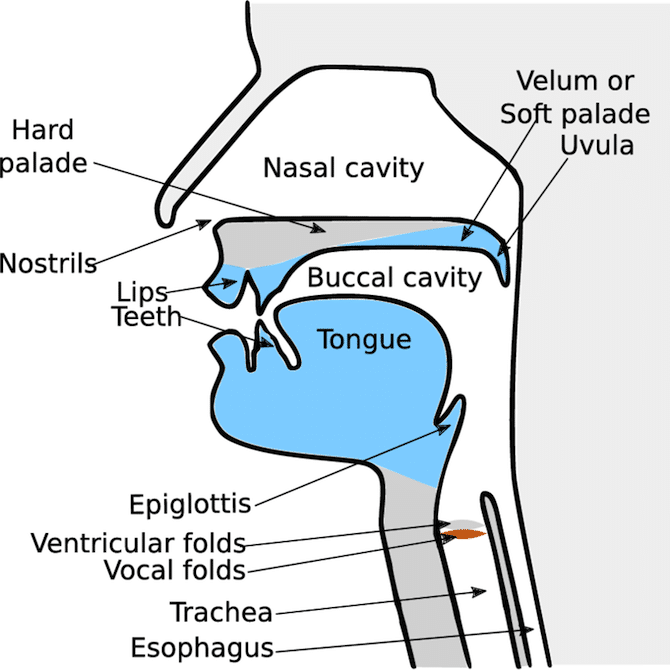
Believe it or not, your posture greatly influences the quality of your voice. When you slouch or have poor posture, it can impede your ability to breathe deeply and utilize your vocal cords effectively. To improve your voice tone, make it a habit to maintain an upright posture. Sit or stand tall, align your spine, and relax your neck and shoulders. When your body is properly aligned, your breath can flow freely, enabling better vocal control and projection.
3.2 Practicing diaphragmatic breathing
Deep breathing from the diaphragm is crucial to producing a full, resonant voice. Many people have a tendency to breathe shallowly, relying on their chest and shoulders rather than their diaphragm. To practice diaphragmatic breathing, place one hand on your chest and the other on your abdomen. Take a deep breath in through your nose, allowing your abdomen to expand as you fill your lungs. Exhale slowly through pursed lips, feeling your abdomen contract. Practice this technique regularly to develop a natural and efficient breathing pattern.
3.3 Reducing tension in the body
Tension in the body can negatively affect your voice tone and quality. Areas such as the jaw, neck, and shoulders are common areas where tension accumulates. To reduce tension, incorporate relaxation techniques into your daily routine. Stretching exercises, massage, and mindfulness practices can all help alleviate stress and promote a more relaxed state. By reducing tension in your body, you create a more open and free resonating space for your voice to thrive.
4. Practicing Articulation and Pronunciation
4.1 Pronunciation exercises
Clear pronunciation is essential for effective communication. Take the time to practice specific sounds or words that you find challenging. For example, if you struggle with certain consonant sounds like “th” or “r,” dedicate time to practice them. Slowly and deliberately say the words out loud, paying attention to how you shape your mouth and tongue. Over time, consistent practice will improve your articulation and enhance the overall clarity of your voice.
4.2 Tongue twisters
Tongue twisters are fun and effective exercises for developing articulation and pronunciation skills. They challenge your mouth muscles to quickly and accurately form sounds. Repeat tongue twisters such as “She sells seashells by the seashore” or “Peter Piper picked a peck of pickled peppers” multiple times, gradually increasing your speed. The more you practice tongue twisters, the more agile and precise your articulation will become.
4.3 Enunciation drills
Enunciation refers to the clarity and precision of your speech. To improve your enunciation, focus on pronouncing each word distinctly. Slow down your speaking pace and exaggerate the sounds of each syllable. Practice reading aloud passages from books or news articles, emphasizing the enunciation of each word. By honing your enunciation skills, your voice will become more intelligible and engaging to listeners.

5. Controlling Pitch and Volume
5.1 Pitch exercises
Pitch refers to the perceived frequency of your voice. It is important to have control over your pitch to convey different emotions and maintain listener interest. Explore your vocal range by practicing pitch exercises. Start by humming a low note and gradually ascend to a high note, and then descend back down. Repeat this exercise, gradually extending your range over time. By developing control over your pitch, you can effectively modulate your voice to match the intended emotional tone of your message.
5.2 Exploring vocal range
Every individual has a unique vocal range, which refers to the span between their lowest and highest pitches. To explore your vocal range, practice sliding your voice up and down in a smooth, seamless manner. Start from your lowest comfortable pitch and gradually move up, pausing at different points to explore different registers. Similarly, begin from your highest comfortable pitch and descend. Regularly engaging in vocal range exercises can expand your range and provide you with more options for expressive communication.
5.3 Volume modulation techniques
Being able to modulate your voice’s volume is crucial for effective communication, particularly in different settings and situations. Practice speaking softly for intimate conversations and gradually increase your volume for larger groups or when speaking in public. Experiment with different levels of volume to find the balance that feels comfortable and appropriate for different contexts. Vocal variety in volume helps capture attention, maintain interest, and convey your message with impact.
6. Enhancing Vocal Resonance
6.1 Utilizing proper vocal placement
Vocal resonance refers to the richness and depth of your voice. Proper vocal placement ensures that your voice resonates in a way that is pleasing and carries well. To achieve optimal resonance, imagine your voice coming from a specific part of your body, such as your chest or forehead. Experiment with different forward placements to find the one that produces the fullest and most resonant tone. When you consistently place your voice in the appropriate space, you enhance its natural resonance and make it more captivating to listeners.
6.2 Resonance exercises
To develop vocal resonance, practice exercises that engage your resonators. The resonators are the areas in your vocal tract that help amplify sound, such as the chest, throat, and sinuses. Humming, resonant humming (humming while gently placing a hand on your chest or face), and practicing targeted vowel sounds can help strengthen and activate these resonators. Regular practice of resonance exercises will improve the richness and depth of your voice, making it more authoritative and engaging.
6.3 Vocal warm-up routines
Before any speaking engagement or important conversation, it is essential to warm up your voice. Vocal warm-up routines help prepare your vocal cords and muscles for optimal performance. Start by gently stretching your oral muscles with yawning or tongue stretches. Then, progress to basic vocal exercises like lip trills or humming scales to warm up your vocal cords. Finally, incorporate exercises that engage all aspects of your voice, such as pitch, volume, and articulation, to fully prepare your voice for effective communication.

7. Developing Vocal Flexibility
7.1 Vocal exercises for flexibility
Vocal flexibility is the ability to smoothly transition between different pitches, tones, and vocal qualities. It adds nuance and expressiveness to your voice. Practice gliding smoothly between different pitches, starting from low to high and high to low. Gradually increase the speed and challenge yourself to move between different pitches effortlessly. By developing vocal flexibility, you gain the ability to adapt your voice to various communication styles, enhancing your overall versatility as a speaker.
7.2 Humming and lip trills
Humming and lip trills are exercises that promote vocal agility and flexibility. Humming involves producing sound with your lips closed, creating a gentle vibration. Lip trills involve producing sound while lightly blowing air through loosely closed lips. Incorporate humming and lip trills into your warm-up routine and practice them regularly to strengthen your vocal muscles. These exercises improve breath control, coordination, and overall vocal flexibility.
7.3 Scale and interval exercises
Practicing scales and intervals can significantly enhance your vocal flexibility. Singing scales, both major and minor, helps you navigate through different pitches and intervals smoothly. Start by practicing ascending and descending scales in a comfortable range. Gradually increase the difficulty by incorporating interval jumps and singing melodic patterns that require quick pitch changes. Regularly challenging yourself with scale and interval exercises will improve your ability to adapt and be more expressive with your voice.
8. Paying Attention to Pace and Rhythm
8.1 Controlling the speed of speech
The pace at which you speak greatly influences how your words are received and understood. Speaking too quickly can make it challenging for listeners to follow, while speaking too slowly may lead to disengagement or boredom. Practice speaking at a moderate, comfortable pace, enunciating each word clearly. Pay attention to the rhythm of your speech and strive for a balanced, rhythmic cadence. By controlling the speed of your speech, you can enhance clarity, maintain interest, and effectively convey your message.
8.2 Practicing rhythm exercises
Rhythm exercises can help you develop a more rhythmic and engaging speaking style. Practice reading poetry or passages of text with varying rhythms, emphasizing the stressed syllables and pausing at appropriate points. Clapping or tapping along with music can also help you internalize different rhythmic patterns. By incorporating rhythm exercises into your vocal practice, you’ll develop a natural sense of rhythm, enhancing your overall speaking fluency and captivating your audience.
8.3 Using pause and silence for impact
Strategic use of pause and silence can greatly enhance the impact of your message. Pausing at key moments allows your audience to absorb and process important information. It creates a sense of anticipation and can make your words more impactful. Practice incorporating intentional pauses in your speech, especially before or after emphasizing important points. Embrace silence as a powerful tool, allowing it to create emphasis and heighten the overall impact of your communication.

9. Adding Variety and Expressiveness
9.1 Utilizing pitch variations
Pitch variations are an effective way to add variety and expressiveness to your voice. Experiment with different pitch ranges to convey different emotions or to emphasize specific points. Lower pitches can convey authority and seriousness, while higher pitches can convey excitement or enthusiasm. Incorporate pitch changes strategically to highlight important information or inject energy into your speech. By utilizing pitch variations, you can add dimension and captivate your audience.
9.2 Emphasizing keywords
Emphasizing keywords is a powerful technique to highlight key points and make them stand out in your speech. Speak slightly louder, pause before or after, and vary your pitch when emphasizing keywords. This technique draws attention to the most important parts of your message and helps ensure that they are remembered. Practice identifying and emphasizing keywords in written texts and gradually incorporate this technique into your everyday speech.
9.3 Incorporating vocal dynamics
Vocal dynamics refer to the variation in volume, pace, pitch, and tone throughout your speech. By incorporating vocal dynamics, you create a more engaging and expressive delivery. Experiment with changes in volume, speed, and natural pauses to convey different moods and emotions. Vary your tone and inflection to add intrigue and captivate your audience. By consciously incorporating vocal dynamics into your communication style, you can elevate your voice and create a memorable impact.
10. Confidence Building and Public Speaking Skills
10.1 Building self-confidence
Building self-confidence is crucial for improving your voice tone and public speaking skills. Practice positive self-talk and affirmations to boost your confidence. Seek opportunities to speak in public or engage in activities that require you to use your voice. Gradually challenge yourself to speak in front of larger audiences and overcome any fears or anxieties. By consistently pushing your comfort zone, you’ll build confidence and develop a strong, assured voice.
10.2 Effective public speaking techniques
Effective public speaking techniques can further enhance your voice tone and overall presentation skills. Practice engaging with your audience by making eye contact, using gestures, and incorporating storytelling techniques. Structure your speeches or presentations with a clear introduction, body, and conclusion. Use visual aids or props to enhance your message. By employing these techniques, you’ll deliver your message with confidence, impact, and clarity.
10.3 Engaging with the audience
Engaging with your audience is vital for effective communication. Pay attention to their reactions, body language, and verbal cues. Adjust your tone, pace, and content based on their responses. Encourage audience participation through questions or interactive exercises. Actively listen to their feedback and respond accordingly. By actively engaging with your audience, you’ll create a connection and deliver your message in a way that resonates with them.
Improving your voice tone is a journey that requires patience, practice, and self-awareness. By implementing the techniques and exercises discussed in this article, you can enhance your voice tone and become a more confident and effective communicator. Remember, your voice is a powerful tool that can express emotions, command attention, and build connections. Embrace the opportunity to develop your voice and unlock its full potential.


