Are you looking to enhance your singing skills and improve the tone of your voice? In this article, you will discover effective techniques and tips that can help you transform your singing voice. Whether you are a beginner or have some experience, these strategies will assist you in achieving a richer, more resonant tone, enabling you to captivate your audience with your vocal prowess. So, let’s dive into the world of vocal improvement, and unlock the true potential of your singing voice!
Breathing Techniques
Breathing is the foundation of good vocal technique. To achieve a strong and resonant tone, it is important to use proper breathing techniques. Diaphragmatic breathing, also known as belly breathing, is a technique that involves using the diaphragm to take deep breaths. This allows for maximum lung capacity and helps to support the sound. To practice diaphragmatic breathing, lie down on your back and place one hand on your belly. Take a slow, deep breath in through your nose and feel your belly rise as you inhale. Then, exhale slowly through your mouth, feeling your belly fall. Repeat this exercise several times to train your body to breathe correctly.
Another important breathing technique is rib expansion. This technique helps to increase lung capacity and provides more air for your vocal cords to work with. To practice rib expansion, stand up straight with your hands on your sides, just below your ribs. Inhale deeply, focusing on expanding your ribs outwards as you breathe in. You should feel your ribcage widening. Exhale slowly, allowing your ribs to relax back to their original position. Repeat this exercise several times, paying attention to the expansion and relaxation of your ribs.
Breath control exercises are also crucial for developing a strong tone of voice. These exercises help to build the muscles responsible for controlling the airflow while singing. One effective exercise is the “hissing” exercise. Stand up straight and take a deep breath. Then, release the air slowly through a small opening between your lips, creating a hissing sound. Focus on maintaining a steady and controlled airflow throughout the exercise. This exercise can help improve breath control and consistency in your singing.
Vocal Warm-Up Exercises
Before singing, it is important to warm up your voice to prevent strain and ensure optimal vocal performance. Lip trills are a great warm-up exercise that helps to relax and warm up the vocal cords. To perform lip trills, lightly press your lips together and exhale, allowing the air to make a vibrating sound. Start from your lowest note and gradually move up the scale. This exercise helps to release tension in the lips and tongue and promotes vocal flexibility.
Humming is another effective warm-up exercise that helps to warm up and resonate your voice. Simply hum a comfortable pitch, starting from your lowest note and gradually moving up the scale. Focus on maintaining a relaxed and steady airflow and feeling the vibrations resonating in your facial and nasal cavities. Humming also helps to improve breath control and increase vocal resonance.
Sirens are a fun and dynamic warm-up exercise that helps to stretch and flex your vocal cords. To perform sirens, start from a low note and smoothly slide up to a high note and then back down again. Repeat this exercise several times, gradually expanding your range. Sirens help to improve vocal flexibility and agility, as well as warm up the voice for more challenging vocal exercises.
Tongue twisters are not only a fun game but also a great vocal warm-up exercise. They help to improve articulation and enhance diction. Practice repeating tongue twisters slowly and gradually increase your speed. Focus on clear pronunciation and crisp articulation of each word. Tongue twisters are a great warm-up exercise that helps to loosen up the muscles in your tongue and jaw, preparing your voice for singing.

Posture and Alignment
Maintaining a neutral spine is essential for good vocal technique. Stand up straight with your feet shoulder-width apart. Imagine a string pulling you up from the crown of your head, lengthening your spine. Keep your shoulders relaxed and avoid hunching or slouching. This posture allows for optimal breath support and ensures efficient airflow while singing. It also helps to prevent unnecessary tension in the neck and upper body, allowing for easier vocal production.
Relaxing your shoulders and jaw is crucial for a clear and resonant tone. Tension in these areas can interfere with proper vocal production and lead to vocal strain. Shake out your shoulders to release any tension and roll them back and down. Allow your jaw to hang loose and gently massage your jaw muscles to release any tightness. By maintaining relaxed shoulders and jaw, you allow for free and unrestricted vocal production.
Proper head alignment is also important for optimal vocal technique. Your head should be balanced on top of your spine, neither tilting forward nor backward. Imagine a straight line connecting your ear, shoulder, and hip. This alignment helps to maintain a balanced and centered sound while singing. Be mindful of any excessive tension or strain in your neck and strive for a relaxed and free head position.
Resonance and Placement
Discovering vocal resonance is a key element in developing a rich and sonorous tone. Resonance refers to the amplification and projection of your voice as it resonates in various areas of your body. One way to explore vocal resonance is to practice vocalizing on different vowel sounds. Start with a simple “ah” sound and focus on feeling the vibration resonating in your chest. Experiment with different vowel sounds and notice how the resonance shifts to different areas, such as your head or nasal cavities. Developing full and well-balanced resonance is essential for achieving a powerful and captivating tone.
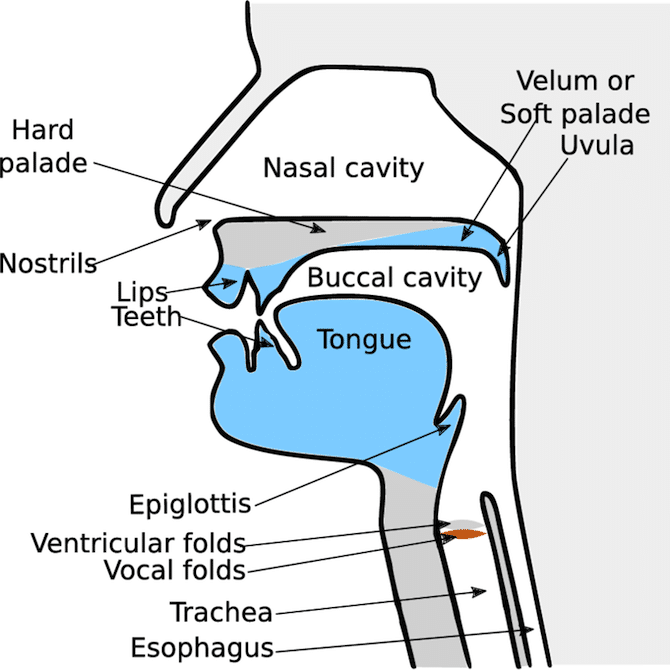
Nasal and oral resonance are two important aspects of vocal placement. Nasal resonance refers to the sound vibrating in your nasal cavities, adding richness and depth to your tone. To explore nasal resonance, try humming on a comfortable pitch and focus on feeling the vibrations in your nose. Oral resonance, on the other hand, refers to the sound resonating in your mouth and throat. Experiment with different mouth shapes and positions while vocalizing to find the optimal oral resonance for your voice. Balancing nasal and oral resonance can help create a warm, full, and well-projected tone.
Placing the sound forward is another technique that can enhance the projection and clarity of your voice. Imagine the sound resonating in the front of your face, specifically around your cheekbones and forehead. To practice this, sing a phrase while gently placing your fingers on your cheekbones and forehead to feel the vibrations. By focusing the sound forward, you can achieve a more focused and present tone that cuts through the music and reaches your audience.

Articulation
Clear diction and articulation are essential for effective communication while singing. Proper articulation ensures that your audience can understand the lyrics and appreciate the nuances of your vocal performance. Practice enunciating each word clearly and crisply. Pay attention to every consonant and vowel, making sure they are fully pronounced. Tongue, jaw, and lip mobility exercises can help to improve articulation. Practice exercises that target each of these areas, such as tongue twisters, lip trills, and jaw stretches. By regularly working on articulation exercises, you can develop clear and precise diction, enhancing the overall quality of your vocal performance.
Pitch Accuracy
Pitch accuracy is the ability to sing the correct notes in tune. Training your ear is essential for developing pitch accuracy. Ear training exercises can help you recognize and differentiate between different pitches. Practice exercises that involve singing intervals, scales, and melodies. Start with simple exercises and gradually increase the difficulty as you improve. By training your ear to recognize and reproduce various pitches, you can develop a more accurate and precise sense of pitch.
Vocal exercises designed specifically for pitch can also help improve pitch accuracy. These exercises often involve sliding up and down scales, focusing on hitting each note precisely. The use of a piano or pitch reference can be helpful for guidance. By regularly practicing these exercises, you can strengthen your vocal muscles and develop greater control over your pitch.
Matching pitches is another important skill to develop for pitch accuracy. Listen to a reference tone, either from a piano or a recording, and try to match it with your voice. Start with short melodies or single notes and gradually increase the difficulty. Focus on listening carefully and adjusting your voice to match the pitch accurately. Regular practice of pitch matching exercises can greatly improve your overall pitch accuracy.

Range Expansion
Expanding your vocal range allows you to access higher and lower notes, providing more versatility and expressiveness in your singing. Vocal exercises specifically designed for range expansion can help you gradually extend your range. These exercises often involve practicing scales and intervals, gradually moving up or down in pitch. Start from your comfortable range and gradually push yourself to reach higher or lower notes. Be patient and avoid straining, as it’s important to expand your range gradually and safely.
Discovering your vocal registers is also crucial for range expansion. The human voice has different registers, including the chest voice and head voice. The chest voice refers to the lower and more resonant part of your range, while the head voice is the higher and lighter register. By learning to transition smoothly between these registers, you can access a wider range of notes. Practice exercises that focus on bridging the gap between your chest and head voice, gradually exploring your entire vocal range.
Developing your head and chest voice is another important aspect of range expansion. The head voice allows for a lighter and more flexible tone, while the chest voice provides power and richness. Practice exercises that emphasize each register separately, working on control and coordination. Gradually integrate both registers to create a seamless and balanced vocal production throughout your range. With consistent practice, you can expand your range and unlock new vocal possibilities.
Phrasing and Dynamics
Understanding musical phrasing is essential for expressive and engaging vocal performances. Phrasing refers to the art of shaping and dividing musical phrases into meaningful units. It involves highlighting important words or phrases and conveying the intended musical structure. To improve your phrasing, listen closely to the melody and lyrics, and identify the natural breaks and musical phrases. Experiment with different dynamics, changes in volume, and subtle pauses to enhance the overall musicality of your performance.
Using dynamics effectively can greatly enhance the expressiveness and impact of your singing. Dynamics refer to variations in volume and intensity throughout a song. Experiment with different levels of volume, from soft and gentle to loud and powerful. Use crescendos to gradually increase the volume and decrescendos to gradually decrease it. Dynamics can help to evoke emotions and create more interesting and engaging vocal performances.
Breath control is crucial for effective phrasing. By maintaining steady and controlled breath support, you can sustain longer phrases and create expressive pauses. Practice exercises that focus on breath control, such as sustained notes or phrases, where you gradually increase the length and intensity. By developing strong breath control, you can enhance your phrasing and convey the intended musicality more effectively.

Emotional Connection
Connecting with the lyrics and the song’s message is essential for delivering a heartfelt and emotional vocal performance. Interpreting lyrics involves understanding and conveying the meaning behind the words. Take the time to analyze the lyrics and connect with the emotions they convey. Experiment with different phrasing and dynamics to match the intended mood and message of the song. By truly understanding and connecting with the lyrics, you can deliver a more authentic and emotionally impactful performance.
Expressing emotion through vocal tone is another powerful tool for creating a captivating and moving performance. Experiment with different vocal techniques, such as vibrato or vocal inflections, to enhance the emotional impact of your singing. Use your tone and dynamics to evoke different emotions, whether it be joy, sadness, or passion. By exploring the various nuances of your vocal tone, you can convey a wide range of emotions and create a deeper connection with your audience.
Getting Feedback and Training
Working with a vocal coach is invaluable for improving your tone of voice singing. A vocal coach can provide personalized guidance, identify areas for improvement, and help you develop a solid vocal technique. They can also provide valuable feedback on your tone, pitch, and overall vocal performance. Investing in vocal lessons can greatly accelerate your progress and ensure that you are practicing and training effectively.
Recording and analyzing your voice is another powerful tool for self-improvement. Record your practice sessions or performances and take the time to listen back objectively. Pay attention to your tone of voice, pitch accuracy, and areas that need improvement. Look for patterns or tendencies and make note of areas that require further practice. By regularly analyzing your recordings, you can identify areas for growth and continuously improve your tone of voice singing.
Performing in front of an audience is an important step in developing your skills and gaining confidence. Seek opportunities to perform, whether it be at open mic nights, talent shows, or community events. Performing in front of others can be nerve-wracking, but it helps to build resilience and stage presence. Pay attention to the feedback you receive from your audience and use it constructively to further refine your tone and overall performance.
Improving your tone of voice singing requires consistent practice, dedication, and a willingness to explore and experiment. By incorporating these different techniques and exercises into your vocal routine, you can develop a strong and resonant tone, as well as enhance your overall singing abilities. Remember to always warm up your voice before singing, maintain proper posture and alignment, and strive for clarity and expressiveness in your performances. With time and effort, you can achieve significant improvements in your tone of voice singing and captivate your listeners with your vocal prowess.