When you embark on your journey to improve your singing, the first step is to understand your vocal range. Your vocal range is the spectrum of notes that you can sing comfortably, from the lowest to the highest pitch. It’s essential to recognize that everyone has a unique vocal range, influenced by factors such as age, gender, and individual anatomy.
By identifying your range, you can select songs that suit your voice and avoid straining it. You might find it helpful to categorize your range into different voice types, such as soprano, alto, tenor, or bass. This classification can guide you in choosing appropriate repertoire and help you connect with other singers who share similar vocal characteristics.
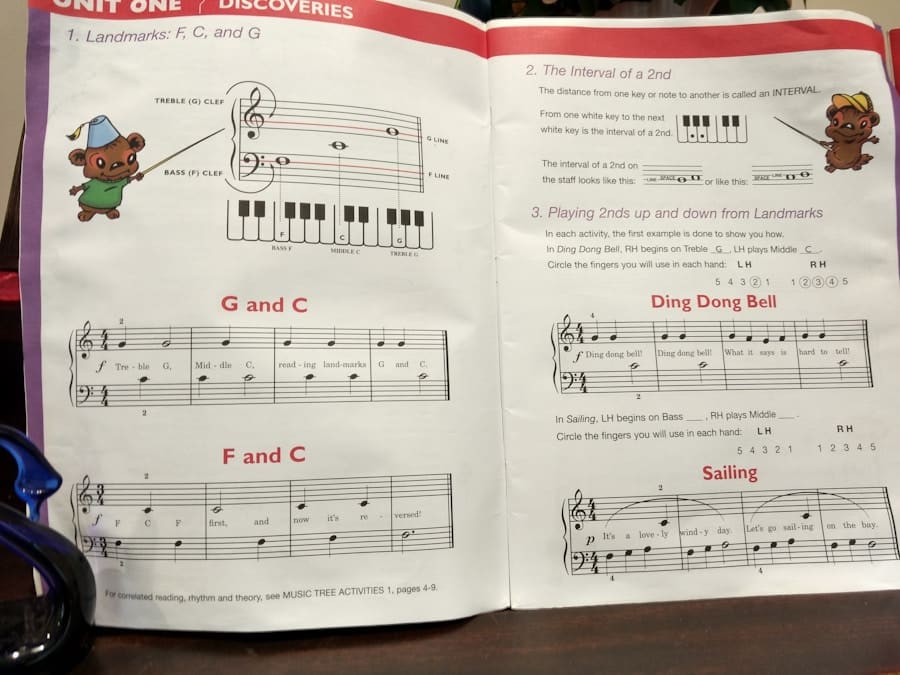
To determine your vocal range, you can start by using a piano or a digital keyboard. Begin at middle C and sing downwards until you reach the lowest note you can produce without straining. Then, do the same by singing upwards to find your highest note.
This exercise not only helps you identify your range but also gives you a sense of your vocal capabilities. Remember that your range may expand over time with practice and proper technique. Embracing your unique vocal qualities will empower you to express yourself more authentically through music.
Key Takeaways
- Understanding vocal range is important for choosing the right songs and exercises for your voice.
- Warm-up exercises help to prepare the vocal cords and muscles for singing, reducing the risk of strain or injury.
- Proper breathing techniques are essential for supporting your voice and maintaining control while singing.
- Vocal exercises can help to improve range, tone, and flexibility of the voice.
- Maintaining proper posture while singing can improve breath control and overall vocal performance.
- Staying hydrated and eating a balanced diet can help to keep the vocal cords healthy and functioning optimally.
- Seeking professional help from a vocal coach or speech therapist can provide personalized guidance and support for improving your singing voice.
- Consistent practice is key to developing and maintaining a strong and healthy singing voice.
Warm-up Exercises
Once you have a grasp of your vocal range, it’s crucial to incorporate warm-up exercises into your routine. Just like athletes stretch before a game, singers need to prepare their voices for performance. Warm-ups help to loosen the vocal cords, increase blood flow to the larynx, and improve overall vocal flexibility.
You might start with simple humming or lip trills, which are gentle on the voice and help to engage your breath support. These exercises can also help you find a comfortable singing placement, allowing your voice to resonate freely. As you progress in your warm-up routine, consider incorporating scales and arpeggios.
Singing scales in different keys can enhance your pitch accuracy and agility. You can experiment with various vowel sounds, such as “ah,” “ee,” and “oo,” to explore how they feel in your throat and mouth. This exploration will not only warm up your voice but also help you develop a more versatile sound.
Remember that consistency is key; dedicating time each day to warm up will yield significant benefits in your vocal performance.
Breathing Techniques

Breathing is the foundation of singing, and mastering proper breathing techniques is essential for any vocalist. You may have heard the term “diaphragmatic breathing,” which refers to using your diaphragm effectively to support your voice. When you breathe deeply from your diaphragm rather than shallowly from your chest, you provide your body with the necessary air support for sustained singing.
To practice this technique, place one hand on your chest and the other on your abdomen. As you inhale, focus on expanding your abdomen while keeping your chest relatively still. Incorporating breath control exercises into your routine can further enhance your singing ability.
For instance, try taking a deep breath and then exhaling slowly while counting to ten. This exercise helps you develop control over your airflow, allowing you to sustain notes longer and with greater stability. Additionally, consider practicing breath support while singing scales or phrases from songs.
By consciously engaging your diaphragm during these exercises, you’ll build strength and endurance in your breath support, which is vital for delivering powerful performances.
Vocal Exercises
Vocal exercises are an integral part of developing a strong and versatile voice. These exercises not only help improve your vocal technique but also build confidence in your singing abilities. One effective exercise is the siren sound, where you glide through your entire vocal range from low to high and back down again.
This exercise encourages smooth transitions between registers and helps you become more comfortable with the full extent of your voice. Another beneficial exercise is the use of tongue twisters. These playful phrases challenge your articulation and diction while warming up your vocal cords.
For example, try singing “red leather, yellow leather” or “unique New York” at various pitches. This not only enhances clarity in your singing but also adds an element of fun to your practice sessions. Incorporating a variety of vocal exercises into your routine will keep things fresh and engaging while helping you develop a well-rounded voice.
Proper Posture
Your posture plays a significant role in how effectively you sing. Standing or sitting with proper alignment allows for optimal airflow and vocal production. When you sing with good posture, you create an open pathway for sound to resonate freely without unnecessary tension in your body.
To achieve proper posture, stand tall with your feet shoulder-width apart and distribute your weight evenly between both feet. Your shoulders should be relaxed but not slouched, and your head should be aligned with your spine. In addition to standing posture, consider how sitting affects your singing as well.
If you’re practicing while seated, ensure that you’re sitting up straight with a straight back and feet flat on the floor. Avoid crossing your legs or leaning back in a chair, as this can restrict airflow and hinder vocal performance. By being mindful of your posture during practice and performance, you’ll create a solid foundation for producing a powerful and resonant sound.
Hydration and Nutrition

Hydration is often overlooked but is crucial for maintaining vocal health. Your vocal cords are delicate structures that require adequate moisture to function optimally. When you’re well-hydrated, the mucous membranes in your throat remain lubricated, reducing the risk of strain or injury while singing.
Aim to drink plenty of water throughout the day, especially before and after singing sessions. Herbal teas can also be soothing for the throat; just be cautious with caffeinated beverages as they can lead to dehydration. Nutrition also plays a vital role in supporting your voice.
A balanced diet rich in fruits, vegetables, whole grains, and lean proteins provides essential nutrients that contribute to overall health and well-being. Foods high in antioxidants can help reduce inflammation in the body, which is beneficial for vocalists who may experience strain from frequent use of their voices. Additionally, consider avoiding heavy meals right before singing; instead, opt for light snacks that provide energy without weighing you down.
Seeking Professional Help
While self-guided practice is valuable, seeking professional help can significantly accelerate your progress as a singer. A qualified vocal coach can provide personalized feedback tailored to your unique voice and goals. They can help identify areas for improvement that you may not notice on your own and offer targeted exercises to address those challenges.
Working with a coach also provides accountability; knowing that someone is invested in your growth can motivate you to practice consistently. In addition to one-on-one coaching, consider participating in group classes or workshops where you can learn from others and gain new perspectives on singing techniques. Engaging with fellow singers fosters a sense of community and allows for collaborative learning experiences.
Whether through private lessons or group settings, professional guidance can elevate your skills and deepen your understanding of vocal artistry.
Consistent Practice
Finally, consistent practice is the cornerstone of becoming a proficient singer. Just as athletes train regularly to improve their performance, singers must dedicate time each day to hone their craft. Establishing a structured practice routine will help you stay focused on specific goals while allowing for gradual progress over time.
Aim for short but frequent practice sessions rather than infrequent long ones; this approach helps reinforce muscle memory and keeps you engaged. During practice sessions, set clear objectives for what you want to achieve—whether it’s mastering a particular song, improving breath control, or expanding your vocal range. Keep track of your progress by recording yourself or journaling about what worked well and what needs improvement.
This reflection will not only motivate you but also provide insight into how far you’ve come on your musical journey. Remember that patience is key; growth takes time, but with consistent effort and dedication, you’ll see remarkable improvements in your singing abilities. In conclusion, developing as a singer involves understanding various aspects of vocal technique—from recognizing your range to maintaining proper hydration and nutrition.
By incorporating warm-up exercises, breathing techniques, vocal drills, and proper posture into your routine while seeking professional guidance when needed, you’ll create a solid foundation for success. Consistent practice will ultimately lead to growth and confidence in your abilities as a vocalist—so embrace the journey ahead!
FAQs
What is singing range?
Singing range refers to the span of notes that a singer can comfortably and confidently sing, from the lowest to the highest pitch.
Why is it important to improve singing range?
Expanding your singing range can help you tackle a wider variety of songs and musical styles, and it can also enhance your overall vocal abilities.
What are some exercises to improve singing range?
Exercises such as vocal warm-ups, scales, and practicing different vocal techniques can help improve singing range. Working with a vocal coach can also be beneficial.
How can proper breathing technique help improve singing range?
Proper breathing technique is essential for expanding singing range as it allows for better control and support of the voice, enabling the singer to reach higher and lower notes with ease.
Is it possible for anyone to improve their singing range?
Yes, with consistent practice and dedication, most people can improve their singing range. However, individual results may vary based on factors such as vocal anatomy and natural ability.