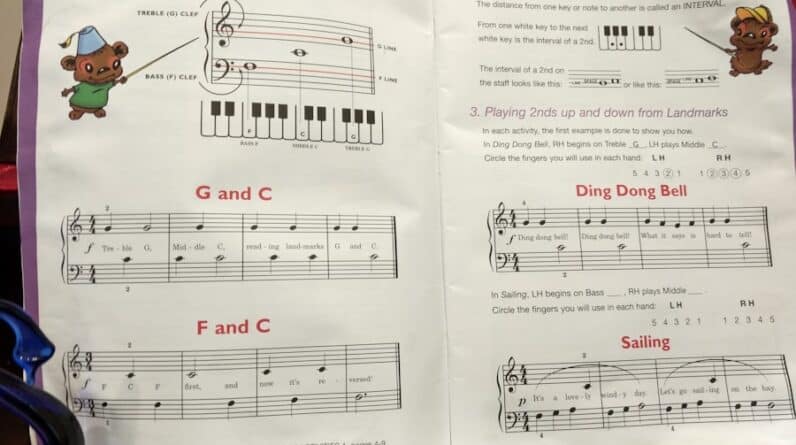
When you embark on the journey of vocal training, grasping the concepts of pitch and tone is essential. Pitch refers to the perceived frequency of a sound, determining how high or low a note is. It’s the foundation upon which melodies are built, and understanding it allows you to navigate musical landscapes with confidence.
You might find that pitch is not just about hitting the right notes; it’s also about expressing emotion and conveying meaning through your voice. As you explore different pitches, pay attention to how they resonate with your feelings and the messages you wish to communicate. Tone, on the other hand, encompasses the quality and character of your voice.
It’s what makes your singing unique and recognizable. While pitch can be adjusted and refined, tone is often a reflection of your personality and style. You may notice that different genres of music require varying tones; for instance, a classical piece might demand a more polished and controlled tone, while a pop song could benefit from a more relaxed and conversational quality.
By experimenting with both pitch and tone, you can develop a versatile vocal style that resonates with your audience.
Key Takeaways
- Understanding pitch and tone is essential for developing a strong and controlled singing voice.
- Proper breathing techniques are crucial for supporting your voice and maintaining vocal health.
- Vocal warm-up exercises help to prepare your voice for singing and prevent strain or injury.
- Finding your vocal range allows you to understand your strengths and limitations as a singer.
- Using vocal resonance can enhance the quality and power of your voice.
- Practicing scales and arpeggios can improve your vocal agility and accuracy.
- Embracing vocal control enables you to sing with precision and expression.
- Seeking professional guidance from a vocal coach or instructor can help you develop and refine your singing skills.
Proper Breathing Techniques
Diaphragmatic Breathing
You might start by practicing diaphragmatic breathing: place one hand on your chest and the other on your abdomen. As you inhale deeply, focus on expanding your abdomen rather than your chest. This technique not only provides better breath control but also helps you maintain a steady airflow while singing.
Breath Control Exercises
In addition to diaphragmatic breathing, consider incorporating breath control exercises into your routine. For instance, try inhaling for a count of four, holding for four, and exhaling for eight. This exercise trains your lungs to manage air efficiently, which is crucial when tackling longer phrases in songs.
Improving Vocal Performance
As you practice these techniques, you’ll likely notice an improvement in your vocal stamina and overall sound quality. Remember, proper breathing is not just about filling your lungs; it’s about learning to harness that breath to create beautiful music.
Vocal Warm-Up Exercises

Just as athletes warm up their muscles before a game, singers must prepare their vocal cords for performance. Vocal warm-up exercises are vital for ensuring that your voice is ready to tackle the demands of singing. These exercises help to increase blood flow to your vocal cords, improve flexibility, and prevent strain or injury.
You might start with simple humming or lip trills, which gently engage your vocal folds without putting too much pressure on them. These exercises can be done at various pitches, allowing you to gradually expand your range while warming up. Another effective warm-up technique involves scales and arpeggios.
Singing through scales helps to improve your pitch accuracy and vocal agility. You can begin with a simple five-note scale, ascending and descending in pitch, before moving on to more complex patterns. As you progress through these exercises, pay attention to how your voice feels; it should be relaxed and free from tension.
Incorporating a variety of warm-up exercises into your routine will not only prepare your voice for singing but also enhance your overall vocal technique.
Finding Your Range
Discovering your vocal range is an exciting part of developing as a singer. Your range refers to the span of notes you can sing comfortably, from the lowest to the highest pitch. To find your range, start by identifying your lowest note; this can be done by singing downwards from a comfortable middle C until you reach a note that feels strained or uncomfortable.
Once you’ve established your lower limit, move upwards in pitch until you reach the highest note you can sing without straining. This process may take some time, so be patient with yourself as you explore the full extent of your voice. Once you’ve identified your range, it’s important to understand how to use it effectively in your singing.
Different styles of music may require you to utilize various parts of your range, so experimenting with different genres can help you become more versatile. You might find that certain songs feel more comfortable in specific areas of your range, while others challenge you to push beyond your limits. Embrace this exploration as an opportunity for growth; expanding your range will not only enhance your singing ability but also boost your confidence as a performer.
Using Vocal Resonance
Vocal resonance plays a crucial role in shaping the quality of your sound. It refers to how sound waves interact with the spaces in your body—such as your throat, mouth, and nasal passages—creating a fuller and richer tone. To harness vocal resonance effectively, focus on where you feel vibrations when you sing.
You may notice that certain notes resonate more in your chest or head; understanding these sensations can help you adjust your technique accordingly. One way to enhance resonance is through proper vowel placement and articulation. Experiment with different vowel sounds while singing scales or simple melodies; notice how each vowel affects the resonance in your voice.
For instance, an “ah” sound may resonate differently than an “ee” sound. By consciously adjusting your vowel shapes and mouth positions, you can create a more vibrant sound that carries well without straining your voice. Incorporating resonance exercises into your practice routine will not only improve the quality of your singing but also make it easier for you to project your voice in various settings.
Practicing Scales and Arpeggios
Practicing scales and arpeggios is fundamental for any singer looking to improve their technique and musicianship. Scales provide a structured way to develop pitch accuracy and vocal agility, while arpeggios help you navigate chords smoothly. You might start with major scales, singing each note clearly and evenly before moving on to minor scales or even chromatic scales for added challenge.
As you practice these patterns, focus on maintaining consistent tone quality throughout each note; this will help build strength and control in your voice. Incorporating arpeggios into your practice routine can further enhance your vocal skills. Arpeggios consist of the individual notes of a chord sung in succession, allowing you to explore different intervals within your range.
Start with simple triads before progressing to more complex chords as you gain confidence. As you work through these exercises, pay attention to how they feel; aim for smooth transitions between notes while maintaining clarity in each sound produced. Regularly practicing scales and arpeggios will not only improve your technical abilities but also prepare you for more challenging repertoire.
Embracing Vocal Control
Vocal control is an essential aspect of singing that allows you to express emotions effectively and navigate complex musical passages with ease. Developing control over your voice involves mastering dynamics—how loud or soft you sing—as well as articulation—the clarity of each note and word. To enhance control, consider incorporating exercises that focus on varying dynamics; for example, practice singing a single note at different volumes or experiment with crescendo (gradually getting louder) and decrescendo (gradually getting softer) techniques.
Another key component of vocal control is learning how to manage vibrato—the slight variation in pitch that adds warmth and richness to sustained notes. To develop vibrato, try holding a note steadily before allowing it to oscillate slightly in pitch; this can be achieved through controlled breath support and relaxation of the throat muscles. As you practice these techniques, remember that control comes with time and patience; embrace the process as an opportunity for growth rather than striving for perfection immediately.
Seeking Professional Guidance
While self-study can be beneficial in developing your vocal skills, seeking professional guidance can provide invaluable insights tailored specifically to your needs as a singer. A qualified vocal coach can assess your technique, identify areas for improvement, and offer personalized exercises designed to help you reach your goals. Working with a coach allows for immediate feedback on aspects such as pitch accuracy, breath support, and overall performance quality—elements that are often difficult to evaluate on your own.
In addition to technical training, a vocal coach can also assist you in exploring repertoire that suits your unique voice and style. They can guide you through song selection based on your range and preferences while helping you interpret lyrics in ways that resonate with both you and your audience. Engaging with a professional not only accelerates your progress but also fosters a supportive environment where you can freely express yourself as an artist.
Embrace this opportunity for growth; investing in professional guidance can elevate your singing journey significantly. In conclusion, developing as a singer involves understanding various aspects of vocal technique—from pitch and tone to breathing techniques and resonance. By incorporating warm-up exercises, practicing scales and arpeggios, embracing vocal control, and seeking professional guidance, you can cultivate a strong foundation for your singing journey.
Remember that every singer’s path is unique; embrace the challenges along the way as opportunities for growth and self-discovery in the beautiful art of singing.