Are you looking to improve your voice and sound more confident and professional? In this article, we will explore some effective tips and techniques on how to have a good voice. Whether you want to enhance your public speaking skills, excel in singing, or simply communicate more effectively, these strategies will help you unlock the full potential of your voice. From proper breathing techniques to vocal exercises, we will cover everything you need to know to develop a captivating and compelling voice. So, let’s get started and discover how to unleash the power of your voice!

Understanding the Basics of a Good Voice
Importance of a Good Voice
Having a good voice is essential for anyone who wants to perform or communicate effectively. Whether you’re a singer, actor, public speaker, or even just someone who enjoys singing in the shower, a good voice can make all the difference in how you are perceived and how well you are received. A good voice not only sounds pleasant to the ear but also conveys emotion, clarity, and captivates the audience. It is a powerful tool that can leave a lasting impression.
Factors that Contribute to a Good Voice
Several factors contribute to the quality of a person’s voice. These include natural talent, proper breathing and vocal technique, vocal range, pitch and intonation, vocal projection, flexibility, and overall vocal health. While some people may be naturally gifted with a good voice, others can develop and improve their voice through practice and understanding of these different factors. By focusing on each aspect, you can unlock the full potential of your voice and enhance its quality.
Maintaining Physical Health for a Good Voice
Importance of Physical Health
Physical health plays a crucial role in maintaining a good voice. Just like any other muscle in the body, the vocal cords require proper care and conditioning. By adopting healthy habits and maintaining overall physical fitness, you can ensure that your vocal cords are in top shape and ready to deliver a stellar performance.
Exercises for Vocal Health
To maintain vocal health, it is essential to engage in exercises that promote the relaxation and flexibility of the vocal cords. Simple activities such as yawning, humming, and lip trills can help warm up the vocal cords and release any tension. Additionally, regular cardiovascular exercises, like jogging or swimming, can improve lung capacity, leading to better breath control and overall vocal stamina.
Avoiding Harmful Habits
To protect your vocal cords, it’s important to avoid certain habits that can harm your voice. Smoking, excessive alcohol consumption, and yelling or screaming can all lead to irritation and damage to the vocal cords. Additionally, staying hydrated by drinking enough water throughout the day can prevent vocal strain caused by dryness. By eliminating these harmful habits and maintaining good vocal hygiene, you can preserve the health and longevity of your voice.

Improving Breath Control
Understanding Breath Control
Breath control is a fundamental aspect of vocal technique and is crucial for sustaining long phrases, hitting high notes, and expressing emotions effectively. By mastering breath control, you can enhance your vocal performance and maintain consistency in your voice.
Breathing Exercises for Singers
To improve breath control, singers can engage in specific breathing exercises. One effective exercise is diaphragmatic breathing, where you inhale deeply through your nose, expand your diaphragm, and exhale slowly through your mouth. Another exercise is the “sighing” technique, where you imagine releasing a deep sigh and gently exhaling while maintaining a steady flow of air. These exercises help strengthen the diaphragm muscles, increase lung capacity, and improve airflow control.
Tips for Better Breath Control
In addition to breathing exercises, there are several tips that can help improve breath control. Maintaining good posture, with a straight back and relaxed shoulders, allows for unrestricted airflow. It’s also important to avoid shallow breathing and instead focus on deep, controlled breaths. Regular practice and mindful attention to breath control during vocal exercises and performances can lead to significant improvements in your overall vocal technique.
Developing Vocal Technique
Importance of Vocal Technique
Vocal technique refers to the precise control and manipulation of the voice to produce desired sounds and effects. It involves understanding vocal mechanisms, learning proper singing posture, and using correct vocal placement and resonance. Developing good vocal technique is essential for producing a well-rounded and controlled voice that can adapt to various styles and performances.
Warming up the Voice
Before engaging in any vocal practice or performance, it is crucial to warm up the voice to prevent strain and injury. Simple warm-up exercises, such as lip trills, tongue rolls, and gentle humming scales, can help relax the vocal cords and prepare them for more demanding vocal exercises. Proper warm-up routines gradually engage different vocal registers, ensuring that the voice is ready for the desired vocal range and intensity.
Practicing Scales and Vocal Exercises
Regular practice of scales and vocal exercises is essential for strengthening the voice and expanding its capabilities. Scales help improve pitch accuracy, intonation, and vocal flexibility. Vocal exercises, such as sirens, arpeggios, and vocal runs, target specific vocal techniques and help develop control, agility, and precision. By incorporating these exercises into your regular practice routine, you can enhance your vocal technique and take your voice to new heights.
Using Proper Resonance and Placement
Proper resonance and vocal placement involve utilizing the different resonating chambers in the body to produce a rich, vibrant sound. By understanding how to manipulate these resonators, such as the chest, mouth, nose, and head cavities, you can create a variety of tones and colors in your voice. Practicing vowel and consonant exercises that focus on proper resonance and placement can help improve the quality and clarity of your voice.

Finding Your Vocal Range
Understanding Vocal Range
Vocal range refers to the span of pitches a person can comfortably sing or speak. It encompasses the lowest and highest notes an individual can produce with ease. Discovering and understanding your vocal range is crucial for selecting appropriate songs, identifying vocal strengths, and seeking proper vocal training.
Identifying Your Vocal Range
To identify your vocal range, you can start by exploring your comfortable speaking range and gradually transitioning into your singing range. Begin by humming or singing comfortably in your speaking voice, then gradually slide up or down the pitch scale, paying attention to where your voice feels the most relaxed and free. This range, typically spanning several octaves, indicates your vocal range.
Expanding Your Vocal Range
While everyone has a natural vocal range, it is possible to expand and improve it through vocal exercises and proper vocal technique. Regular practice of scales, arpeggios, and vocal exercises that specifically target different areas of your range can help stretch and strengthen your voice. Working with a vocal coach or instructor can provide personalized guidance on expanding your range safely and maximizing your vocal potential.
Mastering Pitch and Intonation
Understanding Pitch and Intonation
Pitch refers to the highness or lowness of a sound, while intonation refers to the accuracy of pitch within a musical context. Mastering pitch and intonation is crucial for singing in key, harmonizing with others, and conveying emotions effectively through music.
Practicing Pitch Exercises
To improve pitch accuracy, singers can practice various pitch exercises. One effective exercise is vocalizing scales and arpeggios, paying attention to hitting each note accurately. Pitch-matching exercises, where you sing along with a piano or another instrument, can also help develop a keen sense of pitch. Regular practice of these exercises can enhance your ability to sing in tune and improve overall pitch accuracy.
Improving Intonation through Ear Training
Ear training is a valuable tool for developing a strong sense of intonation. Exercises such as interval recognition, melody playback, and chord identification help train your ears to recognize and reproduce different pitches accurately. By regularly incorporating ear training exercises into your practice routine, you can improve your ability to sing in tune and perform with confidence.

Enhancing Vocal Projection
Importance of Vocal Projection
Vocal projection refers to the ability to produce a powerful and resonant sound that can carry to a large audience without strain. It is crucial for performers who need to be heard clearly in various settings, from small theaters to outdoor venues.
Techniques for Improving Vocal Projection
To improve vocal projection, it is important to learn and practice specific techniques. One technique is proper breath support, where you engage your diaphragm muscles and allow the air to flow freely while speaking or singing. Maintaining an open throat, relaxed jaw, and good posture also contribute to better vocal projection. Experimenting with different vocal placements and resonance techniques, such as forward placement and mask resonance, can also improve the clarity and projection of your voice.
Using Resonators and Visualizations
To enhance vocal projection, singers can utilize resonators and visualizations. Resonators, such as the chest, nasal passages, and head cavities, amplify and enrich the sound produced. Imagining your voice resonating and filling up a specific space, or visualizing your sound waves traveling to the back of the room, can help mentally project your voice and create a more powerful and captivating performance.
Developing Vocal Flexibility
Understanding Vocal Flexibility
Vocal flexibility refers to the ability to transition smoothly between different vocal registers, styles, and techniques. Having vocal flexibility allows you to adapt to different songs, genres, and performance requirements, showcasing versatility and range in your voice.
Exercises for Improving Vocal Flexibility
To improve vocal flexibility, singers can engage in specific exercises that target transitions between different vocal registers. Exercises such as sirens, slides, and vocal runs help smoothen out vocal breaks and develop control over the entire vocal range. Practicing different vocal styles, such as classical, pop, or jazz, can also improve flexibility and expand your vocal repertoire.
Exploring Different Vocal Styles
To develop vocal flexibility, it is beneficial to explore and experiment with different vocal styles. Each style comes with its own set of techniques and characteristics, allowing you to expand your vocal capabilities and adapt to various musical genres. Working with a vocal coach who specializes in different styles can provide valuable guidance and help you explore new vocal territories.
Maintaining Vocal Health and Hygiene
Taking Care of Your Voice
Maintaining vocal health and hygiene is essential for preserving the longevity and quality of your voice. It involves adopting healthy habits and practices that protect and maintain the overall health of your vocal cords.
Proper Hydration
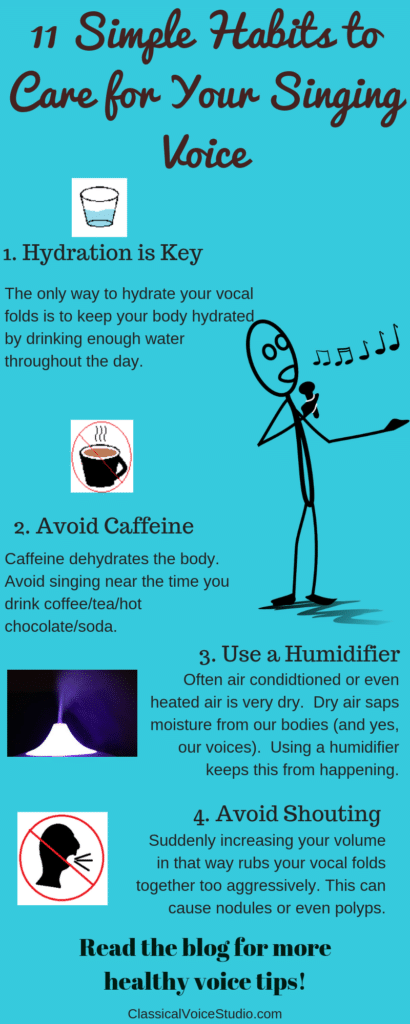
Proper hydration is crucial for optimal vocal health. Drinking enough water throughout the day helps keep the vocal cords lubricated and prevents dryness or irritation. Avoiding excessive caffeine and alcohol consumption, which can dehydrate the body, is also important.
Avoiding Strain and Overuse
Avoiding vocal strain and overuse is essential for vocal health. If you feel any discomfort or strain while singing or speaking, it is important to take breaks, rest your voice, and avoid pushing beyond your limits. It’s also important to avoid excessive shouting, whispering, or singing loudly, as these can strain the vocal cords and lead to vocal fatigue or injury.
Maintaining Good Oral Hygiene
Maintaining good oral hygiene is crucial for vocal health. Regularly brushing your teeth, cleaning your tongue, and gargling with warm saltwater can help prevent infections, eliminate bad breath, and maintain a healthy oral environment. Additionally, avoiding foods and beverages that can cause acid reflux or heartburn, which can damage the vocal cords, contributes to overall vocal health.
Seeking Professional Guidance
Importance of Professional Guidance
Seeking professional guidance is crucial for anyone looking to develop their voice and reach their full potential. Vocal coaches, teachers, and instructors provide valuable expertise, personalized feedback, and guidance tailored to your specific needs and goals.
Finding Vocal Coaches or Teachers
To find a vocal coach or teacher, you can start by asking for recommendations from fellow musicians, performers, or trusted individuals within the music community. Local music schools, universities, or community centers often offer vocal instruction or can provide recommendations for reputable instructors. Before committing to lessons, it is essential to research potential instructors, review their qualifications, and consider scheduling a trial lesson to ensure compatibility and effectiveness.
Participating in Vocal Workshops and Classes
Participating in vocal workshops, classes, or group lessons can complement individual instruction and provide additional learning opportunities. These settings often foster a supportive and collaborative environment that allows for valuable feedback, shared experiences, and growth as a vocalist. Additionally, workshops and classes may cover specific topics or techniques that can help you explore new aspects of your voice and broaden your vocal horizons.
In conclusion, developing and maintaining a good voice involves understanding the basics of vocal technique, maintaining physical health, improving breath control, mastering pitch and intonation, enhancing vocal projection, developing vocal flexibility, maintaining vocal health and hygiene, and seeking professional guidance. By investing time, effort, and dedication into these areas, you can unlock the true potential of your voice and achieve a level of artistry and expression that leaves a lasting impact on your audience.


