If you’ve always dreamt of being a talented singer, you’re in luck! This article will provide you with valuable tips on how to improve your singing skills quickly. Whether you’re a beginner or have some experience, you’ll discover effective techniques and exercises that will help you reach your goals. So, let’s dive into the world of singing and unlock your hidden vocal talents!

Choosing the right vocal coach
When you decide to embark on a journey to improve your singing, one of the most important decisions you will make is finding the right vocal coach. Researching vocal coaches in your area is a great first step. Look for coaches who specialize in the style of music you want to sing and who have experience working with singers at your skill level.
While researching potential vocal coaches, pay attention to their credentials and experience. Look for coaches who have a background in music education, vocal performance, or a related field. It can also be helpful to find out if they have any professional experience as a singer themselves, as this can provide valuable insights and guidance.
Seeking recommendations from other singers is another valuable strategy when choosing a vocal coach. Talk to your fellow singers, either in person or through online singing communities, and ask for recommendations. Hearing about their experiences with different coaches can give you a better idea of what to expect and help you make an informed decision.
Once you have narrowed down your options, scheduling trial lessons with your top choices is a crucial step. This will give you an opportunity to see how you connect with the coach on a personal level and how they approach teaching. It is important to feel comfortable and supported by your vocal coach, so these trial lessons are a valuable tool in helping you make the right choice.
Understanding basic vocal techniques
Understanding and practicing basic vocal techniques is essential for improving your singing. Breathing exercises and diaphragmatic support are key aspects of developing a strong foundation. By learning how to use your breath effectively and engage your diaphragm, you can achieve better control and power in your singing.
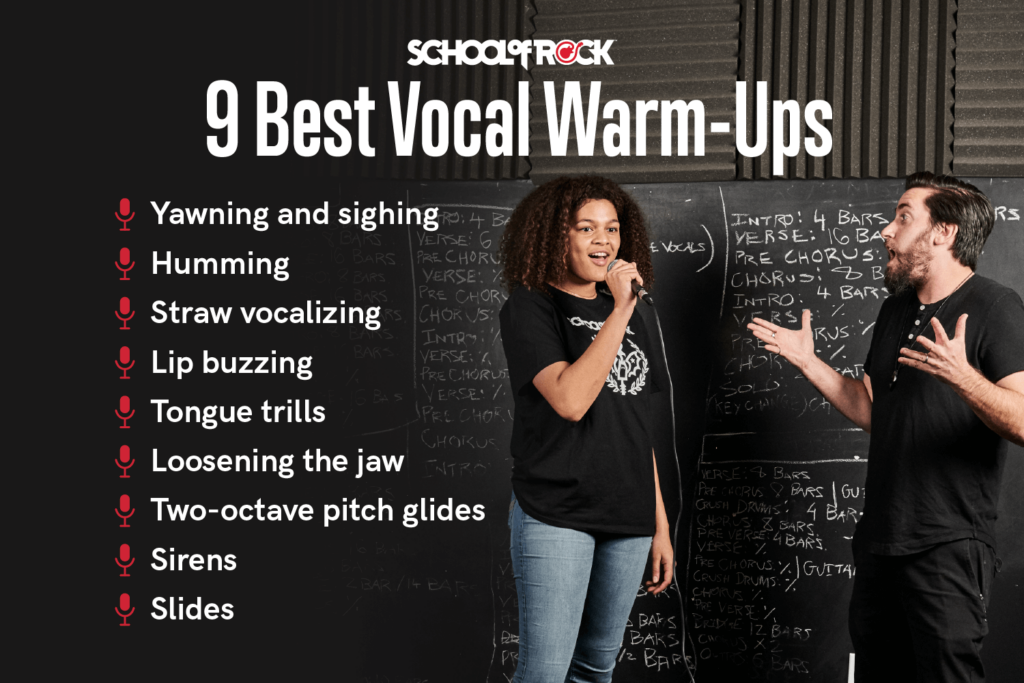
Vocal warm-ups and cooldowns are also crucial in maintaining vocal health and preparing your voice for singing. These exercises help to prevent strain and injury by gently warming up the vocal cords and muscles surrounding the larynx.
Posture and body alignment play a significant role in vocal technique as well. Proper posture allows for optimal breath support and helps maintain the alignment of the vocal instrument. Pay attention to your body alignment, ensuring that your spine is straight and your shoulders are relaxed and dropped.
Diction and pronunciation are vital aspects of delivering clear and articulate vocals. Practice enunciation exercises to improve your clarity and focus on proper vowel and consonant pronunciation.
Developing a consistent practice routine
To truly improve your singing, it is necessary to establish a consistent practice routine. Setting specific goals is the first step in creating a focused practice routine. Whether you want to work on a particular song, increase your vocal range, or improve your pitch accuracy, outlining clear objectives will drive your practice sessions.
Creating a practice timetable is crucial to ensure that you dedicate sufficient time to your vocal practice. Consider how much time you can realistically commit to practicing each day and distribute it across your goals. Having a structured approach will help you stay organized and motivated.
Balancing vocal exercises with song repertoire is essential for comprehensive skill development. While vocal exercises help improve technique and flexibility, singing songs allows you to apply those skills in a more musical context. Strive to find a balance between the two in your practice sessions.
Tracking your progress as you practice is an effective way to measure improvement and make adjustments to your routine. Keep a practice journal where you can record your goals, exercises, and any challenges or breakthroughs you experience. This will help you identify areas that need more attention and celebrate your milestones.
Building vocal strength and flexibility
Building vocal strength and flexibility is an important aspect of becoming a better singer. Daily vocal exercises and scales are key components of this process. These exercises target different areas of your vocal range and help develop strength and control over time.
Increasing vocal range and agility is another goal when building vocal strength and flexibility. Working on exercises that incorporate different intervals and scales can expand your range and improve your ability to navigate between notes smoothly.
Correcting vocal breaks and transitions is a common concern for many singers. By focusing on exercises that target these challenging areas, you can smooth out these transitions and achieve a more seamless vocal performance.
Vocal health and hydration are essential for building vocal strength and flexibility. Remember to drink plenty of water to keep your vocal cords hydrated and avoid straining your voice. Additionally, practicing good vocal hygiene, such as avoiding excessive vocal strain and resting your voice when needed, will help maintain vocal health.
Improving pitch accuracy
Improving pitch accuracy is a vital aspect of singing. Ear training exercises are an effective way to develop your ability to hear and reproduce different pitches accurately. Practice exercises that involve singing intervals and scales, which will train your ear to recognize and reproduce specific pitches.
Using vocal pitch correction tools, such as recording yourself and using software that visually displays your pitch, can also be helpful in improving your pitch accuracy. These tools provide immediate feedback and allow you to identify areas that need improvement.
Practicing with a tuner or piano is an additional method to improve pitch accuracy. By singing along with a reference pitch, you can train your ear to match and reproduce different notes.
Mastering vocal control and dynamics
Mastering vocal control and dynamics is crucial for delivering an expressive and engaging performance. Controlled breathing and airflow management are fundamental aspects of vocal control. Practice exercises that focus on controlling your breath and using the appropriate amount of air for different phrases.
Vocal dynamics, including singing softly, loudly, and exploring crescendos and decrescendos, add depth and emotion to your singing. Devote time to practice these ranges of dynamics to develop control over your vocal volume and expression.
Fine-tuning vocal expression and interpretation is a continuous process that involves experimenting with different phrasing and subtle variations in delivery. Take time to explore different interpretations of songs and experiment with different vocal techniques to find your unique expression.
Working on phrasing and nuanced delivery is another aspect of mastering vocal control. Pay attention to the lyrical and musical structure of a song and emphasize important moments or words to create a more impactful performance.
Developing musicality and rhythm
Developing musicality and rhythm is essential for becoming a well-rounded singer. Listening to various musical genres is a great way to expose yourself to different styles, rhythms, and melodies. This exposure will broaden your musical vocabulary and influence your own singing style.
Interpreting rhythms and syncopation is another skill that can enhance your singing. Practice clapping or tapping along to various rhythmic patterns to improve your sense of timing and develop a solid internal rhythm.
Understanding song structure and dynamics is crucial for delivering a well-rounded performance. Pay attention to the different sections of a song, such as verses, choruses, and bridges, and understand how they contribute to the overall flow and narrative of the music.
Creating vocal harmonies is an advanced skill that adds depth and complexity to your singing. Experiment with harmonizing with yourself or other singers to develop your ability to blend voices and create beautiful harmonies.
Working on vocal resonance and tone
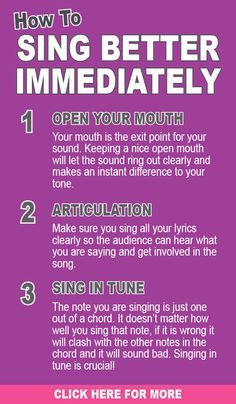
Working on vocal resonance and tone is an important aspect of developing a unique and pleasing vocal quality. Vowel and consonant exercises can help refine your articulation and improve the clarity of your singing. Focus on producing clear and distinct vowel sounds and practice exercises that target specific consonants.
Resonance placement techniques can be used to enhance vocal tone and projection. Experiment with different resonance placements, such as using the mouth or nasal cavity, to achieve various vocal timbres and tones.
Controlling nasality and breathiness is crucial for achieving a balanced and controlled vocal tone. Practice exercises that focus on reducing excessive nasality or breathiness to achieve a more focused and resonant sound.
Improving vocal timbre involves developing your own unique vocal color and quality. Experiment with different vocal techniques, such as adding vibrato or experimenting with different vocal placements, to discover your own distinct vocal timbre.

Engaging in performance opportunities
Engaging in performance opportunities is a fantastic way to apply your skills and gain valuable experience. Joining a choir or vocal group can provide you with opportunities to learn from other singers, improve your vocal blend, and enhance your overall musicianship.
Participating in open mic nights or performing at local venues allows you to showcase your talent and gain confidence performing in front of an audience. These experiences can help you become more comfortable on stage and refine your stage presence.
Taking part in singing competitions can push you to challenge yourself and receive feedback from industry professionals. Competitions can provide valuable exposure and opportunities for networking with other singers and industry insiders.
Overcoming stage fright and performance anxiety
Overcoming stage fright and performance anxiety is a common struggle for many singers. Breathing and relaxation techniques, such as deep belly breathing and progressive muscle relaxation, can help calm your nerves and reduce anxiety before performances.
Visualization and positive self-talk are powerful tools to overcome stage fright. Visualize yourself performing confidently and successfully, and replace negative thoughts with positive affirmations. Remind yourself of your talent, hard work, and preparation.
Seeking support from fellow singers or a therapist can make a significant difference in managing and overcoming stage fright. Talking to others who have experienced similar feelings can provide reassurance and support. If your stage fright becomes overwhelming, seeking the guidance of a therapist can help you address and manage your anxiety.
Gradual exposure to performing is a key strategy for overcoming stage fright. Start with small, low-pressure performances and gradually work your way up to larger and more challenging stages. Each successful performance will boost your confidence and help reduce anxiety over time.
In conclusion, improving your singing requires dedication, practice, and guidance from a knowledgeable vocal coach. By choosing the right coach, understanding and practicing basic techniques, developing a consistent practice routine, building vocal strength and flexibility, improving pitch accuracy, mastering vocal control and dynamics, developing musicality and rhythm, working on vocal resonance and tone, engaging in performance opportunities, and overcoming stage fright and performance anxiety, you can get good at singing fast. Stay committed to your vocal journey, and embrace the joy of singing as you continue to grow and develop as a vocalist.


