If you’ve ever dreamed of serenading crowds with your incredible voice, then this article is for you. Whether you’re just starting out or looking to improve your skills, “How To Become A Better Singer” has all the tips and tricks you need to take your singing abilities to the next level. From proper breathing techniques to vocal exercises that will strengthen your voice, this article covers everything you need to know to become a more confident and skilled singer. So get ready to hit those high notes and leave your audience in awe!

Vocal Technique
Breathing exercises
Mastering proper breathing techniques is crucial for singers. Deep breathing exercises, such as diaphragmatic breathing, can help improve breath control and support. Start by sitting or standing with good posture and placing one hand on your abdomen. Inhale deeply and feel your abdomen expand as you fill your lungs with air. Exhale slowly, releasing the air from your abdomen first and then from your lungs. Practice this exercise regularly to strengthen your breath control.
Warm-up routines
Before singing, it is important to warm up your vocal cords and muscles to prevent strain during your performance. Begin with gentle lip trills or humming scales to gently wake up your voice. Gradually increase the intensity of your warm-up by singing scales, arpeggios, and vocal sirens through your vocal range. Remember to start from the bottom and work your way up to avoid straining your voice.
Vocal exercises
Regular vocal exercises can improve your vocal technique and range. Explore different exercises that target specific aspects of your voice, such as breath control, vowel clarity, and agility. For example, practice sustained notes, scales, and arpeggios to develop your range and flexibility. Consistency is key when it comes to vocal exercises, so make sure to dedicate time each day to practice.
Pitch accuracy
Pitch accuracy is essential for singing in tune. To improve your pitch recognition and accuracy, practice matching pitches using a piano or a pitch matching app. Start with simple intervals, such as octaves or fifths, and gradually progress to more challenging intervals. Additionally, ear training exercises can help train your ear to identify and reproduce different pitches accurately.
Vocal range expansion
Expanding your vocal range can open up new possibilities in your singing. Gradually work on extending your range by practicing exercises that target both the low and high ends of your voice. Start by exploring the extremes of your range in a controlled and supported manner. Over time, with consistent practice and proper technique, you can expand your vocal range and discover new vocal capabilities.
Ear Training
Pitch recognition
Training your ear to recognize different pitches is essential for singers. Practice pitch recognition exercises by listening to a note and trying to identify its pitch. Start with simple melodies and gradually progress to more complex ones. You can also use ear training apps or online resources to enhance your pitch recognition skills.
Interval recognition
A strong understanding of intervals will greatly benefit your singing. An interval is the distance between two pitches, and being able to identify them will help you with melody and harmony. Practice interval recognition by listening to different intervals and identifying their distance. Start with basic intervals, such as the perfect fifth or major third, and gradually move on to more challenging ones.
Tone matching
Tone matching exercises can improve your ability to accurately replicate and match the tone or quality of a given sound. Practice matching the tone of different instruments, such as a piano or guitar, by listening closely and trying to mimic their sound with your voice. This exercise will help develop your ear for nuances in tone and improve your overall vocal control.
Harmonic recognition
Harmonic recognition is essential for singing in harmony with others. Train your ear to recognize and reproduce harmonies by listening to different harmonies and identifying their notes. Singing along with harmonies in songs or in a choir setting can also help develop your harmonic recognition skills.

Posture and Body Control
Proper posture
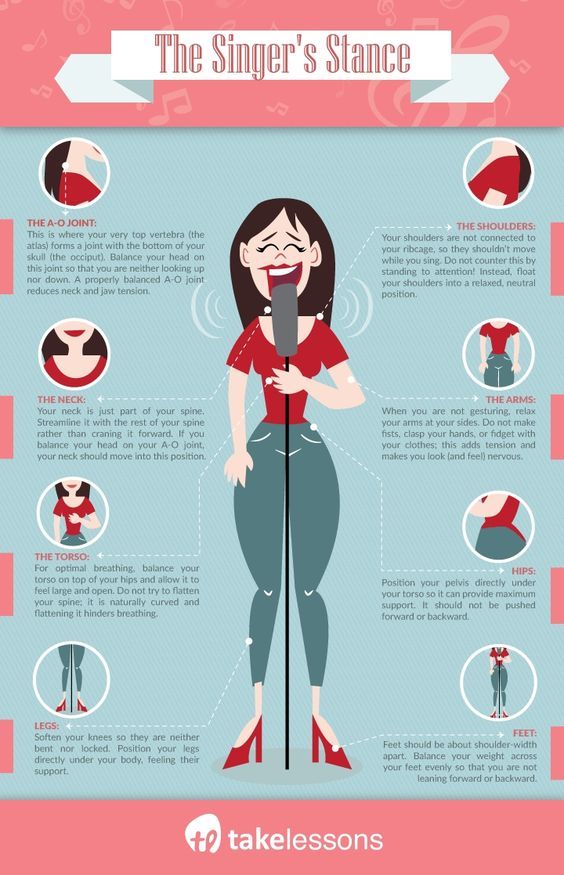
Maintaining proper posture is vital for optimal vocal production. Stand or sit up straight, with your shoulders relaxed and down. Keep your chin parallel to the ground and avoid tensing your neck. Good posture allows for the unrestricted flow of air and promotes healthy vocal technique.
Relaxation exercises
Relaxation exercises can help release tension in your body, allowing for better vocal control. Start by gently stretching your neck, shoulders, and jaw to release any tightness. Practice deep breathing exercises to relax your body and mind before singing. Incorporating relaxation techniques into your warm-up routine can significantly improve your vocal performance.
Body alignment
Proper body alignment contributes to better vocal resonance and projection. Align your body from head to toe, ensuring that your neck, shoulders, and spine are in a straight line. Good alignment allows your breath to flow freely and supports a more powerful and controlled voice.
Engaging the diaphragm
The diaphragm is a crucial muscle involved in proper breath support for singing. Learn to engage and strengthen your diaphragm by practicing diaphragmatic breathing exercises. Focus on expanding your lower ribcage and keeping your abdomen relaxed while inhaling deeply. Engaging the diaphragm will enhance your breath control and overall vocal technique.
Diction and Pronunciation
Enunciation exercises
Clear and precise enunciation is essential for conveying your message as a singer. Practice enunciation exercises by exaggerating and articulating each syllable of a word or phrase. Slowly speak or sing the lyrics while paying close attention to the clarity of each consonant and vowel sound.
Articulation practice
Articulation exercises can improve the clarity of your lyrics and help you articulate words more precisely. Practice tongue twisters or vocal exercises that target specific consonant sounds. Focus on crisp and sharp articulation of each word, allowing your lyrics to be easily understood by your audience.
Phonetic pronunciation
Understanding phonetic pronunciation can help you accurately pronounce words in different languages or dialects. Study phonetic symbols and sound patterns to ensure proper pronunciation of lyrics. Utilize resources like pronunciation guides or consult with a vocal coach to master the phonetic pronunciation of songs.
Sibilance control
Sibilance refers to the hissing sound produced by certain consonants, such as ‘s’, ‘sh’, or ‘ch’. Practice exercises that target sibilance control to minimize unwanted hissing sounds in your singing. Focus on maintaining a relaxed tongue position and positioning consonant sounds correctly to achieve better control over sibilance.
Performance Techniques
Expression and emotion
Connecting with your audience through expression and emotion is key to delivering a memorable performance. Practice conveying different emotions while singing, experimenting with facial expressions, body language, and vocal dynamics. Connect the lyrics with your personal experiences to create a genuine and heartfelt performance.
Stage presence
Developing a strong stage presence enhances the impact of your performance. Work on your stage presence by practicing confident body movements, engaging eye contact, and commanding the stage with your presence. Incorporate movement and gestures that complement the mood and energy of the song.
Microphone control
Mastering microphone control is crucial for ensuring your voice is captured and amplified effectively during performances. Practice microphone techniques, such as adjusting the distance and angle from the microphone, to achieve optimal sound quality. Experiment with microphone placement to find the best position for your voice.
Audience interaction
Engaging with your audience can enhance the connection between you and your listeners. Include moments in your performance where you interact with the audience, such as making eye contact, acknowledging applause, or encouraging sing-alongs. This interaction creates a more engaging and memorable experience for everyone involved.
Dynamic control
Effective use of dynamics adds depth and emotion to your singing. Practice varying the volume and intensity of your voice throughout a song to create contrast and emphasize certain parts. Experiment with different vocal expressions, such as crescendos and decrescendos, to convey different emotions and captivate your audience.
Music Theory
Note recognition
Having a solid understanding of note recognition is essential for sight-reading and learning music efficiently. Practice identifying notes on the musical staff and associating them with their corresponding pitch. Start with identifying notes in the treble clef and gradually move on to the bass clef.
Sight-reading
Sight-reading is the ability to read and perform music on the spot. Practice sight-reading exercises by attempting to sing unfamiliar musical pieces without prior preparation. Start with simple melodies and gradually progress to more complex compositions. Sight-reading regularly will improve your ability to quickly interpret and perform new music.
Understanding scales and modes
Understanding scales and modes is fundamental to navigating and interpreting different genres of music. Familiarize yourself with major and minor scales, as well as modes like the Dorian or Mixolydian. Practice singing scales and modes to develop your pitch control and improve your overall musicality.
Harmony awareness
Harmonizing effectively requires an understanding of different harmonies and their relationships to the melody. Practice identifying and singing harmonies by analyzing chord progressions and their corresponding harmonies. Pay attention to chord qualities and how they interact with the melody to create harmonies.
Recording and Listening
Recording vocals
Recording your vocals allows you to analyze and improve your singing technique. Invest in a quality microphone and recording software to capture your voice accurately. Experiment with different microphone placements and settings to achieve the desired sound. Regularly record your singing to monitor your progress and identify areas for improvement.
Analyzing recordings
Listening closely to your recordings can provide valuable feedback on your singing performance. Pay attention to pitch accuracy, tone quality, and overall vocal technique. Identify areas where you can improve and experiment with different approaches to enhance your vocal delivery.
Identifying areas of improvement
When listening to your recordings, focus on identifying specific areas of improvement in your singing. It could be pitch accuracy, breath control, diction, or any other aspect of your vocal technique that needs refinement. Use this feedback to create targeted practice sessions and address these areas effectively.
Comparing to professional recordings
Listening to professional recordings can serve as a valuable benchmark for your own singing. Compare your recordings to those of accomplished singers in the same genre and analyze the similarities and differences. Take note of the techniques and nuances they employ, and incorporate them into your own singing style.
Health and Vocal Care
Proper hydration
Staying hydrated is crucial for maintaining vocal health. Drink plenty of water throughout the day to keep your vocal cords lubricated and prevent dryness. Avoid excessive caffeine and alcohol consumption, as they can dehydrate your body and affect your vocal performance.
Vocal warm-up and cool-down
Always warm up and cool down your voice before and after singing. Incorporate gentle vocal exercises to warm up your vocal cords and stretch your range. After singing, perform cool-down exercises to release any tension that may have built up during your performance.
Avoiding vocal strain
Singing with excessive tension or strain can lead to vocal damage. Avoid pushing your voice beyond its limits and know your vocal range and capabilities. Listen to your body and recognize when you need to rest or take breaks during practice sessions or performances.
Maintaining overall health
Leading a healthy lifestyle is crucial for maintaining optimal vocal care. Get enough sleep, exercise regularly, and eat a balanced diet to keep your body and vocal cords in good condition. Avoid smoking and exposure to secondhand smoke, as they can harm your voice and contribute to vocal problems.

Seeking Professional Guidance
Vocal coach
Working with a vocal coach can greatly accelerate your progress as a singer. A vocal coach can assess your strengths and weaknesses, provide personalized guidance, and help you develop a solid vocal technique. They can also offer valuable feedback and tailor exercises to target specific areas of improvement.
Voice lessons
Taking regular voice lessons can provide structure and accountability to your vocal training. A voice teacher can guide you through proper warm-up routines, vocal exercises, and repertoire selection. They can also help you explore different genres and styles, expanding your musical repertoire and versatility.
Performance coach
If you aspire to be a professional performer, consider working with a performance coach. A performance coach can help you refine your stage presence, connect with your audience, and develop a unique performance style. They can also help you overcome stage anxiety or performance-related challenges.
Practice and Consistency
Setting practice goals
Setting specific practice goals can help you stay focused and make progress as a singer. Break down your goals into smaller, achievable tasks that align with your overall musical aspirations. Whether it’s improving a specific vocal technique or learning a challenging song, having clear goals will keep you motivated and on track.
Establishing a routine
Consistency is key when it comes to vocal improvement. Establish a regular practice routine that works with your schedule and commit to it. Dedicate a specific time each day to focus on your vocal exercises, warm-ups, and song practice. Consistent practice will build muscle memory and accelerate your progress.
Regular vocal exercises
Regular vocal exercises are essential for maintaining and improving your vocal technique. Set aside time in each practice session for vocal exercises that target breath control, pitch accuracy, and agility. Focus on areas of weakness and gradually increase the difficulty of your exercises as you progress.
Focus on areas of weakness
Identify areas of weakness in your singing and dedicate focused practice time to address them. Whether it’s breath control, pitch accuracy, or diction, concentrate on improving these specific aspects. Break down the challenging areas into smaller exercises and practice them consistently until you see improvement.
With these comprehensive strategies and techniques, you are well on your way to becoming a better singer. Remember, continuous practice and regular performance opportunities are crucial for honing your skills. So, keep your passion alive, stay dedicated, and enjoy the journey of becoming the best singer you can be.


