Have you ever dreamed of becoming a good singer? Whether you’re a beginner just starting out or someone with no prior experience, this article will guide you on your journey towards becoming a skilled vocalist. From basic vocal exercises to tips on finding your unique voice, you’ll learn everything you need to know to kickstart your singing career. So grab a pen, warm up those vocal cords, and get ready to discover the secrets of becoming a good singer!
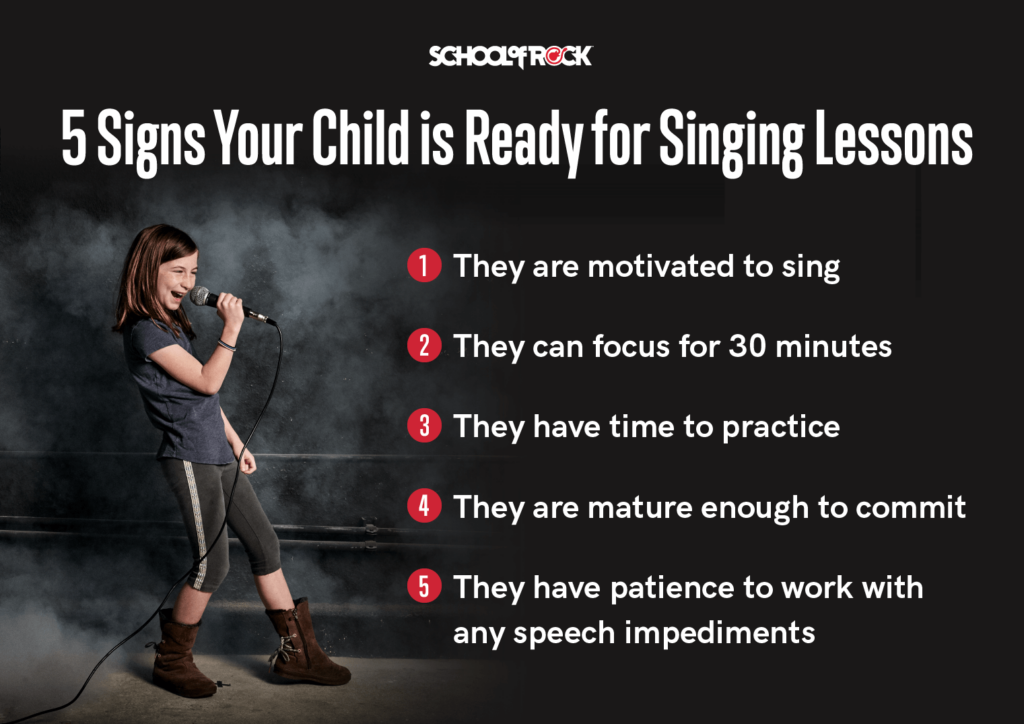
Finding Your Voice
Developing your unique sound
Finding your voice as a singer is an exciting journey of self-discovery. Your unique sound is what sets you apart from other singers and allows you to express yourself authentically. Developing your voice begins with embracing your natural tone and exploring the qualities that make it distinct. Experiment with different styles and genres to find the one that resonates with you the most. Remember, it’s not about sounding like someone else, but about finding your own voice and singing from the heart.
Discovering your vocal range
Every singer has a vocal range, which refers to the span of notes they can comfortably sing. To discover your vocal range, start by finding your comfortable speaking voice and gradually explore higher and lower notes. This exploration can be done by humming or singing scales. Pay attention to any strain or discomfort and try to avoid pushing your voice beyond its limits. Understanding your vocal range will help you choose songs that suit your voice and allow you to showcase your strengths as a singer.
Improving vocal control
Having control over your voice is essential for delivering a polished performance. Vocal control involves developing the ability to navigate through different registers smoothly and effortlessly. One effective technique for improving control is practicing vocal exercises that focus on breath control, pitch accuracy, and dynamic control. Working with a vocal coach can also provide valuable guidance on proper technique and exercises tailored to your specific needs. With consistent practice and diligence, you can enhance your vocal control and become a more confident singer.
Basic Singing Techniques
Breathing exercises
Proper breath control is the foundation of good singing technique. By practicing breathing exercises, you can develop the necessary support to sustain long phrases and hit high notes with ease. One effective exercise is diaphragmatic breathing, where you place a hand on your abdomen and focus on expanding your belly as you inhale deeply. This technique allows for a steady flow of breath and improves vocal stability. Regularly incorporating breathing exercises into your practice routine will help you build strength and control over your breath.
Posture and body alignment
Maintaining good posture while singing is crucial for optimal vocal production and preventing strain. Stand tall with your feet shoulder-width apart and your shoulders relaxed. Keep your head aligned with your spine and avoid slouching or leaning forward. Engaging your core muscles can also provide additional support for your breath control. By practicing good posture habits, you create an open and unrestricted space for your voice to resonate, resulting in a more powerful and consistent sound.
Phrasing and articulation
Phrasing and articulation play a significant role in bringing a song to life. Phrasing refers to how you shape and structure each line or phrase, highlighting the musical phrasing and lyrical meaning. Experiment with different nuances such as crescendos, decrescendos, and pauses to add expressiveness to your singing. Articulation, on the other hand, involves clear and precise pronunciation of words and vowels. Practice tongue twisters and vocal exercises that focus on diction to improve your articulation skills and ensure that your lyrics are understood by your audience.

Warming Up and Vocal Health
Importance of warming up
Warming up your voice before singing is essential to prevent vocal strain and injury. Like any other physical activity, singing requires a gradual warm-up to prepare the muscles and vocal cords for optimal performance. Begin with gentle exercises that focus on gently stretching and relaxing the muscles involved in singing. This can include lip trills, humming, and sirens. By gradually increasing the intensity and range of your warm-up exercises, you can ensure that your voice is ready to tackle the demands of your singing session.
Vocal exercises for warming up
Effective warm-up exercises can help improve your vocal range, flexibility, and agility. Begin with lip trills, where you lightly press your lips together and exhale to create a buzzing sound. This exercise helps to release tension and warm up your entire vocal mechanism. Tongue trills and sirens can also be incorporated into your warm-up routine to further engage the muscles and prepare your voice for singing. Remember to start gently and gradually increase the difficulty of the exercises to avoid strain or vocal fatigue.
Tips for maintaining vocal health
Taking care of your voice is essential for singers of all levels. Here are some tips to maintain vocal health:
-
Stay hydrated: Drink plenty of water throughout the day to keep your vocal cords hydrated and prevent dryness.
-
Limit vocal strain: Avoid yelling, screaming, or whispering excessively, as these can strain your vocal cords. Rest your voice when you feel tired or if you have been speaking or singing for an extended period.
-
Avoid irritants: Stay away from smoke, alcohol, and overly spicy foods, as they can irritate the vocal cords. Opt for humidifying the air in your surroundings to prevent dryness.
-
Get enough rest: Adequate sleep is crucial for vocal recovery and overall well-being. Make sure to prioritize rest and relaxation to maintain your vocal health.
By incorporating these practices into your daily routine, you can ensure that your voice remains in optimal condition for singing.
Pitch and Intonation
Understanding pitch
Pitch refers to the highness or lowness of a musical note. Developing a strong sense of pitch is crucial for singing in tune and harmonizing with other musicians. Begin by training your ear to recognize different pitches. One effective exercise is to play a note on a keyboard or piano and try to match it with your voice. Over time, you will become more adept at identifying and reproducing specific pitches accurately. With practice, your pitch accuracy will improve, allowing you to sing confidently and harmoniously.
Ear training exercises
Ear training exercises are invaluable for singers looking to improve their pitch and intonation. One exercise involves singing intervals, which are the distances between two notes. Start with small intervals, such as a major second or minor third, and practice going up and down the scale. Gradually progress to larger intervals to challenge your ear and voice. Additionally, practicing solfege (do, re, mi) and sight-singing exercises can further refine your ear and enhance your overall musicianship.
Improving intonation
Intonation refers to the accuracy of hitting the right pitch accurately. One effective way to improve intonation is to practice singing with an accompaniment or backing track. This allows you to develop a strong sense of pitch by hearing and adjusting to the musical context. Additionally, recording your singing and evaluating it with a critical ear can help identify areas that need improvement. Working with a vocal coach or joining a singing group can also provide valuable feedback and guidance in improving your intonation.
Vocal Projection and Resonance
Creating vocal projection
Vocal projection refers to the ability to make your voice carry to the back of the room without straining or forcing. To create vocal projection, focus on the proper use of breath support and engaging the muscles in your abdomen and diaphragm. This allows for a strong and steady flow of air, which is essential for producing a powerful sound. Experiment with different vowel shapes and positions of the mouth to discover what resonates best for you. By practicing projection exercises, such as sustained notes and vocal scales, you can develop the necessary strength and control for projecting your voice effectively.
Developing resonance
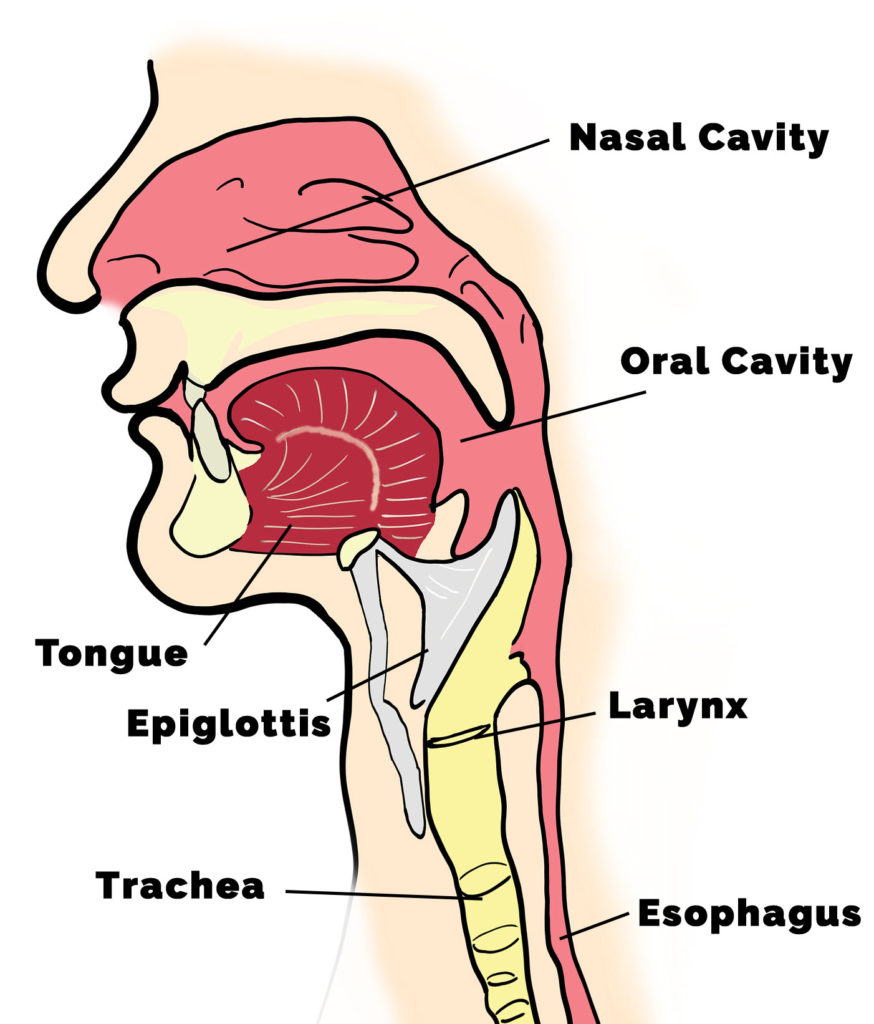
Resonance is a key element in creating a rich and vibrant vocal tone. It refers to the amplification and enrichment of the sound produced by your vocal cords. To develop resonance, focus on creating space in the back of your throat and allowing the sound to resonate freely. Imagine the sound bouncing off the walls of a room as you sing. Practicing vocal exercises that encourage open throat and proper breath support can also help enhance resonance. As you continue to explore and refine your technique, you will discover the unique resonance that gives your voice its distinct character and beauty.
Exercises for vocal projection
Building vocal projection requires consistent practice and targeted exercises. One exercise involves humming and gradually increasing the volume and intensity while focusing on maintaining a steady flow of breath. Lip trills and tongue trills can also be incorporated into your routine to further develop muscle control and coordination. Projecting your voice while singing scales or sustained notes can also help strengthen your vocal projection. As you become more comfortable with these exercises, aim to apply the projected sound to your songs and performances, creating a captivating and impactful vocal presence.
Artistry and Expression
Interpreting songs
Interpreting songs is an essential skill for singers to convey emotion and connect with their audience. Start by thoroughly understanding the lyrics and the story they tell. Pay attention to the mood, intention, and emotions expressed in the song. Experiment with different phrasing, dynamics, and vocal inflections to bring the lyrics to life. Don’t be afraid to make the song your own by adding your unique interpretations and personal touches. Remember, the goal is to create a genuine and heartfelt connection with your listeners through your expression and interpretation.
Adding emotion and dynamics
Adding emotion and dynamics to your singing can make your performances truly captivating and memorable. Focus on understanding the emotional arc of the song and experiment with different ways to convey those emotions vocally. Use dynamics such as crescendos and decrescendos to add depth and contrast to your performance. Experiment with different vocal effects, such as vibrato or falsetto, to enhance the emotional impact of certain sections. Allow yourself to be vulnerable and let the emotion behind the lyrics shine through in your voice.
Developing your own style
Developing your own style as a singer is an ongoing process that involves combining your unique vocal qualities with your personal musical influences. Listen to a wide range of singers and genres to expand your musical palette and discover what resonates with you. Identify the aspects of your favorite singers’ performances that inspire you and incorporate them into your own singing style. Experiment with different vocal techniques, phrasing, and artistic choices to develop your own signature sound. Embrace your individuality and let it shine through your music, creating a style that is uniquely yours.

Stage Presence and Performance Skills
Connecting with the audience
Building a connection with your audience is crucial for engaging and capturing their attention during performances. Start by establishing eye contact and smiling genuinely, creating a warm and inviting atmosphere. Use your body language to express the emotions and dynamics of the song, engaging with gestures and movements that support the lyrics. Interact with the audience when appropriate, such as encouraging them to clap along or sing along. Remember, connecting with your audience is about sharing your music and creating a memorable experience for everyone involved.
Overcoming stage fright
Stage fright is a common challenge for many singers, but with practice and preparation, it can be overcome. Start by visualizing successful performances and positive outcomes. Practice your songs thoroughly to build confidence in your abilities. Utilize relaxation techniques such as deep breathing or stretching to calm nerves before going on stage. Gradually expose yourself to performing in front of others, starting with smaller audiences or open mic nights. Remember that stage fright is natural and that the audience wants you to succeed. Embrace the excitement and energy of performing and use it to enhance your stage presence.
Improving stage presence
Stage presence involves captivating and commanding the attention of your audience throughout your performance. To improve your stage presence, focus on your body language and movements. Use the stage space effectively and move with purpose and confidence. Engage with the song’s lyrics and emotions, allowing them to guide your physical expression. Experiment with different stage setups, props, or lighting effects to enhance the visual aspect of your performance. Regularly recording and evaluating your performances can provide valuable feedback on areas to improve and refine your stage presence.
Vocal Care and Maintenance
Proper hydration
Keeping your vocal cords hydrated is essential for maintaining optimal vocal health. Drink plenty of water throughout the day, especially when engaging in singing or other vocal activities. Aim for at least 8 glasses of water daily, and avoid excessive caffeine or alcohol consumption as they can dehydrate the vocal cords. Additionally, using a humidifier in your living space can prevent dryness, especially during the winter months or in dry climates. Proper hydration will ensure that your vocal cords stay lubricated and function optimally.
Avoiding vocal strain
Vocal strain can occur when you push your voice beyond its limits or use improper singing techniques. To avoid vocal strain, practice proper breath support and ensure that you are not putting excessive tension or pressure on your vocal cords. Avoid yelling or screaming excessively, as this can cause stress and strain on the vocal mechanism. If you feel any discomfort or strain while singing, take a break and rest your voice. It’s important to listen to your body and vocalize in a healthy and sustainable way to prevent long-term damage.
Using throat lozenges and remedies
Throat lozenges and remedies can provide temporary relief for singers experiencing vocal discomfort or irritation. Use lozenges that contain natural ingredients such as honey or herbal extracts, as they can soothe the throat without numbing the vocal cords. Avoid menthol or anesthetic-based throat lozenges, as they can interfere with proper vocal function. Additionally, warm teas with honey and lemon can provide a soothing effect on the throat. If you are experiencing persistent vocal issues, it’s important to consult a healthcare professional or vocal coach for proper diagnosis and guidance.

Seeking Professional Guidance
Finding a vocal coach
Working with a vocal coach can significantly accelerate your progress as a singer. A vocal coach provides expert guidance, personalized feedback, and a structured learning plan tailored to your specific needs. They can help you improve your vocal technique, expand your vocal range, and develop your own unique style. Look for a vocal coach who has experience and a proven track record of working with singers in your desired genre. A reputable vocal coach will provide a supportive and encouraging environment while challenging you to reach your full potential as a singer.
Taking singing lessons
Singing lessons are a valuable investment in your vocal development. Structured singing lessons provide a comprehensive curriculum that covers various aspects of singing, including technique, repertoire, and performance skills. Whether you are a beginner or an experienced singer, taking lessons can help refine your skills, address any vocal challenges, and provide valuable feedback and guidance. Look for reputable music schools, private instructors, or online platforms that offer singing lessons with experienced and knowledgeable instructors.
Joining a choir or vocal group
Joining a choir or vocal group can provide valuable opportunities to improve your singing skills and perform with others. Singing in a group setting allows you to learn from fellow singers, develop harmonization skills, and build confidence. Moreover, being part of a choir or vocal group exposes you to a diverse range of musical genres and styles, allowing you to expand your musical horizons. Look for local community choirs, church choirs, or vocal ensembles that align with your musical interests and participate in regular rehearsals and performances.
Practicing and Dedication
Consistency in practice
Consistent practice is key to continuous improvement as a singer. Set aside dedicated practice time in your daily or weekly schedule. Even short practice sessions can be effective if they are focused and deliberate. Break down songs or vocal exercises into smaller sections and work on them systematically. As you progress, gradually increase the difficulty and complexity of your practice materials. Consistency in practice allows your muscle memory to develop, enhances your vocal endurance, and promotes overall progress as a singer.
Setting achievable goals
Setting achievable goals is crucial for staying motivated and tracking your progress as a singer. Start by identifying specific areas you want to improve, such as vocal range, breath control, or performance skills. Break down these areas into smaller, manageable goals that you can work towards. Celebrate your accomplishments along the way, whether it’s hitting a challenging note or performing at a local open mic night. By setting achievable goals and tracking your progress, you will stay motivated and continuously grow as a singer.
Recording and evaluating performances
Recording and evaluating your performances is an effective way to identify areas for improvement and track your progress over time. Use a smartphone, digital recorder, or computer to record your practice sessions or live performances. Take time to listen back to your recordings and objectively assess your strengths and weaknesses. Pay attention to areas such as pitch accuracy, timing, dynamics, and overall vocal quality. Be kind to yourself and use the feedback constructively to set goals for future practice sessions and performances. With consistent recording and evaluation, you will build self-awareness and develop a critical ear, leading to continuous growth and improvement as a singer.
In conclusion, becoming a good singer for beginners requires dedication, practice, and a commitment to continuous improvement. By developing your unique sound, mastering basic singing techniques, and caring for your vocal health, you can lay a strong foundation for your singing journey. Remember to embrace your individuality, explore different styles, and connect with your audience through expressive performances. Seeking professional guidance, setting achievable goals, and maintaining consistency in practice will further enhance your vocal skills and allow you to reach your full potential as a singer. So, take that first step, sing from the heart, and enjoy the incredible journey ahead as you become a good singer.


