If you’ve ever dreamed of having a voice that captivates audiences and moves people to tears, then you’re in the right place. In this article, you’ll discover valuable tips and techniques on how to improve your voice for singing. Whether you’re a beginner or a seasoned singer, these simple yet effective strategies will help you unlock your full vocal potential and take your singing to new heights. Get ready to unleash the power of your voice and leave a lasting impression on anyone who hears you sing.

Understanding the Importance of Vocal Warm-ups
Why vocal warm-ups are essential
Before diving into the world of vocal warm-ups, it’s essential to understand why they are so important. Just as athletes warm up their bodies before intense physical activity, singers must prepare their vocal cords and muscles before singing. Vocal warm-ups help reduce the risk of strain, injury, and vocal fatigue. They also enhance vocal performance by improving breath control, vocal range, and overall vocal quality.
Benefits of vocal warm-ups
Engaging in regular vocal warm-ups offers a myriad of benefits for singers. These exercises help increase blood flow to the vocal cords, ensuring that they are properly nourished and hydrated. This increased blood flow helps prevent vocal cord damage and promotes vocal longevity. Warm-ups also aid in relaxing and releasing tension in the vocal muscles, leading to improved vocal flexibility and control. By warming up the voice, singers can achieve greater vocal range, projection, and volume. Moreover, vocal warm-ups prepare the mind and body for singing, allowing the artist to fully express themselves and connect with the audience.
Different types of vocal warm-up exercises
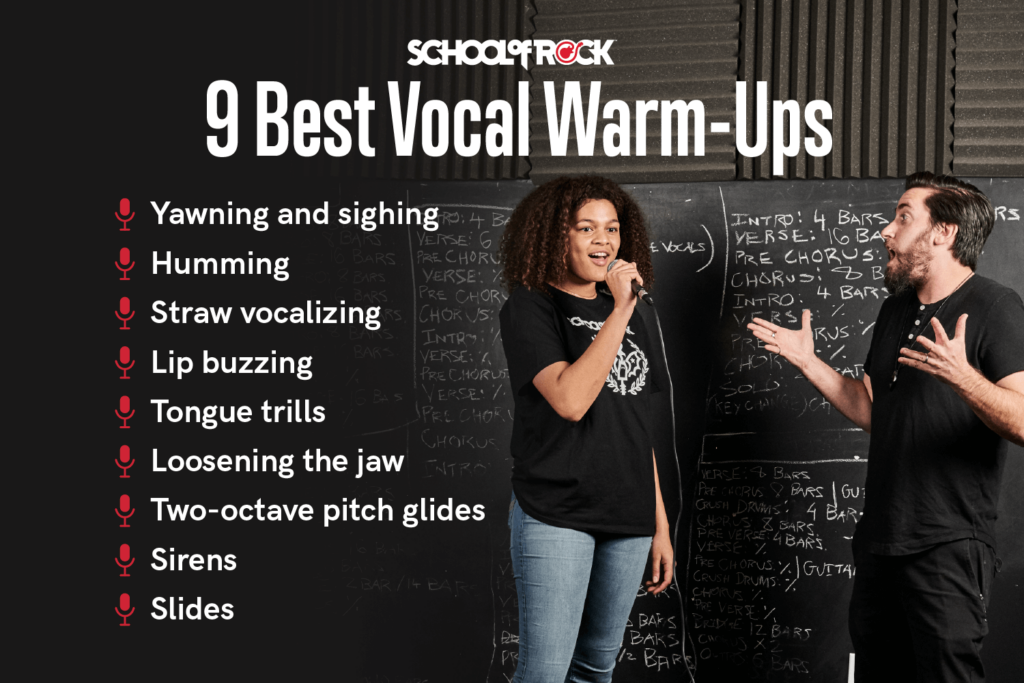
There are various types of vocal warm-up exercises, each targeting specific aspects of vocal performance. Some common warm-up exercises include lip trills, tongue trills, humming, sirens, and vocal sirens. These exercises focus on warming up the vocal cords, improving breath support, and enhancing vocal range and flexibility. Additionally, exercises that involve gentle stretching and relaxation of the muscles surrounding the larynx can also be incorporated into warm-up routines. Experimenting with different exercises and finding what works best for you will help create a personalized and effective warm-up routine.
Developing Proper Breathing Techniques
Understanding the role of breathing in singing
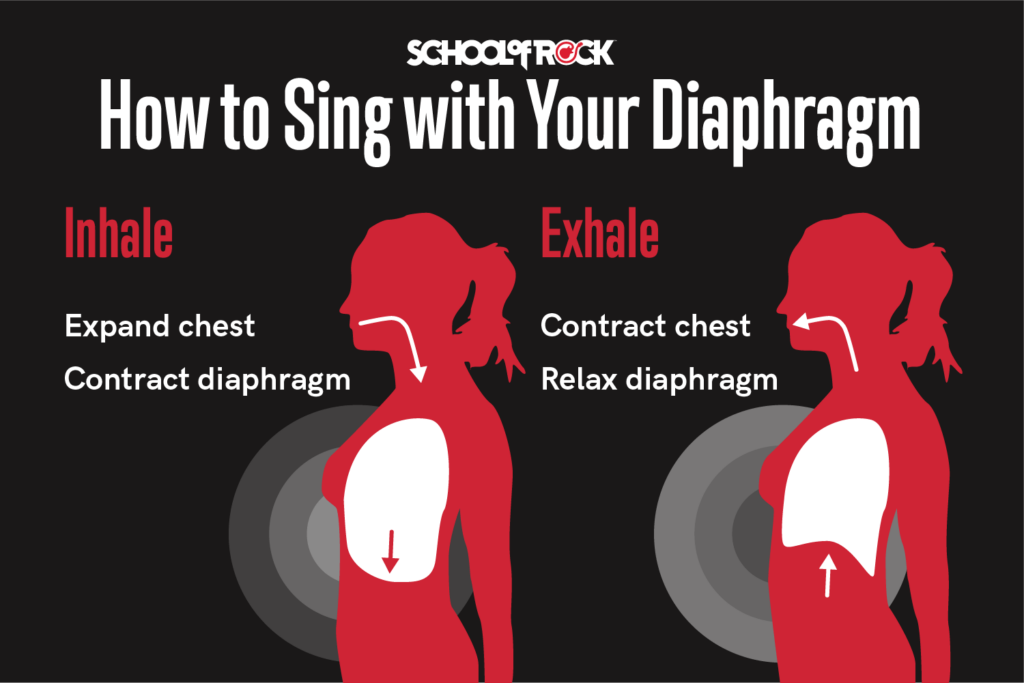
Breathing is at the core of singing. It provides the necessary support and power to produce sound and carry it through the vocal cords. Understanding the importance of proper breathing techniques is crucial for any vocalist. A healthy breathing technique involves engaging the diaphragm, a large muscle located below the lungs. By using the diaphragm effectively, singers can control the release of air and maintain consistent and controlled breath support while singing.
Diaphragmatic breathing exercises
Diaphragmatic breathing is the foundation of proper breath control for singing. One exercise involves lying on your back with one hand on your chest and the other on your abdomen. As you inhale deeply, focus on expanding your abdomen while keeping your chest still. Exhale slowly, allowing your abdomen to relax and sink back down. Repeat this exercise to train your body to engage the diaphragm and promote deep, controlled breathing.
Breath control exercises
Breath control exercises help singers strengthen their respiratory muscles and develop control over their breath. One exercise is the “sigh” exercise, where you take a deep breath and release it in a slow, controlled manner, producing a long sighing sound. Another effective exercise is “staccato breathing,” where you take short, quick breaths and release them in short bursts, like a series of short, rhythmic puffs. These exercises not only enhance breath control but also improve lung capacity and overall vocal performance.
Enhancing Vocal Range and Flexibility
Understanding vocal range and its significance
Vocal range refers to the span of notes a singer can comfortably sing, from the lowest to the highest pitch. Expanding vocal range is valuable for singers as it allows for more versatility in performance. A broader range means the ability to tackle a wider variety of songs and vocal styles. It also enables singers to hit high notes with ease and clarity, and sing lower notes without straining their voice.
Exercises for expanding vocal range
To expand your vocal range, start with exercises that focus on vocal warm-ups targeting different areas of your range. Begin by humming in your comfortable range and gradually move up and down in small increments, challenging yourself without straining. Another technique is the “lip trill,” where you lightly press your lips together and produce a buzzing sound while going through your vocal range. Practicing scales, both ascending and descending, is also beneficial for expanding your range.
Increasing vocal flexibility
Vocal flexibility refers to the ability to smoothly transition between different pitches, notes, and vocal styles. It allows singers to perform runs, riffs, and melismatic passages with ease and precision. To increase vocal flexibility, incorporate exercises that focus on agility and ease of movement throughout your voice. For example, practicing ascending and descending scales in various intervals, such as thirds, fourths, and fifths, helps train your vocal cords to move quickly and smoothly between different notes. Additionally, working on vocal exercises that involve sliding from note to note or performing quick vocal leaps can also improve overall vocal flexibility.
Refining Vocal Tone and Quality
Understanding vocal tone and quality
Vocal tone refers to the unique sound and color of an individual’s voice. Each person has their own distinctive tone, influenced by factors such as vocal anatomy, vocal technique, and personal style. Vocal quality, on the other hand, relates to the overall sound and clarity of one’s voice. It encompasses aspects such as richness, clarity, resonance, and smoothness. Refining vocal tone and quality is crucial for singers to develop their own signature sound and captivate their audience.
Exercises for improving vocal tone
To improve vocal tone, focus on exercises that promote resonance and clarity in the voice. One effective exercise is “vocal sirens,” where you start at a comfortable pitch and smoothly glide up and down your vocal range, paying attention to how the sound resonates in your head and chest. Another exercise involves singing sustained notes while focusing on producing a clear and steady sound. Experimenting with different vowels and consonants while maintaining vocal clarity can also help refine vocal tone.
Techniques for refining vocal quality
To refine vocal quality, singers should pay attention to their breath control, vocal placement, and resonance. Strengthening breath support through diaphragmatic breathing exercises will help produce a more steady and controlled tone. Practicing proper vocal placement by directing sound vibrations to resonate in the mask of the face (cheeks, nasal cavity, and forehead) can enhance vocal brightness and clarity. Additionally, focusing on resonance exercises, such as humming and lip trills, can create a more resonant and vibrant vocal quality.

Improving Vocal Projection and Volume
Importance of vocal projection and volume
Vocal projection and volume are essential for singers, as they allow the voice to be heard clearly and effectively communicate emotions and messages. Whether performing in a small venue or a large concert hall, having the ability to project your voice ensures that your performance reaches every corner of the audience. Improving vocal projection and volume not only enhances your stage presence but also boosts your confidence as a performer.
Exercises for increasing vocal projection
To improve vocal projection, it’s important to strengthen your vocal muscles and develop proper breath control. Practice exercises that involve sustaining notes for an extended period while gradually increasing the volume. Start softly and then gradually ramp up the intensity and power of your voice. Focus on supporting the sound with controlled breath from the diaphragm and releasing it with a sense of resonance and forward projection.
Techniques for improving vocal volume
In addition to vocal projection exercises, techniques such as “open throat” singing can help improve vocal volume. Maintaining an open throat while singing allows for better airflow and resonance, resulting in a fuller and more voluminous sound. Visualize your throat as a wide tunnel, and imagine the sound waves traveling freely through it. Additionally, working on proper vocal technique, such as maintaining good posture, optimizing breath support, and engaging proper vocal placement, will contribute to an increase in vocal volume.
Articulation and Pronunciation
Importance of clear articulation and pronunciation
Clear articulation and pronunciation are crucial for singers as they enable the audience to understand the lyrics and connect with the message of the song. Proper articulation ensures that each word and syllable is pronounced distinctly and accurately, allowing the singer to effectively convey emotions and storytelling through the lyrics. Mastering articulation and pronunciation enhances vocal clarity and elevates the overall quality of performance.
Exercises for improving articulation
To improve articulation, incorporate exercises that focus on precise pronunciation of consonants and vowels. One effective exercise involves singing scales while exaggerating the pronunciation of each syllable, emphasizing the beginning and ending consonants. Tongue twisters are also great tools for improving articulation and precision. Practice tongue twisters slowly at first, paying attention to each sound and gradually increasing the speed as you become more comfortable.
Tips for enhancing pronunciation
To enhance pronunciation, pay attention to the position of your tongue and mouth while singing. Ensure that your tongue is relaxed and positioned towards the back of your mouth, allowing for clear and unobstructed airflow. Practice enunciating vowels and consonants with proper mouth shape and position. Listening to recordings of professional singers and mimicking their pronunciation can also be a helpful technique for refining vocal pronunciation skills.
Building Vocal Stamina and Endurance
Understanding the significance of vocal stamina
Vocal stamina refers to the ability to sustain singing for an extended period without vocal fatigue or strain. Building vocal stamina is vital for singers, especially during performances that require consistent and prolonged vocal output. Developing vocal stamina allows singers to confidently perform long sets or engage in strenuous vocal techniques without compromising their vocal health and quality.
Exercises for building vocal endurance
Building vocal endurance requires a combination of vocal warm-ups, proper technique, and gradual progression. Start by incorporating exercises that focus on gradually increasing the duration of sustained notes or vocal phrases. Begin with shorter durations and gradually extend them as your vocal stamina improves. Another effective exercise is practicing longer and more challenging songs that require sustained vocal output. This will help train your vocal cords and muscles to endure longer periods of singing.
Maintaining vocal health
Maintaining vocal health is crucial for building and sustaining vocal stamina. Adequate hydration, proper rest, and vocal care routines are essential. Hydrating with room temperature water helps keep the vocal cords lubricated and prevents dryness or irritation. Resting the voice when experiencing signs of vocal fatigue or strain is crucial to prevent vocal damage. Additionally, incorporating vocal warm-ups and cool-downs into your routine helps prepare and protect the voice before and after singing.
Working on Vocal Control and Dynamics
Importance of vocal control and dynamics
Vocal control refers to the ability to manipulate the voice with precision and intention. It involves mastering various vocal techniques and applying them in a controlled manner. Dynamics in singing refer to the variation in volume, intensity, and expression within a performance. Developing vocal control and dynamics allows singers to convey a wide range of emotions and create captivating performances.
Exercises for improving vocal control
To improve vocal control, focus on exercises that target specific techniques such as vibrato, dynamics, and vocal embellishments. Practice sustained notes while gradually introducing controlled vibrato, allowing the pitch to subtly fluctuate. Experiment with different dynamics, starting with soft and gentle singing and gradually progressing to louder and more powerful singing. Vocal runs and melismatic passages can also be practiced to develop precision and agility in vocal control.
Mastering various vocal dynamics
Mastering various vocal dynamics involves incorporating contrasting elements such as loud and soft singing, smooth and abrupt transitions, and gentle and powerful moments. It requires understanding the emotional context of the song and effectively conveying it through changes in volume, intensity, and expression. Experiment with different dynamics while performing songs, focusing on maintaining control and intention behind each vocal choice. Recording your performances and evaluating them can help identify areas of improvement and refine your vocal dynamics further.

Expressing Emotion and Interpretation
Understanding the role of emotion in singing
Singing is not just about hitting the right notes; it is about conveying emotions and connecting with the audience on a deep level. Emotion adds depth and authenticity to performances, making them memorable and impactful. Understanding and harnessing the role of emotion in singing is essential for creating powerful and meaningful performances.
Techniques for expressing emotions through voice
To effectively express emotions through voice, singers should focus on connecting with the lyrics and the story behind the song. It’s important to delve into the emotions conveyed by the lyrics and interpret them in a way that resonates with personal experiences and feelings. Connecting with the lyrics on an emotional level allows the singer to infuse their voice with genuine emotion and convey it to the audience. Experiment with different vocal techniques, such as dynamics, vibrato, and phrasing, to enhance the emotional impact of your performance.
Interpreting lyrics effectively
Interpreting lyrics effectively involves understanding the meaning and intention behind each word and phrase. Dive deep into the lyrics and explore their various layers of meaning and emotions. Pay attention to the use of imagery, metaphors, and storytelling elements within the lyrics. Experiment with different vocal choices, such as tone, volume, and vocal style, to best convey the mood and message of the song. Practice reciting the lyrics as if they were a spoken monologue, allowing the natural cadence and inflections of speech to guide your interpretation.
Seeking Professional Guidance and Training
Benefits of vocal lessons and coaching
Seeking professional guidance and training through vocal lessons and coaching offers tremendous benefits for singers at all levels. Working with a skilled vocal coach allows for personalized instruction, feedback, and guidance tailored to your specific needs and goals. Vocal lessons help to develop proper vocal technique, identify and address any vocal issues or limitations, and refine performance skills. A vocal coach can provide valuable insights, mentorship, and support throughout your vocal journey.
Finding the right vocal coach
Finding the right vocal coach is essential for maximizing your vocal potential. Look for a vocal coach who has a strong background in vocal training, experience in your desired genre or style of singing, and a teaching methodology that resonates with your learning style. Seek recommendations from other singers, attend vocal showcases to observe coaches in action, or contact vocal schools or conservatories for recommendations. It’s important to find a coach who not only possesses the necessary technical expertise but also inspires and motivates you to grow as an artist.
Continuing education and growth
Vocal training is an ongoing process that requires dedication, persistence, and a commitment to continuous learning and growth. As a singer, it’s important to continuously challenge yourself and seek opportunities for improvement. Attend vocal workshops, masterclasses, and seminars to learn from industry professionals and gain exposure to different vocal techniques and styles. Additionally, nourishing your musicality by studying music theory, ear training, and other related disciplines can enhance your understanding and overall vocal performance. Stay curious, open-minded, and enthusiastic about your vocal development, and your journey as a singer will be fulfilling and rewarding.