If you’ve ever dreamed of singing like a professional, then you’re in luck! In this article, we will explore the various ways you can improve your singing voice and take your singing skills to the next level. Whether you’re an aspiring vocalist or just someone who loves to sing in the shower, these tips and techniques will help you unlock your true singing potential. From proper breathing techniques to vocal warm-ups and exercises, we’ve got you covered. So get ready to discover the secrets to enhancing your singing voice and expressing yourself through the power of song!

Proper Vocal Warm-up
Breathing Exercises
Before you begin any vocal training or singing practice, it is essential to warm up your vocal cords and prepare your body for the task at hand. Breathing exercises are a great way to start, as they help improve lung capacity and control while singing. Begin by finding a comfortable seated or standing position. Take a deep breath in through your nose, feeling your diaphragm expand, and then exhale slowly through your mouth, allowing the air to escape at a controlled pace. Repeat this process several times, focusing on deep, relaxed breaths.
Vocal Exercises
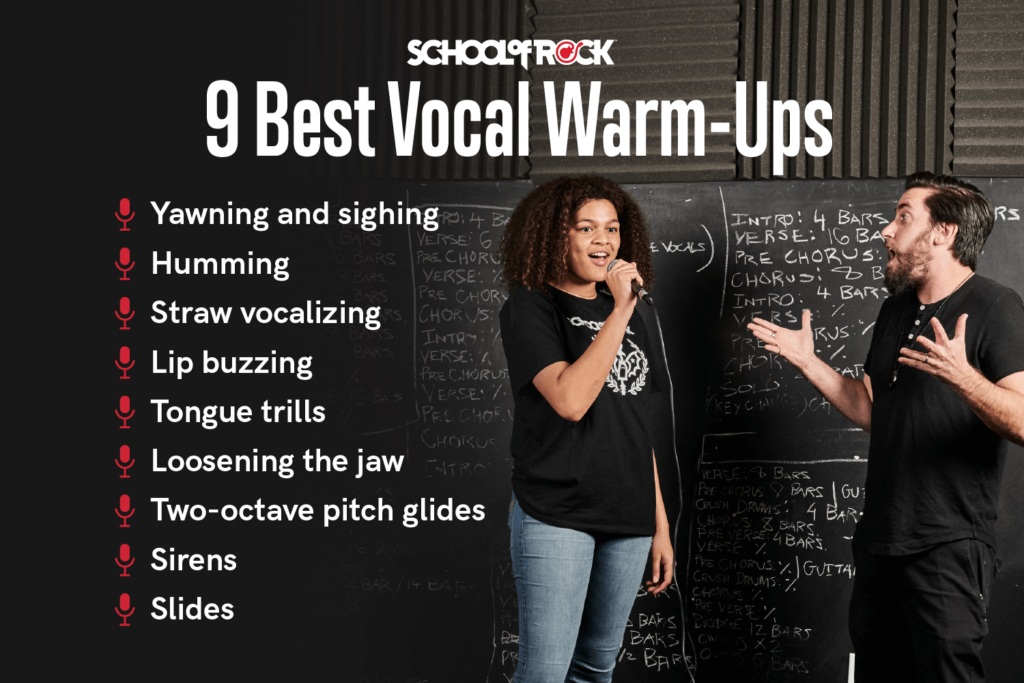
Once your breathing is warmed up, it’s time to move on to vocal exercises. These exercises help to loosen up your vocal cords and enhance your voice’s flexibility and range. Start with simple vocal warm-ups, such as humming scales, lip trills, or sirens. Gradually increase the intensity and difficulty of these exercises, such as working on ascending and descending scales or practicing vocal runs and arpeggios. Remember to start slowly and gently, gradually increasing the speed and complexity as your voice warms up.
Techniques for Breath Control
Diaphragmatic Breathing
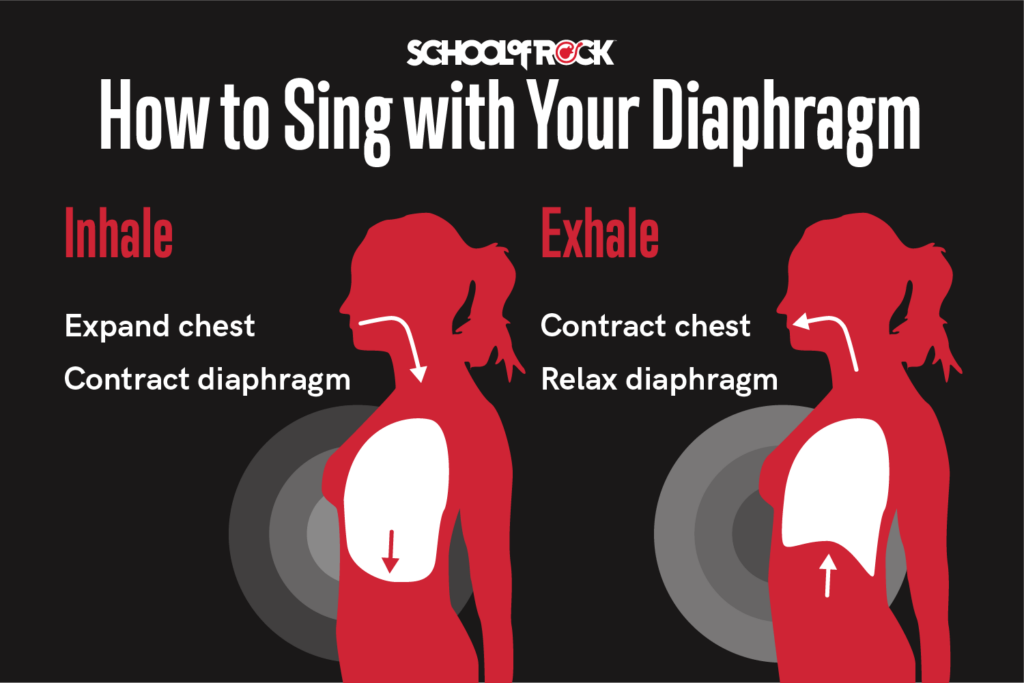
One of the most important aspects of singing is breath control. The diaphragm, a dome-shaped muscle located below your lungs, plays a crucial role in this process. To practice diaphragmatic breathing, place your hand on your abdomen, just below your ribs. Inhale deeply through your nose, allowing your diaphragm to expand and push your hand outward. As you exhale through your mouth, feel your diaphragm contract and your hand return to its original position. Practice this technique regularly to strengthen your diaphragm and improve your breath control while singing.
Supporting Breath
In addition to diaphragmatic breathing, supporting breath is another technique that can greatly improve your singing voice. Supporting breath involves engaging the muscles in your abdominal region to provide stability and control while singing. To practice supporting breath, imagine that you are about to lift a heavy object. Feel the tension in your abdominal muscles as you generate power from your core. Apply this same sensation while singing, focusing on keeping your abdominal muscles engaged and supporting your voice throughout each phrase.

Vocal Range Expansion
Exercises for Increasing Range
Expanding your vocal range is a common goal for many singers. To achieve this, it’s important to practice exercises that challenge your vocal cords and gradually extend your range. Start with simple sirens, gliding slowly and smoothly from your lowest note to your highest note and back down again. As you become more comfortable, increase the speed and range of your sirens. Another exercise to try is the lip trill. Place your lips together and blow air through them, producing a buzzing sound. Practice sliding up and down your vocal range while maintaining the lip trill.
Working on Registers
Register refers to the different vocal ranges within your voice, such as chest voice, head voice, and falsetto. It is important to develop and strengthen each register to have control over your voice’s full potential. Begin by practicing exercises that help you access and blend different registers. Start in your chest voice, then gradually transition into your head voice, ensuring a smooth and seamless shift. Work on exercises that specifically target each register, practicing them regularly to develop a well-rounded vocal range and control.
Pitch Accuracy and Control
Ear Training
Having good pitch accuracy and control is crucial for singing in tune and harmonizing with others. Ear training exercises can significantly improve your ability to hear and reproduce specific pitches accurately. One simple exercise to begin with is singing along with a piano or a musical instrument playing different notes. Focus on matching your voice to the pitch being played, and try to stay in tune as you move between notes. Another exercise is interval training, where you sing intervals such as ascending and descending scales, arpeggios, or specific melodic patterns. With practice, you’ll develop a keen sense of pitch and better control over your singing.
Vocal Exercises for Pitch Control
Alongside ear training, specific vocal exercises can help improve your pitch control. Start by focusing on sustaining a single note for an extended period. Begin with a comfortable note in your vocal range and hold it for as long as possible, paying close attention to maintaining a steady pitch. As you progress, challenge yourself by gradually increasing the length of time you can sustain the note. Additionally, practice melodic exercises that involve jumps between different pitches. Work on smoothly transitioning from one note to another, ensuring precise intonation and maintaining control throughout each interval.
Tone Quality Improvement
Resonance Exercises
The tone quality of your singing voice can greatly impact the overall sound and projection. Resonance exercises help improve the natural resonance of your voice by optimizing the vibrations produced in your vocal tract. Begin by humming gently, feeling the vibrations in your chest, throat, and nasal passages. Gradually increase the volume and intensity of your humming, focusing on maintaining a rich and resonant sound. Another exercise is the “ng” sound. Practice producing the “ng” sound, allowing it to resonate and vibrate in your nasal and oral cavities. This will help enhance the warmth and richness of your tone.
Vowel Modification
Vowel modification is a technique used to improve the clarity and resonance of specific vowel sounds in singing. It involves making slight adjustments to the shape and position of your vocal tract to achieve optimal vowel production. To practice vowel modification, start with a comfortable vowel sound, such as “ah.” Gradually transition into other vowel sounds, such as “eh,” “oh,” and “ee,” while maintaining the same resonance and clarity. Experiment with different tongue and jaw positions to find the optimal shape for each vowel sound, ensuring that they are pronounced distinctly and with proper resonance.
Articulation and Diction
Clarity of Consonants
Clear articulation and diction are essential for conveying the lyrics of a song effectively. Paying attention to consonant sounds and enunciating them clearly will improve the overall intelligibility of your singing. Start by practicing consonant sounds individually. Focus on pronouncing each consonant sound accurately, emphasizing its clarity and projection. Gradually incorporate these sounds into words and phrases, ensuring that they are pronounced distinctly without sacrificing musicality. It may be helpful to practice singing with exaggerated articulation initially, gradually refining it to strike the right balance between clear diction and musical expression.
Exercises for Tongue and Jaw
The position and movement of your tongue and jaw greatly influence your articulation and diction. Exercises targeting these areas can help improve their flexibility and coordination, resulting in clearer and more precise singing. One exercise for your tongue is to place it in different positions while singing different vowel sounds. Practicing this will strengthen your tongue muscle and enhance your control over articulation. For your jaw, try opening and closing your mouth while humming or singing scales. Gradually increase the speed and range of this exercise, challenging your jaw muscles and improving its agility.

Emotional Expression in Singing
Understanding the Lyrics
One of the most powerful aspects of singing is conveying emotion through your voice. Understanding the lyrics and connecting with the meaning behind them is crucial for genuine emotional expression. Take the time to analyze the lyrics of a song, exploring the emotions and stories they convey. Consider the context and intention of the song, and try to find personal connections to the words. This deeper understanding will allow you to embody the emotions more authentically and create a more impactful performance.
Interpretation Techniques
Once you have a solid understanding of the lyrics, it’s time to explore various interpretation techniques to enhance your emotional expression. Experiment with dynamics, varying the volume and intensity of your voice to convey different emotions. Focus on phrasing, using subtle pauses, breaths, and vocal inflections to highlight the meaning and emotions of the lyrics. Another technique to consider is vocal ornamentation, adding small embellishments or variations to certain sections of the song to add depth and nuance. Practice these techniques while staying true to the song’s original intention, ensuring a heartfelt and authentic performance.
Posture and Body Alignment
Standing or Sitting
Maintaining proper posture and body alignment while singing is essential for optimal vocal production and breath control. Whether you choose to stand or sit, it is crucial to find a position that promotes a tall, relaxed posture. When standing, distribute your weight evenly on both feet, keeping your knees slightly bent and your shoulders relaxed. If sitting, sit upright, ensuring that your back is straight and your feet are flat on the floor. Avoid slouching or leaning excessively, as this can restrict your diaphragm’s movement and affect your vocal quality.
Relaxation Techniques
To achieve the best vocal results, it is necessary to relax your body and release any tension that might be inhibiting your singing. Incorporating relaxation techniques into your vocal warm-up routine can help alleviate unnecessary muscular tension, allowing your voice to flow freely. Begin with simple stretches, focusing on areas such as the neck, shoulders, and jaw. Practice deep breathing exercises and incorporate meditation or mindfulness techniques to calm your mind and promote overall relaxation. By creating a relaxed and balanced state, you will experience greater vocal freedom and improved singing performance.
Hydration and Vocal Health
Drinking Enough Water
Proper hydration is vital for maintaining a healthy voice. Drinking enough water throughout the day ensures that your vocal cords stay lubricated, reducing the risk of irritation or vocal strain. Make it a habit to drink water regularly, especially before and after singing. Avoid excessive caffeine and alcohol, as they can dehydrate the body and negatively impact vocal performance. Remember that hydration is not only about drinking water but also consuming foods with high water content, such as fruits and vegetables, to keep your entire body properly hydrated.
Avoiding Vocal Strain
Singing can be physically demanding, and it is crucial to take steps to prevent vocal strain or injury. Avoid pushing your voice beyond its limits, especially when practicing challenging songs or techniques. Give yourself regular breaks during practice sessions to rest your vocal cords and avoid overexertion. If you experience any discomfort or pain while singing, stop immediately and consult a vocal professional. It is essential to listen to your body and prioritize vocal health to ensure long-term improvement and a healthy singing voice.
Seeking Professional Guidance
Vocal Coach or Teacher
Although there are many techniques and exercises you can practice independently, seeking professional guidance from a vocal coach or teacher is invaluable. A vocal coach can provide personalized instruction and guidance tailored to your specific voice and goals. They can help identify your strengths and areas for improvement and provide feedback and guidance to enhance your singing technique. Working with a knowledgeable and experienced vocal coach will expedite your progress, prevent potential vocal issues, and ensure a safe and effective learning journey.
Participating in Vocal Workshops
In addition to individual lessons, participating in vocal workshops can be a fantastic way to improve your singing voice. Vocal workshops provide opportunities to learn from experienced professionals and collaborate with fellow singers. These workshops often focus on specific aspects of singing, such as performance skills, vocal technique, or musical genres. Through workshops, you can gain new insights, receive constructive feedback, and expand your knowledge and skills. Additionally, workshops offer a supportive environment that fosters growth and encourages exploration and experimentation in your singing journey.
By incorporating these techniques and practices into your singing routine and seeking professional guidance when needed, you can enhance your singing voice and unlock your full potential as a vocalist. Remember, improvement requires consistent practice, patience, and a positive attitude. Embrace the joy of singing, enjoy the process, and watch as your voice blossoms and flourishes. Happy singing!


