If you have ever wondered how to improve your singing skills, look no further! In this article, you will discover some practical tips and techniques that can help you sing better. From proper breathing techniques to vocal exercises, we will explore various ways to enhance your singing abilities and unlock your full potential. So, get ready to take your singing to the next level and wow your audience with your amazing voice!

Proper Breathing Techniques
Diaphragmatic Breathing
One of the key elements of singing is proper breathing technique. Diaphragmatic breathing, also known as belly breathing, is a technique that allows you to take deep breaths and utilize your diaphragm to its fullest potential. To practice this technique, start by finding a comfortable position, either standing or sitting up straight. Place one hand on your chest and the other on your abdomen. As you inhale, focus on expanding your abdomen, feeling it rise against your hand. This ensures that you are engaging your diaphragm and drawing air deep into your lungs. As you exhale, relax your abdominal muscles and let the air flow out naturally. Diaphragmatic breathing not only allows you to take in more air, but it also helps to control your breath, giving you better vocal control and stamina.
Ribcage Expansion
Another important aspect of proper breathing technique is ribcage expansion. When you sing, you want to make use of your entire lung capacity to create a full-bodied sound. To practice ribcage expansion, stand with your feet shoulder-width apart and place your hands lightly on the sides of your ribcage. Take a deep breath in, focusing on expanding your ribcage outward. You should feel a gentle outward pressure against your hands. As you exhale, allow your ribcage to relax and return to its natural position. By incorporating ribcage expansion into your breathing technique, you will be able to take in more air and produce a richer, more resonant sound.
Controlled Exhalation
To have proper control over your voice, it is important to develop controlled exhalation. This means being able to regulate the amount of air you release when you sing. To practice controlled exhalation, start by taking a deep breath and then exhale on a sustained “sssss” sound. As you exhale, focus on blowing a steady stream of air while maintaining a constant pressure. Gradually increase the length of your exhalation over time. This exercise helps to strengthen the muscles involved in controlling your breath, allowing for better breath support and control when singing.
Vocal Warm-Up Exercises
Lip Trills
Lip trills are a great way to warm up your vocal cords and prepare them for singing. To do a lip trill, relax your lips and blow air out while making a vibrating sound. It should feel similar to the sensation of blowing raspberries. Start by doing lip trills on a comfortable pitch, gradually moving up and down your vocal range. This exercise helps to relax and stretch your vocal cords, improving their flexibility and overall function.
Humming
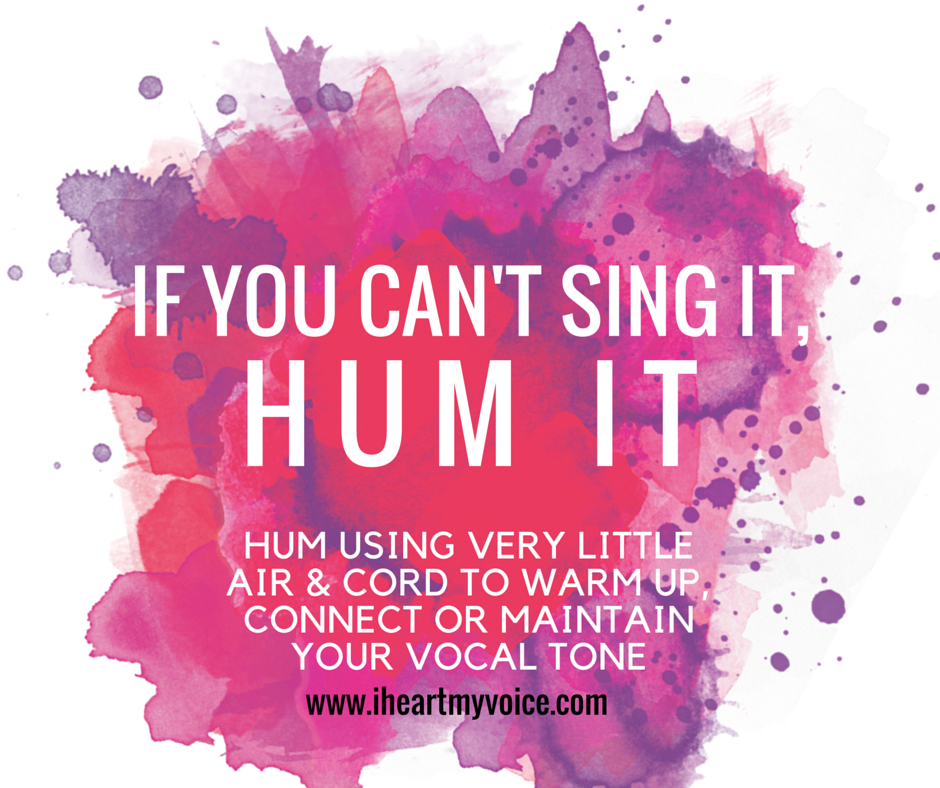
Humming is another effective vocal warm-up exercise that helps to warm up your vocal cords and improve resonance. Start by taking a deep breath and then exhale while producing a humming sound. Focus on feeling the vibrations in your face and head as you hum. Gradually increase the pitch of your hum, moving up and down your vocal range. Humming helps to awaken your vocal resonance and prepare your voice for singing.
Sirens
Sirens are a fun and effective vocal warm-up exercise that helps to improve your vocal flexibility and range. To do a siren, start on a comfortable pitch and gradually slide up or down through your vocal range on a “wheeee” or “oooooo” sound. Make sure to do it smoothly and without any strain. Sirens help to warm up your entire vocal range and increase your ability to transition between different notes seamlessly.

Improving Pitch Accuracy
Ear Training
One of the keys to improving pitch accuracy is ear training. Ear training involves developing your ability to hear and recognize different pitches and intervals in music. You can start by listening to and identifying simple melodies or singing along with a piano or guitar to match the pitches. As you practice, you will become more attuned to the different nuances of pitch and be able to reproduce them more accurately when singing.
Pitch Exercises
Pitch exercises are another effective way to improve pitch accuracy. These exercises focus on training your vocal muscles to produce the correct pitch consistently. One common pitch exercise is the “slide” exercise. Start on a comfortable pitch and gradually slide up or down to another note. Pay attention to maintaining a steady pitch and avoiding any slides or wavering in your voice. Repeat this exercise using different intervals and ranges to cover the full extent of your vocal range.
Developing Vocal Resonance
Semi-Occluded Vocal Tract Exercises
Semi-occluded vocal tract exercises are a great way to develop vocal resonance. These exercises involve partially closing off the vocal tract to create back pressure, which enhances the clarity and resonance of your voice. One popular semi-occluded vocal tract exercise is the “lip buzz.” To do this exercise, relax your lips and let them gently vibrate as you produce sound. Start on a comfortable pitch and gradually move up and down your vocal range. Another example of a semi-occluded exercise is straw phonation. By singing or speaking through a straw, you create back pressure in the vocal tract, resulting in improved resonance and vocal control.
Focus on Placement
Another aspect of developing vocal resonance is focusing on placement. By focusing your sound in specific areas of your vocal tract, such as the front of your face or the mask area, you can achieve a more resonant and vibrant tone. A simple exercise to work on placement is to sing or speak while gently pressing your fingertips against the bones of your face, just below your cheekbones. This helps to create awareness and control of the resonating areas of your voice.

Enhancing Vocal Projection
Proper Posture
Proper posture plays a significant role in vocal projection. When you stand or sit up straight, with your shoulders relaxed and your chest open, you create a clear and unobstructed pathway for your sound to travel. Good posture allows your breath to flow freely, enabling better breath control and projection. Practice standing tall with your head held high and your spine aligned, and you will notice an immediate improvement in your vocal projection.
Support from Diaphragm
Support from the diaphragm is essential for achieving vocal projection. When you engage your diaphragm and use it to support your breath, you create a strong foundation for your voice to project effectively. To practice diaphragmatic support, start by taking a deep breath and then exhale on a sustained “sss” sound while maintaining a steady flow of air. Focus on the sensation of your diaphragm engaging and providing support as you continue to produce sound. Developing proper diaphragmatic support will greatly enhance your vocal projection.
Use of Resonance
Utilizing resonance is another key element in enhancing vocal projection. Resonance refers to the amplification and enrichment of sound produced by your vocal tract. By intentionally directing and shaping your sound to resonate in specific areas of your body, such as your chest or head, you can achieve a more powerful and projected sound. Experiment with different resonating areas and practice exercises that focus on resonance, such as vowel modification, to improve your vocal projection.
Expanding Vocal Range
Gradual Exercises
Expanding your vocal range requires patience and consistent practice. Gradual exercises are an effective way to gradually increase the range of your voice. Start by identifying your upper and lower limits, and then work on extending those boundaries little by little. Begin by singing scales or simple exercises that cover a comfortable range, and gradually expand the range by adding semitones or whole steps. Practice regularly and be mindful not to strain or push your voice beyond its current capabilities. With time and practice, you will see a noticeable improvement in your vocal range.
Mixed Voice Technique
The mixed voice technique is a powerful tool for expanding your vocal range. This technique involves blending vocal registers to create a seamless transition between your chest voice (lower range) and head voice (higher range), resulting in a smoother and more connected sound. Practice exercises that focus on bridging the gap between these registers, such as sirens or scale runs, where you gradually transition from your chest voice to your head voice. As you strengthen your mixed voice, you will be able to access higher notes with ease and expand your overall vocal range.
Articulation and Diction
Tongue Twisters
Tongue twisters are a fun and effective way to improve your articulation and diction. By practicing tongue twisters, you challenge your tongue and lips to move quickly and accurately, helping to improve the clarity and precision of your lyrics. Start with simple tongue twisters and gradually increase the difficulty as you become more comfortable. Repeat them multiple times, focusing on clear pronunciation and enunciation of each word.
Vowel and Consonant Exercises
Vowel and consonant exercises are also beneficial for improving articulation and diction. By focusing on specific vowels and consonants, you can target and refine the articulatory movements required for each sound. Practice vocal exercises that emphasize vowel clarity and crisp consonant production. Articulate each sound with precision and pay attention to articulatory placement to ensure that your lyrics are clear and intelligible.
Understanding Vocal Registers
Chest Voice
Chest voice refers to the lower range of your vocal register, where the voice resonates primarily in the chest area. This is the voice you typically use for speaking and lower notes. To strengthen your chest voice, practice exercises that focus on vocal cord adduction and support, such as humming or singing on comfortable low notes. With proper technique and practice, you can develop a strong and resonant chest voice.
Head Voice
Head voice refers to the higher range of your vocal register, where the voice resonates in the head and upper resonance areas. This is the voice you use for singing higher notes. To strengthen your head voice, practice exercises that focus on vocal cord adduction and breath control, such as sirens or singing scales in your upper range. Developing a clear and well-supported head voice will allow you to sing higher notes with ease and control.
Falsetto
Falsetto is a vocal register that allows you to produce a light and airy sound in your upper range. It is often used for singing very high notes. To access your falsetto voice, practice exercises that focus on relaxation and light breath flow, such as gentle sirens or sighs. Explore different pitches in your upper range and experiment with transitioning between your chest voice and falsetto voice smoothly.

Emotional Connection and Expression
Interpretation of Lyrics
To enhance your singing abilities, it is important to develop an emotional connection with the lyrics you are singing. Take the time to understand the meaning and intention behind the words and express them authentically. Think about the emotions you want to convey and experiment with different vocal techniques, dynamics, and phrasing to bring out the intended emotions in your performance. Connecting with the lyrics will not only make your singing more compelling but also allow you to engage and connect with your audience on a deeper level.
Connecting with the Audience
Connecting with your audience is an important aspect of singing. Whether you are performing on stage or in a more intimate setting, engaging with your audience can make your performances more memorable and impactful. Make eye contact, smile, and interact with your audience during your performance. Let your emotions and passion for the music shine through to create a genuine and powerful connection with your listeners. Remember that singing is not just about the technical aspects, but also about creating a meaningful and emotional experience for yourself and your audience.
Developing Vocal Control
Vocal Exercises
Vocal exercises are essential for developing vocal control. These exercises focus on strengthening and coordinating the muscles involved in singing. Effective vocal exercises include scales, arpeggios, and melodic patterns that cover your entire vocal range. Start with simple exercises and gradually increase the difficulty as you progress. Frequent practice of vocal exercises will help you gain better control over pitch, dynamics, and overall vocal technique.
Controlled Vibrato
Vibrato is a subtle oscillation in pitch that adds richness and expressiveness to your singing. Developing controlled vibrato is crucial for achieving vocal control. To practice controlled vibrato, start by sustaining a note and gradually incorporate a gentle, consistent oscillation in pitch. Avoid excessive or forced movement, and aim for a natural and relaxed vibrato. With practice, you will be able to control the speed and depth of your vibrato, allowing for greater vocal expression and control.
In conclusion, enhancing your vocal abilities requires a combination of proper technique, consistent practice, and a focus on expression. By incorporating proper breathing techniques, vocal warm-up exercises, and practicing techniques to improve pitch accuracy, resonance, projection, range, articulation, and emotional connection, you can develop a strong and expressive voice. Remember to be patient, listen to your body, and seek guidance from vocal coaches or instructors as you progress on your journey to becoming a better singer. Happy singing!


