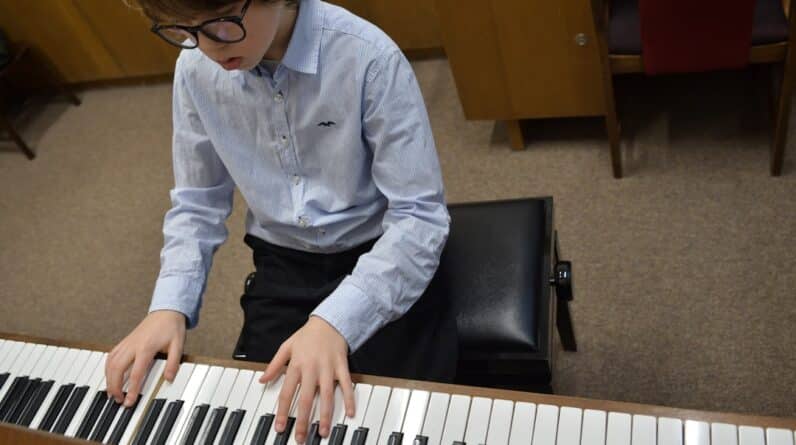
Stage fright and performance anxiety are common experiences that many individuals face, particularly when stepping into the spotlight. You may find yourself grappling with a racing heart, sweaty palms, or a mind that goes blank just before you take the stage. Understanding the root of these feelings is crucial to overcoming them.
Often, these anxieties stem from a fear of judgment or failure. You might worry about how your performance will be perceived by others, leading to a heightened sense of vulnerability. This fear can be exacerbated by past experiences, such as a negative performance or criticism that lingers in your mind.
Moreover, the pressure to meet personal or external expectations can intensify your anxiety. You may feel that you must deliver a flawless performance, which can create an overwhelming sense of pressure. This pressure can lead to a cycle of self-doubt and anxiety, making it even more challenging to perform.
Recognizing that these feelings are not uncommon can help you feel less isolated in your experience. By understanding the psychological and emotional triggers behind your stage fright, you can begin to develop strategies to manage and ultimately overcome these feelings.
Key Takeaways
- Stage fright and performance anxiety often stem from fear of judgment, failure, or the unknown.
- Techniques for managing stage fright include deep breathing, positive self-talk, and visualization.
- Vocal exercises and regular performance practice can help build confidence and reduce anxiety.
- A supportive learning environment with constructive feedback and encouragement is crucial for overcoming performance anxiety.
- Addressing psychological aspects of performance anxiety, such as perfectionism and self-doubt, is essential for long-term success.
Techniques for managing and overcoming stage fright
Once you have identified the roots of your stage fright, it’s time to explore techniques that can help you manage and overcome these feelings. One effective method is deep breathing exercises. When you feel anxiety creeping in, taking slow, deep breaths can help calm your nervous system.
You might find it helpful to practice inhaling deeply through your nose for a count of four, holding for four, and exhaling through your mouth for another count of four. This simple technique can ground you and bring your focus back to the present moment. Another useful strategy is to engage in positive self-talk.
You may often find yourself caught in a cycle of negative thoughts before a performance. Instead of allowing those thoughts to dominate, try replacing them with affirmations that reinforce your abilities and strengths. Phrases like “I am prepared,” “I am capable,” or “I will enjoy this experience” can shift your mindset from one of fear to one of confidence.
Additionally, visualization techniques can be beneficial; imagine yourself performing successfully and receiving positive feedback from the audience. By mentally rehearsing success, you can create a sense of familiarity and comfort with the performance experience.
Building confidence through vocal exercises and performance practice

Building confidence as a performer often begins with consistent practice and vocal exercises. You may find that dedicating time each day to warm up your voice not only enhances your vocal abilities but also boosts your self-assurance. Engaging in exercises such as scales, breath control drills, and resonance techniques can help you feel more in control of your instrument.
As you become more familiar with your voice, you may notice a decrease in anxiety levels when performing. In addition to vocal exercises, regular performance practice is essential for building confidence. You might consider setting up informal performances for friends or family members as a way to simulate the experience of being on stage.
These low-pressure situations allow you to gain valuable experience while receiving constructive feedback from those you trust. The more you expose yourself to performing, the more comfortable you will become with the process. Over time, this familiarity can significantly reduce feelings of anxiety and help you embrace the joy of sharing your talent with others.
Creating a supportive and nurturing learning environment
A supportive and nurturing learning environment plays a vital role in helping you overcome stage fright and performance anxiety. Surrounding yourself with encouraging peers and mentors can create a safe space where you feel comfortable expressing yourself without fear of judgment. You might seek out singing classes or workshops that emphasize collaboration and support among participants.
In such environments, you can share your experiences and learn from others who are navigating similar challenges. Additionally, having a mentor or teacher who understands the complexities of performance anxiety can be invaluable. They can provide guidance tailored to your specific needs and help you develop personalized strategies for managing anxiety.
A nurturing environment fosters open communication, allowing you to discuss your fears and concerns without hesitation. This sense of community not only helps alleviate anxiety but also encourages personal growth as you learn from one another’s experiences.
Addressing the psychological aspects of performance anxiety
Addressing the psychological aspects of performance anxiety is crucial for long-term success as a performer. You may find it beneficial to explore cognitive-behavioral techniques that challenge negative thought patterns associated with performance. For instance, when you catch yourself thinking, “I will embarrass myself,” try reframing that thought into something more constructive, such as “I am prepared, and I will do my best.” This shift in perspective can help reduce anxiety and foster a more positive mindset.
Another important aspect is understanding the role of perfectionism in performance anxiety. You might hold yourself to impossibly high standards, which can lead to feelings of inadequacy when those standards are not met. Recognizing that perfection is unattainable can free you from the burden of unrealistic expectations.
Embracing the idea that mistakes are part of the learning process allows you to approach performances with a sense of curiosity rather than fear. By addressing these psychological components, you can cultivate resilience and develop a healthier relationship with performance.
Developing stage presence and charisma through singing courses

Developing stage presence and charisma is an essential part of becoming a confident performer. You may find that enrolling in singing courses focused on performance techniques can significantly enhance your ability to connect with an audience. These courses often cover aspects such as body language, facial expressions, and audience engagement strategies that contribute to a captivating stage presence.
As you learn to express yourself more fully on stage, you may discover newfound confidence in your abilities. Practicing these skills in front of an audience—whether in class or during recitals—can help solidify your comfort level with performing. The more you practice projecting confidence and charisma, the more natural it will become over time.
Ultimately, developing these skills not only enhances your performances but also allows you to enjoy the experience more fully.
Using visualization and mindfulness techniques to alleviate performance anxiety
Visualization and mindfulness techniques are powerful tools for alleviating performance anxiety. You might find it helpful to incorporate visualization into your pre-performance routine by imagining yourself on stage, performing confidently and successfully. Picture the audience’s positive reactions and feel the energy of the moment as if it were happening in real-time.
This mental rehearsal can create a sense of familiarity that eases anxiety when it’s time to perform. Mindfulness practices, such as meditation or grounding exercises, can also be beneficial in managing anxiety levels. By focusing on the present moment and acknowledging your thoughts without judgment, you can cultivate a sense of calm before stepping onto the stage.
Techniques like body scanning or mindful breathing can help center your thoughts and reduce feelings of overwhelm. Integrating these practices into your routine can empower you to approach performances with greater ease and confidence.
Providing ongoing support and encouragement for aspiring singers
As an aspiring singer, ongoing support and encouragement are vital components of your journey toward overcoming stage fright and performance anxiety. Surrounding yourself with individuals who believe in your potential can make all the difference in building resilience against anxiety. Whether it’s friends, family members, or fellow performers, having a support system that celebrates your progress can motivate you to keep pushing forward.
Additionally, seeking out communities—both online and offline—where singers share their experiences can provide valuable insights and encouragement. Engaging with others who understand the challenges of performance anxiety allows you to exchange tips and strategies while fostering a sense of camaraderie. Remember that every performer faces their own struggles; sharing your journey with others not only helps you feel less alone but also reinforces the idea that growth is possible through perseverance and support.
In conclusion, overcoming stage fright and performance anxiety is a multifaceted journey that requires understanding its roots, employing effective techniques, building confidence through practice, creating supportive environments, addressing psychological aspects, developing stage presence, utilizing visualization techniques, and fostering ongoing support networks. By embracing these strategies, you can transform your relationship with performance into one filled with joy and fulfillment rather than fear and anxiety. As you continue on this path, remember that every step forward is a testament to your courage and dedication as an artist.
FAQs
What is stage fright or performance anxiety for aspiring singers?
Stage fright or performance anxiety is a feeling of nervousness or fear that can occur before or during a performance, such as singing in front of an audience. It can manifest as physical symptoms like trembling, sweating, or a racing heart, and can also affect a singer’s ability to perform at their best.
How do singing courses address stage fright or performance anxiety for aspiring singers?
Singing courses often include techniques and exercises to help aspiring singers manage and overcome stage fright or performance anxiety. These may include breathing exercises, visualization techniques, and performance practice in a supportive environment.
Do singing courses provide psychological support for stage fright or performance anxiety?
Some singing courses may offer psychological support for stage fright or performance anxiety, such as counseling or coaching to address the underlying causes of the anxiety. However, it’s important for aspiring singers to seek professional help from a licensed therapist or counselor if they are experiencing severe anxiety or mental health issues.
Can singing courses help build confidence in aspiring singers?
Yes, singing courses often focus on building confidence in aspiring singers through vocal training, performance practice, and positive reinforcement. By developing their skills and receiving constructive feedback, singers can gain the confidence they need to overcome stage fright and perform at their best.