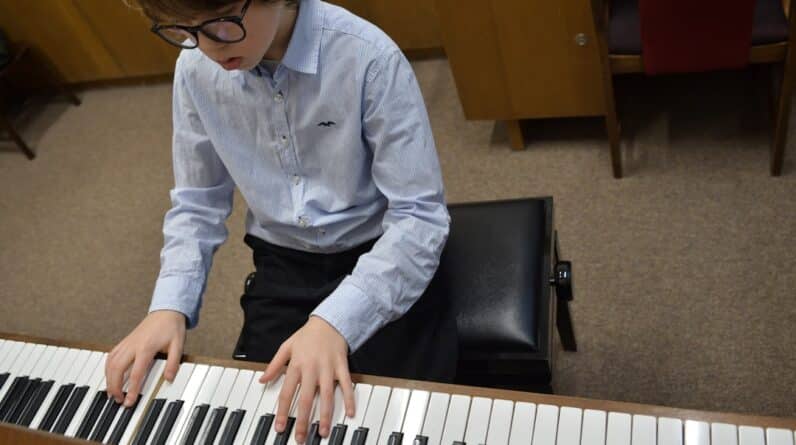
Embarking on a journey to improve your singing can be both exhilarating and daunting. Singing courses offer a structured approach to developing your vocal skills, whether you are a complete novice or an experienced performer looking to refine your technique. These courses are designed to cater to a wide range of abilities and aspirations, providing you with the tools necessary to unlock your vocal potential.
By enrolling in a singing course, you not only gain access to expert instruction but also immerse yourself in a community of like-minded individuals who share your passion for music. As you consider taking a singing course, it’s essential to recognize the various aspects of vocal training that these programs cover. From understanding pitch control to mastering breath support, each element plays a crucial role in your overall development as a singer.
The structured environment of a course allows for consistent practice and feedback, which can significantly accelerate your progress. Whether you dream of performing on stage or simply wish to sing confidently in the shower, a singing course can provide the foundation you need to achieve your goals.
Key Takeaways
- Singing courses are designed to help individuals improve their vocal skills and performance abilities.
- Pitch control is essential for singing in tune and conveying emotions effectively through music.
- Techniques for improving pitch control include ear training, vocal exercises, and proper breathing techniques.
- Breath support is crucial for sustaining notes, controlling dynamics, and preventing vocal strain during singing.
- Strategies for developing breath support include diaphragmatic breathing, posture awareness, and vocal warm-ups.
Understanding Pitch Control
Pitch control is one of the fundamental aspects of singing that every aspiring vocalist must grasp. It refers to your ability to sing notes accurately and consistently, ensuring that you stay in tune with the music. When you sing, your vocal cords vibrate at specific frequencies, producing different pitches.
Mastering pitch control involves training your ear to recognize these frequencies and developing the muscle memory required to reproduce them accurately. This skill is vital not only for solo performances but also for harmonizing with other singers and musicians. To develop pitch control, you must first become aware of how your voice functions.
This includes understanding the anatomy of your vocal cords and how they interact with your breath support. Additionally, recognizing the difference between various pitches and intervals is crucial. You may find it helpful to use tools such as a piano or tuning app to practice matching pitches.
By regularly engaging in exercises that challenge your pitch accuracy, you will gradually build confidence in your ability to hit the right notes consistently.
Techniques for Improving Pitch Control

Improving pitch control requires dedication and practice, but there are several techniques that can help you along the way. One effective method is to engage in vocal exercises that focus on scales and intervals. Singing scales allows you to familiarize yourself with different pitches while honing your ability to transition smoothly between them.
You can start with simple major scales and gradually progress to more complex patterns as you become more comfortable. Another technique involves using a piano or keyboard as a reference point. By playing a note and attempting to match it with your voice, you can develop a better understanding of pitch relationships.
Additionally, recording yourself while practicing can provide valuable feedback. Listening back allows you to identify areas where you may be off-pitch and make necessary adjustments. Consistent practice with these techniques will lead to noticeable improvements in your pitch control over time.
Importance of Breath Support in Singing
Breath support is often regarded as the backbone of effective singing. It refers to the controlled use of breath to support your vocal production, allowing you to sustain notes, project your voice, and maintain clarity in your sound. Without proper breath support, even the most talented singers may struggle to deliver their best performances.
Understanding how to manage your breath is essential for achieving both power and finesse in your singing. When you sing, the air from your lungs passes through your vocal cords, causing them to vibrate and produce sound. The strength and steadiness of this airflow directly impact the quality of your voice.
Proper breath support involves engaging your diaphragm and abdominal muscles to control the release of air as you sing. This technique not only helps you maintain pitch but also enables you to sing longer phrases without straining your voice. As you develop your breath support, you’ll find that it enhances your overall vocal performance and allows for greater expression in your singing.
Strategies for Developing Breath Support
Developing effective breath support takes time and practice, but there are several strategies you can employ to strengthen this vital aspect of singing. One common exercise is diaphragmatic breathing, which involves focusing on expanding your abdomen rather than your chest as you inhale. To practice this technique, place one hand on your chest and the other on your abdomen.
As you breathe in deeply through your nose, aim to expand your abdomen while keeping your chest relatively still. This method encourages deeper breaths and better control over your airflow. Another useful strategy is to incorporate breath control exercises into your daily routine.
For instance, try singing sustained notes while gradually increasing the length of time you hold them. Start with short phrases and work your way up to longer ones as you become more comfortable with managing your breath. Additionally, practicing scales while focusing on maintaining steady airflow can help reinforce good breath support habits.
By consistently applying these strategies, you’ll notice significant improvements in both your vocal strength and endurance.
Common Challenges in Singing and How Courses Address Them

As with any skill, singing comes with its own set of challenges that can hinder progress if not addressed properly. Common issues include difficulty with pitch accuracy, breath control problems, and performance anxiety. Singing courses are designed to tackle these challenges head-on by providing targeted instruction and support tailored to individual needs.
Instructors often identify specific areas where students struggle and offer personalized guidance to help them overcome these obstacles. For instance, if you’re struggling with pitch accuracy, a course may include ear training exercises that help you develop a better sense of pitch recognition. Similarly, if breath control is an issue, instructors can provide tailored exercises that focus on strengthening your diaphragm and improving airflow management.
Additionally, many courses incorporate performance opportunities that allow students to practice singing in front of an audience, helping to alleviate performance anxiety over time. By addressing these common challenges within a supportive environment, singing courses empower students to grow and thrive as vocalists.
Testimonials and Success Stories from Singing Course Participants
Hearing from those who have experienced the transformative power of singing courses can be incredibly inspiring. Many participants share stories of how their confidence soared after completing a course or how they discovered their true vocal potential through dedicated training. For example, one student might recount how they struggled with pitch control for years but found clarity and improvement after just a few weeks of focused practice under the guidance of an experienced instructor.
Another participant may describe how their fear of performing in front of others held them back for years until they enrolled in a course that emphasized performance skills. Through supportive feedback from instructors and peers alike, they gradually built the confidence needed to take the stage and share their voice with an audience. These testimonials highlight not only the effectiveness of singing courses but also the sense of community and encouragement that often accompanies this journey.
Conclusion and Recommendations for Choosing a Singing Course
As you contemplate enrolling in a singing course, it’s essential to consider what will best suit your needs and goals as a vocalist. Look for programs that offer comprehensive training covering key aspects such as pitch control, breath support, and performance techniques. Additionally, consider the qualifications and experience of the instructors; those with a background in both teaching and performing can provide invaluable insights.
Moreover, seek out courses that foster a supportive environment where students can learn from one another while receiving constructive feedback from instructors. Whether you’re aiming for professional aspirations or simply wish to enjoy singing as a hobby, finding the right course can make all the difference in your journey toward becoming a more confident and skilled singer. With dedication and the right guidance, you’ll be well on your way to unlocking the full potential of your voice.
FAQs
What are common challenges in singing that singing courses address?
Singing courses often address common challenges such as pitch control, breath support, vocal range, tone quality, and performance anxiety.
How do singing courses help with pitch control?
Singing courses help with pitch control by teaching students techniques such as ear training, vocal exercises, and proper breathing to improve their ability to sing in tune.
How do singing courses address breath support?
Singing courses address breath support by teaching students diaphragmatic breathing techniques, breath control exercises, and proper posture to improve their ability to sustain long phrases and control their vocal tone.
What other techniques do singing courses teach to improve singing abilities?
Singing courses may also teach techniques such as vocal warm-ups, vocal health and maintenance, performance skills, and interpretation of lyrics to improve overall singing abilities.
Do singing courses cater to all skill levels?
Yes, singing courses are often designed to cater to all skill levels, from beginners to advanced singers, and may offer different levels of classes or individualized instruction to meet the needs of each student.