So, you’re looking to improve your singing voice? You’ve come to the right place! Whether you’re a seasoned performer or just starting out, honing your vocal skills can make a world of difference in your singing journey. In this article, we’ll explore a variety of techniques and tips that will help you unlock the full potential of your voice and take your singing to the next level. From warm-up exercises to breathing techniques, we’ve got you covered. Get ready to embrace your inner superstar and let your voice soar!

Understanding Vocal Techniques
Breathing Techniques
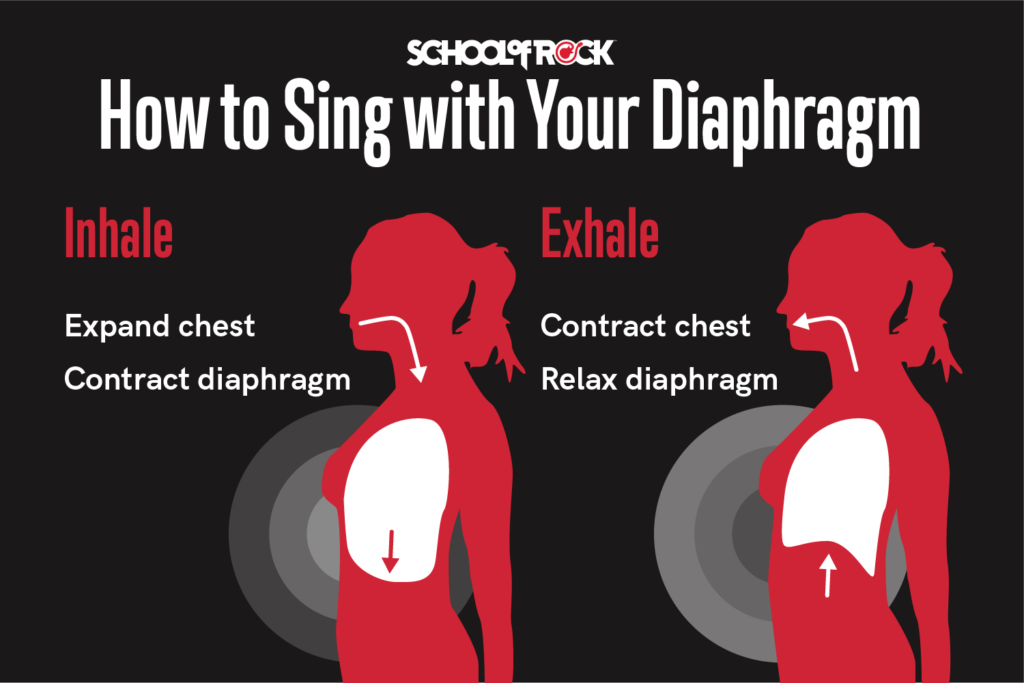
One of the foundational aspects of singing is proper breathing technique. When you sing, your breath is the fuel that powers your voice. Learning to control your breath will improve your vocal endurance, tone, and projection. Practice diaphragmatic breathing by inhaling deeply through your nose, feeling your belly expand. As you exhale, release the air slowly and controlled, engaging your core muscles. This technique ensures that you have enough breath support to sustain long phrases and hit high notes with ease.
Vocal Warm-Up Exercises
Before you begin singing, it’s essential to warm up your vocal cords and prepare your voice for optimal performance. Start with gentle humming or lip trills to activate your vocal muscles and loosen up any tension. Gradually move on to scales, arpeggios, and sirens, exploring your full vocal range. These warm-up exercises not only help prevent vocal strain but also improve your vocal flexibility and agility.
Posture and Alignment
Maintaining good posture and alignment while singing is crucial for proper breath control and vocal production. Stand tall with your feet shoulder-width apart, distributing your weight evenly. Keep your spine elongated, shoulders relaxed, and chin parallel to the floor. Good posture ensures that your breath flows freely, allowing for better tone and resonance. Practice singing in front of a mirror to monitor and correct any hunching or slouching.
Resonance and Projection
Resonance refers to the amplification and enrichment of sound produced by the vocal cords. By understanding and manipulating resonance, you can achieve a more resonant and projected voice. Experiment with different resonating spaces, such as your chest, mouth, and nasal cavities, to find the optimal placement for your voice. Focus on directing your sound forward and projecting it out into the room, rather than keeping it confined within your throat.
Vowel and Consonant Articulation
Clear and precise articulation of vowels and consonants enhances the intelligibility and clarity of your singing. Practice articulating each vowel sound individually, ensuring proper pronunciation and clarity. Pay attention to the shape and positioning of your mouth, tongue, and lips for each vowel. Additionally, work on crisp consonant articulation, especially when transitioning between vowels and consonants within words. Careful attention to articulation will improve your overall vocal diction and allow your audience to understand and connect with the lyrics you are singing.
Developing Vocal Range and Flexibility
Expanding Vocal Range
Expanding your vocal range is a goal that many singers strive for. To achieve this, practice exercises that gradually push the boundaries of your current range. Begin with ascending and descending scales, aiming to hit higher and lower notes with control and clarity. Over time, consistently working on extending your range will help you reach new heights and depths in your singing voice.
Strengthening Head Voice
Head voice refers to the higher and lighter register of your voice, often associated with a falsetto or a more airy quality. Strengthening your head voice allows for effortless and controlled singing in the upper part of your range. Practice sirens or vocal slides, gradually ascending into your head voice and then descending back down smoothly. Focus on maintaining a relaxed and open throat to access the full potential of your head voice.
Developing Mix Voice
Mix voice, also known as the middle voice, is the balanced combination of chest and head voice. It allows you to seamlessly transition between registers and maintain a consistent tone throughout your range. To develop your mix voice, practice exercises that involve smoothly connecting your chest voice to your head voice. Experiment with different vocal exercises to find the right balance and resonance that works for your unique voice.
Improving Chest Voice
Chest voice is the lower and stronger register of your voice, often associated with a fuller and richer tone. Strengthening your chest voice will improve the power and richness of your lower range. Practice exercises that focus on resonance in the chest, such as descending scales or sustained notes in the lower register. Be mindful of maintaining good breath support and avoiding tension in your throat as you develop your chest voice.
Mastering Vocal Registers
Vocal registers refer to the distinct areas of your vocal range, including chest voice, head voice, and mix voice. Mastering these registers involves understanding their unique qualities and learning to transition smoothly between them. Practice exercises that target each register individually, gradually working on blending and balancing them together. Developing control and mastery over your vocal registers will allow you to navigate your range effortlessly and expressively.

Efficient Vocal Practice
Consistency and Frequency
Consistency and frequency in your vocal practice are key to making consistent progress. Set aside regular practice sessions, even if they are shorter in duration, rather than sporadic and lengthy sessions. Aim for daily practice, even if it’s for a shorter period, as this enables your vocal muscles to develop muscle memory. By consistently engaging with your voice, you will notice improvements in your technique, range, and overall vocal control.
Structured Practice Sessions
To make the most of your practice time, structure your sessions with specific goals and objectives. Choose exercises and techniques that align with your current vocal needs and focus on those areas. For example, if you’re working on vocal agility, incorporate exercises that target agility and flexibility. Breaking down your practice into smaller, manageable segments will allow for targeted improvement in specific areas, ensuring steady progress over time.
Recording and Analyzing
Recording yourself during practice sessions is a valuable tool for self-assessment and improvement. Use a digital recorder or a smartphone to capture your singing. Listen back to your recordings with a critical ear, identifying areas for improvement such as pitch accuracy, breath control, or articulation. Analyzing your recordings will provide you with valuable insights into your strengths and weaknesses, enabling you to make adjustments and track your progress.
Seeking Professional Guidance
Working with a vocal coach or singing teacher can greatly accelerate your progress and provide you with personalized guidance. An experienced professional can assess your technique, identify areas for improvement, and prescribe specific exercises tailored to your voice. They can also offer valuable insights and feedback on your vocal performance, helping you refine your skills and address any vocal challenges or limitations you may encounter.
Avoiding Vocal Strain and Injury
Vocal strain and injury can hinder your progress and negatively impact your vocal health. To prevent these issues, be mindful of your vocal limits and avoid excessive or improper vocal practices. Warm up your voice before singing, practice proper technique, and listen to your body. If you experience any discomfort, hoarseness, or pain, give yourself a rest and seek medical advice if necessary. Taking care of your vocal health is paramount for long-term vocal development and the prevention of vocal damage.
Improving Pitch Accuracy
Pitch Recognition Exercises
Improving pitch accuracy begins with honing your ability to recognize and match pitches. Incorporate pitch recognition exercises into your practice routine, such as singing intervals or patterns played on an instrument. Start with smaller intervals, gradually progressing to more challenging ones. With consistent practice, your ear will become more attuned to pitch, enhancing your accuracy and intonation.
Ear Training
Ear training is a crucial skill for all singers. It involves developing your ability to hear and reproduce musical intervals, chords, melodies, and rhythms. Practice exercises such as interval recognition, pitch imitation, and transcribing melodies by ear. Utilize online resources, apps, or software specifically designed for ear training. Regular ear training will improve your overall musicianship and make it easier to stay in tune while singing.
Utilizing Pitch Correction Tools
Pitch correction tools, such as pitch correction software or pedals, can be used as aids to improve pitch accuracy. These tools analyze your vocal input and make instant adjustments to bring your singing closer to the correct pitch. While utilizing pitch correction tools, it’s important to use them as a training tool rather than relying on them completely. Gradually reduce your dependence on these tools as your pitch accuracy improves.
Singing along with Instruments
Practicing singing along with instruments, such as a piano or guitar, can improve your pitch accuracy and help you stay in tune. Utilize instrumental tracks, play chords on an instrument, or sing along to a metronome to improve your ability to stay on pitch. This also helps you develop a sense of musicality and learn to harmonize with other musicians. Singing with instruments exposes you to various tonalities and enables you to adjust your pitch accordingly.

Enhancing Vocal Control and Dynamics
Controlling Vibrato
Vibrato is a subtle fluctuation of pitch that adds depth, richness, and expressiveness to your singing. Learning to control and utilize vibrato effectively can enhance your vocal performances. Practice exercises that focus on controlled and deliberate use of vibrato, ensuring that it complements your singing rather than distracting from it. Develop an understanding of different vibrato styles and experiment with incorporating it into various musical genres.
Mastery of Dynamics
Dynamics refer to the variations in volume and intensity within a musical performance. Mastering dynamics allows you to add nuance, emotion, and a sense of musicality to your singing. Practice exercises that involve intentional changes in volume, gradually transitioning between soft and loud sections. Experiment with various levels of intensity to emphasize different parts of a song, conveying its emotions and capturing the attention of your audience.
Conveying Emotions through Voice
One of the remarkable aspects of singing is its ability to convey emotions effectively. Developing the ability to emote through your voice enables you to connect with your audience on a deeper level. Focus on expressing the emotions and meaning of a song through your vocal delivery. Pay attention to phrasing, tone, and dynamics to authentically convey the intended emotions of the lyrics. Experiment with different vocal techniques to evoke specific moods and create impactful performances.
Using Breath Control for Expression
Breath control plays a significant role in expressing emotions in singing. Mastering breath control allows you to sustain long phrases, add subtle nuances, and convey a wide range of emotions. Practice exercises that focus on breath management, such as singing sustained notes while gradually increasing or decreasing your volume. Experiment with breathy and controlled singing to evoke different emotional qualities. By harnessing your breath control, you can bring your performances to life with greater expressiveness and emotional depth.
Working on Vocal Tone and Quality
Understanding Vocal Timbre
Vocal timbre refers to the unique color, texture, and quality of an individual’s voice. Developing your vocal timbre involves enhancing and refining the distinctive characteristics of your voice. Listen attentively to recordings of your singing and identify the aspects of your timbre that make your voice unique. Experiment with different vocal techniques, such as modifying resonance and vowel shapes, to further enhance and bring out the richness of your vocal timbre.
Experimenting with Resonance
Resonance is a crucial element in shaping your vocal tone and quality. Explore different resonating spaces within your body, such as your chest, mouth, and nasal cavities. By adjusting resonance, you can alter and refine the overall sound of your voice. Practice exercises that involve consciously directing your sound to different resonance areas while maintaining proper vocal technique. This experimentation will help you discover and develop a vocal tone that suits your singing style and repertoire.
Developing a Rich Tone
A rich tone is characterized by warmth, depth, and fullness. To develop a rich tone, focus on proper breath support, healthy vocal production, and accessing your resonators effectively. Breath from your diaphragm, engage your core muscles, and allow your voice to resonate in your optimal resonating spaces. Experiment with vowel modification to maximize resonance and richness in your voice. Consistent practice using these techniques will lead to the development of a rich and captivating tone.
Avoiding Vocal Strain and Tension
Strained vocal production and tension can negatively impact the quality of your tone. To avoid vocal strain and tension, practice good vocal technique and ensure your vocal instrument is properly warmed up. Maintain relaxation in your throat, jaw, and neck muscles, as tension can restrict airflow and result in a strained vocal tone. Be mindful of any signs of vocal fatigue or discomfort and take breaks when needed. By singing with relaxed and tension-free muscles, you will achieve a more natural and pleasant vocal tone.
Improving Articulation and Diction
Tongue and Jaw Exercises
Clear articulation and diction are essential for conveying lyrics effectively. Perform tongue twisters and jaw exercises to warm up and strengthen the muscles involved in articulation. Practice enunciating consonants precisely and shaping vowel sounds with clarity and crispness. Pay attention to the placement and movement of your tongue and jaw while singing, ensuring that each word is articulated distinctively and intelligibly.
Clear Pronunciation
Clear pronunciation of words ensures that your audience can understand the lyrics you are singing. Enunciate each syllable carefully and avoid mumbling or slurring words together. Practice singing lyrics slowly, paying attention to clarity and precision, then gradually increase your speed while maintaining clear pronunciation. A focus on clear pronunciation will enhance the overall intelligibility of your vocal performance.
Vocalizing Consonants
Vocalizing consonants effectively adds texture, emphasis, and rhythm to your singing. Practice exercises that focus on isolating and vocalizing different consonant sounds, such as sibilants (s, sh) and plosives (p, b). Pay attention to the shape and positioning of your mouth and tongue while articulating consonants to ensure clarity and precision. Experiment with varying degrees of consonant intensity to add depth and character to your vocal delivery.
Working on Articulation Speed
Articulation speed refers to the ability to pronounce words and lyrics rapidly while maintaining clarity. Improve your articulation speed by practicing scales or vocal exercises with quick and precise articulation. Start at a comfortable tempo and gradually increase the speed while maintaining accuracy. Singing along with fast-paced songs or practicing rapid-fire tongue twisters can also help improve your articulation speed over time.
Expressive Interpretation of Songs
Connecting with Song Lyrics
To deliver a meaningful and emotionally captivating performance, it’s essential to connect with the lyrics of a song. Take the time to analyze the lyrics, understand their meaning, and relate them to personal experiences or emotions. Develop a strong emotional connection to the words you are singing, as this will enhance your ability to communicate the song’s message to your audience.
Interpreting Phrases and Lines
In addition to understanding the song’s lyrics, focus on interpreting and phrasing each line and phrase effectively. Explore different dynamics, tonalities, and pacing to bring out the intended emotions and musicality of the song. Pay attention to the structure and narrative flow of the song, emphasizing key phrases or lines to create impact and engage your audience. Experiment with subtle vocal nuances, such as adding melodic embellishments or changes in vocal timbre, to express the emotions and nuances embedded within the song.
Adding Personal Style and Flair
Adding your own personal style and flair to a song can make your performance unique and memorable. Experiment with different vocal techniques, such as vocal runs, melodic variations, or stylistic inflections that suit your musical taste and genre. Be creative in your interpretation of the song, while still staying true to its essence. Embrace your individuality and find ways to make the song your own, allowing your personality and musicality to shine through.
Exploring Different Genres
Being versatile and open to exploring different genres can greatly enhance your expressive interpretation of songs. Experiment with a diverse range of musical styles, from pop and jazz to rock and classical. Each genre carries its own set of stylistic nuances and vocal techniques, allowing you to expand your artistic range. By exploring different genres, you can broaden your vocal horizons and discover new ways to express yourself creatively.

Building Confidence and Stage Presence
Overcoming Stage Fright
Stage fright is a common obstacle for singers, but with practice and experience, it can be overcome. Start by performing for supportive friends or family members to build your confidence gradually. Practice deep breathing and relaxation techniques to help calm your pre-performance nerves. Visualize positive outcomes and focus on the joy of sharing your music with others. With each successful performance, your confidence will grow, and stage fright will diminish.
Body Language and Energy
Your body language and energy contribute significantly to your stage presence. Stand tall and with confidence, projecting a positive and engaging energy to your audience. Use expressive gestures, such as hand movements or subtle body sways, to enhance the emotional delivery of the song. Make eye contact with your audience, creating a connection and inviting them to be a part of your performance. Engaging body language and energy help captivate your audience and make your stage presence more compelling.
Engaging with the Audience
Interacting and engaging with your audience can create a memorable and inclusive performance experience. Acknowledge the presence of your audience through thoughtful gestures, smiles, or brief moments of connection. Encourage audience participation by inviting them to sing along or clap along with certain parts of a song. By actively involving your audience, you create a sense of connection and shared experience, making your performance more memorable and enjoyable for everyone involved.
Using Stage Props and Movement
Incorporating stage props and movement can add visual interest and further enhance your stage presence. Carefully select props that complement the mood or story of the song you are performing. Experiment with choreographed movements, dance routines, or simple gestures to enhance the storytelling and expressiveness of your performance. Be intentional with your movements, ensuring they align with the musicality and emotions of the song. Thoughtful use of stage props and movement can make your performance visually engaging and leave a lasting impression on your audience.
Taking Care of Your Vocal Health
Hydration and Vocal Health
Proper hydration is crucial for maintaining vocal health. Drink plenty of water throughout the day to keep your vocal cords hydrated and lubricated. Avoid excessive caffeine or alcohol consumption, as they can dehydrate your body and negatively affect your vocal cords. Additionally, consider using a humidifier in dry environments to prevent vocal dryness. Staying properly hydrated will help prevent vocal strain, enhance vocal flexibility, and promote optimal vocal health.
Proper Rest and Recovery
Rest and recovery are integral to maintaining vocal health and preventing vocal fatigue. Ensure you get enough sleep each night to allow your body and vocal cords to recover. Avoid excessive strain on your voice, especially when you are feeling tired or unwell. Schedule regular vocal rest days to give your voice time to rejuvenate. Respect your body’s limits and listen to any signs of vocal fatigue or strain to prevent long-term vocal damage.
Avoiding Vocal Strain and Abuse
To maintain vocal health, it is essential to avoid vocal strain and abuse. Warm up your voice before singing and avoid excessive screaming or yelling. Protect your voice from cold or dry environments by using scarves or avoiding excessive exposure to air conditioning. Be mindful of your vocal limits and avoid pushing your voice beyond its natural capabilities. If you experience persistent vocal issues or discomfort, consult a voice specialist or speech-language pathologist for professional guidance.
Maintaining a Healthy Lifestyle
Maintaining a healthy lifestyle goes hand in hand with vocal health. Regular exercise, a balanced diet, and sufficient sleep will contribute to overall vocal well-being. Avoid smoking and exposure to second-hand smoke, as they can cause damage to your vocal cords and hinder your vocal capabilities. Moderation in alcohol consumption is also recommended, as it can dehydrate your body and negatively affect your vocal performance. Prioritize self-care and make choices that support your vocal health for long-term success.
In conclusion, improving your singing voice involves understanding and incorporating various vocal techniques, developing vocal range and flexibility, efficient vocal practice, improving pitch accuracy, enhancing vocal control and dynamics, working on vocal tone and quality, improving articulation and diction, expressive interpretation of songs, building confidence and stage presence, and taking care of your vocal health. By incorporating these elements into your singing journey and consistently practicing and honing your skills, you can make significant strides in improving and maximizing your vocal potential. Remember, progress takes time and patience, so be kind to yourself and enjoy the process of transforming your singing voice.