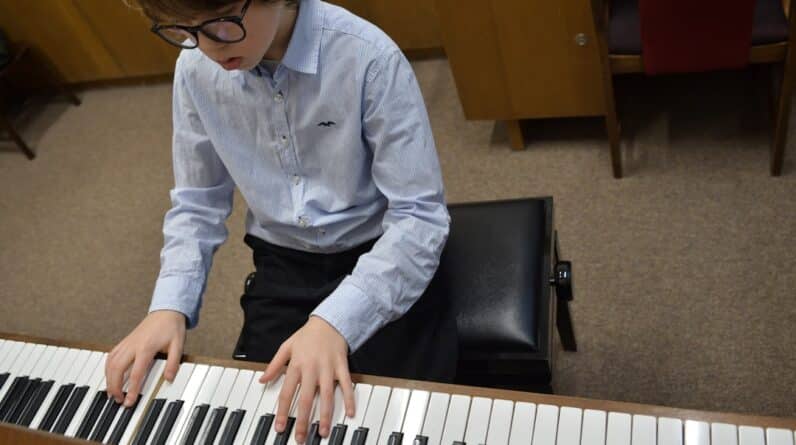
Performance anxiety is a common experience that many individuals face, particularly in high-stakes situations such as singing in front of an audience. You may find yourself feeling a rush of nervousness, a racing heart, or even a sense of dread as the moment to perform approaches. This anxiety can stem from various sources, including fear of judgment, perfectionism, or past negative experiences.
Understanding the roots of your performance anxiety is crucial in addressing it effectively. By recognizing that these feelings are a natural response to pressure, you can begin to reframe your mindset and approach your performances with a more positive outlook. Moreover, performance anxiety can manifest in different ways for different people.
For some, it may lead to physical symptoms like sweating or trembling, while for others, it might result in mental blocks or a complete inability to perform. You might notice that your anxiety peaks at certain moments, such as before stepping on stage or during rehearsals. Acknowledging these triggers can help you develop strategies to cope with them.
Remember, you are not alone in this experience; countless performers have faced similar challenges and have found ways to overcome them.
Key Takeaways
- Performance anxiety is a common issue that can affect singers and performers of all levels.
- Self-confidence plays a crucial role in overcoming performance anxiety and delivering a successful performance.
- Singing can have a significant psychological impact, affecting emotions and mental well-being.
- Techniques such as deep breathing, visualization, and positive self-talk can help manage performance anxiety.
- Singing courses can help build self-confidence and provide a supportive environment for singers to grow and develop.
The Role of Self-Confidence in Performance
Self-confidence plays a pivotal role in how you approach singing and performing. When you believe in your abilities, you are more likely to take risks and express yourself authentically. Conversely, a lack of self-confidence can lead to hesitation and self-doubt, which may hinder your performance.
Building self-confidence is not just about feeling good; it’s about trusting your skills and embracing your unique voice. You might find that when you cultivate a strong sense of self-belief, your performances become more enjoyable and fulfilling. To enhance your self-confidence, consider setting achievable goals for yourself.
These goals can range from mastering a specific song to performing in front of a small group of friends. Each accomplishment, no matter how small, can contribute to a growing sense of confidence. Additionally, surrounding yourself with supportive individuals who encourage your growth can significantly impact your self-esteem.
When you feel valued and appreciated by those around you, it becomes easier to believe in yourself and your abilities as a singer.
The Psychological Impact of Singing

Singing is not just an art form; it is also a powerful means of self-expression that can have profound psychological effects. Engaging in singing can elevate your mood, reduce stress, and even foster a sense of community when performed with others. You may find that singing allows you to connect with your emotions on a deeper level, providing an outlet for feelings that might otherwise remain unexpressed.
This emotional release can be incredibly therapeutic, helping you navigate the complexities of life while enhancing your overall well-being. Furthermore, the act of singing can boost your mental health by promoting mindfulness and presence. When you focus on the music and the act of singing itself, you may find that worries about performance anxiety or self-doubt fade into the background.
This immersion in the moment can create a sense of flow, where time seems to stand still and you are fully engaged in the experience. By recognizing the psychological benefits of singing, you can approach your performances with a greater sense of purpose and joy.
Techniques for Managing Performance Anxiety
Managing performance anxiety requires a combination of strategies tailored to your individual needs. One effective technique is visualization, where you imagine yourself performing successfully in front of an audience. By picturing yourself confidently delivering a powerful performance, you can create a mental blueprint that helps alleviate anxiety when the time comes to sing live.
This practice not only prepares you mentally but also reinforces positive associations with performing. Breathing exercises are another valuable tool for managing anxiety. Deep breathing techniques can help calm your nervous system and reduce physical symptoms associated with anxiety.
Before stepping on stage, take a moment to focus on your breath—inhale deeply through your nose, hold for a few seconds, and exhale slowly through your mouth. This simple practice can ground you and provide a sense of control over your body’s reactions. Additionally, consider incorporating mindfulness practices into your routine; being present in the moment can help diminish feelings of anxiety and enhance your overall performance experience.
Building Self-Confidence through Singing Courses
Participating in singing courses can be an excellent way to build self-confidence while honing your vocal skills. These courses often provide structured learning environments where you can receive constructive feedback from instructors and peers alike. As you progress through the curriculum, you may find that your confidence grows alongside your abilities.
The supportive atmosphere of a singing class allows you to experiment with different styles and techniques without the fear of judgment. Moreover, singing courses often include opportunities for performance practice, which can help desensitize you to the pressures of live singing. By regularly performing in front of classmates or during recitals, you gradually acclimate to the experience of being on stage.
This exposure can significantly reduce performance anxiety over time as you become more comfortable with the act of sharing your voice with others. Ultimately, investing in singing courses not only enhances your technical skills but also fosters a strong sense of self-assurance.
Addressing Negative Self-Talk and Self-Doubt

Negative self-talk can be one of the most significant barriers to building self-confidence as a singer. You may find yourself plagued by thoughts like “I’m not good enough” or “I’ll embarrass myself on stage.” Recognizing these harmful patterns is the first step toward overcoming them. Challenge these negative thoughts by reframing them into positive affirmations.
Instead of focusing on what could go wrong, remind yourself of your strengths and past successes as a performer. Additionally, consider keeping a journal where you document your thoughts and feelings about singing. Writing down your experiences can help you identify recurring negative patterns and provide clarity on how they affect your performance.
By acknowledging these thoughts without judgment, you create space for more positive beliefs to take root. Surrounding yourself with affirming influences—whether through supportive friends or uplifting music—can also help counteract negative self-talk and reinforce a healthier mindset.
Creating a Supportive and Safe Environment for Singers
A supportive environment is essential for fostering growth and confidence among singers. Whether you are part of a choir, taking private lessons, or participating in group workshops, being surrounded by individuals who encourage one another can make all the difference in your journey as a performer. You might find that sharing experiences with fellow singers helps normalize feelings of anxiety and self-doubt while providing valuable insights into overcoming these challenges.
Creating this safe space involves open communication and mutual respect among participants. Encourage constructive feedback rather than criticism; this approach allows everyone to learn from one another while building confidence in their abilities. Additionally, consider organizing informal gatherings where singers can share their work without the pressure of formal performances.
These low-stakes environments can help ease anxiety while fostering camaraderie among singers.
The Importance of Mental Health in Singing Performance
Mental health plays an integral role in how effectively you perform as a singer. When you prioritize your mental well-being, you create a solid foundation for artistic expression and personal growth. Recognizing the signs of stress or burnout is crucial; if left unaddressed, these issues can negatively impact both your performance and enjoyment of singing.
Make it a habit to check in with yourself regularly—are you feeling overwhelmed? Are there external pressures affecting your passion for music? Incorporating self-care practices into your routine is essential for maintaining mental health as a singer.
This could involve setting aside time for relaxation, engaging in hobbies outside of music, or seeking professional support when needed. Remember that taking care of your mental health is not just beneficial for you; it also enhances the quality of your performances. When you feel balanced and centered, you are more likely to connect with your audience and deliver an authentic representation of yourself through song.
In conclusion, navigating performance anxiety and building self-confidence as a singer is an ongoing journey that requires patience and dedication. By understanding the psychological aspects of singing, employing effective techniques for managing anxiety, and fostering supportive environments, you can cultivate a fulfilling relationship with music that enhances both your personal growth and artistic expression. Embrace this journey with an open heart and mind; every step forward is an opportunity for growth and connection through the power of song.
FAQs
What are the psychological aspects of performance anxiety and self-confidence in singing?
Performance anxiety in singing can manifest as fear, nervousness, and self-doubt before or during a performance. Self-confidence, on the other hand, is the belief in one’s abilities and the ability to perform without excessive self-doubt.
How can singing courses address performance anxiety?
Singing courses can address performance anxiety by providing techniques to manage anxiety, such as breathing exercises, visualization, and positive self-talk. They can also offer performance opportunities in a supportive environment to help singers build confidence.
How can singing courses address self-confidence?
Singing courses can address self-confidence by providing constructive feedback, setting achievable goals, and offering encouragement and support. They can also help singers develop a positive mindset and belief in their abilities through effective teaching methods.
What are some psychological benefits of singing courses?
Singing courses can help individuals build resilience, improve self-esteem, and develop a sense of accomplishment. They can also provide a supportive community and a safe space for self-expression, which can contribute to overall psychological well-being.