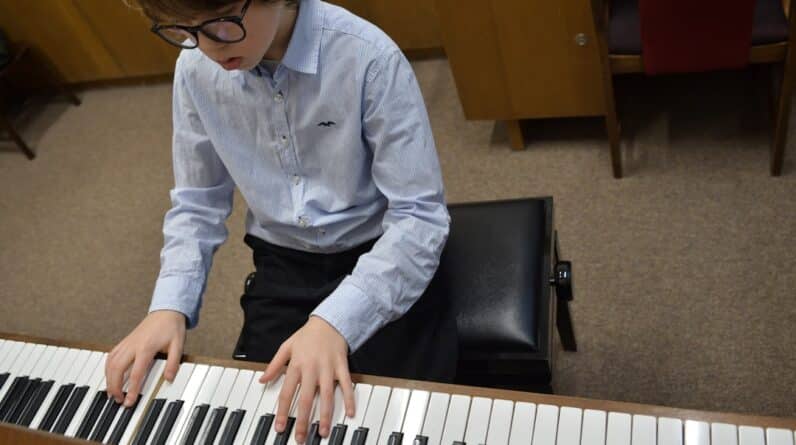
Stage fright, or performance anxiety, is a common experience that many individuals face when they find themselves in front of an audience. You may feel your heart racing, palms sweating, or even a sense of dread creeping in as you prepare to take the stage. Understanding the root causes of this anxiety can be the first step toward overcoming it.
Often, stage fright stems from a fear of judgment or failure. You might worry about how others perceive your performance, leading to a heightened sense of self-consciousness. This fear can be exacerbated by past experiences where you felt you didn’t meet your own or others’ expectations.
The effects of stage fright can be profound, impacting not only your performance but also your overall enjoyment of the activity. When anxiety takes hold, it can lead to physical symptoms such as trembling, nausea, or even a complete mental block. You may find that your mind goes blank just as you’re about to begin, or that your voice quivers when you try to speak.
Recognizing that these feelings are common can help you feel less isolated in your experience. Many performers, from musicians to public speakers, have faced similar challenges, and understanding that you are not alone can be a comforting realization.
Key Takeaways
- Stage fright is caused by fear of judgment and failure, and it can negatively impact your performance by causing physical symptoms like trembling and sweating.
- Rehearsing and preparing thoroughly can help build confidence and reduce anxiety before a performance.
- Techniques such as deep breathing, visualization, and relaxation exercises can help manage anxiety and calm nerves before going on stage.
- Surrounding yourself with supportive and understanding people can help alleviate stage fright and provide encouragement.
- Challenging and changing negative self-talk can help improve confidence and reduce anxiety before performing.
Preparation Is Key: Tips for Rehearsing and Building Confidence
Breaking Down Your Performance
Start by breaking down your performance into manageable sections. This approach allows you to focus on mastering each part without feeling overwhelmed by the entirety of the task. As you practice, pay attention to areas where you feel less confident and dedicate extra time to refining those sections.
Simulating the Performance Environment
In addition to rehearsing your content, consider simulating the performance environment during practice sessions. You might invite friends or family to watch you present, or even record yourself to review later. This exposure can help desensitize you to the pressure of performing in front of an audience.
Incorporating Feedback
As you rehearse, remember to incorporate feedback from those who watch you. Constructive criticism can provide valuable insights and help you improve further. By preparing thoroughly and seeking input from others, you’ll find that your confidence grows, making it easier to face the stage when the time comes.
Techniques for Managing Anxiety: Breathing, Visualization, and Relaxation Exercises

Managing anxiety is crucial for anyone dealing with stage fright, and there are several techniques you can employ to help calm your nerves before a performance. One of the most effective methods is deep breathing. When you feel anxious, your body tends to go into fight-or-flight mode, which can lead to shallow breathing.
By consciously taking deep breaths—inhale through your nose for a count of four, hold for four, and exhale through your mouth for four—you can activate your body’s relaxation response. This simple exercise can help lower your heart rate and reduce feelings of panic. Visualization is another powerful tool that can aid in managing anxiety.
Before stepping onto the stage, take a moment to close your eyes and imagine yourself performing successfully. Picture the audience responding positively—smiling, clapping, and engaged with your performance. This mental rehearsal can create a sense of familiarity and comfort with the situation, making it feel less daunting when it’s time to actually perform.
Additionally, incorporating relaxation exercises into your routine can help ease tension in your body. Techniques such as progressive muscle relaxation or yoga can promote a sense of calm and prepare you mentally for the experience ahead.
Building a Support System: Surrounding Yourself with Encouraging and Understanding People
Having a strong support system is invaluable when it comes to overcoming stage fright. Surrounding yourself with encouraging and understanding individuals can provide a safety net that helps bolster your confidence. These people can be friends, family members, or fellow performers who understand the challenges you face.
When you share your fears and anxieties with them, they can offer reassurance and remind you of your strengths. Their support can serve as a reminder that you are not alone in this journey. Moreover, consider seeking out mentors or peers who have experience in performing.
They can provide guidance based on their own experiences with stage fright and offer practical advice on how to cope with anxiety. Engaging in group rehearsals or workshops can also foster a sense of community among performers. When you see others facing similar challenges, it can normalize your feelings and encourage you to push through them together.
Building this network of support not only helps alleviate anxiety but also enhances your overall performance experience.
Overcoming Negative Self-Talk: Challenging and Changing Your Inner Dialogue
Negative self-talk can be one of the most significant barriers to overcoming stage fright. You may find yourself plagued by thoughts like “I’m going to mess up” or “Everyone will laugh at me.” These internal dialogues can create a cycle of anxiety that becomes increasingly difficult to break. To combat this negativity, it’s essential to challenge these thoughts actively.
When you catch yourself thinking negatively, pause and ask yourself if there’s any evidence to support those beliefs. Often, you’ll find that these thoughts are exaggerated or unfounded. Replacing negative self-talk with positive affirmations can also be transformative.
Instead of focusing on what could go wrong, remind yourself of past successes and the hard work you’ve put into preparing for this moment. Phrases like “I am capable” or “I have prepared well” can help shift your mindset from one of fear to one of confidence. Keeping a journal where you document positive experiences and affirmations can serve as a helpful reminder during moments of doubt.
By actively working to change your inner dialogue, you’ll find that your confidence grows and your anxiety diminishes.
Embracing Vulnerability: Accepting Imperfection and Embracing Authenticity

Embracing vulnerability is an essential step in overcoming stage fright and becoming a more authentic performer. You may feel pressure to present a perfect image on stage, but recognizing that imperfection is part of being human can liberate you from this burden. Audiences often connect more deeply with performers who show their true selves rather than those who strive for unattainable perfection.
Accepting that mistakes may happen during a performance allows you to approach the stage with a sense of freedom rather than fear. When you embrace authenticity, you create an opportunity for genuine connection with your audience. They are likely to appreciate your honesty and vulnerability, which can enhance their overall experience of your performance.
Instead of viewing stage fright as something to be ashamed of, consider it an opportunity for growth and self-discovery. By allowing yourself to be vulnerable, you not only reduce the pressure on yourself but also inspire others who may be struggling with similar fears.
Seeking Professional Help: Working with a Vocal Coach or Therapist to Address Stage Fright
If stage fright continues to hinder your ability to perform despite trying various techniques, seeking professional help may be beneficial. Working with a vocal coach can provide tailored guidance on improving your performance skills while also addressing anxiety-related issues. A coach can help you develop techniques specific to your voice and style while offering constructive feedback that builds confidence over time.
Additionally, consulting with a therapist who specializes in performance anxiety can provide deeper insights into the psychological aspects of stage fright. Therapy offers a safe space for exploring underlying fears and developing coping strategies tailored to your unique experiences. Through cognitive-behavioral techniques or mindfulness practices, a therapist can help you reframe negative thoughts and develop healthier responses to anxiety-provoking situations.
Seeking professional help is not a sign of weakness; rather, it demonstrates a commitment to personal growth and improvement.
Gradual Exposure: Taking Small Steps to Build Confidence in Performing in Front of Others
Gradual exposure is an effective strategy for building confidence when it comes to performing in front of others. Instead of jumping straight into high-pressure situations, start small by performing in low-stakes environments where the audience is supportive and understanding. This could mean sharing your work with close friends or family members before moving on to larger groups or public performances.
As you gain confidence through these smaller experiences, gradually increase the size and stakes of your performances. Each successful experience will reinforce your belief in your abilities and help diminish feelings of anxiety over time. Remember that progress may not always be linear; there will be ups and downs along the way.
However, by consistently challenging yourself in manageable increments, you’ll find that stage fright becomes less daunting and more manageable as you continue on your journey as a performer. In conclusion, overcoming stage fright is a multifaceted process that requires understanding its causes, preparing effectively, managing anxiety through various techniques, building a supportive network, challenging negative self-talk, embracing vulnerability, seeking professional guidance when necessary, and gradually exposing yourself to performance situations. By taking these steps, you will not only enhance your performance skills but also cultivate resilience and confidence that will serve you well in all areas of life.
FAQs
What is stage fright?
Stage fright, also known as performance anxiety, is the feeling of nervousness or fear that can occur before or during a performance, such as singing in front of an audience.
What are the symptoms of stage fright?
Symptoms of stage fright can include trembling, sweating, a racing heart, dry mouth, nausea, and a feeling of dread or panic.
How can I overcome stage fright when singing?
There are several strategies to overcome stage fright when singing, including practicing relaxation techniques, visualizing success, positive self-talk, seeking support from friends or a vocal coach, and gradually exposing yourself to performing in front of others.
What are some relaxation techniques to help with stage fright?
Relaxation techniques such as deep breathing, progressive muscle relaxation, and meditation can help calm nerves and reduce the physical symptoms of stage fright.
How can positive self-talk help with stage fright?
Positive self-talk involves replacing negative thoughts and fears with positive affirmations and encouraging statements. This can help boost confidence and reduce anxiety when performing.
Is it possible to sing confidently despite stage fright?
Yes, with practice and the use of various techniques, it is possible to overcome stage fright and sing confidently in front of an audience. It may take time and effort, but it is achievable.