
Vocal improvisation is an art form that allows you to express your creativity and emotions spontaneously through your voice. It involves creating melodies, harmonies, and rhythms on the spot, often without any pre-planned structure. This practice can be found in various musical genres, from jazz and blues to pop and R&When you engage in vocal improvisation, you tap into your intuition and musical instincts, allowing you to explore new sounds and ideas that may not emerge through traditional singing methods.
Ad-libbing, a closely related concept, refers to the spontaneous addition of lyrics or vocal embellishments during a performance. Both practices require a deep understanding of music theory, a strong sense of rhythm, and the ability to listen and respond to the musical environment around you. To truly grasp the essence of vocal improvisation, you must first cultivate a mindset that embraces experimentation and risk-taking.
This means letting go of the fear of making mistakes and allowing yourself to be vulnerable in your musical expression. You may find that some of your most profound moments occur when you step outside your comfort zone. Additionally, understanding the foundational elements of music—such as scales, chords, and song structures—will provide you with the tools necessary to navigate your improvisational journey.
By familiarizing yourself with these concepts, you can create a solid framework upon which to build your vocal improvisation skills.
Key Takeaways
- Vocal improvisation and ad-libbing involve spontaneous and creative vocal expression.
- Developing a repertoire of vocal riffs and runs can enhance your improvisational skills.
- Experimenting with different vocal techniques can help you discover new ways to improvise and ad-lib.
- Studying the techniques of great vocal improvisers can provide valuable insights and inspiration for your own improvisational abilities.
- Practicing freestyle vocal improvisation can help you become more comfortable and confident in your improvisational skills.
Developing a Repertoire of Vocal Riffs and Runs
As you embark on your journey into vocal improvisation, developing a repertoire of vocal riffs and runs is essential. These are short melodic phrases or embellishments that can add flair and personality to your singing. By learning a variety of riffs and runs, you equip yourself with a toolbox of musical ideas that you can draw upon during performances or jam sessions.
Start by listening to your favorite artists and identifying the unique vocal phrases they use. Pay attention to how they incorporate these elements into their songs and how they adapt them in different contexts. Once you’ve identified some riffs and runs that resonate with you, practice them regularly until they become second nature.
This will not only enhance your vocal agility but also boost your confidence when it comes time to improvise. You might consider recording yourself as you practice, allowing you to listen back and identify areas for improvement. Additionally, experimenting with variations on these riffs can help you develop your unique style.
By altering the rhythm, pitch, or phrasing of a riff, you can create new sounds that reflect your artistic identity.
Experimenting with Different Vocal Techniques
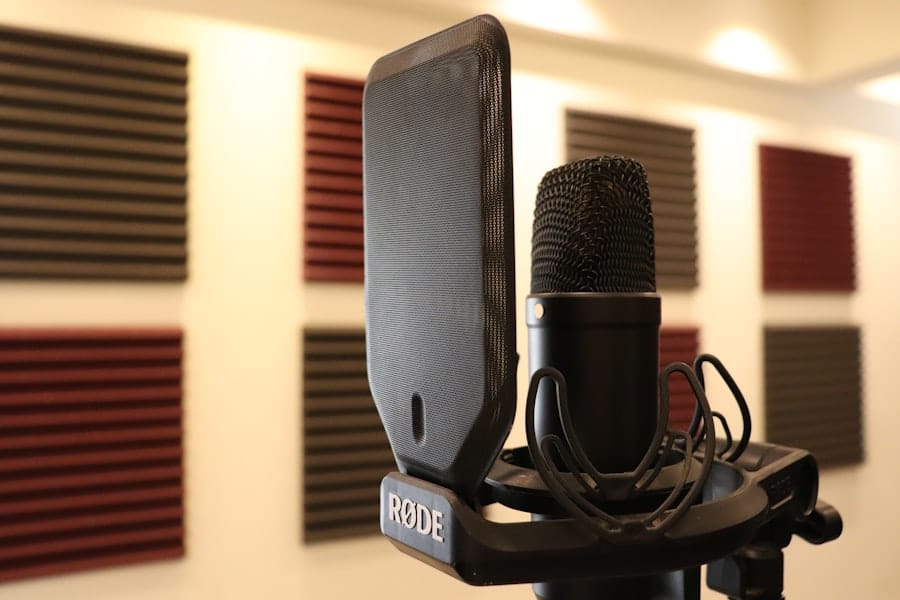
Vocal improvisation thrives on experimentation, so don’t hesitate to explore various vocal techniques that can enhance your sound. Techniques such as melisma, vocal runs, and even beatboxing can add depth and texture to your improvisational skills. Melisma involves singing multiple notes on a single syllable, which can create a beautiful, flowing effect in your vocal lines.
By practicing melismatic phrases, you can develop greater control over your voice while also expanding your melodic vocabulary. In addition to melisma, consider incorporating techniques like breath control and dynamics into your improvisation practice. Breath control is crucial for sustaining notes and executing intricate runs without straining your voice.
You might find it helpful to engage in breathing exercises that strengthen your diaphragm and improve your overall vocal stamina. Dynamics—varying the volume and intensity of your singing—can also add emotional weight to your improvisations. By experimenting with soft whispers or powerful belts, you can convey different feelings and moods in your performances.
Studying the Techniques of Great Vocal Improvisers
To elevate your own vocal improvisation skills, take the time to study the techniques of great vocal improvisers throughout history. Artists like Ella Fitzgerald, Bobby McFerrin, and Aretha Franklin have mastered the art of spontaneous singing, each bringing their unique flair to the craft. By analyzing their performances, you can gain valuable insights into their approaches to melody, rhythm, and phrasing.
Pay attention to how they navigate different musical styles and how they interact with their accompanying musicians. You might also consider transcribing some of their improvisational solos or ad-libs. This process involves writing down the notes and rhythms they sing, allowing you to internalize their techniques more deeply.
As you transcribe their work, think about how you can incorporate similar ideas into your own improvisations while still maintaining your individuality. Remember that studying great artists is not about imitation; it’s about inspiration and growth as a vocalist.
Practicing Freestyle Vocal Improvisation
Freestyle vocal improvisation is an exhilarating way to unleash your creativity and develop your skills as a vocalist. To practice this technique effectively, set aside dedicated time for improvisation sessions where you can explore different musical ideas without any constraints. You might choose to sing along with instrumental tracks or even create your own backing tracks using loops or beats.
The key is to allow yourself the freedom to experiment without judgment. During these sessions, focus on letting go of any preconceived notions about what sounds “right” or “wrong.” Instead, embrace the spontaneity of the moment and trust your instincts as a musician. You may find it helpful to set specific goals for each session—such as exploring a particular scale or experimenting with different vocal techniques—to keep your practice focused and productive.
Over time, you’ll notice that your ability to improvise freely will improve significantly as you become more comfortable with the process.
Incorporating Ad-libs into Songs

Ad-libs are an essential component of many vocal performances, adding an element of surprise and excitement for both the singer and the audience. To effectively incorporate ad-libs into your songs, start by identifying moments within the music where spontaneous embellishments would enhance the overall experience. These moments could occur during instrumental breaks, transitions between sections, or even at the end of a phrase.
When crafting ad-libs, consider using vocal riffs or runs you’ve developed in your repertoire. This will not only make your ad-libs feel more natural but also create a cohesive sound throughout your performance. Additionally, pay attention to the emotional context of the song; let this guide your choices in terms of dynamics and phrasing.
The more you practice integrating ad-libs into your performances, the more confident you’ll become in expressing yourself spontaneously within the framework of a song.
Finding Opportunities to Showcase Your Improvisational Skills
Once you’ve honed your vocal improvisation skills, it’s time to seek out opportunities to showcase them in front of an audience. Performing live is one of the most rewarding ways to share your artistry while also challenging yourself as a musician. Look for open mic nights, jam sessions, or local gigs where you can take the stage and demonstrate your improvisational abilities.
In addition to live performances, consider recording yourself singing improvised pieces and sharing them on social media platforms or music streaming services. This not only allows you to reach a wider audience but also provides valuable feedback from listeners who appreciate your unique style. Remember that every performance is an opportunity for growth; embrace each experience as a chance to learn more about yourself as an artist.
Collaborating with Other Musicians to Enhance Your Improvisational Abilities
Collaboration is a powerful tool for enhancing your vocal improvisation skills. Working with other musicians exposes you to different styles, techniques, and perspectives that can inspire new ideas in your own practice. Seek out opportunities to collaborate with instrumentalists or fellow vocalists who share similar interests in improvisation.
Whether it’s through informal jam sessions or structured rehearsals, these interactions can lead to exciting musical discoveries. As you collaborate with others, focus on developing strong communication skills within the musical context. Listening actively to your fellow musicians will help you respond more effectively during improvisational moments.
Additionally, don’t hesitate to share your own ideas and encourage others to do the same; this exchange of creativity can lead to innovative musical expressions that elevate everyone’s performance. In conclusion, mastering vocal improvisation and ad-libbing requires dedication, practice, and a willingness to explore new musical territories. By understanding the fundamentals of improvisation, developing a repertoire of riffs and runs, experimenting with various techniques, studying great artists, practicing freestyle singing, incorporating ad-libs into songs, finding performance opportunities, and collaborating with other musicians, you’ll cultivate a rich skill set that allows you to express yourself authentically through your voice.
Embrace the journey ahead; each step will bring you closer to becoming a confident and versatile vocalist capable of captivating audiences with your spontaneous artistry.
FAQs
What is vocal improvisation and ad-libbing in singing?
Vocal improvisation and ad-libbing in singing refer to the spontaneous creation of melodies, rhythms, and lyrics during a performance. It involves adding embellishments, variations, and personal touches to a song, often in response to the music or the emotions of the moment.
How can I incorporate vocal improvisation and ad-libbing into my singing style?
To incorporate vocal improvisation and ad-libbing into your singing style, you can start by practicing vocal exercises to improve your flexibility, range, and control. You can also study different vocal styles and techniques, such as jazz scatting or blues improvisation, to expand your repertoire of vocal improvisation skills. Additionally, listening to and studying performances by singers known for their improvisational abilities can provide inspiration and guidance.
Are there specific techniques or exercises to help develop vocal improvisation skills?
Yes, there are specific techniques and exercises that can help develop vocal improvisation skills. These may include practicing scales, arpeggios, and vocal runs to improve agility and dexterity, as well as experimenting with different vocal textures, dynamics, and articulations. Additionally, call-and-response exercises, rhythmic patterns, and melodic motifs can help train your ear and enhance your ability to spontaneously create vocal improvisations.
How can I improve my confidence in vocal improvisation and ad-libbing?
Improving confidence in vocal improvisation and ad-libbing involves regular practice, experimentation, and performance. It can also be helpful to work with a vocal coach or mentor who can provide constructive feedback and guidance. Building a strong foundation of vocal technique and musical knowledge can also boost confidence, as can developing a deep connection to the emotional content of the music.


