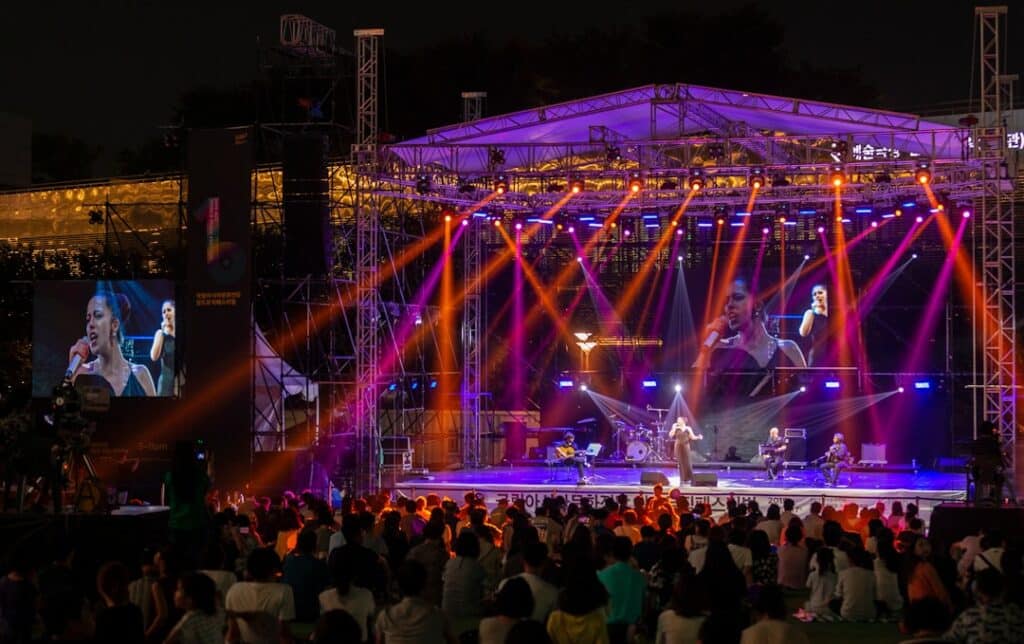
When you step onto a stage, the acoustics of the venue can significantly influence your performance. Each space has its unique characteristics that affect how sound travels and is perceived by the audience. In larger venues, such as concert halls or stadiums, sound waves can bounce off walls and ceilings, creating echoes that may distort your voice if not managed properly.
You might find that you need to adjust your vocal delivery to ensure clarity and projection, as the sound can take longer to reach the back rows. Understanding these nuances allows you to tailor your performance to the environment, ensuring that every note resonates with your audience. Conversely, smaller venues like coffee shops or intimate clubs have their own acoustic challenges.
The close proximity of the audience can amplify your voice, but it can also lead to a more intimate experience where every nuance is heard. In these settings, you may want to focus on softer dynamics and subtle vocal expressions, as the audience is likely to be more attuned to the intricacies of your performance. By recognizing the acoustic properties of each space, you can adapt your singing style and technique, ensuring that your performance is both engaging and effective.
Key Takeaways
- Different performance spaces have different acoustics that can affect how your vocals are projected and received by the audience.
- When performing in open-air venues, it’s important to adapt your vocal projection to ensure that your voice carries well without the help of acoustics.
- Utilizing microphones and sound systems in intimate clubs can help enhance the quality and reach of your vocals.
- Adjusting your vocal style to suit the acoustics and atmosphere of different performance spaces can greatly impact the audience’s experience.
- Engaging with the audience in open-air venues involves using movement and stage presence to create a dynamic and captivating performance.
Adapting Vocal Projection for Open-air Venues
Performing in open-air venues presents a unique set of challenges when it comes to vocal projection. The vastness of an outdoor space can dilute your sound, making it essential for you to project your voice more forcefully than you would in a confined area. You may need to rely on diaphragmatic breathing techniques to support your vocal power, allowing your voice to carry over long distances without straining.
Additionally, consider the wind and other environmental factors that can affect sound travel; adjusting your positioning on stage can help mitigate these issues. Moreover, engaging with the audience in an open-air setting requires a different approach to vocal dynamics. You might find it beneficial to incorporate more powerful crescendos and dramatic pauses to capture attention amidst the ambient noise of nature or city life.
Your vocal delivery should be bold and confident, ensuring that even those at the back of the crowd can feel the energy of your performance. By mastering these techniques, you can create a memorable experience for your audience, drawing them into your world despite the challenges posed by the open environment.
Utilizing Microphones and Sound Systems in Intimate Clubs

In intimate club settings, the use of microphones and sound systems becomes crucial for delivering a polished performance. Unlike larger venues where sound can be amplified through natural acoustics, smaller spaces often rely heavily on technology to ensure that every note is heard clearly. You should familiarize yourself with the equipment available at the venue, including microphones, mixers, and monitors.
Understanding how to adjust levels and settings will empower you to create a balanced sound that complements your vocal style. Additionally, consider how proximity to the microphone affects your performance. In intimate settings, you may want to experiment with different distances from the mic to find the sweet spot that captures your voice without overwhelming it with feedback.
This allows for a more nuanced performance where subtle vocal inflections can shine through. By mastering the technical aspects of sound systems in these venues, you can enhance your overall performance and create an immersive experience for your audience.
Adjusting Vocal Style for Different Performance Spaces
Your vocal style should evolve based on the performance space you are in. In larger venues, you might adopt a more powerful and theatrical approach, using broad gestures and dynamic shifts to engage a distant audience. This style often requires projecting not just your voice but also your emotions across a vast space.
You may find that incorporating dramatic pauses or powerful belting can captivate listeners who are far away, drawing them into the emotional core of your performance. In contrast, when performing in smaller venues, a more intimate vocal style may be appropriate. Here, you can focus on subtlety and connection, allowing your voice to convey vulnerability and authenticity.
You might choose to incorporate softer tones and gentle phrasing that invite listeners into a personal experience. This shift in vocal style not only enhances the atmosphere but also fosters a deeper connection with your audience, making them feel as though they are part of something special.
Engaging with the Audience in Open-air Venues
Engagement with your audience is vital in any performance setting, but it takes on a different dimension in open-air venues. The sheer size of these spaces can create a sense of distance between you and your listeners, making it essential for you to actively bridge that gap. You might consider using call-and-response techniques or inviting audience participation to create a sense of community among attendees.
This interaction not only energizes the crowd but also makes them feel like integral parts of the experience. Additionally, consider how visual elements can enhance audience engagement in open-air settings. Utilizing gestures, facial expressions, and movement can help draw attention and create a connection with those who may be further away from the stage.
You might also want to make eye contact with various sections of the audience, ensuring that everyone feels acknowledged and included in the performance. By actively engaging with your audience in these ways, you can transform an open-air concert into a shared celebration that resonates long after the final note.
Creating an Intimate Atmosphere in Club Settings

Creating an intimate atmosphere in club settings is essential for fostering a connection with your audience. The ambiance of these venues often lends itself to closeness and personal interaction, so take advantage of this by setting the right mood from the moment you step on stage. Consider how lighting and stage setup can enhance intimacy; dimming lights or using soft colors can create a warm environment that encourages listeners to lean in and engage with your performance.
Moreover, your approach to storytelling during performances can significantly contribute to this intimate atmosphere. Sharing personal anecdotes or insights about your songs invites listeners into your world and makes them feel like they are part of something special. You might also want to encourage audience members to share their thoughts or experiences related to your music, fostering a two-way dialogue that deepens connections.
By prioritizing intimacy in club settings, you create an experience that resonates on a personal level with each member of your audience.
Incorporating Movement and Stage Presence in Open-air Venues
Movement and stage presence play crucial roles in captivating audiences during open-air performances. The expansive nature of these venues allows for greater freedom of movement, so don’t hesitate to explore the stage fully. Engaging with different areas of the stage not only keeps your performance dynamic but also helps draw attention from various sections of the crowd.
You might find that moving closer to one side or interacting with band members creates visual interest and enhances the overall experience. Additionally, consider how your body language can convey emotions and connect with your audience on a deeper level. Gestures that complement your lyrics or express passion can resonate powerfully in open-air settings where sound may be less focused.
You might also want to incorporate choreographed movements or spontaneous dance elements that reflect the energy of your music. By embracing movement and stage presence in these larger venues, you create a visually captivating experience that enhances the auditory elements of your performance.
Adapting Setlists for Different Performance Spaces
Your setlist is one of the most critical components of any performance, and adapting it for different spaces is essential for maximizing impact. In larger venues, consider including high-energy songs that will resonate with a vast audience and keep their spirits high throughout the show. These tracks often serve as anthems that encourage crowd participation and create an electric atmosphere.
You might also want to intersperse slower ballads strategically to provide emotional contrast and allow moments of reflection amidst the excitement. In contrast, when performing in intimate clubs, you may want to curate a setlist that emphasizes storytelling and emotional depth. Selecting songs that showcase vulnerability or personal experiences can foster a deeper connection with listeners who are close by.
You might also consider incorporating covers or lesser-known tracks that resonate with the venue’s atmosphere, creating a unique experience tailored specifically for that audience. By thoughtfully adapting your setlist for each performance space, you ensure that every show feels fresh and engaging while resonating deeply with those who come to listen.
FAQs
What are some tips for adapting singing for open-air venues?
Some tips for adapting singing for open-air venues include projecting your voice to reach a larger audience, being mindful of potential wind interference, and using a microphone and sound system to enhance your performance.
How can I adapt my singing for intimate clubs?
Adapting your singing for intimate clubs may involve adjusting your vocal dynamics to suit the smaller space, connecting with the audience on a more personal level, and utilizing the club’s sound system to create a balanced and immersive experience for the audience.
What are some considerations for singing in unique performance spaces?
Considerations for singing in unique performance spaces include understanding the acoustics of the venue, adapting your vocal technique to suit the space, and collaborating with the venue’s sound engineers to optimize the sound quality for the audience.