Want to improve your singing? Try humming! Humming has long been hailed as a secret weapon for singers, helping to develop vocal control and improve overall singing technique. In this article, we’ll explore the benefits of humming for singers and why incorporating this simple yet powerful practice into your vocal routine can take your singing to the next level. Whether you’re a professional vocalist or a shower singer, humming might just be the key to unlocking your full vocal potential. So warm up those vocal cords and let’s get humming!

The Benefits of Humming
Enhances Vocal Warm-Up
Humming is a fantastic tool for vocal warm-up. When you hum, you activate the muscles in your face, throat, and diaphragm, preparing them for the demands of singing. The gentle vibrations created by humming help to increase blood flow to the vocal cords, making them more flexible and ready to produce sound. By incorporating humming into your warm-up routine, you can ensure that your voice is in optimal condition before you start singing.
Improves Vocal Technique
Humming plays a crucial role in improving vocal technique. When you hum, you focus on producing sound with proper breath control and resonance. This attention to technique can translate directly to your singing voice, helping you develop a strong foundation of breath support and vocal resonance. By practicing correct technique through humming, you can train your voice to produce a clear and powerful sound when you sing.
Increases Vocal Range
One of the most exciting benefits of humming is its ability to increase vocal range. When you hum, the vibrations produced gently stretch and warm up the vocal cords, allowing them to become more flexible. This flexibility enables you to access new notes in both your upper and lower registers. By consistently incorporating humming exercises into your vocal practice, you can gradually expand your range and reach notes you never thought possible.
The Connection Between Humming and Singing
The Vibrational Aspect
Humming produces a unique vibrational sensation that is closely connected to the act of singing. When you hum, the vibrations generated by your vocal cords resonate throughout your entire body, including your chest, throat, and head. This vibration can create a deep sense of connection with your voice, enhancing your ability to control and manipulate sound when you sing. By becoming more attuned to these vibrations through humming, you can develop a stronger and more resonant singing voice.
Building Resonance
Resonance is a critical aspect of singing, and humming can help you build and develop it. When you hum, the vibrations created by your vocal cords resonate within the cavities of your face, throat, and chest, amplifying your sound. By practicing humming exercises regularly, you can learn to direct and refine this resonance, resulting in a richer and more resonant singing tone. Building resonance through humming can significantly enhance the quality and depth of your voice.
Developing Breath Control
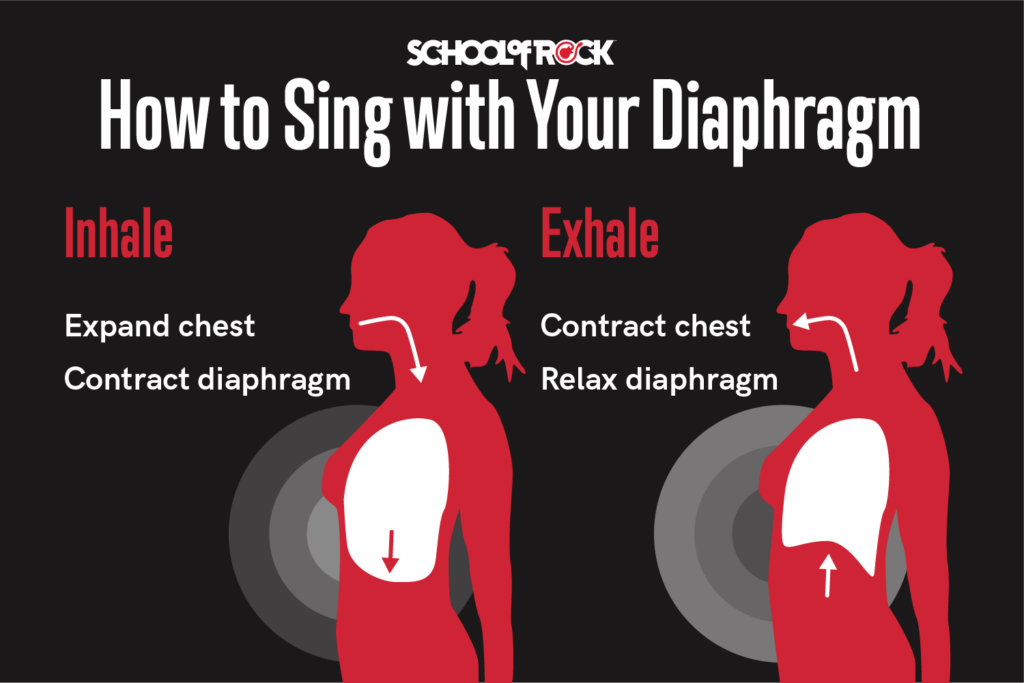
Humming requires careful control of your breath, making it an ideal technique for developing breath control. When you hum, you must sustain a continuous and controlled flow of air while maintaining a steady pitch and tone. This precision in breath control is transferable to singing, allowing you to sustain long phrases and maintain control over your vocal tone. By regularly practicing breath control through humming, you can improve your overall vocal endurance and stamina.
The Role of Humming in Vocal Training
Developing Pitch Accuracy
Pitch accuracy is crucial in singing, and humming can be a valuable tool for developing it. When you hum, you focus on producing a steady and consistent pitch, training your ears and voice to recognize and reproduce specific notes. This focused practice can greatly improve your ability to sing in tune, enabling you to hit the right notes accurately and confidently. By incorporating humming exercises into your vocal training, you can refine your pitch accuracy and become a more precise and skilled singer.
Enhancing Vocal Projection
Humming can also help enhance vocal projection, the ability to produce a strong and clear sound. When you hum, you practice controlling and directing the airflow from your lungs, allowing you to generate a resonant and projected sound. This skill is transferable to singing, enabling you to sing with volume and clarity. By incorporating humming exercises that focus on vocal projection into your vocal training, you can strengthen your ability to project your voice and deliver impactful performances.
Strengthening Vocal Muscles
Just like any other muscle in the body, the vocal muscles need regular exercise to stay strong and agile. Humming provides an excellent opportunity to strengthen these muscles, as it requires continuous and controlled vocalization. By regularly practicing humming exercises, you can strengthen the muscles responsible for controlling your voice, resulting in improved vocal control and stability. Developing strong vocal muscles through humming can help prevent vocal strain and fatigue, allowing you to sing with ease and confidence.
Common Misconceptions about Humming and Singing
Humming Alone is Not Enough
While humming can offer numerous benefits to your singing, it is essential to note that it should not be seen as a standalone practice. Humming is a valuable tool that complements other vocal exercises and techniques. To achieve optimal vocal health and performance, it is important to incorporate a well-rounded training regimen that includes exercises for breath control, vocal technique, and range development. Humming should be viewed as one piece of the puzzle that contributes to your overall vocal progress.
The Importance of Proper Technique
It is crucial to approach humming and singing with proper technique to reap the full benefits. Just like singing, humming requires correct breath control, posture, and vocal placement. Without these fundamentals, humming may not have the desired impact on your vocal abilities. Working with a vocal coach or instructor can help ensure that you are using the correct technique when practicing humming exercises and singing, allowing you to maximize the benefits and progress in your vocal training.
Individual Variations in Benefits
As with any vocal exercises or techniques, the benefits of humming can vary from person to person. Each individual has unique vocal capabilities and challenges, which means the impact of humming may differ. While some singers may experience significant improvements in their vocal range and technique through humming, others may find specific benefits more subtle. It is important to keep in mind that the benefits of humming will depend on various factors, including individual physiology, dedication, and consistency in practice.
Tips and Techniques for Incorporating Humming into Singing Practice
Humming Scales and Arpeggios
One effective way to incorporate humming into your singing practice is by using scales and arpeggios. Begin by humming the scales and arpeggios in your comfortable range, focusing on producing a clear and steady sound. Gradually increase the difficulty by exploring higher and lower notes. This exercise helps to improve vocal agility, pitch accuracy, and range extension, all while strengthening your overall vocal control.
Humming With Larynx Movements
Engaging the larynx while humming can be an effective technique to enhance vocal control and flexibility. Begin by lightly placing your fingers on your larynx and start humming. As you hum, experiment with raising or lowering your larynx to feel different sensations and variations in tone. This exercise can help you develop better control over your larynx, allowing you to manipulate your vocal tone and achieve desired vocal effects when singing.
Using Humming as a Vocal Warm-Up
Incorporating humming into your vocal warm-up routine is a simple yet effective way to prepare your voice for singing. Start by humming gentle sirens, gradually moving up and down your vocal range. Focus on maintaining a relaxed and controlled airflow while producing a steady sound. This exercise helps to awaken your vocal muscles, increase blood flow to the vocal cords, and warm up your voice, setting the stage for a productive singing session.
Scientific Studies on the Effects of Humming on Singing
Study 1: The Effects of Humming on Vocal Health
A study conducted by vocal experts examined the impact of humming on vocal health. The findings suggested that regular humming exercises can contribute to improved vocal health and prevent vocal strain. Humming was shown to increase vocal cord flexibility, promote better breath control, and reduce vocal fatigue. The study concluded that incorporating humming into vocal training can help maintain optimal vocal health and longevity.
Study 2: Humming as a Technique to Improve Singing Performance
Another study investigated the effects of humming on singing performance. The results indicated that singers who incorporated humming exercises into their practice routine demonstrated significant improvements in pitch accuracy, vocal projection, and overall singing technique compared to those who did not. The study concluded that humming can be a valuable technique for enhancing singing performance and should be considered as a fundamental aspect of vocal training.
Study 3: The Impact of Humming on Resonance and Articulation
A third study explored the impact of humming on resonance and articulation in singers. The study revealed that regular humming exercises led to improvements in vocal resonance and articulation clarity. Humming was shown to strengthen the coordination between the vocal cords, resonant cavities, and articulatory muscles, resulting in a more resonant and articulate singing voice. The study emphasized the importance of incorporating humming as a technique to develop vocal resonance and improve overall vocal quality.

Advice from Vocal Coaches and Singing Experts
Incorporating Humming into Daily Vocal Exercises
Vocal coaches and singing experts often recommend incorporating humming into daily vocal exercises to help improve vocal technique and overall singing performance. By including humming in your practice routine, you can fine-tune your breath control, develop better resonance, and strengthen your vocal muscles. Consistency is key, so make sure to set aside dedicated time each day for humming exercises.
Using Humming as an Assessment Tool
Vocal coaches and instructors often use humming as an assessment tool to evaluate a singer’s breath control, pitch accuracy, and vocal range. By listening to a singer hum, vocal coaches can gain valuable insights into their vocal abilities and identify areas that require further development. Humming can provide a clear snapshot of a singer’s technical strengths and weaknesses, enabling instructors to tailor their training accordingly.
Balancing Humming with Other Vocal Techniques
While humming offers numerous benefits, it is essential to maintain a balanced approach to vocal training. Incorporating a variety of vocal exercises and techniques, including breath control exercises, tongue exercises, and resonance exercises, is crucial for overall vocal development. Vocal coaches and experts advise singers to strike a balance between humming and other vocal techniques to ensure comprehensive and well-rounded training.
Personal Experiences and Testimonials
How Humming Transformed My Singing
Many singers have reported remarkable transformations in their singing abilities after incorporating humming into their practice routines. They often share how humming helped them develop a stronger vocal technique, expand their vocal range, and improve overall vocal control. Singers also highlight how humming enhanced their breath control, resonance, and articulation, resulting in a more confident and expressive singing voice.
Success Stories from Singers
Numerous success stories from singers testify to the power of humming in improving their singing skills. Singers have reported significant improvements in pitch accuracy, vocal projection, and vocal control, leading to enhanced performances and increased confidence on stage. These success stories underscore the value of incorporating humming into vocal training and the positive impact it can have on a singer’s overall vocal journey.
Challenges and Lessons Learned
While the benefits of humming are undeniable, it is essential to recognize that every singer’s journey is unique. Some singers may face challenges in incorporating humming into their practice routines, such as resistance to vocal exercises or difficulties in maintaining consistent practice. However, these challenges present valuable opportunities for growth and learning. Singers who have overcome these obstacles often emphasize the importance of perseverance, patience, and seeking guidance from vocal coaches or instructors.

Conclusion
Humming offers a multitude of benefits for singers, ranging from enhancing vocal warm-up and technique to increasing vocal range and improving vocal projection. Its connection to singing through vibrational aspects, resonance-building, and breath control development makes it a valuable tool in vocal training. While there may be misconceptions and variations in its impact, incorporating humming into daily vocal exercises can lead to significant improvements in pitch accuracy, vocal projection, and vocal muscle strength.
Scientific studies have provided evidence supporting the positive effects of humming on vocal health, singing performance, and resonance. Advice from vocal coaches and singing experts emphasizes the importance of balancing humming with other vocal techniques and using it as an assessment tool. Personal experiences and testimonials highlight the transformative power of humming in singers’ journeys, showcasing improved vocal technique, range, and overall vocal control.
In conclusion, don’t underestimate the power of humming in your singing practice. Embrace the benefits, incorporate humming into your vocal exercises, and witness the positive impact it can have on your singing abilities. With consistency, patience, and guidance from vocal professionals, humming can be a valuable tool to help you unlock your full vocal potential and become the confident and skilled singer you aspire to be.


