
You’re here to unlock the full potential of your voice, and that means mastering the foundation: your breath. As your Listicle Content Architect, I’m here to guide you through the essential diaphragm breathing exercises that will transform your singing. Forget just puffing out your chest; we’re going deep to harness the power within. This isn’t about a quick fix, but a sustained technique that will build resonance, control, and endurance. Let’s dive into the art and science of breathing, specifically for the demands of singing.
Before you can do the exercises, you need to truly understand what you’re working with. Your diaphragm is not just another muscle; it’s your primary breathing muscle, a dome-shaped powerhouse located at the base of your rib cage. Its efficient function is the bedrock of good singing technique. Think of it as the engine of your vocal instrument; without a strong, well-controlled engine, you’ll sputter and falter.
1.1. The Anatomy of Breath
Your diaphragm is a large, sheet-like muscle separating your chest cavity (thorax) from your abdominal cavity. When you inhale, this muscle contracts and flattens, pulling downward. This downward movement increases the volume of your chest cavity, creating a vacuum that draws air into your lungs. It’s an involuntary reflex, but one you can consciously influence for singing. This controlled downward pull is what we refer to as diaphragmatic breathing, or belly breathing, because you’ll see your abdomen expand as the diaphragm descends.
1.2. Why Chest Breathing Fails Singers
Many people, when asked to take a deep breath, will instinctively puff out their chests and raise their shoulders. This is shallow, chest breathing. While it might feel like you’re taking in more air, it’s inefficient for singing. Chest breathing relies heavily on the secondary breathing muscles in your neck and upper chest. These muscles are not designed for sustained power and can lead to tension, vocal strain, and a limited range. They also produce a weaker, less supported sound. Think of it like trying to power a car with a tiny battery instead of a robust engine – you won’t get far, and you’ll burn out quickly. Diaphragm breathing, on the other hand, taps into your body’s natural, most powerful air supply.
1.3. The Benefits of Diaphragmatic Support
Mastering diaphragm breathing for singing offers profound benefits. You’ll experience increased lung capacity, allowing you to hold longer phrases and sing with greater stamina. Your vocal tone will become richer, more resonant, and more controlled. You’ll gain better pitch accuracy because airflow is more consistent. Crucially, you’ll reduce vocal strain and the risk of vocal fatigue or injury. This fundamental skill empowers you to express yourself with greater freedom and confidence, allowing your voice to truly shine.
2. Foundational Diaphragm Breathing Exercises: Getting Started
These exercises are designed to help you connect with and consciously control your diaphragm. They might feel awkward at first, but consistency is key. Think of it as building muscle memory – the more you practice, the more natural and automatic diaphragm breathing will become. Start slow and focus on the sensations.
2.1. The “Empty Bucket” or “Hand on Belly” Technique
This is your absolute starting point. It’s about feeling the diaphragm’s movement.
- Setup: Stand or sit comfortably, and place one hand on your upper chest and the other on your abdomen, just below your rib cage.
- Inhale: Breathe in slowly through your nose, focusing all your attention on your abdomen. You should feel your hand on your belly move outward, while your hand on your chest remains relatively still. Imagine you’re filling a bucket from the bottom up. Your belly should expand like a balloon.
- Exhale: Breathe out slowly through your mouth, gently pulling your belly button towards your spine. You should feel your hand on your belly move inward. Aim for a silent, controlled exhalation.
- Repeat: Do this for 5-10 breaths, focusing on the feeling of expansion and contraction in your abdomen. Don’t force it; let the breath happen naturally as you guide it.
2.2. The “Sigh” or “Yawn” Breath
This exercise helps you release tension and discover a relaxed, open inhalation.
- Setup: Stand or sit comfortably.
- Inhale: Take a slow, silent inhale through your nose, allowing your abdomen to expand naturally.
- Exhale: As you exhale through your mouth, make a gentle “ha” sound, as if you’re sighing with relief or performing a relaxed yawn. Feel the air escape smoothly and continuously, with your abdominal muscles softly engaging to control the release. The “ha” sound should be effortless, not a forced expulsion of air.
- Focus: Pay attention to the sensation of relaxation in your throat and chest as the air leaves your body. This mimics the feeling of a spontaneous, efficient sigh, which is naturally diaphragmatic. Repeat 5-8 times.
2.3. The “Silent Hiss” (Sustained Exhalation)
This exercise builds your ability to control the duration and steadiness of your exhale, crucial for singing sustained notes.
- Setup: Stand or sit comfortably, with good posture. Place your hand on your abdomen to feel the support.
- Inhale: Take a deep, diaphragmatic inhale, feeling your abdomen expand.
- Exhale: Begin to exhale slowly and steadily through your mouth, making a continuous “sss” sound. Imagine you are letting air out of a balloon very slowly, without any wobbles or leaks. Your hand on your abdomen should feel firm but not rigid, providing consistent support.
- Duration: Aim to sustain the hiss for as long as you comfortably can, keeping the sound consistent and the airflow even. When you can’t hiss any longer without effort, stop.
- Repetition: Rest for a moment, then repeat the exercise. Gradually try to increase the duration of your hiss with each repetition. Your goal isn’t to push until you’re gasping, but to achieve the longest comfortable and controlled hiss.
3. Intermediate Exercises: Developing Control and Endurance
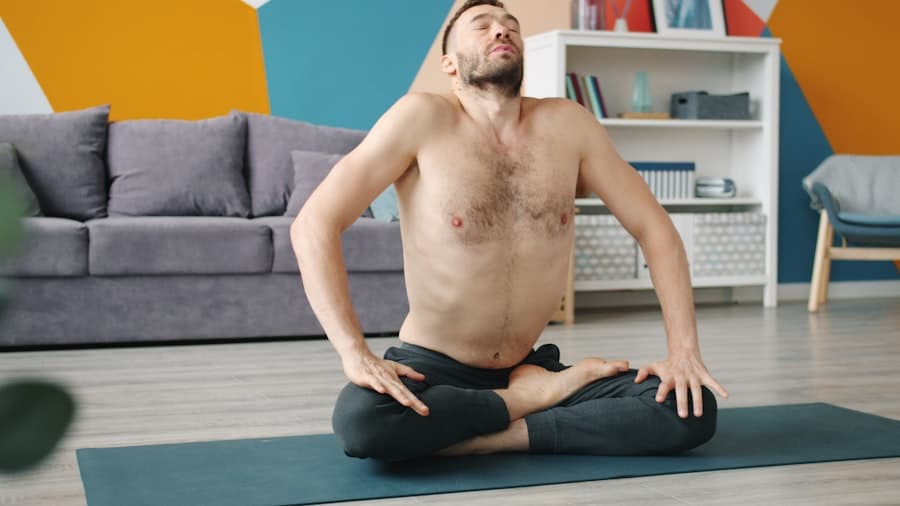
Once you’re comfortable with the foundational exercises and consistently feel your diaphragm at work, it’s time to build on that awareness. These exercises increase the demands on your breath support, preparing you for longer phrases and more dynamic singing.
3.1. The “Pant” or “Dog Panting” Exercise
This exercise helps you isolate and strengthen the quick, repeated inhalations and exhalations your diaphragm can perform.
- Setup: Stand or sit comfortably.
- Action: Begin to inhale and exhale rapidly through your mouth, like a dog panting after a run. Focus intensely on using your abdominal muscles to control these quick breaths. The movement should primarily be in your abdomen, with minimal chest or shoulder movement.
- Focus: Feel your abdominal muscles “pumping” the air in and out. It should feel efficient, not strained. The goal is to build endurance in this rapid diaphragmatic action.
- Duration: Continue for 30-60 seconds, or until you feel a slight fatigue in your abdominal area. This indicates you’re engaging the correct muscles. Rest and repeat 3-5 times. This exercise is excellent for developing the quick breath recovery needed between vocal phrases.
3.2. The “Lip Trill” or “Blow” Exercise
This exercise combines diaphragmatic support with vocal cord engagement, simulating singing.
- Setup: Stand or sit comfortably. Ensure your posture is upright.
- Action: Gently flutter your lips together and produce a sound by blowing air through them, creating a “brrr” or “trill” sound. Think of a horse’s breath.
- Breath Support: As you do this, actively engage your diaphragmatic support. You should feel your abdomen expanding on the inhale and engaged on the exhale, providing a steady stream of air to maintain the lip trill.
- Pitch Variation: Once you can sustain a steady lip trill, begin to vary the pitch, moving up and down scales. This requires continuous and controlled airflow from your diaphragm. If the trill falters or breaks, it’s a sign your breath support is inconsistent.
- Focus: The goal is a smooth, continuous sound with consistent airflow. This exercise is fantastic for building breath stamina and coordination between breath and vocal production.
3.3. Sustained Vowels on a Single Breath
This is where you start applying the principles to actual vocalization.
- Setup: Stand or sit with excellent posture.
- Inhale: Take a deep, diaphragmatic inhale, ensuring your abdomen expands.
- Vocalize: On a comfortable pitch, sustain a single vowel sound (like “ah,” “ee,” “oh,” or “oo”) for as long as you can maintain a clear, steady, and supported tone.
- Focus on Support: As you hold the vowel, pay close attention to the consistent engagement of your abdominal muscles and the steady outward pressure of your diaphragm. Avoid letting your chest collapse or your shoulders rise. If your tone wavers or weakens, it’s an indication that your breath support is faltering.
- Gradual Increase: Don’t aim for an impossibly long note at first. Focus on quality over quantity. As your breath control improves, you’ll naturally be able to sustain the vowel for longer periods. Aim for 15-20 seconds initially and gradually work up to 30-40 seconds or more.
4. Advanced Exercises: Mastering Power and Control

These exercises push your breath control to its limits, developing the stamina and fine-tuning required for complex vocal passages. They demand focus and dedication.
4.1. The “Ascending/Descending Sirens”
This exercise challenges your ability to control breath flow across a wide vocal range.
- Setup: Stand or sit with an open posture.
- Inhale: Take a deep, diaphragmatic breath.
- Action: Begin on a comfortable low note and smoothly glide your voice upwards to your highest comfortable note on a single vowel sound, like a siren. As you ascend, maintain consistent diaphragmatic support. Imagine you are pushing air steadily upwards.
- Descending: After reaching the highest note, smoothly glide back down to your lowest comfortable note, again on a single vowel sound, maintaining that same steady breath support.
- Focus: Pay close attention to how your breath support fluctuates (or ideally, doesn’t fluctuate) as you move through your range. The goal is to keep the airflow smooth and consistent, preventing your voice from wavering or thinning out as you go higher or lower. If the sound breaks, reassess your diaphragmatic engagement. Repeat 5-8 times.
4.2. The “Staccato Scales”
This exercise refines your ability to initiate and control quick bursts of sound, demanding precise breath management.
- Setup: Stand or sit with excellent posture.
- Inhale: Take a full, diaphragmatic breath.
- Action: Sing a short scale (e.g., a five-note scale) or a simple melodic phrase in short, detached notes (staccato). On each note, you should feel a distinct, controlled impulse of air from your diaphragm. Think of it as a quick, precise “push” for each note.
- Focus: The challenge here is to use your diaphragm to initiate each staccato note without holding your breath or creating tension. It’s about controlled exhalation for each individual sound. You might feel a slight inward “pull” of your abdominal muscles with each staccato note, signifying firm support.
- Tempo and Range: Start with a slow tempo and a comfortable range. As you improve, you can increase the tempo and explore wider melodic intervals. This exercise builds vocal agility and the ability to articulate clearly on short breaths.
4.3. The “Rhythmic Breathing” Exercise
This exercise trains your breath to respond to rhythmic patterns, vital for singing technically demanding passages.
- Setup: Stand or sit with good posture. Have a metronome or a rhythmic clapping pattern ready.
- Inhale: Take a deep, diaphragmatic breath.
- Action: Inhale for a set number of beats (e.g., 4 beats) with a silent, expanding abdomen. Then, exhale for a different set number of beats (e.g., 6 or 8 beats) with a steady, controlled hiss or a sustained vowel sound, maintaining diaphragmatic support throughout the exhalation.
- Vary the Ratios: Experiment with different inhale-to-exhale ratios. For example, inhale for 2 beats and exhale for 10 beats. Then try inhaling for 8 beats and exhaling for 4. The key is to maintain control and support throughout the entire rhythmic cycle.
- Focus: This exercise helps you internalize rhythmic breath control. You’ll learn to manage your air supply precisely according to the demands of the music. It directly prepares you for passages where you need to sing long notes or quickly recover your breath between phrases.
5. Integrating Breathwork into Your Practice Routine
| Diaphragm Breathing Exercises for Singing |
|---|
| 1. Deep Breathing |
| 2. Belly Breathing |
| 3. Rib Cage Expansion |
| 4. Sustained Breathing |
| 5. Breathing Coordination with Vocalization |
Knowing the exercises is one thing; making them a part of your consistent practice regime is where the real transformation happens. These are not one-off drills, but practices that should be woven into your daily vocal warm-up and rehearsal.
5.1. The Daily Warm-Up: A Breath First Approach
Your vocal warm-up should begin with breath exercises. Before you even think about hitting a note, spend 5-10 minutes on diaphragm activation and breath control.
- Morning Routine: Start your day with the “Empty Bucket” and “Silent Hiss” exercises. This wakes up your respiratory system and primes your body for vocalization.
- Pre-Rehearsal/Performance: Before each singing session, incorporate the “Pant” or “Lip Trill” exercises to get your breath support system ready for action.
5.2. Breath as an Extension of Musicality
Your breath isn’t just a physical mechanic; it’s an artistic tool. Think about how you can use your breath to shape your musical phrases.
- Musical Phrasing: When practicing a song, consciously think about where you will take your breaths. Are you taking them on natural resting points in the music? Are you taking them efficiently to support the upcoming phrase? Use your breath exercises to develop the stamina to reach those points.
- Dynamic Control: Your breath support directly influences your dynamics. A strong, steady diaphragmatic exhale can produce a powerful forte, while a more nuanced release can create a delicate piano. Practice singing sustained notes with varying dynamics, focusing on maintaining consistent breath support.
5.3. Listening and Adjusting: Your Internal Feedback Loop
You are your own best teacher. Learn to listen to your body and your voice.
- Feel the Support: During all these exercises, consistently check in with your body. Do you feel the expansion and contraction in your abdomen? Is your chest and throat relaxed? Are you holding tension anywhere?
- Hear the Tone: Does your breath support result in a clear, resonant tone? Or is it thin, weak, or strained? Your vocal sound is a direct reflection of your breath control. If the tone is suffering, revisit the foundational exercises.
- Progressive Practice: Don’t get discouraged if you don’t see results immediately. Progress in breathing takes time and consistent effort. Celebrate small victories, like holding a sustained note for an extra second or feeling more abdominal engagement.
By diligently working through these exercises and integrating them into your practice, you’re not just learning to breathe; you’re learning to SING with a powerful, controlled, and beautiful voice. Your diaphragm is your secret weapon; unleash its full potential.
FAQs
What are diaphragm breathing exercises for singing?
Diaphragm breathing exercises for singing are techniques that focus on using the diaphragm to control the breath while singing. These exercises help singers improve breath support, control, and overall vocal performance.
Why are diaphragm breathing exercises important for singers?
Diaphragm breathing exercises are important for singers because they help improve breath control, increase vocal power, and enhance overall vocal quality. By strengthening the diaphragm and learning to control the breath, singers can improve their vocal range and endurance.
What are some common diaphragm breathing exercises for singing?
Common diaphragm breathing exercises for singing include belly breathing, straw breathing, and hissing exercises. These exercises focus on engaging the diaphragm, expanding the lungs, and controlling the breath to support the voice.
How often should singers practice diaphragm breathing exercises?
Singers should practice diaphragm breathing exercises regularly to see improvement in their vocal performance. It is recommended to practice these exercises daily, especially before vocal warm-ups and singing sessions.
Are diaphragm breathing exercises beneficial for all singers?
Yes, diaphragm breathing exercises are beneficial for all singers, regardless of their skill level or vocal range. These exercises can help singers develop better breath control, support, and overall vocal technique.