Can You Learn To Sing Better
Do you dream of hitting those high notes or belting out powerful melodies like your favorite singers? The good news is, you can! In this article, we explore the possibility of improving your singing voice and unlocking your true vocal potential.
Whether you’re a complete beginner or already have some experience, some techniques and exercises can help you become a better singer. So grab a pen and paper, warm up those vocal cords, and get ready to discover the secrets to enhancing your singing abilities.

Understanding the Basics of Singing
Singing is a beautiful form of expression that allows you to convey emotions and connect with others through the power of your voice. Whether you’re a novice or have some experience, understanding the basics of singing is essential to improving your vocal abilities. From breath control to vocal techniques, there are several key areas to focus on to develop your singing skills.
The Importance of Breath Control
One of the fundamental aspects of singing is breath control. Proper breath control allows you to sustain notes, control dynamics, and improve vocal stability. Without adequate breath support, your voice may sound weak and lack clarity. To improve your breath control, start by practicing breathing exercises that focus on expanding your diaphragm. Take deep breaths, filling your lungs with air, and release the breath slowly, focusing on controlling the flow of air.
Developing Vocal Range
Another essential aspect of singing is developing your vocal range. Your vocal range refers to the range of notes that you can comfortably sing. By expanding your vocal range, you’ll be able to tackle a wider variety of songs and styles. To develop your vocal range, start by identifying your vocal registers – chest voice, middle voice, and head voice – and practice exercises that target each register individually. Gradually work on connecting these registers to achieve a smooth transition between them.
Mastering Pitch and Timing
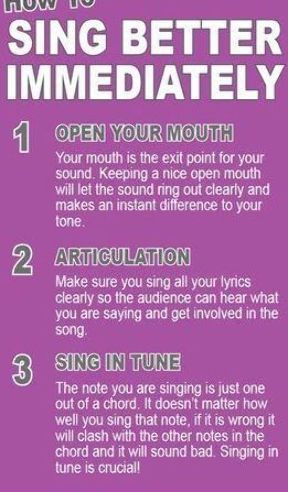
Pitch and timing play a crucial role in singing. Having a good pitch means being able to hit the correct notes accurately and consistently. Timing, on the other hand, refers to the ability to sing in rhythm and stay in sync with the music. To improve your pitch, practice singing scales and intervals, gradually training your ear to recognize the correct pitch. When it comes to timing, practice with a metronome or backing tracks to develop a strong sense of rhythm and timing accuracy.
Expanding Vocal Techniques
As you progress in your singing journey, it’s essential to explore and expand your vocal techniques. This involves experimenting with different vocal styles, such as belting, falsetto, or runs and riffs. Each style requires specific strategies, and by learning and incorporating them into your singing, you can enhance the versatility of your performances. Working with a vocal coach or taking lessons can be beneficial in helping you discover and develop new vocal techniques.
Improving Vocal Technique
Once you have a solid understanding of the basics of singing, it’s time to focus on improving your vocal technique. By paying attention to elements such as warm-up exercises, posture, diction, and reducing vocal tension, you can enhance the quality and control of your voice.
Warm Up and Vocal Exercises
Before starting any singing session, it’s crucial to warm up your voice. This helps to prevent strain and injury and prepares your vocal cords for optimal performance. Start by doing some basic warm-up exercises, such as humming, lip trills, and sirens. These exercises help to relax and engage your vocal muscles, allowing you to sing with more ease and flexibility.
Correct Posture and Body Alignment
Maintaining correct posture and body alignment is crucial for proper vocal technique. Stand with your feet shoulder-width apart and keep your head aligned with your spine. Avoid tension in your neck and shoulders, as this can restrict the movement of your vocal muscles. By maintaining good posture, you’ll have better breath control and vocal resonance, resulting in a more powerful and controlled voice.
Mastering Diction and Articulation
Clear diction and crisp articulation are key elements in effective vocal communication. Pay attention to the pronunciation of each word and ensure that your consonants are crisp and your vowels are well-shaped. Practice tongue twisters and exercises that target specific sounds to improve your diction and articulation. The ability to enunciate your words clearly will enhance the overall clarity and understanding of your singing.
Reducing Vocal Tension
Vocal tension is a common issue that can hinder your singing progress. Tension in your throat, jaw, or tongue can negatively affect your vocal tone and dynamics. To reduce vocal tension, practice relaxation exercises that focus on releasing tension in these areas. Massage your neck and jaw, do gentle stretches, and experiment with different relaxation techniques to find what works best for you. By alleviating vocal tension, you’ll experience greater vocal freedom and an improved vocal range.

Developing Musicality and Expressiveness
While technical skills are essential, developing musicality and expressiveness is what truly distinguishes a singer. It’s not just about hitting the right notes; it’s about conveying emotions and connecting with your audience on a deeper, more meaningful level. Here are some areas to focus on when developing your musicality and expressiveness.
Understanding Musical Dynamics
Musical dynamics refer to the variations in volume, intensity, and expression within a piece of music. It’s essential to understand how dynamics can enhance the emotional impact of a song. Practice singing with different dynamics – from soft and gentle to loud and powerful – to convey different moods and create a more engaging performance.
Interpreting Lyrics and Emotions
To truly connect with your audience, you must understand and interpret the lyrics and emotions of a song. Take the time to analyze the meaning behind the lyrics and immerse yourself in the feelings they convey. Experiment with different vocal nuances and phrasing to bring out the intended emotions in your performance. By connecting with the lyrics and expressing genuine emotions, you’ll captivate your audience and create a memorable singing experience.
Working on Phrasing and Delivery
Phrasing is the art of shaping musical phrases and delivering them cohesively and expressively. Pay attention to the musical structure of a song and understand where phrases and musical ideas begin and end. Experiment with different phrasing techniques, such as legato (smooth and connected) and staccato (short and detached), to bring out the musicality of a piece. Focus on the nuances of your delivery, such as emphasizing certain words or phrases, to enhance the overall musicality of your singing.
Utilizing Vibrato and Vibrancy
Vibrato is a technique used to add warmth and richness to a singer’s voice. It involves a slight, rapid fluctuation of pitch that creates a vibrational effect in your voice. Practicing controlled vibrato can add depth and expressiveness to your singing. Additionally, incorporating vibrancy – a lively and energetic quality – into your performance can make your singing more engaging and captivating. Experiment with different vibrato styles and dynamic variations to find your unique vocal signature.
Exploring Different Singing Styles
As a singer, it’s essential to be versatile and explore different singing styles. Each style comes with its own set of techniques and characteristics, allowing you to expand your repertoire and appeal to a broader range of listeners. Here are a few popular singing styles to consider exploring.
Classical Singing Techniques
Classical singing emphasizes classical music genres, such as opera and art songs. It requires a strong foundation in vocal technique, including breath control, resonance, and projection. If you’re interested in classical singing, consider working with a vocal coach who specializes in this style and exploring classical repertoire to develop your skills.
Pop and Contemporary Singing Styles
Pop and contemporary singing styles encompass a wide range of genres, including pop, rock, country, and more. These styles often prioritize a unique vocal tone, emotional delivery, and a strong connection with the lyrics and audience. Experiment with different pop and contemporary songs to find your own style and develop the techniques necessary for this genre.
Jazz and Blues Vocal Techniques
Jazz and blues are genres known for their improvisation, soulful delivery, and expressive vocal techniques. These styles require a strong sense of rhythm, phrasing, and an ability to explore vocal embellishments. Listen to renowned jazz and blues singers for inspiration and try incorporating these unique vocal techniques into your singing.
R&B and Soul Singing Techniques
R&B and soul music are characterized by their smooth melodies, emotional depth, and powerful vocal performances. These styles often involve intricate vocal runs, melismatic embellishments, and a strong connection to the lyrics. Practice singing R&B and soul songs to develop your vocal agility and emotive delivery.

Cultivating Performance Skills
Beyond technical proficiency, cultivating performance skills is essential for engaging your audience and delivering a memorable singing experience. Here are some key aspects to focus on when honing your performance skills.
Stage Presence and Confidence
Stage presence refers to the way you present yourself on stage and interact with the audience. It involves your body language, facial expressions, and overall energy. Cultivate stage presence by practicing performing in front of a mirror or recording yourself to observe your performance. Build confidence by visualizing successful performances and embracing the unique qualities that make you stand out as a performer.
Connecting with the Audience
As a singer, your ultimate goal is to connect with your audience and evoke emotions through your performance. Engage with your audience by making eye contact, interacting between songs, and conveying your passion for the music. Remember to be authentic and genuine in your interactions, as this will create a stronger connection with your listeners.
Effective Use of Microphone
Understanding how to use a microphone effectively can significantly enhance your vocal performance. Practice microphone technique by experimenting with different distances, angles, and grips to achieve the desired sound. Learn how to control your proximity to the microphone to avoid distortion or loss of volume. Additionally, be mindful of microphone feedback and work with sound technicians to ensure optimal sound quality.
Handling Nerves and Performance Anxiety
Nerves and performance anxiety are common challenges that many singers face. To overcome these feelings, practice deep breathing exercises and visualization techniques before going on stage. Focus on the joy of performing and the connection with your audience, rather than worrying about making mistakes. Acknowledge that nerves are a natural part of the performance experience and use them to channel your energy into an engaging and captivating performance.
Seeking Professional Guidance and Education
To further enhance your singing journey, seeking professional guidance and education can be immensely beneficial. Working with a vocal coach or taking singing lessons can provide valuable feedback, personalized instruction, and guidance in your vocal development. Here are some avenues to explore for professional advice and education.
Hiring a Vocal Coach
A vocal coach can provide personalized guidance and support tailored to your specific needs and goals. They can help you identify areas for improvement, develop effective practice routines, and provide valuable feedback on your technique and performance. Look for a vocal coach who has experience and expertise in the specific genre or style you want to pursue.
Taking Singing Lessons
Taking singing lessons can provide structured learning and help you develop your vocal skills systematically. Whether through private lessons or group classes, lessons offer the opportunity to receive expert instruction, practice vocal exercises, and improve your technique. Look for reputable singing schools or studios in your area that offer lessons for all skill levels.
Attending Workshops and Masterclasses
Workshops and masterclasses are valuable opportunities to learn from industry professionals and gain insights into different aspects of singing. These sessions often focus on specific topics or techniques, providing an opportunity to receive feedback and learn from the experiences of others. Keep an eye out for workshops and masterclasses in your area or consider attending online sessions.
Joining a Choir or Group
Joining a choir or singing group can offer a supportive and collaborative environment for furthering your vocal skills. Singing in harmony with others helps develop your ear and blend your voice with different vocal parts. It also provides opportunities to perform and gain valuable stage experience. Look for local choirs or singing groups that align with your musical interests and join in the fun!
Utilizing Technology and Tools
In today’s digital age, technology and tools can significantly aid your singing journey. From recording and analyzing your voice to using vocal training apps and online resources, there are numerous ways to leverage technology for vocal improvement.
Recording and Analyzing Your Voice
Recording yourself singing allows you to assess your voice and identify areas for improvement objectively. Listen back to your recordings and analyze aspects such as pitch accuracy, tone quality, and phrasing. Use this feedback to make adjustments and track your progress over time. Many smartphones have built-in recording capabilities, or you can invest in a portable recording device or microphone for higher-quality recordings.
Using Vocal Training Apps and Software
Vocal training apps and software provide a convenient and accessible way to practice and improve your singing. These tools often include exercises, vocal warm-ups, and pitch training modules to hone your skills. Explore the different options available and find an app or software that suits your needs and preferences. Practice regularly with these tools to reinforce good technique and develop your vocal abilities.
Learning from Online Resources
The internet is a treasure trove of information and resources for singers. Many reputable vocal coaches, musicians, and singers offer tutorials, lessons, and tips on various aspects of singing. Explore online platforms, such as YouTube, blogs, and websites dedicated to singing, to access a wealth of instructional content. However, be discerning when choosing sources and ensure they come from credible and experienced professionals.
Utilizing Vocal Exercises and Scales
Vocal exercises and scales are essential tools for honing your technique and developing your vocal range. There are numerous exercises available that target specific aspects of singing, including breath control, vocal agility, and resonance. Practice these exercises regularly to improve your vocal skills. Incorporate scales into your routine to strengthen your ear and expand your vocal range.
Maintaining Vocal Health
Taking care of your vocal health is crucial to ensure longevity and prevent vocal strain and injury. Here are some essential practices to incorporate into your routine to maintain a healthy voice.
Avoiding Vocal Strain and Injury
Vocal strain and injury can occur when you push your voice beyond its limits or sing incorrectly. To avoid strain and injury, make sure to warm up your voice before singing and avoid excessive vocal use when you’re tired or ill. Use proper vocal techniques and listen to your body for signs of strain or discomfort. If you experience persistent vocal issues, consult a vocal health professional. For evaluation and treatment
Proper Hydration and Diet
Proper hydration is essential for maintaining vocal health. Drink plenty of water throughout the day to keep your vocal cords hydrated and maintain optimal vocal function. Avoid excessive amounts of caffeine, alcohol, and sugary drinks, as these can dehydrate your voice. Additionally, maintain a balanced diet that includes fruits, vegetables, and lean proteins to provide your vocal cords with essential nutrients.
Taking Care of Your Voice
Caring for your voice involves practicing good vocal hygiene. Avoid smoking and exposure to secondhand smoke, as this can irritate and damage your vocal cords. Limit your use of voice-straining activities, such as talking loudly or shouting excessively. Rest your voice when needed, especially after extended periods of speaking or singing. These measures will help protect your vocal cords and maintain their overall health.
Avoiding Excessive Vocal Use
While singing is a passion, it’s essential to avoid excessive vocal use that can lead to strain and fatigue. Take regular breaks during practice sessions or performances to allow your vocal cords to rest and recover. Avoid over-scheduling performances or practicing for long periods without breaks. Incorporate vocal rest days into your routine to give your voice time to heal and rejuvenate.
Setting Realistic Expectations and Goals
Setting realistic expectations and goals is essential for maintaining motivation and measuring your progress as a singer. Here are some key considerations to keep in mind when setting expectations and goals for your singing journey.
Understanding Your Vocal Potential
Everyone has a unique vocal potential, influenced by factors such as natural ability, training, and dedication. It’s essential to recognize and acknowledge your vocal strengths and limitations. Recognize that progress is a personal journey and focus on improving your skills and technique rather than comparing yourself to others.
Setting Short-Term and Long-Term Goals
Setting both short-term and long-term goals helps you stay motivated and focused on your singing journey. Short-term goals can be achievable targets that you can work towards in the near future, such as learning a new song or mastering a specific technique. Long-term goals may include milestones such as performing in a particular venue or achieving a certain level of proficiency in singing.
Measuring Progress and Improvement
Monitoring your progress and improvement is essential to staying motivated and tracking your growth as a singer. Keep a journal or record of your practice sessions, performances, and milestones. Reflect on your recordings and take note of areas that have improved and those that require further attention. Celebrate each small victory along the way and focus on the progress you’ve made.
Celebrating Achievements
As you work towards your singing goals, it’s important to celebrate your achievements along the way. Whether it’s mastering a challenging song, overcoming stage fright, or receiving positive feedback, take the time to acknowledge and appreciate your accomplishments. Celebrating your achievements boosts your confidence and reinforces your commitment to continuing your singing journey with joy and enthusiasm.
Finding Opportunities to Perform
One of the most rewarding aspects of singing is sharing your talent with others. Finding opportunities to perform allows you to showcase your abilities and gain valuable stage experience. Here are some avenues to explore for performance opportunities.
Participating in Open Mic Nights
Open mic nights are a great way to gain performance experience in a supportive and laid-back environment. Look for local establishments, cafes, or music venues that host open mic nights and sign up to perform. This will allow you to connect with fellow musicians and gain exposure to different audiences.
Joining a Band or Music Group
Joining a band or music group offers opportunities to collaborate with other musicians and expand your musical horizons. Look for local bands or music groups that are seeking vocalists and audition for a spot. Joining a band or music group allows you to refine your performance skills, develop your stage presence, and work on harmonizing and blending your voice with other instruments.
Auditioning for Musical Roles
Auditioning for musical roles in local theater productions, community choirs, or opera companies is a fantastic way to showcase your singing skills in a more formal setting. Stay informed about upcoming auditions in your area and prepare audition repertoire that highlights your vocal versatility and talent.
Recording and Releasing Music
Recording and releasing your own music is an exciting way to share your talent with a broader audience. With the advancements in technology, you can now record high-quality music from the comfort of your own home or visit a professional recording studio. Explore platforms like SoundCloud, Bandcamp, or YouTube to release your music and gain exposure.
Learning to sing better is a journey that requires dedication, practice, and a solid understanding of the fundamentals of singing. By focusing on breath control, vocal technique, and developing musicality, you can enhance your singing abilities and connect with your audience on a more profound level.
Seek professional guidance, leverage technology, maintain vocal health, and set realistic goals to enhance your skills further. Embrace performance opportunities and continually explore and expand your singing repertoire. With passion and perseverance, you can continue to learn, grow, and become a better singer.
RELATED TOPICS ABOUT Can You Learn To Sing Better:
Can Anyone Learn How To Sing Good,
Can You Learn To Be Good At Singing,
Can You Learn To Sing Countertenor,
Can You Learn To Sing On Key,
Can You Learn To Sing Online,
Can You Learn To Sing Or Is It A Gift,
Can You Learn To Sing Runs,
Can You Learn To Sing Whistle Notes,
Can You Learn To Sing With Raspy In Your Voice,
Can You Learn To Sing Without A Teacher,
Can You Train Yourself To Sing Better
==========
Content 10/10/G


