If you’ve ever wondered whether it’s possible to enhance your singing abilities through vocal cord surgery, you’re not alone. Many aspiring vocalists contemplate the idea of undergoing surgery to improve their voice. In this article, we’ll explore the question, “Can you get vocal cord surgery to sing better?” We’ll delve into the factors to consider, the potential benefits and risks, and what singers need to know before making a decision. So, if you’ve been curious about the possibilities, keep reading to discover the truth about vocal cord surgery and its impact on your singing voice.
What is vocal cord surgery?
Overview of vocal cord surgery
Vocal cord surgery, also known as laryngeal surgery, is a medical procedure performed to address various conditions and issues affecting the vocal cords. The vocal cords, which are located in the larynx (voice box), play a crucial role in producing sound and are essential for speaking and singing. When problems arise in the vocal cords, such as nodules, polyps, cysts, or scar tissue, vocal cord surgery may be recommended to improve vocal function and quality.
Types of vocal cord surgeries
There are different types of vocal cord surgeries, each tailored to address specific vocal cord abnormalities and conditions. Some common types of vocal cord surgeries include:
-
Vocal cord polyp removal: Polyps are growths on the vocal cords that can cause hoarseness, pain, or difficulty in producing sound. Surgery is often performed to remove these polyps and restore normal vocal cord function.
-
Vocal cord nodule removal: Similar to polyps, nodules are noncancerous growths that form on the vocal cords due to vocal strain or misuse. Surgery may be necessary to remove these nodules and improve vocal cord function.
-
Vocal cord cyst removal: Cysts in the vocal cords can cause various voice problems and discomfort. Surgical removal is often recommended to alleviate symptoms and restore clear vocal production.
-
Vocal cord paresis treatment: Vocal cord paresis refers to a condition where one or both vocal cords are partially paralyzed, resulting in weak or breathy voice production. Surgery may be required to improve vocal cord function and restore normal voice quality.
-
Vocal cord scar tissue removal: Scar tissue on the vocal cords can cause voice problems, including hoarseness and vocal limitations. Surgery to remove the scar tissue can help improve vocal cord mobility and enhance voice production.
Goals of vocal cord surgery
The primary goals of vocal cord surgery are to:
-
Alleviate symptoms: Vocal cord surgery aims to address the underlying cause of vocal cord problems and alleviate symptoms such as hoarseness, voice strain, or vocal limitations.
-
Improve vocal quality: By treating vocal cord abnormalities or conditions, vocal cord surgery can improve the quality of the voice, making it clearer, stronger, and more reliable.
-
Restore vocal cord function: Surgery can help restore normal functioning of the vocal cords, allowing for better control and projection of the voice.
-
Enhance singing ability: For individuals who rely on their voice for singing, vocal cord surgery can potentially improve singing ability by addressing vocal cord issues that may be hindering vocal performance.
Can vocal cord surgery improve singing?
Understanding the connection between vocal cords and singing
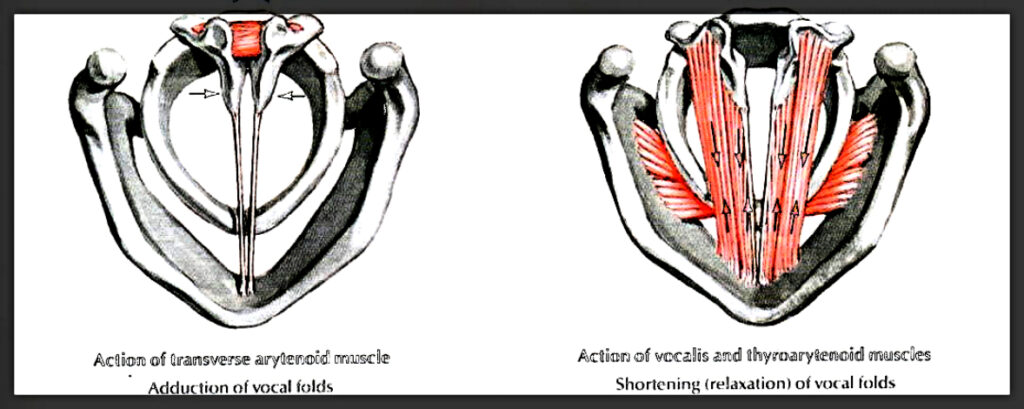
To understand how vocal cord surgery can potentially improve singing, it is essential to recognize the connection between vocal cord health and singing ability. The vocal cords are responsible for producing sound by vibrating in response to airflow from the lungs. Any abnormalities, such as nodules, polyps, or cysts, can disrupt this vibration, leading to voice problems and limitations in singing.
Factors affecting singing ability
Several factors can impact singing ability, including vocal cord health, technique, breath control, and overall vocal health. If vocal cord abnormalities or conditions are present, they can hinder the ability to produce clear, resonant, and controlled singing.
How vocal cord surgery can potentially improve singing
Vocal cord surgery can potentially improve singing by:
-
Removing vocal cord growths: Surgical removal of nodules, polyps, or cysts can restore optimal vocal cord vibration, leading to improved vocal quality and control during singing.
-
Addressing vocal cord limitations: Surgery can correct vocal cord paresis or scar tissue, enabling better vocal cord movement and increased vocal range for singing.
-
Reducing strain on vocal cords: When vocal cord abnormalities are present, singers may compensate by using incorrect techniques or straining their voice. By addressing these abnormalities through surgery, singers can rely on proper vocal production, reducing strain and potential damage to the vocal cords.
It is important to note that the extent of vocal improvement following surgery can vary depending on individual factors, the type of surgery performed, and the specific goals of the patient. Consulting with a laryngologist or ENT specialist is crucial to determine whether vocal cord surgery is the most suitable option for addressing singing-related issues.
Considerations before getting vocal cord surgery
Consultation with a laryngologist
Before undergoing vocal cord surgery, it is crucial to consult with a laryngologist or an ear, nose, and throat (ENT) specialist who specializes in voice disorders. A consultation allows the specialist to evaluate the condition of your vocal cords, discuss your symptoms, and recommend appropriate treatment options, including the potential need for surgery.
Assessment of vocal health
During the consultation, the laryngologist will assess your vocal health through various methods, such as a thorough examination of the vocal cords using a laryngoscope. This assessment helps determine the underlying causes of any voice problems, as well as the potential benefits and risks associated with vocal cord surgery.
Surgical risks and potential complications
It is important to discuss the potential risks and complications associated with vocal cord surgery during your consultation. While the procedure is generally safe, as with any surgery, there are inherent risks involved. These risks can include bleeding, infection, scarring, changes in voice quality, and possible surgical complications. Understanding these risks can help you make an informed decision about whether to proceed with surgery.
Common vocal cord surgeries
Vocal cord polyp removal
Vocal cord polyp removal is a surgical procedure performed to remove polyps, benign growths that can develop on the vocal cords. Polyps can cause hoarseness, vocal limitations, and discomfort. Surgery involves the removal of the polyp, either by direct excision or with the help of laser technology. This procedure aims to restore normal vocal cord function and improve overall voice quality.
Vocal cord nodule removal
Vocal cord nodule removal is a surgical procedure that targets the removal of nodules, which are often caused by vocal strain or misuse. Nodules can result in a hoarse voice, reduced vocal range, and limited vocal control. The surgical approach may involve microsurgical removal of the nodules or the use of laser technology. This procedure aims to eliminate nodules and restore optimal vocal cord function.
Vocal cord cyst removal
Surgical removal of vocal cord cysts is performed to address the presence of cysts that can cause voice problems and discomfort. Surgery involves carefully removing the cyst while preserving nearby healthy tissue. This procedure aims to alleviate symptoms, improve vocal cord function, and enhance voice quality.
Vocal cord paresis treatment
Vocal cord paresis refers to partial paralysis of one or both vocal cords, which can cause weak or breathy voice production. Surgery for vocal cord paresis typically involves medialization techniques, such as injecting substances to reposition the affected vocal cord or inserting implants to improve vocal cord movement and voice production.
Vocal cord scar tissue removal
Scar tissue on the vocal cords can result from trauma, vocal cord surgeries, or chronic irritation. Scar tissue can cause voice problems, including breathiness, hoarseness, and limitations in vocal range. Surgical removal of scar tissue aims to improve vocal cord mobility, reduce voice limitations, and enhance overall voice quality.

Recovery process after vocal cord surgery
Post-operative care instructions
Following vocal cord surgery, it is essential to carefully follow the post-operative care instructions provided by your surgeon. These instructions may include:
-
Voice rest: Resting the voice for a specified period after surgery is crucial to allow the vocal cords to heal properly. This usually involves refraining from talking or singing for a certain number of days or weeks.
-
Medications: Your surgeon may prescribe medications, such as pain relievers or antibiotics, to manage pain and prevent infection. It is important to take these medications as directed.
-
Hydration: Staying well-hydrated helps keep the vocal cords moist and aids in the healing process. Drinking plenty of water and avoiding dehydrating substances, such as caffeine or alcohol, is usually recommended.
Voice rest and rehabilitation
Recovering from vocal cord surgery involves a period of voice rest, followed by a gradual rehabilitation process. During the voice rest phase, it is important to avoid straining the vocal cords by refraining from speaking or singing. After the initial recovery period, a speech-language pathologist or vocal coach may assist in guiding a gradual reintroduction of voice use, helping to restore strength, control, and flexibility to the vocal cords.
Duration of recovery
The duration of recovery after vocal cord surgery can vary depending on the type of surgery performed, individual healing factors, and adherence to post-operative care instructions. In general, it can take several weeks to months for the vocal cords to fully heal and for optimal voice function to be restored. Patience, proper care, and following the guidance of your healthcare team are crucial during the recovery process.
Success rates and outcomes of vocal cord surgery for singing improvement
Studies and research on singing improvement post-surgery
Several studies and research have explored the outcomes of vocal cord surgery in relation to singing improvement. While individual results can vary, research has shown that vocal cord surgery can lead to positive improvements in vocal quality, range, and control for singers. However, it is important to note that these studies often involve specific populations and may not be representative of all individuals seeking vocal cord surgery for singing improvement.
Individual variations and factors influencing outcomes
The success and outcomes of vocal cord surgery for singing improvement can vary depending on several factors, including the severity of the vocal cord condition, the individual’s overall vocal health, technique, and commitment to post-operative rehabilitation. Additionally, each person’s singing goals and expectations can influence their perception of improvement after surgery.
Real-life experiences and testimonials
Many individuals have reported experiencing positive improvements in their singing ability following vocal cord surgery. Real-life experiences and testimonials can provide valuable insights into the potential benefits of surgery for singing improvement. Consulting with professionals in the field, such as laryngologists, voice teachers, or singers who have undergone similar procedures, can help provide a more comprehensive understanding of potential outcomes.

Alternative options for improving singing voice
Vocal training and exercises
Vocal training and exercises, often provided by a qualified voice teacher or vocal coach, can help improve singing voice without resorting to surgery. Through specific techniques, warm-ups, and exercises, singers can develop better breath control, vocal range, pitch accuracy, and overall vocal technique. Vocal training can be an effective option for individuals seeking to enhance their singing without undergoing surgery.
Speech therapy
For individuals with specific speech patterns or habits that affect their singing, speech therapy can offer targeted interventions to improve articulation, pronunciation, and overall vocal projection. Working with a speech-language pathologist can help address any underlying speech issues that may be impacting singing ability.
Breathing techniques and posture correction
Proper breathing techniques and posture play a vital role in supporting vocal production and singing ability. Working with a qualified voice teacher or breathing coach can help individuals develop better breath control, lung capacity, and overall body alignment, leading to improved singing.
Lifestyle changes for vocal health
Making lifestyle changes that promote vocal health can contribute to improved singing ability. These changes may include avoiding smoking and exposure to second-hand smoke, staying hydrated, maintaining a healthy diet, managing stress, and avoiding excessive vocal strain. Incorporating these habits into daily life can contribute to the well-being of the vocal cords and overall vocal performance.
Costs and insurance coverage of vocal cord surgery
Typical costs of vocal cord surgery
The cost of vocal cord surgery can vary depending on factors such as the type of procedure, the healthcare provider, geographical location, and any additional services required. In general, the costs can range from a few thousand dollars to several tens of thousands of dollars. It is essential to consult with your healthcare provider and inquire about specific cost estimates and payment options.
Health insurance coverage
In some cases, vocal cord surgery may be covered by health insurance, particularly if it is deemed medically necessary to address a specific vocal cord condition. However, the coverage and reimbursement policies vary across insurance plans and providers. It is advisable to contact your insurance company directly to discuss coverage options, obtain pre-authorization if necessary, and understand any potential out-of-pocket expenses.
Out-of-pocket expenses
Out-of-pocket expenses for vocal cord surgery can include deductibles, co-pays, and any costs not covered by insurance. Additionally, expenses related to pre-operative consultations, post-operative care, medications, and rehabilitation may also need to be considered. It is important to budget and plan accordingly, taking into account both the surgical costs and potential additional expenses.
Choosing the right surgeon and facility
Finding a qualified laryngologist or ENT specialist
When considering vocal cord surgery, it is crucial to find a qualified laryngologist or an ENT specialist experienced in voice disorders. These healthcare professionals specialize in diagnosing and treating conditions that affect the vocal cords and possess the necessary expertise to perform vocal cord surgery effectively.
Credentials and experience
When researching potential surgeons, consider their credentials, training, and experience in performing vocal cord surgeries. Look for surgeons who are board-certified in otolaryngology (head and neck surgery) and have completed additional subspecialty training in laryngology or voice disorders.
Reviews and patient testimonials
Reading reviews and patient testimonials can provide insights into the experiences of others who have undergone vocal cord surgery with a particular surgeon. Real-life experiences can offer valuable perspectives and help gauge patient satisfaction, communication skills, and overall outcomes.
Facility accreditation and equipment
Ensure that the surgical facility where the vocal cord surgery will take place is accredited and meets the necessary standards for patient safety and care. Additionally, consider whether the facility has the latest equipment and technology required for performing vocal cord surgeries effectively.
Conclusion
In conclusion, vocal cord surgery can be a viable option for individuals seeking to improve their singing ability or address vocal cord abnormalities. It is essential to consult with a laryngologist or ENT specialist who specializes in voice disorders to determine the most appropriate treatment options and whether surgery is the best course of action for your specific needs. Understanding the potential benefits, risks, and recovery process associated with vocal cord surgery is crucial in making an informed decision. Additionally, exploring alternative options such as vocal training, speech therapy, and lifestyle changes can also contribute to vocal improvement without resorting to surgery. Ultimately, assessing personal factors, goals, and guidance from healthcare professionals will help you make the best decision to achieve your desired outcome.