Are you looking to improve your singing skills? Look no further! In this article, you will find a collection of valuable tips and tricks to help you become a better singer. Whether you’re a beginner or have some experience, these tips will surely enhance your vocal abilities and take your singing to new heights. So grab a cup of tea, sit back, and get ready to embark on a journey of vocal improvement. Let’s get started!

Breathing Techniques
Diaphragmatic Breathing
One of the most important aspects of singing is proper breathing technique. Diaphragmatic breathing, also known as deep breathing, is a fundamental technique that allows you to maximize your lung capacity and produce a rich, powerful sound. When you engage in diaphragmatic breathing, you are using your diaphragm, a dome-shaped muscle located between your chest and abdomen, to draw air into your lungs. To practice diaphragmatic breathing, start by placing one hand on your chest and the other hand on your abdomen. Take a deep breath in, feeling your abdomen rise as you fill your lungs with air. Then, exhale slowly and fully, feeling your abdomen contract. By practicing diaphragmatic breathing regularly, you can improve your breath control and enhance the quality of your singing.
Rib Expansion
Another effective breathing technique for singers is rib expansion. Rib expansion involves expanding and opening the ribcage as you inhale, allowing for greater lung capacity and airflow. To practice rib expansion, stand with your feet shoulder-width apart and place your hands on the sides of your ribcage. Take a deep breath in, focusing on expanding your ribcage outwards. You should feel your hands move apart as your ribcage expands. As you exhale, imagine your ribcage gently closing back together. By incorporating rib expansion into your breathing routine, you can improve your control over your breath and support your vocal tone.
Controlled Exhalation
Controlled exhalation is a crucial aspect of breathing for singing. When you sing, it is important to have control over the release of your breath, as this allows you to sustain notes and shape your phrases effectively. To practice controlled exhalation, imagine that you are slowly blowing out a candle. Start by taking a deep breath in, filling your lungs completely. As you exhale, focus on releasing the air slowly and steadily, while maintaining a consistent flow of breath. This technique helps you avoid “pushing” or “forcing” your voice and ensures a smooth and controlled vocal delivery.
Vocal Warm-up Exercises
Lip Trills
Lip trills are a fantastic vocal warm-up exercise that helps relax and warm up your vocal folds before singing. To perform lip trills, lightly press your lips together and blow air through them, creating a “brrr” sound. Start with a lower pitch and gradually move up through your vocal range. As you practice lip trills, make sure to maintain a relaxed jaw and a steady airflow. Lip trills aid in loosening up your vocal folds, improving their flexibility, and promoting better overall vocal technique.
Tongue Trills
Similar to lip trills, tongue trills are an effective warm-up exercise that helps relax and engage the muscles in your tongue and throat. To perform tongue trills, lightly touch the tip of your tongue to the roof of your mouth, just behind your front teeth. Begin to make a rolling “rrrr” sound, letting the vibrations travel through your tongue and throat. Start with a lower pitch and gradually move higher in your range. Tongue trills can help you release tension in your tongue and throat muscles, allowing for smoother and clearer vocal production.
Humming Scales
Humming scales is another valuable vocal warm-up exercise that helps to warm up your vocal cords and improve resonance. Start by humming a comfortable pitch and then proceed to sing a descending or ascending scale. Focus on maintaining a consistent and steady hum throughout the exercise. By humming scales, you engage the resonance in your nasal cavity, improving your vocal projection and tonal quality. This exercise is particularly effective for singers who struggle with breathiness or lack of clarity in their tone.
Posture and Alignment
Stand Tall
Good posture is essential for optimal vocal production. When you stand tall, you allow your lungs to fully expand and your diaphragm to function properly. To achieve good standing posture, imagine that there is a string attached to the top of your head, pulling you upward. Keep your shoulders relaxed and your chin parallel to the ground. Avoid slouching or hunching forward, as this restricts your ability to take deep breaths and affects your vocal resonance. By maintaining an upright and aligned posture, you create the ideal physical conditions for singing with ease and clarity.
Relax Shoulders
Tension in the shoulders can contribute to vocal strain and hinder your breathing. To ensure optimal vocal performance, it is important to relax your shoulders and release any tension in that area. Start by rolling your shoulders back and down, allowing them to rest in a natural position. Check in with your body throughout your singing practice and consciously release any tension that may have built up in your shoulders. By keeping your shoulders relaxed, you promote a more relaxed and open throat, allowing for better tone production and vocal freedom.
Engage Core
Engaging your core muscles is crucial for supporting your breath and producing a consistent and controlled vocal sound. To engage your core, imagine that you are gently pulling your belly button towards your spine. This action activates your deep abdominal muscles, which provide stability and support for your diaphragm as it contracts and releases during breathing. By incorporating core engagement into your singing practice, you can improve your breath control, sustain notes for longer durations, and achieve greater vocal power.
Articulation and Pronunciation
Clear Consonants
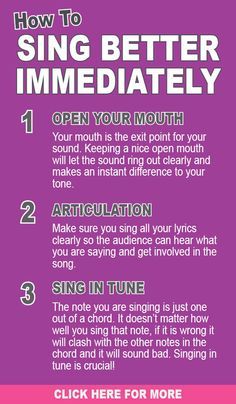
Clear articulation and pronunciation are essential for delivering lyrics with clarity and precision. Pay attention to each consonant sound and ensure that it is enunciated clearly. Practice exercises that focus on specific consonant sounds, such as “t,” “d,” and “s,” to improve your articulation. It is important to strike a balance between clear articulation and natural vocal expression. Avoid overemphasizing consonants to the point where it interferes with the flow and musicality of your singing.
Vowel Modification
Vowel modification is a technique that allows you to adjust and shape your vowel sounds to achieve optimal resonance and projection. Different vowels require slight modifications in the position of your tongue, jaw, and lips to achieve the desired quality and clarity of sound. Experiment with different vowel shapes and vowel modification exercises to find the ideal positions for each vowel in your singing. By mastering vowel modification, you can improve your vocal tone, projection, and overall vocal control.
Conscious Diction
Conscious diction refers to the intentional and mindful delivery of each word’s meaning and emotion. When singing, be conscious of the lyrics and strive to fully convey their intended message. Pay attention to the phrasing and emotional nuances of the lyrics and make intentional choices in your vocal delivery to enhance their impact. By emphasizing the meaning of the lyrics through conscious diction, you can elevate your performance and connect with your audience on a deeper level.

Phrasing and Dynamics
Breath Control for Phrasing
Effective breath control is crucial for shaping phrases and delivering dynamic performances. Practice breath control exercises that focus on sustaining and releasing breath in a controlled manner, allowing you to shape your phrases with intention and musicality. Be mindful of when and where you take breaths within a song to maintain a seamless and uninterrupted flow. By mastering breath control for phrasing, you can achieve greater artistic expression and captivate your audience with your storytelling abilities.
Interpretation
Interpretation is the art of infusing your own emotions and personal experiences into a song. It involves understanding the lyrics and connecting with their underlying meanings. Take the time to analyze the lyrics and consider the emotions they evoke. Experiment with different vocal techniques and dynamics to convey the intended mood and sentiment of the song. By developing your interpretive skills, you can deliver a more authentic and heartfelt performance.
Emotional Dynamics
Emotional dynamics involve the ability to convey a range of emotions through varying vocal techniques and expressions. Experiment with different dynamics, such as crescendos, decrescendos, and changes in intensity, to evoke different emotions within a song. Consider the emotional journey of the song and the story it tells, and use your voice to bring those emotions to life. By incorporating emotional dynamics into your singing, you can create a more engaging and emotionally impactful performance.
Pitch Control
Ear Training
Ear training is a valuable practice for improving pitch control and accuracy. Train your ear to recognize and reproduce different pitches by regularly practicing exercises such as matching pitch with a piano or singing intervals. Develop a strong sense of relative pitch, which allows you to accurately sense the relationship between different notes. By honing your ear training skills, you can significantly improve your pitch control and become a more confident and accurate singer.
Vocal Exercises
Regular vocal exercises can help you develop a strong sense of pitch control. Practice exercises that focus on specific intervals, ascending and descending scales, and melodic patterns to train your voice to stay in tune. Use a piano or a pitch pipe as a reference to ensure accuracy. By consistently practicing vocal exercises, you can expand your vocal range, improve your intonation, and enhance your overall pitch control.
Singing with a Piano
Singing with a piano as accompaniment is a fantastic way to improve your pitch control. The piano provides a clear and constant reference point for maintaining pitch throughout a song. Pay close attention to the notes played on the piano and match your voice to those pitches. Practice singing along with various songs, using the piano to guide your pitch. By singing with a piano, you can refine your pitch control and build confidence in your ability to sing in tune.

Range Extension
Vocal Register Development
Vocal register development is the process of expanding your vocal range and developing access to different registers of your voice. Experiment with exercises that target specific registers, such as your chest voice, head voice, and mixed voice. Practice scales and exercises that gradually take you higher or lower in your vocal range, gradually expanding the range over time. By developing your vocal registers, you can confidently navigate through your entire range and explore new vocal possibilities.
Falsetto Technique
Falsetto is an airy and light vocal quality that is achieved by gently closing the vocal folds and allowing only a limited amount of air to pass through. It is often used in higher register singing and adds a unique texture to your vocal performance. Practice exercises that allow you to access your falsetto range and gradually build strength in that register. By developing your falsetto technique, you can add versatility to your singing and explore a wider range of vocal expressions.
Resonance Training
Resonance training involves utilizing the resonating spaces in your vocal tract to optimize vocal tone and projection. Experiment with exercises that target specific areas of resonance, such as nasal, chest, and head resonance. Practice humming and vocalizing in different pitches while focusing on amplifying the sound vibrations in specific resonating spaces. By developing your resonance control, you can enhance the tonal quality of your voice and achieve a more resonant and captivating vocal presence.
Performance Techniques
Stage Presence
Stage presence refers to the ability to command the stage and captivate your audience with your performance. Practice maintaining strong and engaging physical presence while performing. Make eye contact with your audience, use your body language to convey emotion and intention, and move with purpose and confidence. Develop a connection with your audience and strive to create a memorable and impactful performance through your stage presence.
Connecting with the Audience
Connecting with your audience is vital for creating a memorable and engaging performance. As you sing, direct your energy and emotions towards your audience, making them feel included and involved in your musical journey. Use eye contact, facial expressions, and gestures to establish a personal connection with your listeners. By actively engaging with your audience, you can create a more meaningful and memorable musical experience.
Singing with Emotion
True artistry lies in the ability to convey genuine emotion through your singing. Connect with the lyrics and the emotions they evoke, and allow those emotions to infuse your vocal delivery. Practice fully embodying the mood and sentiment of a song and experiment with different vocal techniques to convey those emotions effectively. By singing with genuine emotion, you can create a deeply moving and impactful performance that resonates with your audience.
Vocal Health
Hydration
Staying hydrated is crucial for maintaining vocal health and optimizing your vocal performance. Hydration helps keep your vocal cords lubricated and prevents vocal strain and dryness. Drink plenty of water throughout the day, especially before and during singing sessions. Avoid excessive consumption of caffeine and alcohol, as they can dehydrate your vocal cords. Additionally, consider using humidifiers in dry environments to add moisture to the air and protect your vocal health.
Avoiding Vocal Strain
Vocal strain can lead to vocal fatigue and potential vocal damage. To avoid strain, practice proper vocal technique and avoid overtaxing your voice. Warm up your voice before singing, gradually build up to challenging vocal exercises, and take breaks when needed. Be mindful of pushing or forcing your voice beyond its comfortable range and volume. If you experience any signs of vocal strain, such as hoarseness or discomfort, give your voice ample rest and consult a voice professional if necessary.
Rest and Recovery
Rest and recovery are essential for maintaining vocal health and longevity. Allow your voice sufficient time to rest and recover between practice sessions and performances. Make sure to get adequate sleep each night, as sleep helps repair and rejuvenate your vocal cords. Avoid excessive talking or vocalizing on days when your voice feels fatigued or strained. By prioritizing rest and recovery, you can avoid vocal overuse and keep your voice in optimal condition.
Recording and Microphone Techniques
Microphone Placement
Proper microphone placement is crucial for achieving optimal sound quality during recording sessions. Experiment with microphone placement to find the best position for your voice. Generally, placing the microphone slightly above or below your mouth, angled towards your lips, produces a balanced and clear sound. Avoid getting too close to the microphone, as it can lead to distortion and excessive breath noise. Regularly monitor and adjust microphone placement to ensure consistent sound quality throughout your recording.
Proper Mic Technique
Proper microphone technique involves using the microphone to your advantage and maximizing its effectiveness. Start by familiarizing yourself with the features and characteristics of your microphone. Experiment with mic proximity, angling, and distance to find the optimal setup for your voice and desired sound. Develop control over your breath and vocal projection to avoid unnecessary pops, clicks, or distortion. By mastering proper microphone technique, you can enhance the clarity and professionalism of your recorded vocals.
Breath Control for Recording
Breath control is particularly important during recording sessions, as it directly affects the quality and clarity of your recorded vocals. Focus on controlling your breath, avoiding excessive inhales or exhales that can be picked up by the microphone. Take small, silent breaths between phrases or during instrumental sections to maintain a seamless vocal delivery. Practice breath control exercises specific to recording to improve your ability to sustain and shape phrases while minimizing unwanted noise. By mastering breath control for recording, you can produce clean and polished vocal tracks.
Incorporating these better singing tips into your vocal practice and performance routine can significantly enhance your overall singing abilities. Remember to practice regularly, be patient with yourself, and seek guidance from a vocal coach or teacher if needed. With time and dedication, you can develop a strong and expressive voice that captivates audiences and brings your musical aspirations to life. Happy singing!