In the ever-evolving landscape of music, technology has become an integral part of the creative process, particularly in the realm of vocal artistry. As a vocalist, you may find yourself at the intersection of traditional techniques and modern innovations, where the possibilities for expression are virtually limitless. The advent of technology has not only transformed how music is produced but has also redefined what it means to be a vocalist.
You are now able to explore new dimensions of sound, pushing the boundaries of your artistry in ways that were once unimaginable. The fusion of technology and vocal artistry invites you to experiment with your voice in innovative ways. Whether you are a seasoned performer or an aspiring artist, understanding the tools available to you can enhance your creative output.
From looping to electronic effects, technology offers a plethora of options that can elevate your vocal performances. As you delve deeper into this fascinating intersection, you will discover how these advancements can enrich your artistry and open up new avenues for expression.
Key Takeaways
- Vocal looping is a technique where a singer records and layers their voice to create a live vocal arrangement.
- Electronic vocal effects, such as reverb and pitch correction, can enhance a singer’s performance and add depth to their sound.
- Technology has revolutionized vocal performances, allowing artists to create complex arrangements and experiment with new sounds.
- Programs and software like Ableton Live and TC-Helicon VoiceLive are popular tools for vocal looping and electronic vocal effects.
- The intersection of technology and vocal artistry in music production has opened up new creative possibilities for artists.
What is Vocal Looping and How Does it Work?
Vocal looping is a technique that allows you to record and layer your voice in real-time, creating complex soundscapes that can serve as the foundation for a performance. At its core, vocal looping involves using a loop pedal or software to capture a short segment of your voice, which is then repeated in a continuous cycle. This technique enables you to build harmonies, create rhythmic patterns, and add depth to your vocal performances.
As you experiment with looping, you will find that it can transform a simple melody into a rich tapestry of sound. To get started with vocal looping, you will need a few essential tools. A loop pedal is a popular choice among vocalists, allowing you to record and manipulate your voice with ease.
Alternatively, software applications like Ableton Live or GarageBand can provide you with more advanced features for looping and layering. Once you have your setup ready, the process becomes intuitive: you sing or hum a phrase into the device, and it captures that sound, repeating it as you continue to add layers. This technique not only enhances your performance but also encourages spontaneity and creativity, allowing you to explore new musical ideas on the fly.
Exploring Electronic Vocal Effects and their Impact on Vocal Artistry
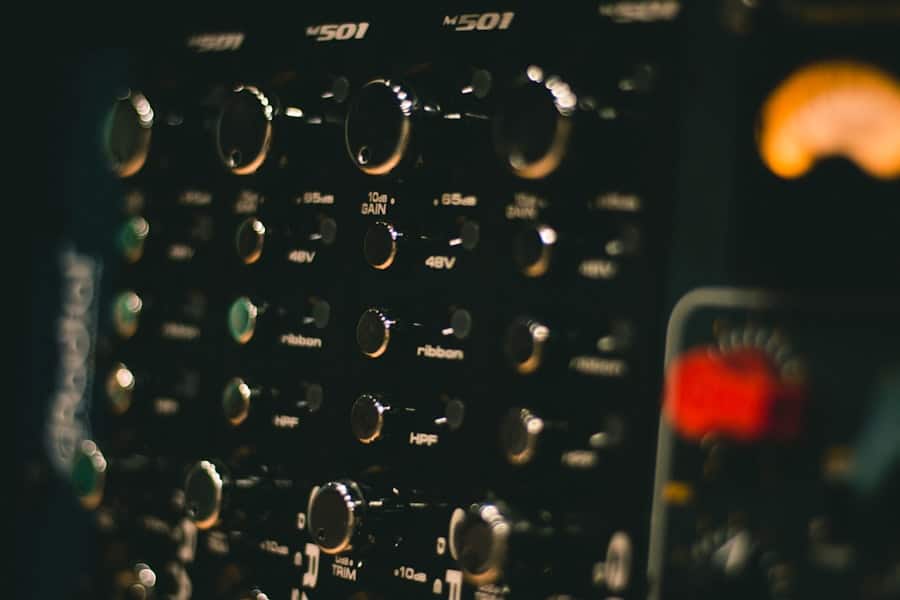
Electronic vocal effects have revolutionized the way you can manipulate your voice, offering an array of tools that can enhance or completely transform your sound. From reverb and delay to pitch correction and distortion, these effects allow you to experiment with your vocal tone and texture in ways that were previously limited to studio recordings. As you explore these effects, you may find that they inspire new creative directions for your music, enabling you to craft unique sonic identities that resonate with your audience.
The impact of electronic vocal effects on vocal artistry cannot be overstated. They provide you with the ability to create atmospheric soundscapes or add an edgy quality to your performances. For instance, using reverb can give your voice a sense of space and depth, while pitch correction can help you achieve a polished sound that aligns with contemporary music trends.
Additionally, effects like vocoders or harmonizers can allow you to blend your voice with synthesized sounds, creating an otherworldly experience for listeners. By incorporating these tools into your repertoire, you can expand your artistic palette and redefine what it means to be a vocalist in today’s music scene.
The Evolution of Technology in Vocal Performances
The evolution of technology in vocal performances has been nothing short of remarkable. In the past, vocalists relied heavily on their natural abilities and acoustic instruments to convey emotion and connect with their audience. However, as technology advanced, so did the methods by which artists could express themselves.
The introduction of microphones, amplifiers, and recording equipment changed the landscape of live performances and studio recordings alike. You may find it fascinating how these innovations have paved the way for new genres and styles of music. As technology continued to evolve, so did the tools available for vocalists.
The rise of digital audio workstations (DAWs) has allowed artists to produce high-quality recordings from the comfort of their homes. This democratization of music production means that anyone with a passion for singing can create professional-sounding tracks without needing access to expensive studios. Furthermore, advancements in software have made it easier than ever to manipulate vocals in post-production, enabling you to achieve sounds that were once only possible through extensive studio work.
This evolution has not only changed how music is made but has also influenced the way audiences engage with vocal performances.
Programs and Software for Vocal Looping and Electronic Vocal Effects
As you embark on your journey into vocal looping and electronic effects, you’ll discover a variety of programs and software designed specifically for these purposes. Popular choices include Ableton Live, Logic Pro X, and FL Studio, each offering unique features that cater to different aspects of music production. These platforms provide intuitive interfaces that allow you to record, edit, and manipulate your vocals seamlessly.
With their extensive libraries of effects and plugins, you can experiment with various sounds until you find the perfect fit for your artistic vision. In addition to DAWs, there are dedicated looping software options like Mobius or Loopback that focus specifically on real-time looping capabilities. These programs often come equipped with features such as quantization and tempo synchronization, making it easier for you to create intricate loops that stay in time with your music.
Furthermore, many mobile applications are available for those who prefer a more portable solution; apps like Loopy or GarageBand for iOS allow you to loop vocals on-the-go, ensuring that inspiration can strike anytime and anywhere. By familiarizing yourself with these tools, you’ll be well-equipped to harness the power of technology in your vocal artistry.
The Influence of Technology on Vocal Artistry in Music Production

The influence of technology on vocal artistry in music production is profound and far-reaching. As a vocalist, you are no longer confined to traditional methods of recording or performing; instead, technology empowers you to explore new creative avenues that can enhance your artistic expression. The ability to manipulate your voice through various effects allows for greater experimentation and innovation in your music.
You may find yourself inspired by the endless possibilities that technology presents, leading to unique compositions that reflect your individuality. Moreover, technology has also changed how audiences experience vocal performances. With platforms like YouTube and social media, you can share your work with a global audience instantly.
This accessibility not only allows you to showcase your talent but also encourages collaboration with other artists from diverse backgrounds. As you engage with fellow musicians online, you’ll likely discover new techniques and ideas that can further enrich your vocal artistry. The interconnectedness fostered by technology creates an environment where creativity thrives, enabling you to push the boundaries of what is possible in music production.
The Future of Technology and Vocal Artistry
Looking ahead, the future of technology in vocal artistry appears bright and full of potential. As advancements continue at a rapid pace, new tools will emerge that will further enhance your ability to create and perform music. Innovations such as artificial intelligence (AI) are already beginning to play a role in music production, offering capabilities like automated mixing or even generating vocal melodies based on user input.
As these technologies develop, they will undoubtedly influence how you approach your craft and inspire new forms of artistic expression. Additionally, virtual reality (VR) and augmented reality (AR) are set to revolutionize live performances by creating immersive experiences for both artists and audiences alike. Imagine performing in a virtual space where fans from around the world can join in real-time or using AR technology to enhance your stage presence with visual effects that complement your vocals.
These advancements will not only change how performances are experienced but also redefine the relationship between artists and their audiences. As you embrace these emerging technologies, you’ll be at the forefront of a new era in vocal artistry.
Embracing the Intersection of Technology and Vocal Artistry
In conclusion, embracing the intersection of technology and vocal artistry opens up a world of possibilities for creative expression. As a vocalist navigating this dynamic landscape, you have access to an array of tools that can enhance your performances and inspire new ideas. From vocal looping techniques to electronic effects, technology empowers you to explore uncharted territories in your music-making journey.
As you continue to experiment with these innovations, remember that technology is not meant to replace your unique voice but rather to complement it. By integrating these tools into your artistry, you’ll be able to craft distinctive sounds that resonate with listeners on a deeper level. The future holds exciting prospects for vocalists like yourself; by staying curious and open-minded about technological advancements, you’ll be well-equipped to thrive in this ever-evolving musical landscape.
Embrace the fusion of technology and vocal artistry as an opportunity for growth and exploration—your voice is ready to take flight into new realms of creativity!
FAQs
What is vocal looping?
Vocal looping is a technique where a vocalist records and layers their voice in real-time to create a multi-layered vocal arrangement. This can be done using a loop pedal or software.
What are electronic vocal effects?
Electronic vocal effects are sound manipulations applied to a vocalist’s voice using electronic devices or software. These effects can include pitch correction, reverb, delay, distortion, and more.
Are there programs that explore the intersection of technology and vocal artistry?
Yes, there are several programs and software that cater to vocal looping and electronic vocal effects, such as Ableton Live, TC-Helicon VoiceLive, Boss RC-505 Loop Station, and more.
How do vocalists use technology to enhance their performances?
Vocalists use technology to enhance their performances by incorporating vocal looping to create harmonies and layers, and by applying electronic vocal effects to add depth and texture to their vocals.
What are some examples of artists who incorporate technology into their vocal performances?
Artists like Imogen Heap, Reggie Watts, and Dub FX are known for incorporating vocal looping and electronic vocal effects into their performances, showcasing the intersection of technology and vocal artistry.