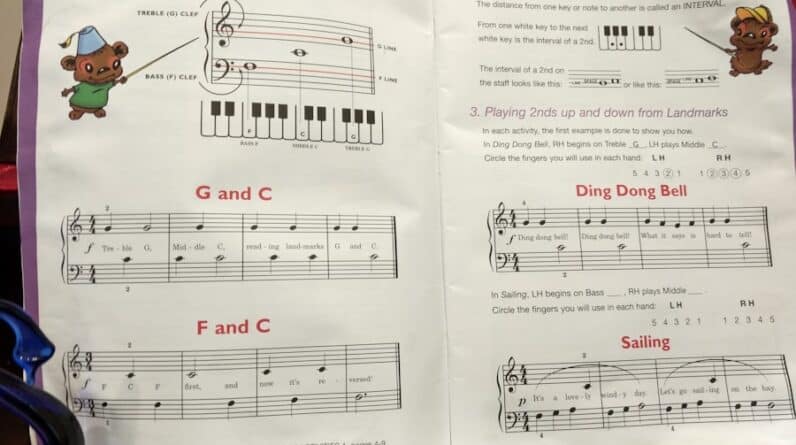
To embark on your journey as a vocalist, the first step is to understand your vocal range. This range is essentially the spectrum of notes that you can sing comfortably, from the lowest to the highest pitch. It’s crucial to identify where your voice naturally sits, as this will guide you in selecting appropriate songs and exercises that suit your unique capabilities.
You might find that your range falls into one of several categories: soprano, alto, tenor, or bass. Each category has its own characteristics and challenges, and knowing where you fit can help you focus your practice effectively. Exploring your vocal range involves more than just hitting high and low notes; it’s about discovering the nuances of your voice.
You may want to start by using a piano or a digital tuner to find your lowest note and your highest note. As you do this, pay attention to how each note feels. Are there areas where you feel comfortable and confident?
Are there notes that feel strained or difficult? This self-awareness will not only help you understand your vocal capabilities but also allow you to set realistic goals for improvement. Remember, your vocal range can expand with practice, so don’t be discouraged if you feel limited at first.
Key Takeaways
- Understanding your vocal range is crucial for choosing the right songs and avoiding strain.
- Proper breathing technique is essential for supporting your voice and maintaining control.
- Vocal warm-up exercises help prevent injury and improve vocal flexibility.
- Knowing when to use head voice vs. chest voice can enhance your vocal performance and range.
- Finding your mix voice can help you blend different vocal registers for a seamless sound.
- Avoiding strain and tension is important for preserving your vocal health and longevity.
- Practicing consistently is key to improving your vocal skills and maintaining progress.
- Seeking professional guidance can provide personalized feedback and help you reach your full potential as a singer.
Proper Breathing Technique
Breathing is the foundation of singing, and mastering proper breathing techniques is essential for any vocalist. When you sing, you need to support your voice with a steady stream of air, which requires good breath control. You might start by practicing diaphragmatic breathing, which involves using your diaphragm rather than your chest to take deep breaths.
To do this, place one hand on your chest and the other on your abdomen. As you inhale deeply through your nose, focus on expanding your abdomen rather than raising your chest. This technique allows for greater lung capacity and better control over your breath.
Incorporating breath control exercises into your routine can significantly enhance your singing ability. For instance, try taking a deep breath and then exhaling slowly while making a hissing sound. This exercise helps you develop control over your airflow and teaches you how to manage your breath while singing.
Additionally, consider practicing scales or simple melodies while focusing on maintaining a steady breath throughout each phrase. By doing so, you’ll not only improve your vocal performance but also build endurance, allowing you to sing longer phrases without running out of breath.
Vocal Warm-Up Exercises

Just like athletes warm up their muscles before a game, singers must warm up their vocal cords before performing. Vocal warm-up exercises are crucial for preparing your voice and preventing strain or injury. You might begin with gentle humming or lip trills, which help to relax your vocal cords and get them ready for more demanding exercises.
These warm-ups can be done at various pitches, allowing you to explore different areas of your vocal range while keeping things light and easy. As you progress through your warm-up routine, consider incorporating scales and arpeggios. These exercises not only help to stretch your vocal cords but also improve your pitch accuracy and agility.
You can start with simple five-note scales and gradually increase the complexity as you become more comfortable. Remember to maintain proper posture and breathing throughout these exercises; this will ensure that you’re not only warming up effectively but also reinforcing good habits that will benefit your singing in the long run.
Understanding the difference between head voice and chest voice is vital for any singer looking to expand their vocal capabilities. Chest voice refers to the lower register of your voice, where you typically produce a fuller, richer sound. This is the voice you use when speaking or singing lower notes.
On the other hand, head voice is used for higher pitches and often has a lighter, more resonant quality. Learning how to switch between these two registers seamlessly can greatly enhance your vocal versatility. To practice using both head voice and chest voice, try singing scales that transition from lower to higher notes.
Start in your chest voice and gradually move into head voice as you ascend the scale. You may notice that switching between these registers can be challenging at first; however, with consistent practice, you’ll develop greater control over each voice type. Additionally, experimenting with different styles of music can help you understand when to use each register effectively.
For instance, pop songs may require a mix of both voices, while classical pieces might lean more heavily on head voice.
Finding Your Mix Voice
The concept of mix voice is often seen as the holy grail for singers seeking to bridge the gap between head voice and chest voice. This technique allows you to combine the qualities of both registers, resulting in a powerful yet controlled sound that can be used across various genres. Finding your mix voice may take time and experimentation, but it’s an essential skill for any serious vocalist.
To discover your mix voice, start by singing scales that gradually transition from chest voice to head voice. As you ascend in pitch, focus on maintaining the richness of your chest voice while allowing the lighter qualities of head voice to come through. You might find it helpful to sing songs that require a mix of both voices; this will give you practical experience in blending the two registers seamlessly.
Remember that finding your mix voice is a process; be patient with yourself as you explore this new aspect of your singing.
Avoiding Strain and Tension
One of the most important aspects of singing is learning how to avoid strain and tension in your voice. Many singers unknowingly push their voices too hard, leading to discomfort or even injury over time. To prevent this, it’s essential to listen to your body and recognize when something doesn’t feel right.
If you find yourself straining to hit high notes or feeling tightness in your throat, it may be a sign that you need to adjust your technique or take a break. Incorporating relaxation techniques into your practice can also help reduce tension while singing. Consider doing gentle neck and shoulder stretches before you begin singing; this can help release any built-up tension in those areas.
Additionally, focus on maintaining good posture throughout your singing sessions; standing tall with relaxed shoulders allows for better airflow and reduces strain on your vocal cords. By prioritizing relaxation and awareness in your practice, you’ll create a healthier environment for your voice to thrive.
Practicing Consistently

Consistency is key when it comes to improving your singing skills. Just like any other instrument, your voice requires regular practice to develop strength and flexibility. Establishing a consistent practice routine can help you stay motivated and track your progress over time.
You might consider setting aside specific times each week dedicated solely to vocal practice; this will create a sense of commitment and structure in your journey as a singer. During these practice sessions, focus on incorporating a variety of exercises that target different aspects of singing—such as warm-ups, breath control exercises, and repertoire practice. Mixing things up will keep your sessions engaging and prevent monotony from setting in.
Additionally, consider recording yourself periodically; listening back can provide valuable insights into areas where you excel and areas that may need improvement. By committing to consistent practice, you’ll not only enhance your vocal abilities but also build confidence in your performance.
Seeking Professional Guidance
While self-study is an important part of developing as a singer, seeking professional guidance can significantly accelerate your progress. A qualified vocal coach can provide personalized feedback tailored to your unique voice and goals. They can help identify areas for improvement that you may not notice on your own and offer targeted exercises designed to address those specific needs.
Working with a coach also provides an opportunity for accountability; having someone else invested in your progress can motivate you to stay committed to your practice routine. Additionally, a coach can introduce you to new techniques and styles that may enhance your overall performance. Whether you’re preparing for auditions or simply looking to improve for personal enjoyment, professional guidance can be an invaluable resource on your journey as a vocalist.
Embrace the opportunity to learn from someone with experience; it could be the key to unlocking new levels of vocal expression and artistry in your singing career.