You’ve always had a passion for singing and dream of improving your vocal skills. Whether you’re a beginner or have some experience, this article will provide you with valuable tips and techniques to enhance your singing abilities. From proper breathing techniques to vocal warm-ups, this article will guide you on your journey to becoming a better singer. So, let’s embark on this musical adventure together and discover how you can unlock the full potential of your voice.
Breathing Techniques
Diaphragmatic Breathing
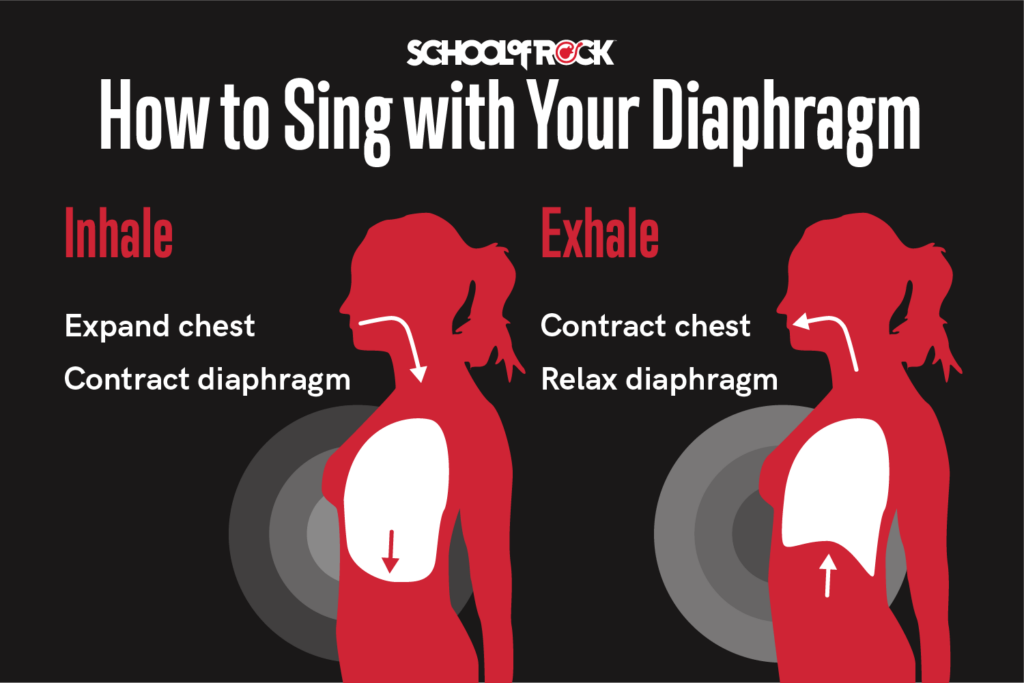
One of the key elements in improving your singing is mastering proper breathing techniques. Diaphragmatic breathing, also known as belly breathing, is a technique that enables you to use your diaphragm, a muscle located beneath your lungs, to take in and expel air efficiently. To practice diaphragmatic breathing, start by inhaling deeply, allowing your belly to expand as you fill your lungs with air. Then, exhale slowly and completely, letting your belly naturally contract. This technique helps you maintain control over your breath and provides a solid foundation for producing strong and sustained vocal sounds.
Controlled Inhalation and Exhalation
In addition to diaphragmatic breathing, learning how to control your inhalation and exhalation further enhances your singing abilities. Controlled inhalation involves taking in air smoothly and steadily, without gasping or tensing up. It allows you to have enough air for your phrases, preventing you from running out of breath while singing. On the other hand, controlled exhalation involves controlling the release of air during singing, ensuring that it is steady and controlled. This technique is important for maintaining consistent airflow, which is essential for good vocal production.
Breath Support
Breath support is the ability to sustain airflow while singing, creating a strong foundation for your vocal performance. It involves maintaining a proper balance between airflow and muscular engagement. To develop breath support, imagine that your breath is a stream of air flowing steadily and evenly, without interruption. This imagery will help you engage the muscles in your abdomen, back, and sides to support your breath throughout your vocal phrases. With consistent practice, breath support will allow you to sing with greater control, power, and endurance.
Vocal Warm-up Exercises
Lip Trills
Lip trills are an effective warm-up exercise to release tension in your lips and activate your breath flow. To do lip trills, start by relaxing your lips. Then, gently blow air through your lips while maintaining a buzzing sound. You should feel a slight vibration in your lips as you do this. Gradually increase the range of pitches you explore while doing lip trills, starting from your comfortable vocal range and working your way up or down. Lip trills not only warm up your vocal mechanism but also provide a gentle massage to your vocal folds, preparing them for more demanding vocal performances.
Humming
Humming is another useful warm-up exercise that helps to warm up your vocal cords and improve resonance. Start by taking a breath and then humming a pitch, allowing the sound to vibrate in your head. Explore different pitches while humming, moving up and down your vocal range. Humming helps to relax and center your voice, bringing resonance to the forefront. It also helps to explore different tonal qualities and prepares your voice for a wide range of singing styles.
Tongue Twisters
Tongue twisters are fun and challenging vocal warm-up exercises that help to improve diction, clarity, and articulation. They involve reciting phrases or sentences with repetitive sounds, often with quick or complex sequences of consonants. Practicing tongue twisters at a slow pace allows you to focus on the precision of each sound and gradually increase the speed as you become more comfortable. By doing tongue twisters regularly, you can refine your tongue movements, improve vocal agility, and enhance your overall speech clarity.

Posture and Body Alignment
Standing Tall
Maintaining good posture while singing is essential for optimal vocal production. Stand tall with your feet shoulder-width apart, your head lifted, and your shoulders relaxed. Imagine that there is a string attached to the top of your head, gently pulling you upwards. Keeping a straight and aligned spine allows for proper breath control and vocal resonance. By standing tall, you create a solid foundation for your voice to project effortlessly and maintain consistent airflow.
Relaxed Shoulders
Tension in your shoulders can restrict your breath and inhibit your vocal performance. To achieve relaxed shoulders, start by rolling them gently backward and downward, allowing any tension to melt away. Imagine that your shoulders are floating on clouds, light and free. Your shoulders should remain relaxed and lowered, releasing any tension that may impede your breath support and vocal freedom. Relaxed shoulders allow your breath to flow freely, resulting in a more relaxed and effortless singing experience.
Engaged Core
Engaging your core muscles, specifically those in your abdomen and lower back, helps to support your breath and optimize your vocal control. Imagine that there is a corset wrapped around your waist, gently supporting your midsection. As you inhale, feel your core expand and contract with your breath. By engaging your core, you stabilize your torso and provide a solid foundation for your breath support. This allows for greater control over your vocal techniques and ensures a stable and supported sound.
Pitch and Tone
Pitch Accuracy
Pitch accuracy refers to the ability to consistently hit the correct notes while singing. Developing pitch accuracy is crucial for maintaining proper intonation and harmonizing with other musicians. To improve pitch accuracy, it is important to develop a strong musical ear. Listening to various styles of music, practicing pitch matching exercises, and using vocal tuning apps can help train your ear and improve your ability to match pitches accurately. Consistent practice and repetition are key to developing pitch accuracy over time.
Vibrato Control
Vibrato is a controlled variation in pitch that adds richness and expressiveness to your singing. It involves a slight oscillation of the pitch, giving your voice a warm and pleasing quality. Developing control over your vibrato is essential for communicating emotions and creating dynamic performances. To practice vibrato control, start by sustaining a pitch and gradually introduce a subtle, controlled oscillation in your voice. Experiment with different speeds and amplitudes of vibrato and observe the effect it has on your tone. With practice, you can develop a well-controlled and expressive vibrato.
Resonance Enhancement
Resonance refers to the vibrant, full-bodied sound that resonates in your vocal cavities when you sing. Enhancing resonance involves maximizing the amplification and projection of your voice. To achieve resonance enhancement, focus on vocal placement, which is the conscious manipulation of where your voice resonates in your body. Experiment with different placements, such as directing the sound towards the front of your face or the roof of your mouth, to find the optimal resonance for your voice. Developing good breath support and vocal technique is also crucial for achieving optimal resonance.
Articulation and Diction
Consonant Clarity
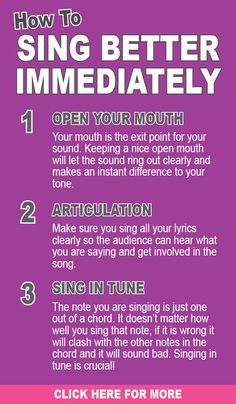
Clear and precise consonant articulation is essential for conveying lyrics effectively and ensuring that your words are understood by your audience. To improve consonant clarity, practice pronouncing consonants sharply and crisply without sacrificing vocal quality. Pay special attention to challenging consonants, such as “t,” “d,” and “s,” and ensure that they are articulated with precision and clarity. Practicing tongue twisters and speech exercises that focus on specific consonants can help to improve your articulation and enhance overall diction.
Vowel Shaping
Vowel shaping involves accurately producing and modifying the different vowel sounds while singing. Each vowel requires specific tongue and lip positions to produce the desired tone and resonance. Experiment with different vowel shapes by exaggerating the positions of your tongue, lips, and jaw. For example, when singing the vowel “ah,” open your mouth wide and place your tongue low in your mouth. When singing the vowel “ee,” lift the back of your tongue and focus the sound forward in your mouth. By consciously shaping your vowels, you can enhance your vocal tone and clarity.
Sibilance Control
Sibilance refers to the hissing or harsh sound produced when pronouncing “s” and “sh” sounds. Controlling sibilance is important for maintaining a balanced and pleasant vocal tone. To control sibilance, ensure that air is properly directed through your mouth by allowing a small gap between your tongue and your teeth when producing those sounds. Practice singing phrases with sibilant sounds, paying attention to the amount of airflow and the placement of your tongue. With time and practice, you can minimize sibilance and achieve a more controlled and balanced vocal sound.
Range Extension
Vocal Range Exercises
Expanding your vocal range allows you to access higher or lower notes with ease and flexibility. Vocal range exercises target specific registers and help you gradually extend your range over time. Start by identifying your vocal breaks or transitions between your chest voice and head voice. Practice exercises that focus on bridging these transitions, such as ascending and descending scales or arpeggios. With consistent practice, your vocal range can expand, giving you more versatility and control in your singing.
Register Blending
Register blending involves smoothly transitioning between different vocal registers, such as chest voice, head voice, and falsetto. Mastering register blending allows for seamless and balanced transitions across your vocal range. To practice register blending, start by identifying the unique qualities of each register and gradually work on bridging the gaps between them. Practice exercises that involve gliding or sliding between registers, gradually blending the vocal timbre and resonance. With patience and practice, you can achieve a smooth and seamless vocal sound across your entire range.
Falsetto Development
Falsetto is a vocal technique that allows singers to produce notes in a higher register than their normal speaking or singing voice. Developing a strong and controlled falsetto expands your vocal palette and adds depth to your artistic expression. To develop falsetto, start by warming up your voice with gentle exercises focused on relaxation and breath control. Gradually introduce higher pitches, allowing your voice to naturally transition into falsetto without forcing or straining. Over time, with consistent practice, your falsetto will become more refined and reliable, enabling you to explore a wider vocal range.

Vocal Health and Hygiene
Hydration
Keeping your vocal cords hydrated is essential for maintaining good vocal health. Drink plenty of water throughout the day to keep your vocal cords lubricated. Avoid excessive caffeine and alcohol, as they can dehydrate your body and dry out your vocal cords. Consider using a humidifier in your home or rehearsal space to add moisture to the air, especially in dry climates or during the winter months. Hydration is key to maintaining vocal flexibility, preventing vocal strain, and ensuring optimal vocal performance.
Avoiding Vocal Strain
Vocal strain occurs when your vocal cords are overworked or abused, resulting in vocal fatigue, hoarseness, or even vocal damage. To avoid vocal strain, it is important to practice proper vocal technique, warm up your voice before singing, and avoid excessive shouting or screaming. Take regular breaks during extended periods of vocal use and avoid singing when you are sick or experiencing vocal discomfort. Listening to your body and giving your voice proper rest and recovery is crucial for maintaining vocal health and preventing long-term damage.
Rest and Recovery
Giving your voice regular rest and recovery is essential for maintaining vocal health and longevity. Just like any other muscle in your body, your vocal cords require time to recover and rebuild after use. Avoid excessive or prolonged vocal use and make sure to get enough sleep and rest. If you experience vocal fatigue or discomfort, it is important to take a break from singing and allow your voice to recover. Prioritize self-care practices such as staying hydrated, maintaining good overall health, and avoiding activities that strain your voice. Your voice will thank you in the long run.
Emotional Expression
Connecting with Lyrics
To enhance your performance and connect with your audience, it is important to deeply understand and emotionally connect with the lyrics of a song. Take the time to analyze the meaning and story behind the lyrics, and consider how you personally relate to them. Experiment with different emotional interpretations and visualize the story you want to convey through your voice. Connecting with the lyrics allows you to infuse your performance with authenticity and emotional depth, creating a captivating and impactful experience for your listeners.
Dynamic Variation
Dynamic variation involves consciously controlling the volume and intensity of your voice throughout a performance or song. It adds interest, depth, and emotional impact to your singing. Experiment with singing softly and then gradually increase the volume, or vice versa, to create contrasts and highlight specific moments in a song. Consistently practicing dynamic variation allows you to convey different emotions effectively and engage your audience on a more profound level.
Interpretation
Interpretation is the process of personalizing a song and adding your unique artistic interpretation. It involves exploring different phrasing, vocal inflections, and stylistic choices to make a song your own. Experiment with different vocal dynamics, rhythmic variations, or melodic ornaments to add your personal touch. As you interpret a song, pay attention to the overall mood, atmosphere, and emotions you want to convey, as well as the stylistic elements consistent with the genre or style of the music. Interpretation allows you to create a distinct and memorable performance that showcases your individual artistic voice.
Finding the Right Vocal Coach
Researching Credentials
When seeking a vocal coach, it is important to research their credentials and qualifications. Look for coaches who have formal training and experience in vocal technique, performance, and music theory. Consider their educational background, professional experience, and any certifications or awards they may have obtained. Reading reviews from past or current students can also provide valuable insights into the coach’s teaching style and effectiveness. Finding a vocal coach with strong credentials ensures that you receive quality instruction and guidance in developing your singing abilities.
Compatibility and Trust
Building a strong rapport and trust with your vocal coach is crucial for a productive and positive learning experience. Arrange an initial meeting or consultation with potential vocal coaches to assess if your personalities and communication styles align. Open and honest communication is essential for addressing your specific goals, concerns, and preferences. It is important to feel comfortable and supported in your vocal coach’s presence, as this enables you to explore your voice freely and take risks in your vocal development.
Personalized Instruction
Each singer has unique strengths, challenges, and goals. A high-quality vocal coach understands this and provides personalized instruction tailored to your specific needs. They should be able to identify your vocal strengths and areas for improvement, and create a customized training plan that addresses your individual goals. Look for a vocal coach who can adapt their teaching methods to accommodate your learning style and preferences. Effective personalized instruction will empower you to progress at your own pace and reach your full vocal potential.
Practice and Consistency
Regular Vocal Exercises
Consistent practice is the key to vocal improvement. Set aside dedicated time for vocal exercises and warm-ups, ideally on a daily basis. Regular vocal exercises help strengthen your vocal muscles, improve breath control, and enhance overall technique. Incorporate a variety of vocal exercises that target different aspects of your singing, such as breath support, pitch accuracy, and range extension. Consistency in practicing vocal exercises builds muscle memory and allows for gradual progress and improvement in your singing abilities.
Performance Repetition
Repetition is an essential part of mastering any skill, and singing is no exception. After practicing vocal exercises, apply the techniques and skills you have learned to actual songs or performance pieces. Repetition allows you to refine your vocal techniques, increase muscle control, and build confidence. Singing a song multiple times enables you to explore different nuances, experiment with vocal interpretations, and discover new aspects of your voice. Embrace repetition as an opportunity to develop vocal mastery and artistic expression.
Recording and Self-Evaluation
Recording your practice sessions and performances provides an invaluable tool for self-evaluation and improvement. Set up a recording device or use a smartphone to record yourself while singing. Listen back to the recordings with a critical ear, evaluating areas for improvement such as pitch accuracy, tone clarity, or emotional expression. Take note of specific phrases or sections that need extra attention, and create a plan to address these areas in your practice sessions. Recording and self-evaluation allow you to gain a new perspective on your singing and make meaningful adjustments to enhance your overall vocal performance.
By implementing these techniques and strategies, you can significantly improve your singing abilities. Remember to practice regularly, seek guidance from a qualified vocal coach, and always approach your vocal journey with patience, dedication, and a sense of enjoyment. Singing is a lifelong journey, and with consistent effort and a growth mindset, you can continue to develop your skills and create beautiful and meaningful music.