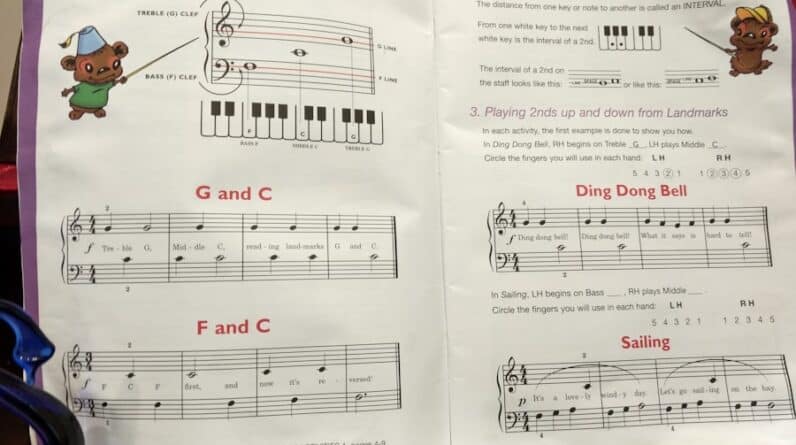
To embark on your journey into the world of music, it is essential to grasp the concepts of pitch and key. Pitch refers to the perceived frequency of a sound, determining how high or low a note sounds to you. It is the foundation of melody and harmony, and understanding it will significantly enhance your musical abilities.
When you sing or play an instrument, you are constantly navigating through various pitches, and recognizing these nuances can elevate your performance. The key, on the other hand, is a group of pitches that form the basis of a music composition. It provides a framework within which melodies and harmonies are constructed, allowing you to create a cohesive sound.
As you delve deeper into pitch and key, you will discover that they are not just theoretical concepts but practical tools that can shape your musical expression. For instance, when you sing in a specific key, you are aligning your voice with a set of pitches that resonate together. This alignment can evoke different emotions and atmospheres in your music.
By understanding how to identify and manipulate pitch and key, you can enhance your ability to compose, improvise, and perform with confidence. This foundational knowledge will serve as a springboard for your further exploration of vocal techniques and musicality.
Key Takeaways
- Understanding pitch and key is essential for singing in tune and harmonizing with other musicians.
- Developing ear training exercises can help improve pitch recognition and accuracy in singing.
- Utilizing vocal warm-ups and scales can help prepare the voice for accurate pitch and key control.
- Practicing with a tuner or pitch pipe can aid in developing a strong sense of pitch and key awareness.
- Listening and mimicking professional singers can help improve pitch accuracy and vocal technique.
Developing Ear Training Exercises
Building a Strong Internal Sense of Pitch
This exercise will help you develop a strong internal sense of pitch, allowing you to recognize when you are in tune or slightly off-key. As you progress, you can introduce more complex exercises that involve identifying intervals, which will further enhance your musical ear.
Incorporating Technology
Incorporating technology into your ear training can be beneficial. There are numerous apps and online resources designed specifically for ear training that provide exercises tailored to your skill level
These tools often include features like interval recognition quizzes, chord identification games, and even melodic dictation exercises. By regularly engaging with these resources, you can make ear training a fun and integral part of your practice routine.
Achieving Musical Mastery
Remember, the goal is to train your ear to recognize musical elements instinctively, which will ultimately improve your overall musicianship.
Utilizing Vocal Warm-ups and Scales

Vocal warm-ups and scales are essential components of any singer’s practice routine. Just as athletes warm up their muscles before a game, you must prepare your vocal cords for singing. Warm-ups help to increase blood flow to your vocal folds, making them more flexible and responsive.
Simple exercises like humming, lip trills, or sirens can effectively loosen up your voice and prepare it for more demanding singing tasks. Incorporating these warm-ups into your daily routine will not only protect your voice but also enhance your vocal range and control. Scales are another vital aspect of vocal training that can significantly improve your singing technique.
Practicing scales allows you to explore different pitches systematically while developing your breath control and vocal agility. You can start with major scales, which have a bright and uplifting sound, before moving on to minor scales that convey a more somber tone. As you become comfortable with these basic scales, challenge yourself by experimenting with different patterns and intervals.
This practice will not only strengthen your vocal muscles but also deepen your understanding of musical structure.
Practicing with a Tuner or Pitch Pipe
Incorporating tools like a tuner or pitch pipe into your practice sessions can greatly enhance your ability to stay in tune. A tuner provides visual feedback on your pitch accuracy, allowing you to see whether you are hitting the right notes or if adjustments are needed. This immediate feedback is invaluable for developing your pitch recognition skills.
You can use the tuner to practice singing specific notes or intervals, ensuring that you are consistently hitting the correct pitches as you sing. A pitch pipe is another useful tool that can help you establish a reference pitch before you begin singing. By blowing into the pitch pipe, you can produce a clear note that serves as a guide for your vocal performance.
This practice is particularly helpful when learning new songs or working on challenging pieces where maintaining pitch is crucial. By regularly using these tools in conjunction with your ear training exercises, you will develop a more precise sense of pitch and improve your overall vocal performance.
Listening and Mimicking Professional Singers
One of the most effective ways to improve your singing is by listening to and mimicking professional singers. By studying their techniques, phrasing, and emotional delivery, you can gain valuable insights into what makes their performances compelling. Choose a variety of artists across different genres to expose yourself to diverse styles and approaches to singing.
Pay attention to how they navigate their vocal ranges, their use of dynamics, and how they interpret lyrics emotionally. As you listen, try to replicate their techniques in your own practice sessions. This could involve imitating their vocal runs, experimenting with their breath control methods, or even adopting their stage presence during performances.
While it’s important to develop your unique style as an artist, learning from established singers can provide you with a wealth of knowledge that will inform your own vocal journey. Remember that imitation is not about copying; it’s about understanding the nuances of vocal performance that resonate with audiences.
Experimenting with Different Keys and Ranges

Exploring different keys and vocal ranges is an exciting way to expand your musical capabilities. Each key has its unique character and emotional quality; by experimenting with various keys, you can discover which ones suit your voice best and evoke the desired feelings in your music. For instance, some singers may find that they resonate more with songs in a lower key, while others may thrive in higher registers.
By trying out different keys for the same song, you can gain insight into how key changes affect the overall mood and impact of the piece. Additionally, pushing the boundaries of your vocal range can lead to significant growth as a singer. Challenge yourself by attempting songs that lie outside your comfort zone—whether higher or lower than what you’re used to singing.
This practice not only builds strength in underutilized areas of your voice but also enhances your overall versatility as an artist. As you experiment with different keys and ranges, take note of how each change affects your vocal quality and emotional expression; this awareness will be invaluable as you continue to develop as a musician.
Seeking Feedback and Guidance from a Vocal Coach
While self-directed practice is essential for growth, seeking feedback from a vocal coach can provide invaluable insights into your singing technique. A qualified coach can help identify areas for improvement that you may not notice on your own, offering personalized guidance tailored to your unique voice and goals. They can provide constructive criticism on aspects such as breath control, pitch accuracy, and emotional delivery—elements that are crucial for effective singing.
Working with a vocal coach also creates accountability in your practice routine. Regular lessons encourage consistency in your training while providing opportunities for focused learning on specific techniques or songs. Additionally, a coach can introduce new exercises or methods that challenge you in ways you might not have considered before.
Ultimately, investing in professional guidance can accelerate your progress as a singer while helping you cultivate confidence in your abilities.
Incorporating Ear Training into Regular Practice Sessions
To truly reap the benefits of ear training, it’s essential to incorporate it into your regular practice sessions consistently. Rather than treating ear training as an isolated activity, weave it into every aspect of your musical practice—whether you’re working on vocal warm-ups, scales, or song repertoire. For example, before diving into a new song, spend a few minutes identifying its key signature or practicing interval recognition related to the melody.
By making ear training an integral part of your routine, you’ll develop a more intuitive understanding of music over time. This approach will not only enhance your ability to sing in tune but also improve your overall musicianship by fostering a deeper connection between what you hear and how you perform. As you continue this practice consistently, you’ll find that recognizing pitches becomes second nature—allowing you to focus more on expression and artistry during performances rather than solely on technical execution.
In conclusion, mastering pitch and key is an ongoing journey that requires dedication and practice. By developing ear training exercises, utilizing vocal warm-ups and scales, practicing with tuners or pitch pipes, listening to professional singers, experimenting with different keys and ranges, seeking feedback from coaches, and incorporating ear training into regular sessions, you’ll cultivate a well-rounded skill set that enhances both your singing technique and musical expression. Embrace this journey with enthusiasm; each step forward brings you closer to becoming the singer you’ve always aspired to be.