
In this article, you will discover some simple yet effective techniques to enhance your bass singing skills. Whether you are a serious musician or simply enjoy singing as a hobby, improving your bass voice can add depth and richness to your performances. By focusing on breath control, resonance, and exploring vocal exercises designed specifically for bass singers, you can take your singing to the next level. So, if you’re ready to make your low notes resonate with power and precision, let’s dive into some practical tips on how to sing bass better.

Breathing Techniques
Diaphragmatic Breathing
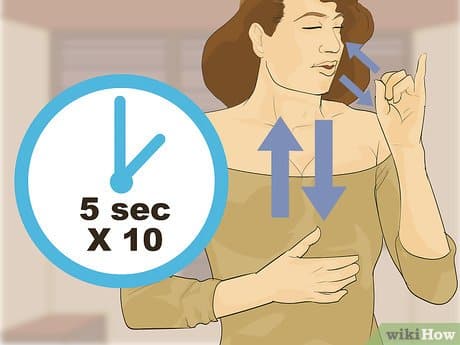
One of the foundational breathing techniques for singing is diaphragmatic breathing. This involves taking deep breaths that fully engage the diaphragm, which is the muscle located below your lungs. To practice diaphragmatic breathing, start by placing one hand on your chest and the other on your abdomen. Take a slow, deep breath in through your nose, allowing your abdomen to expand as you fill your lungs with air. Then, exhale slowly through your mouth, feeling your abdomen naturally contract. This technique helps to maximize your lung capacity and support your voice with a steady flow of air.
Controlled Breath Support
Having control over your breath support is crucial for maintaining stability and longevity while singing. To develop controlled breath support, start by taking a deep breath using diaphragmatic breathing as described above. As you exhale, imagine that you are blowing out a candle in a controlled and sustained manner. Practice sustaining the exhale for longer durations while maintaining a consistent and controlled airflow. This exercise will help you build strength in your diaphragm and develop the ability to support your voice throughout long phrases.
Posture and Alignment
Proper posture and alignment play a significant role in facilitating optimal breath control and vocal resonance. When singing, it is important to maintain an upright posture with relaxed shoulders and an elongated spine. Imagine a string pulling the crown of your head towards the ceiling, keeping your body aligned from head to toe. This alignment allows for maximum lung expansion and unrestricted airflow, enabling your voice to resonate freely. Avoid slouching or hunching over, as this can hinder your breath support and vocal projection.
Vocal Warm-Up Exercises
Lip Trills
Lip trills are a popular warm-up exercise that helps to relax and warm up the muscles involved in singing. To do lip trills, gently press your lips together and blow air through them, creating a buzzing sound. Start by doing this exercise on a comfortable mid-range note, gradually ascending and descending in pitch. Focus on keeping the vibrations even and steady while maintaining a relaxed jaw and facial muscles. Lip trills help to promote vocal flexibility, improve breath control, and warm up your vocal cords.
Humming Exercises
Humming exercises are another beneficial warm-up technique that helps to engage the resonating chambers in your head. Begin by humming a steady note on a comfortable pitch. While humming, pay attention to the vibrations you feel in your nose, sinuses, and cheekbones. Experiment with different vowel sounds while humming, such as “mee,” “mah,” or “moo,” to explore different resonant sensations. Humming exercises promote relaxation, improve vocal resonance, and help to establish a balanced tone.
Tongue Trills
Tongue trills are an excellent warm-up exercise for the tongue muscles, which are crucial for clear articulation and diction while singing. To perform tongue trills, gently press the tip of your tongue against the back of your top front teeth. Then, exhale while keeping the airflow steady and allow your tongue to vibrate rapidly. Start with a comfortable pitch and gradually move up and down your vocal range. Tongue trills help to improve tongue agility, enhance articulation, and promote coordination between the tongue and vocal cords.
Resonance and Placement
Finding Your Natural Resonant Space
Resonance is the amplification and enrichment of sound produced by your vocal cords. Each person has a unique natural resonant space, which is the area in their body where their voice resonates most efficiently and effectively. To find your natural resonant space, start by humming on a comfortable pitch. Gradually open your mouth wider while keeping the sound focused and concentrated in a particular area. Experiment with different spaces, such as the chest, throat, or mask (nasal area), and observe where the sound feels the most resonant and vibrant. Finding your natural resonant space allows for optimal vocal projection and richness of tone.
Developing Proper Vocal Placement
Once you have discovered your natural resonant space, it is essential to develop proper vocal placement techniques to maximize your vocal potential. Vocal placement refers to the intentional manipulation of resonance to achieve specific tonal qualities and projection. Practice vocalizing different vowel sounds while focusing on directing the sound to your desired resonating area. For example, for a warm and resonant tone, imagine the sound being directed towards the chest. For a brighter and forward sound, imagine the sound resonating in the mask area. Developing proper vocal placement enhances your vocal versatility and allows for various expressive possibilities.
Ear Training
Developing Pitch Accuracy
Having a keen sense of pitch accuracy is crucial for singers to stay in tune and harmonize effectively. To develop pitch accuracy, start by familiarizing yourself with a reference pitch, such as a piano or a pitch-perfect recording. Practice matching your voice to the pitch, both when ascending and descending in pitch. Use solfege syllables (do, re, mi) or numbers (1, 2, 3) to help internalize the pitch relationships. Gradually increase the difficulty by incorporating melodic intervals and vocal exercises that involve leaps in pitch. Consistent practice of pitch accuracy exercises will improve your ability to sing in tune and ensure precise intonation.
Recognizing Intervals and Harmonies
In addition to pitch accuracy, it is essential for singers to develop the ability to recognize intervals and harmonies. Intervals refer to the distance between two pitches, while harmonies are the combination of multiple pitches played or sung simultaneously. Start by familiarizing yourself with the sound of different intervals, such as a perfect fifth or a major third. Practice singing these intervals both ascending and descending to strengthen your auditory recognition. Once comfortable with intervals, explore harmonies by singing along with a vocal group or advanced harmonies in songs. Developing your ear for intervals and harmonies will enhance your overall musicianship and contribute to a more harmonious performance.

Vocal Range Expansion
Strengthening Lower Register
Expanding your vocal range requires developing strength and control throughout all areas of your voice, including the lower register. To strengthen your lower register, start by practicing vocal exercises specifically designed to target the lower part of your range. Begin on a comfortable pitch and focus on maintaining a relaxed and supported sound as you gradually descend in pitch. Work on gradually increasing the range and maintaining consistency throughout the exercise. Consistent practice of lower register exercises will strengthen the muscles responsible for producing those lower notes, allowing you to sing with more ease and depth.
Increasing Vocal Flexibility
Vocal flexibility refers to the ability to smoothly transition between different registers and vocal ranges. To increase your vocal flexibility, practice exercises that involve sliding between different pitches smoothly and without any vocal breaks or tension. Begin on a comfortable pitch in your mid-range and slowly slide up and down, exploring your full vocal range. Focus on maintaining a relaxed sound and smooth transitions throughout the exercise. As you progress, challenge yourself by incorporating wider intervals and faster transitions. Increasing your vocal flexibility will enable you to navigate different musical styles and vocal challenges with ease.
Articulation and Diction
Clear Consonant Execution
Clear and precise articulation of consonant sounds is essential for delivering lyrics with clarity and expression. To improve your consonant execution, practice vocal exercises that specifically target each consonant sound. Focus on pronouncing the consonant clearly without sacrificing the quality of the vowel or the overall flow of the phrase. Pay attention to the position of your articulators, such as the tongue, lips, and teeth, to ensure accurate and distinct consonant production. Consistent practice of clear consonant execution will enhance your vocal diction and ensure that your lyrics are understood by listeners.
Vowel Modification for Better Bass Resonance
As a bass singer, you may benefit from modifying certain vowel sounds to enhance your bass resonance. Experiment with subtly altering the shape of your vocal tract while singing different vowel sounds to achieve a deeper and richer quality to your voice. For example, for the vowel “ah,” imagine dropping your jaw slightly lower and opening the back of your throat more compared to singing it in a higher register. This modification helps to create more space in your throat, allowing for better bass resonance. It is important to find a balance between incorporating these modifications without compromising the clarity or the natural quality of your voice.

Expressive Singing
Understanding the Emotions Behind the Lyrics
To deliver a powerful and emotionally engaging performance, it is crucial for singers to understand the emotions behind the lyrics they are singing. Take the time to analyze the meaning and story conveyed by the song’s lyrics. Identify the emotions that the lyrics evoke and connect with the personal experiences or emotions that resonate with you. Use this emotional connection as fuel for your performance, allowing the sincerity and authenticity of your emotions to shine through in your interpretation.
Phrasing and Dynamics
Phrasing and dynamics are instrumental in conveying the intended mood and expression of a song. Experiment with different phrasing techniques, such as emphasizing certain words or phrases, lengthening or shortening notes, and creating pauses for dramatic effect. Explore the use of dynamics, such as increasing or decreasing volume, to add depth and nuance to your performance. Practice these techniques in conjunction with the lyrics and emotions of the song to create a well-rounded and captivating rendition.
Vocal Health and Maintenance
Proper Hydration
Maintaining proper hydration is crucial for overall vocal health and performance. Make sure to drink an adequate amount of water throughout the day, as dehydration can lead to dry vocal cords and a strained voice. Stay mindful of your water intake, especially before and during singing sessions or performances. Warm liquids, such as herbal tea or warm water with honey, can also provide soothing effects to your vocal cords.
Avoiding Vocal Strain
To prevent vocal strain and potential damage, it is important to practice healthy vocal habits. Avoid excessive yelling or screaming, as well as excessive talking or singing without proper vocal warm-up and hydration. Be mindful of your vocal limits and take breaks whenever you feel fatigue or discomfort. If you experience persistent hoarseness or vocal discomfort, consider seeking guidance from a vocal health professional.
Rest and Recovery
Just like any other muscle in your body, your vocal cords need time to rest and recover. Allow yourself regular breaks between singing sessions or performances to avoid overexertion. Prioritize consistent and sufficient sleep, as it plays a vital role in vocal health. If you find yourself feeling fatigued or experiencing vocal strain, take the necessary time off to allow for proper rest and recovery.

Performance Techniques
Connecting with the Audience
Connecting with your audience is an essential aspect of any captivating performance. Engage with your audience by making eye contact, acknowledging applause, and maintaining a warm and inviting presence on stage. Consider the emotional impact you want to create and tailor your performance to effectively communicate with your audience. Bring your own unique personality and charisma to the stage, allowing your genuine connection and passion for the music to shine through.
Stage Presence and Confidence
Developing stage presence and confidence can greatly enhance your overall performance. Practice maintaining a strong and open posture, exuding confidence in your body language. Utilize stage space effectively by moving purposefully and engaging with your surroundings. Work on eliminating any nervous habits or excessive tension that may hinder your stage presence. The more you practice performing with confidence, the more natural and comfortable you will become on stage.
Finding the Right Repertoire
Choosing Songs That Suit Your Vocal Range and Style
Selecting songs that suit your vocal range and style is crucial for showcasing your strengths and delivering an impactful performance. Consider your vocal range and tessitura (the range where your voice sits comfortably) when choosing songs. Experiment with different genres and styles to find what resonates with you and showcases your unique voice. It is essential to choose songs that allow you to express yourself authentically and highlight the qualities that make your voice shine.
Working on Different Musical Genres
Expanding your musical versatility by working on different genres allows for growth and development as a singer. Engage with various musical styles, such as classical, jazz, pop, or rock, to expose yourself to different vocal techniques and challenges. Each genre brings its own set of vocal nuances, phrasing, and stylistic elements. By diversifying your repertoire, you can discover new facets of your voice and broaden your musical horizons.
In conclusion, becoming a better bass singer requires a multifaceted approach that encompasses breathing techniques, vocal warm-up exercises, resonance and placement, ear training, vocal range expansion, articulation and diction, expressive singing, vocal health and maintenance, performance techniques, and finding the right repertoire. By consistently practicing and exploring these areas, you will unlock your full potential as a bass singer and deliver captivating and powerful performances.


