You’re passionate about singing, but sometimes find it frustrating when your voice lacks clarity. Whether you’re performing on stage or simply singing in the shower, having a clear and resonant voice is essential. In this article, we’ll explore some tips and techniques that can help you improve voice clarity for singing. By implementing these strategies, you’ll be able to captivate your audience and deliver a memorable performance that showcases the true beauty of your voice. So, let’s get started on your journey to vocal clarity!

Proper Breathing Techniques
Diaphragmatic breathing
To improve voice clarity for singing, it is crucial to use proper breathing techniques. One of the most important techniques is diaphragmatic breathing. When you breathe, you should aim to engage your diaphragm, which is a dome-shaped muscle located beneath your ribcage. By breathing deeply and allowing your diaphragm to expand, you can take in more air and have better control over your voice. To practice diaphragmatic breathing, lie on your back and place one hand on your belly. As you inhale, feel your belly rise, allowing your breath to fill up your lungs from the bottom. Then, exhale slowly and evenly, feeling your belly gently lower as you release the air.
Controlled exhalation
In addition to diaphragmatic breathing, controlled exhalation is essential for achieving voice clarity in singing. When you exhale, you want to maintain a steady and controlled flow of air, rather than releasing it all at once. This allows you to sustain your vocal notes evenly and produce a smooth sound. To practice controlled exhalation, imagine blowing out a candle without blowing it out completely. You should feel a gentle flow of air leaving your lips, maintaining consistent pressure throughout the exhalation.
Support from the abdominal muscles
To further enhance your breathing and voice clarity, it is important to engage your abdominal muscles. The muscles in your abdomen provide support for your breath and vocal production. As you inhale, imagine a gentle expansion in your lower abdominal area, allowing your diaphragm to lower and your lungs to fill with air. Then, as you sing or speak, feel the support from your abdominal muscles as they help control the release of air and support the sound. Practice exercises such as panting or hissing, focusing on maintaining abdominal support throughout.
Vocal Warm-Up Exercises
Lip trills and buzzing
Before diving into singing or speaking, it is essential to warm up your vocal cords. Lip trills and buzzing exercises are excellent ways to warm up your voice and prepare it for optimal clarity. To do lip trills, lightly press your lips together and exhale while producing a buzzing sound. The gentle vibration helps relax and warm up your vocal cords. Buzzing exercises involve making a buzzing sound with your lips or tongue against your teeth. This helps to loosen any tension in your vocal mechanism and limber up your voice.
Humming and sirening
Humming is another effective warm-up exercise to improve voice clarity. Simply hum a familiar tune or a series of pitches, feeling the vibrations in your facial bones and sinuses. Humming helps to warm up your voice, increase resonance, and ensure your vocal cords are properly positioned for optimal clarity. Sirening is a more extended version of humming, where you smoothly transition from low to high pitches and then back down again. This exercise helps to stretch and awaken your vocal range while improving flexibility and control.
Tongue and mouth stretches
To maximize your vocal clarity, it is important to loosen and warm up your tongue and mouth muscles. Tongue and mouth stretches can help improve articulation and diction. Start by sticking out your tongue as far as you can and then retracting it back into your mouth. Repeat this several times, focusing on stretching out your tongue and its muscles. Next, open your mouth wide and stretch your jaw, allowing your tongue to rest at the bottom of your mouth. Move your jaw from side to side, up and down, and in circular motions. These stretches help to relax any tension in your tongue, jaw, and mouth, promoting clear and precise vocalization.
Posture and Alignment
Maintaining an upright posture
Proper posture is essential for optimal vocal production and voice clarity. To improve your posture, stand with your feet hip-width apart, shoulders relaxed, and spine lengthened. Imagine a string pulling you up from the crown of your head, keeping your neck and back aligned. Avoid slouching or collapsing your chest, as this restricts your breath and affects vocal clarity. By maintaining an upright posture, you create more space for your lungs to expand and allow for better breath support and control.
Relaxing the jaw and neck muscles
Tension in the jaw and neck muscles can negatively impact your voice clarity. To alleviate tension, make a conscious effort to relax these muscles. Roll your shoulders back and down, releasing any tightness in your neck and upper back. Allow your jaw to hang naturally and avoid clenching or grinding your teeth. You can gently massage your jaw and neck to relieve any built-up stress or tension. By keeping these muscles relaxed, you create a clear path for your voice to resonate freely.
Aligning the body for optimal vocal production
In addition to maintaining an upright posture, it is important to align your body properly for optimal vocal production. Stand with your feet evenly balanced, distributing your weight equally between both legs. Align your head, neck, and spine in a straight line, with your chin parallel to the ground. Make sure your shoulders are relaxed and not hunched forward or pulled back excessively. Proper body alignment allows for efficient breath support, prevents strain on your vocal mechanism, and promotes clear voice projection.
Diction and Articulation
Pronunciation exercises
Clear diction and articulation are essential for conveying your message effectively while singing or speaking. Engage in pronunciation exercises to improve your enunciation. Practice pronouncing vowel and consonant sounds individually and in combination. Pay attention to the placement of your tongue, lips, and jaw when producing different sounds. Repeat words or phrases that may be challenging for you, aiming for precision and clarity in your articulation.
Tongue twisters
Tongue twisters are not only fun but also great exercises for improving diction and articulation. Repeat tongue twisters such as “Peter Piper picked a peck of pickled peppers” or “She sells seashells by the seashore” at a moderate pace. Focus on enunciating each word clearly and maintaining a steady rhythm. Tongue twisters challenge your tongue’s agility and coordination, helping you develop clear and precise speech.
Articulation drills
To further enhance your diction and articulation, engage in articulation drills. These drills involve practicing specific sounds or combinations of sounds to improve clarity. For example, you can focus on consonant clusters like “br,” “th,” or “st” and repeat words or phrases that contain these sounds. Start slowly, ensuring each sound is articulated distinctly, and gradually increase your speed. Articulation drills help train your muscles for precise and articulate speech, leading to greater voice clarity.

Resonance and Projection
Finding the optimal resonance
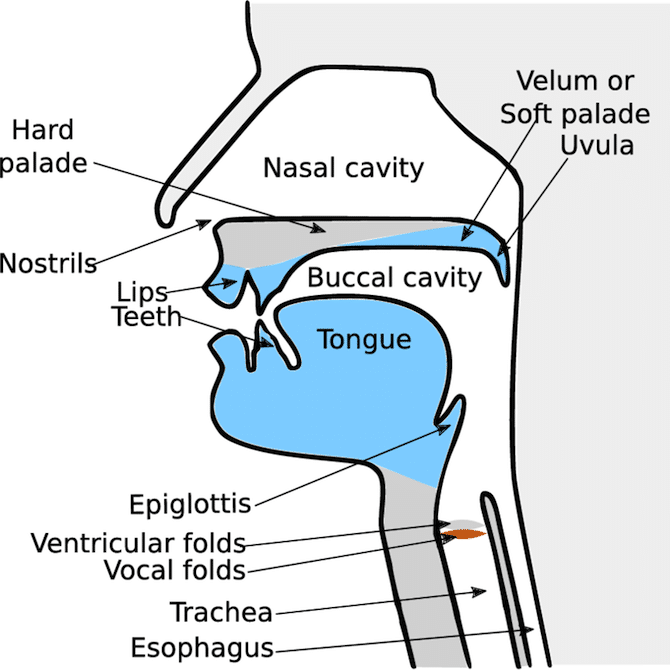
Resonance is the quality of sound produced by the voice, and finding the optimal resonance is crucial for voice clarity. To enhance your resonance, focus on producing sound from your chest and facial cavities. Imagine your voice resonating in your chest, vibrating through your sternum. In addition, use your facial cavities, such as your nasal and sinus cavities, to amplify and shape the sound. Experiment with different vocal placements and find the resonance that produces the clearest and most resonant tone for your voice.
Exercises for developing projection
Projection is the ability to amplify your voice and make it carry to a larger audience. To improve projection, engage in exercises that strengthen your breath support and vocal muscles. Practice sustained vocalizations at various volumes, gradually increasing your volume while maintaining clarity. Additionally, practice projecting your voice into different areas of the room or space you are in, aiming to fill the space with your sound. Exercises like sighing, yawning, or panting can help develop the strength and control necessary for projecting your voice effectively.
Using different placements for varying effects
Utilizing different vocal placements can add texture and variety to your voice. Experiment with different placements, such as forward or nasal placement, to create different effects and enhance voice clarity. For example, to achieve a brighter or pop-like sound, focus on producing sound with more forward placement in your face. To create a more classical or operatic sound, focus on a resonance that is more centered in your chest. By exploring different vocal placements, you can discover new possibilities for expressing yourself and improving voice clarity.
Pitch and Intonation
Tuning exercises
Having a good sense of pitch is essential for accurate and clear singing. Tuning exercises can help train your ear and improve your pitch accuracy. Start by playing a reference pitch on a piano or another instrument and try to match that pitch with your voice. Practice ascending and descending scales, focusing on staying in tune and producing a clear and precise sound. Tuning exercises can be done in conjunction with vocal warm-ups to strengthen pitch control.
Vocal pitch control drills
Pitch control requires precise muscle coordination in your vocal mechanism. Engage in vocal pitch control drills to improve your ability to hit specific pitches accurately. Start with simple exercises like sliding up and down a major or minor scale, gradually increasing the difficulty by incorporating intervals and leaps. Focus on maintaining a steady and controlled pitch throughout the exercise. These drills help train your vocal muscles to respond accurately to the desired pitch, resulting in improved voice clarity.
Interval training for accurate intonation
Intervals are the distance between two pitches, and accurate intonation is crucial for singing different intervals with clarity. Interval training exercises can help you improve your intonation skills. Start by practicing common intervals, such as major, minor, and perfect intervals. Sing each interval, focusing on maintaining a clear and precise sound. Gradually increase the difficulty by incorporating larger intervals and intervals with accidentals. Interval training helps develop the muscle memory required for accurate intonation and enhances your overall voice clarity.
Vocal Health and Hygiene
Hydrating the vocal cords
Maintaining proper vocal health is essential for achieving voice clarity. Hydration plays a significant role in keeping your vocal cords healthy and functioning optimally. Drink plenty of water throughout the day to keep your vocal cords hydrated. Avoid excessive caffeine or alcohol consumption, as they can dehydrate your vocal cords. Additionally, consider using a humidifier in dry environments to prevent vocal cord drying. Adequate hydration ensures the lubrication of your vocal cords, promoting clearer and smoother vocalization.
Avoiding vocal strain
Vocal strain can negatively impact your voice clarity and overall vocal health. Avoid pushing or forcing your voice beyond its limits, as this can lead to vocal fatigue and injury. Practice vocal rest when needed, especially after prolonged periods of singing or speaking. Be mindful of using proper breath support and vocal technique to avoid unnecessary strain on your vocal cords. If you experience any pain or discomfort, seek guidance from a vocal coach or a healthcare professional to prevent further damage.
Proper rest and recovery
Rest and recovery are crucial aspects of maintaining vocal health and achieving voice clarity. Just like any other muscle in your body, your vocal cords require rest to recover and recharge. Avoid excessive speaking or singing without breaks. Allow your voice to rest, especially after intense performances or rehearsals. Prioritize getting enough sleep each night, as restful sleep promotes vocal cord healing. Taking care of your body and providing it with adequate rest enables your voice to perform at its best, ensuring clarity and maintaining vocal health.
Techniques for Removing Vocal Tension
Relaxation exercises for the vocal cords
Vocal tension can hinder voice clarity and diminish the quality of your singing or speaking. Engaging in relaxation exercises can help release tension and create a more relaxed vocal production. Start by sighing deeply, allowing your breath and tension to release. Practice gentle hums or lip trills while consciously keeping your vocal mechanism relaxed. Slowly and gently slide up and down your vocal range, focusing on maintaining a relaxed and tension-free voice. Regularly incorporating relaxation exercises into your vocal routine can greatly reduce vocal tension and improve overall voice clarity.
Massage and stretching for tension release
Massaging and stretching your neck, jaw, and facial muscles can help release tension that may be interfering with your vocal clarity. Use your fingertips to gently massage your neck and jaw area, applying light pressure to alleviate built-up tension. Additionally, perform simple stretches, such as stretching your jaw open as wide as possible or gently massaging your cheeks and lips. These techniques help relax the muscles surrounding your vocal cords, allowing for freer and clearer vocal production.
Mental and physical techniques for reducing tension
In addition to physical exercises, mental techniques can also help reduce vocal tension. Perform deep breathing exercises to relax your body and release tension. Visualize a calm and relaxed state as you inhale and exhale deeply. Incorporate mindfulness and meditation practices into your vocal routine to promote overall relaxation. These mental techniques can have a profound impact on your vocal clarity, allowing you to release any tension or stress that may affect your voice.

Practice and Repertoire
Consistent practice routines
Consistency is key when it comes to improving voice clarity. Establish a regular practice routine that allows you to dedicate time specifically to vocal exercises and repertoire. Set realistic goals for yourself and commit to practicing regularly. Practice different vocal techniques, warm-ups, and exercises covered in this article on a consistent basis. Consistency in practice allows your voice to develop muscle memory, leading to improved clarity and overall vocal performance.
Choosing appropriate repertoire
Selecting appropriate repertoire is essential for showcasing your voice clarity. Choose songs or pieces that suit your vocal range, style, and level of expertise. Consider working with a vocal coach or mentor who can guide you in selecting repertoire that highlights your vocal strengths and helps you develop your voice further. Balanced repertoire, which includes a mix of genres and vocal challenges, allows you to expand your vocal abilities while maintaining clarity and precision in your singing.
Rehearsing and performing
Rehearsing and performing are crucial components of developing voice clarity. Practice your repertoire consistently, paying attention to clarity, diction, and vocal techniques. Rehearse with accompaniment or a backing track to simulate performance settings. Take advantage of opportunities to perform in front of an audience, such as open mic nights or local performances, as this allows you to put your vocal clarity into practice. Through regular rehearsals and performances, you will gain confidence in your voice and continue to refine your clarity.
Feedback and Evaluation
Seeking feedback from a vocal coach or mentor
Obtaining feedback from a vocal coach or mentor is invaluable for improving voice clarity. Seek guidance from someone experienced in vocal techniques and performance. Work with a vocal coach who can provide constructive criticism and offer practical solutions to enhance your voice clarity. A mentor can guide you in honing your skills, addressing any areas that may require improvement, and helping you refine your vocal techniques for greater clarity.
Recording and analyzing performances
Recording your performances is an effective tool for self-evaluation and improvement. Use audio or video recording devices to capture your singing or speaking sessions. Take the time to review your recordings and analyze your voice clarity, diction, and overall performance. Look for areas where you can make improvements, such as pitch accuracy, articulation, or breath control. Self-analysis, combined with feedback from a vocal coach or mentor, allows you to pinpoint areas of strength and areas for growth, ultimately enhancing your vocal clarity.
Continual self-evaluation and improvement
Voice clarity is not a one-time achievement but rather an ongoing process. Make a habit of continually evaluating your voice, techniques, and performances. Regularly assess your vocal clarity, comparing it to your goals and aspirations as a singer or speaker. Identify areas where you excel and areas that require improvement. Seek new challenges and opportunities for growth, such as workshops, vocal competitions, or masterclasses. The journey to improved voice clarity is a lifelong pursuit, and continual self-evaluation and improvement are essential for sustained growth as a vocalist.
In conclusion, improving voice clarity for singing requires a combination of proper breathing techniques, vocal warm-up exercises, mindful posture and alignment, focused diction and articulation, understanding of resonance and projection, honed pitch and intonation skills, attention to vocal health and hygiene, techniques for removing vocal tension, consistent practice and repertoire selection, seeking feedback and evaluation, and continuous self-improvement. By implementing these comprehensive strategies, you can develop a clear and captivating voice that resonates with your audience. So, embrace these techniques, practice diligently, and enjoy the journey of enhancing your voice clarity for singing.


