Are you tired of silently singing in the shower and secretly dreaming of belting out a show-stopping tune? Look no further! In this article, you will learn practical tips and techniques to help you cultivate a good singing voice right in the comfort of your own home. From proper breathing exercises to vocal warm-ups, we’ve got you covered. So, grab your hairbrush microphone and let’s get ready to unleash the superstar singer within you!

Finding your vocal range
Discovering your natural range
When it comes to singing, understanding your vocal range is crucial. Your vocal range refers to the span of notes that you can comfortably sing and produce sound. Everyone has a unique vocal range, and discovering yours is the first step towards improving your singing skills. To discover your natural range, start by finding the lowest and highest notes you can comfortably sing. This will give you an idea of where your voice sits naturally and help you choose the right songs and exercises that suit your range.
Expanding your range with vocal exercises
Once you have discovered your natural vocal range, the next step is to work on expanding it. Vocal exercises are a great way to increase your range and improve your overall singing ability. These exercises help to strengthen your vocal muscles and increase flexibility, allowing you to hit higher or lower notes with ease. Some common vocal exercises include scales, arpeggios, and lip trills. Practicing these exercises regularly will help you gradually expand your vocal range and improve your singing technique.
Improving vocal technique
Developing proper breathing techniques
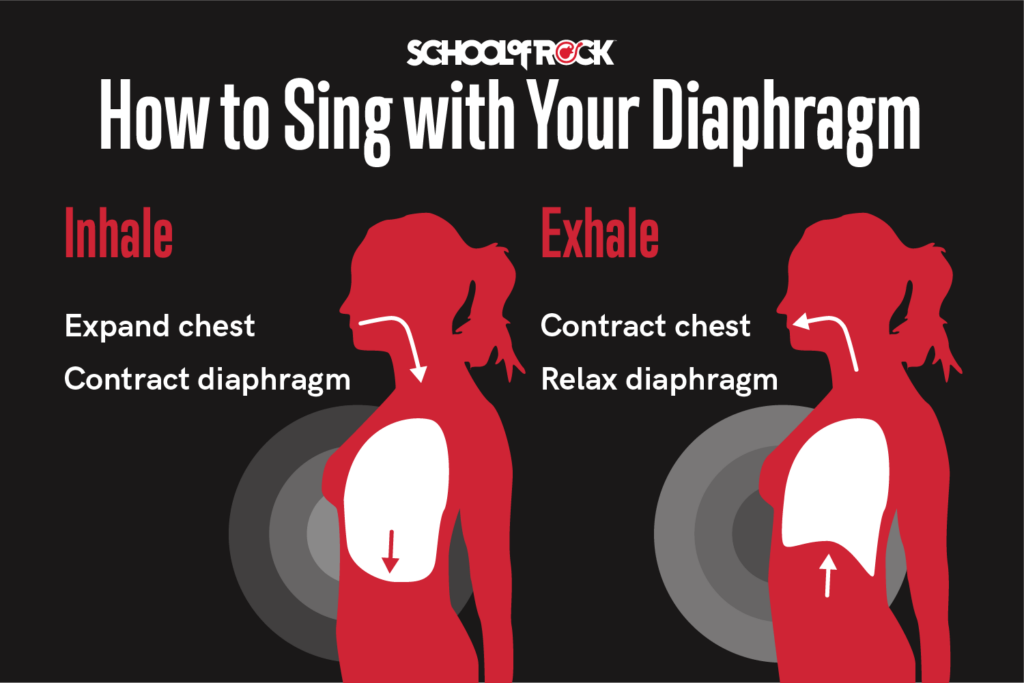
Breathing is a fundamental aspect of singing, and developing proper breathing techniques is essential for vocal improvement. Proper breathing involves using your diaphragm, which is a muscle located just below your lungs. Breathing from the diaphragm allows for better control and support of your voice. To practice proper diaphragmatic breathing, lie down on your back and place one hand on your chest and the other on your stomach. Inhale deeply, feeling your stomach rise, and exhale slowly, allowing your stomach to fall. Practice this technique regularly to develop better breath control while singing.
Practicing good posture
Having good posture is important for optimal vocal production. When you sing, it’s important to stand or sit up straight, with your shoulders relaxed and your chest slightly lifted. This allows your lungs to expand fully, giving you more air capacity for singing. Additionally, good posture helps to align your vocal cords, allowing for better resonance and projection. Be mindful of your posture during practice sessions and incorporate regular posture exercises to strengthen your core muscles and maintain proper alignment while singing.
Mastering vocal warm-up exercises
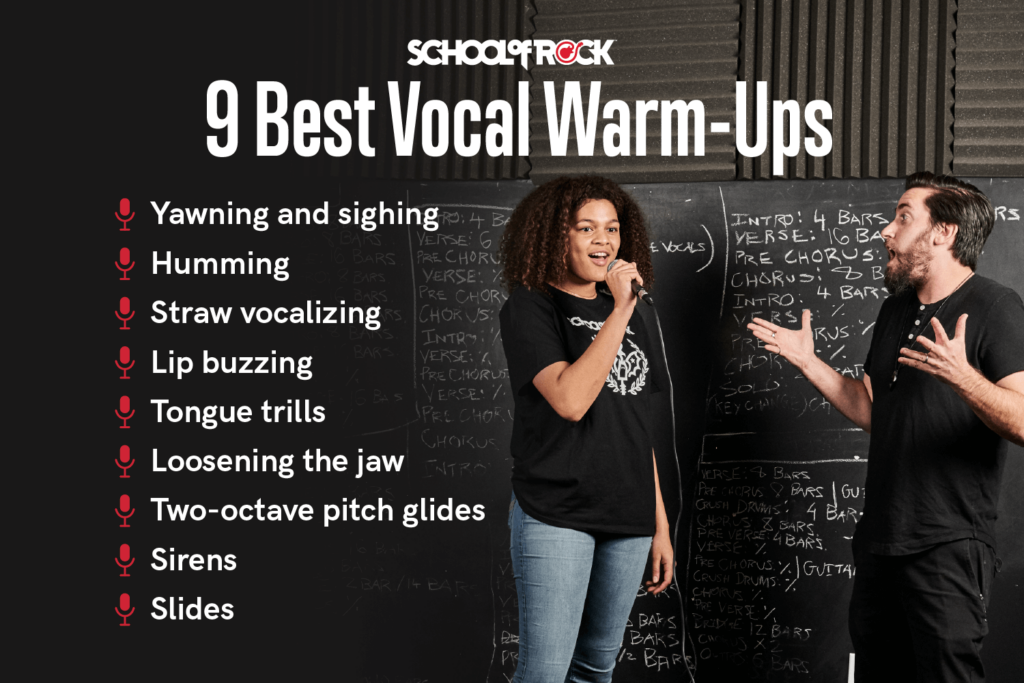
Just like any other muscle, your vocal cords require a proper warm-up before any intense activity. Vocal warm-up exercises are designed to prepare your voice for singing and prevent strain or injury. These exercises typically include gentle vocal sirens, humming, and tongue trills. Start with gentle warm-up exercises and gradually increase the intensity as your voice warms up. Vocal warm-ups not only improve your vocal technique but also enhance your vocal range and flexibility.
Learning proper vocal placement
Vocal placement refers to the location where you resonate sound when you sing. Understanding proper vocal placement is essential for producing a clear and resonant tone. It involves finding the right balance of resonance in different parts of your vocal tract, such as the chest, head, and mask (sinus area). Experiment with different vocal placements by practicing vowel sounds and focusing on where you feel the sound resonating. With time and practice, you will be able to develop a well-rounded and resonant vocal tone.

Building vocal strength
Engaging in regular vocal exercises
Building vocal strength requires consistent practice and engagement in vocal exercises. Regular vocal exercises help to strengthen the muscles involved in singing and improve your overall vocal stamina. Focus on exercises that target different vocal registers, such as chest voice, head voice, and mixed voice. Practice exercises that involve gradual ascension and descension of scales, as well as sustained notes to build vocal endurance.
Using vocal exercises to target specific areas
In addition to building overall vocal strength, it’s essential to target specific areas that may need improvement or development. If you struggle with hitting high notes, for example, focus on exercises that specifically target your upper range. Similarly, if you have difficulty with breath control, incorporate exercises that emphasize breath support and control. By targeting specific areas of weakness, you can gradually improve and strengthen those areas, leading to overall vocal improvement.
Training with scales and arpeggios
Scales and arpeggios are foundational exercises for developing vocal strength and control. Scales involve ascending and descending a sequence of notes in a particular key, while arpeggios focus on the notes of a chord played one after the other. These exercises help to improve your pitch accuracy, agility, and overall vocal control. Start with basic scales and arpeggios and gradually work your way up to more challenging patterns and intervals.
Practicing vocal flexibility exercises
Vocal flexibility refers to your ability to smoothly transition between different notes and intervals. It’s an important aspect of singing and can be developed through regular practice of vocal flexibility exercises. These exercises typically involve sliding between notes, practicing melodic patterns, or singing runs and trills. By challenging yourself with various vocal flexibility exercises, you can become more agile in your vocal performance and achieve smooth and effortless transitions.
Maintaining vocal health
Staying hydrated
One of the most crucial aspects of maintaining a healthy voice is staying hydrated. Your vocal cords require moisture to vibrate properly, and dehydration can lead to a dry and strained voice. Make sure to drink plenty of water throughout the day, especially before and during singing or vocal practice sessions. Avoid excessive consumption of caffeine and alcohol, as they can dehydrate your body and negatively impact your vocal health.
Avoiding vocal strain
Vocal strain occurs when you put excessive tension or pressure on your vocal cords. This can happen when singing too loudly, forcing notes, or singing in an unnatural vocal range. To avoid vocal strain, it’s important to practice proper vocal technique, including good breath support and control. Pay attention to any signs of hoarseness, discomfort, or pain during or after singing, and take breaks when needed to prevent overuse of your voice.
Reducing throat irritation
Throat irritation can significantly affect your vocal health and singing ability. To reduce throat irritation, make sure to avoid excessive yelling or screaming, as this can strain your vocal cords. You can also try using a humidifier in your home to add moisture to the air and soothe your throat. Additionally, avoid irritants such as smoke, dust, and strong chemicals, as they can irritate and dry out your throat.
Getting enough rest
Rest is essential for maintaining vocal health and preventing vocal fatigue. Your vocal cords, just like any other muscle, need time to recover and rejuvenate. Make sure to get enough sleep and schedule regular vocal rest days where you refrain from intense vocal exercises or singing. During these rest periods, focus on activities that promote relaxation and vocal rejuvenation, such as gentle humming or lip trills.
Avoiding unhealthy habits
Certain lifestyle habits can have a negative impact on your vocal health. Smoking, for example, can damage your vocal cords and lead to chronic throat irritation. Excessive alcohol consumption and caffeine intake can also dehydrate your body and negatively affect your voice. To maintain a healthy voice, it’s important to avoid these unhealthy habits and prioritize your vocal health.
Using vocal exercises and techniques
Breathing exercises for singers
Breathing exercises are a fundamental part of vocal training and can greatly improve your singing ability. One popular breathing exercise for singers is called the “Lip Buzz.” Start by gently closing your lips and exhaling air through the small opening, creating a buzzing sound. This exercise helps to strengthen your diaphragm and develop breath support for singing. Other breathing exercises include inhaling slowly while counting to four and exhaling for a count of eight, as well as practicing sustained exhales on vowel sounds.
Lip trills and tongue exercises
Lip trills and tongue exercises are excellent for warming up your voice and developing vocal flexibility. Lip trills involve gently vibrating your lips while producing sound, which helps to loosen up your vocal muscles and improve resonance. Tongue exercises, such as rolling your tongue or moving it from side to side, can help improve articulation and control in your singing. Incorporate these exercises into your warm-up routine to enhance your vocal technique.
Pitch control exercises
Pitch control is a crucial aspect of singing, and there are various exercises you can practice to improve your pitch accuracy. One common exercise is singing intervals, which involves singing two notes in succession and focusing on matching the pitch accurately. You can start with simple intervals, such as a major second or minor third, and gradually progress to more challenging intervals. Another exercise is singing scales with a tuner or piano to ensure you are hitting the correct pitches. Regular practice of pitch control exercises will enhance your overall pitch accuracy and strengthen your ear training.
Vocal agility exercises
Vocal agility refers to your ability to sing intricate melodic patterns with ease and precision. To improve your vocal agility, incorporate exercises that focus on fast, precise movements between different pitches and intervals. One popular exercise is the “Sirens” exercise, where you slide smoothly between different notes in your range. Another exercise is practicing melodic runs, where you sing a sequence of quick, consecutive notes. Regular practice of vocal agility exercises will improve your dexterity and precision in your singing.
Using vocal fry for vocal strength
Vocal fry refers to a low, creaky voice produced by using the lowest part of your vocal range. It is commonly used in vocal exercises to strengthen the vocal muscles and develop vocal power. To practice vocal fry, start by producing a low, vibrating sound with your vocal cords. Gradually increase the volume and intensity while maintaining the fry sound. Vocal fry exercises can help develop your lower range, increase vocal strength, and improve overall vocal control.
Practicing regularly
Setting a consistent practice schedule
Consistency is key when it comes to improving your singing voice. Set a regular practice schedule that works for you and stick to it. Aim for at least 30 minutes of focused practice each day, but feel free to adjust the duration based on your personal schedule and vocal goals. By committing to a consistent practice schedule, you will see gradual improvement in your vocal abilities over time.
Pacing yourself during practice sessions
When practicing, it’s important to pace yourself to avoid vocal fatigue or strain. Start with gentle warm-up exercises to prepare your voice, and gradually increase the intensity as your vocal muscles warm up. Take breaks when needed and listen to your body to avoid overexertion. By pacing yourself and allowing time for rest and recovery, you can maintain healthy vocal habits and prevent vocal fatigue.
Recording and analyzing your progress
Recording your practice sessions and performances is an excellent way to track your progress and identify areas for improvement. Listening back to your recordings allows you to objectively evaluate your technique, pitch accuracy, and overall sound quality. Take note of any areas that need improvement and set specific goals for your practice sessions. Regularly recording and analyzing your progress will help you identify patterns of improvement and keep you motivated on your singing journey.
Finding the right resources
Online singing lessons and tutorials
Thanks to the internet, there are numerous online singing lessons and tutorials available for aspiring singers. Online platforms offer a wide range of lessons, from beginner to advanced, and allow you to learn at your own pace and convenience. Look for reputable instructors or platforms that offer structured lessons, vocal exercises, and feedback on your singing progress. Online singing lessons are a great option for those who prefer to learn from the comfort of their own home.
Singing apps and software
Singing apps and software can be valuable tools for improving your singing voice. These apps often provide vocal exercises, warm-ups, and guided practice sessions to help you develop your vocal technique. They may also include features such as pitch correction and visual feedback, allowing you to monitor your pitch accuracy and vocal performance. Explore different singing apps and software options to find one that suits your needs and preferences.
Vocal exercises books and guides
There are many vocal exercise books and guides available that provide a wealth of exercises tailored to different vocal ranges and skill levels. These resources often include step-by-step instructions, illustrations, and audio examples to guide you through each exercise. Look for books or guides written by reputable vocal coaches or instructors, and choose those that align with your vocal goals and interests.
Joining online singing communities
Connecting with other singers and vocal enthusiasts is a great way to gain support and inspiration on your singing journey. Joining online singing communities allows you to interact with like-minded individuals, share experiences and tips, and receive feedback on your singing. Participate in online forums, social media groups, or virtual singing events to build connections and expand your knowledge in the singing community.
Seeking feedback from experienced singers
Feedback from experienced singers can be invaluable in helping you identify areas for improvement in your singing. Seek out opportunities to perform in front of trusted individuals who have knowledge and experience in vocal technique. They can provide constructive criticism, offer guidance, and suggest specific exercises or techniques to help you progress. Don’t be afraid to ask for feedback or seek mentorship from experienced singers who can offer valuable insights.
Using technology to enhance your voice
Recording and listening to yourself
Recording your voice is an excellent way to objectively evaluate your singing and track your progress over time. Use a smartphone, computer, or handheld recorder to record your practice sessions or performances. Listen back to the recordings with a critical ear, paying attention to vocal technique, pitch accuracy, and overall sound quality. Taking the time to analyze and evaluate your recordings will help you identify areas for improvement and refine your singing technique.
Using pitch correction software
Pitch correction software can be a useful tool for improving your pitch accuracy. These software programs analyze your vocal performance in real-time and provide visual feedback or automatically correct pitch errors. While it’s important to develop your natural pitch accuracy through practice, pitch correction software can be a helpful training tool, especially for beginners or when working on challenging pieces or intervals.
Exploring vocal effects and enhancements
Technology offers a wide range of vocal effects and enhancements that can add depth and creativity to your singing. Experiment with different vocal effects, such as reverb, echo, or harmonization, to add texture and dimension to your voice. However, it’s important to use these effects sparingly and tastefully, ensuring they enhance your performance rather than overshadow your natural singing ability. Remember that your voice should remain the focus, and the effects should complement your unique sound.
Singing with confidence
Overcoming stage fright and performance anxiety
Stage fright and performance anxiety can affect even the most experienced singers. To overcome these challenges, it’s important to address the root causes and develop strategies to manage anxiety. Practice deep breathing exercises or meditation techniques to calm your nerves before performing. Visualize successful performances and positive outcomes to boost your confidence. Gradually expose yourself to performance situations, starting with small, supportive audiences, and gradually increasing the size and level of difficulty. With practice and experience, you can overcome stage fright and perform with confidence.
Developing stage presence and charisma
Stage presence and charisma are essential elements of captivating performances. Work on developing your stage presence by practicing your movements, gestures, and facial expressions while performing. Engage with your audience and convey emotions through your facial expressions and body language. Remember to have fun and let your passion for singing shine through. Developing stage presence takes time, so keep practicing and refining your performance skills.
Seeking performance opportunities
To gain confidence and experience as a singer, seek out performance opportunities. Look for open mic nights, talent shows, or community events where you can showcase your singing skills. Performing in front of an audience is a valuable learning experience and can help build your confidence as a singer. Embrace every opportunity to perform, no matter how small, as each performance will contribute to your growth as a singer.
Receiving feedback and constructive criticism
Feedback and constructive criticism from others can help you identify areas for improvement and provide valuable insights into your singing. Seek feedback from trusted sources, such as vocal coaches, experienced singers, or mentors. Be open to receiving both positive feedback and areas for improvement. Constructive criticism is an opportunity to grow as a singer and refine your technique. Embrace feedback as a valuable tool for self-improvement and use it to fuel your motivation.
Working with a vocal coach
Benefits of working with a vocal coach
Working with a vocal coach offers numerous benefits for singers of all skill levels. A vocal coach can provide personalized instruction, tailored exercises, and guidance specific to your voice and goals. They can help you develop proper vocal technique, expand your vocal range, and address any vocal challenges or issues you may be facing. A vocal coach can also provide valuable feedback, assess your progress, and help you navigate your singing journey effectively.
Finding the right vocal coach
When seeking a vocal coach, it’s important to find someone who aligns with your goals and understands your voice. Look for a vocal coach with experience, knowledge, and a teaching style that resonates with you. Consider scheduling a consultation or trial lesson to assess compatibility and ensure they can provide the guidance and support you need. Additionally, check for reviews or recommendations from other singers who have worked with them to gauge their reputation and effectiveness.
Receiving personalized feedback and guidance
One of the benefits of working with a vocal coach is their ability to provide personalized feedback and guidance. A vocal coach can identify specific areas for improvement, tailor exercises to your voice, and help you develop a practice routine that suits your goals. They can also guide you through challenging vocal techniques and offer solutions or strategies for vocal challenges you may encounter. Having a vocal coach by your side offers personalized attention and support, making your vocal journey more efficient and effective.
Structured vocal training plans
A vocal coach can help you develop a structured training plan to optimize your vocal growth. They will assess your current skill level and vocal goals, and create a plan that includes targeted exercises, repertoire selection, and performance milestones. A structured training plan ensures that you progress consistently and systematically, building a strong foundation and advancing your vocal abilities. Working with a vocal coach provides a structured and organized approach to your singing journey, helping you achieve your best singing voice.


