Whether you’ve always dreamed of becoming a professional singer or simply want to enhance your vocal skills, learning how to improve your singing voice as a beginner is an exciting journey. In this article, you will discover valuable tips and techniques that will help you develop a strong foundation and unlock the full potential of your voice. From proper breathing techniques to vocal exercises, this guide will provide you with the necessary tools to start improving your singing voice and gain confidence in your abilities. Get ready to embark on a musical adventure and watch your voice soar to new heights!

Breathing Techniques
Diaphragmatic Breathing
One of the fundamental aspects of singing is proper breathing. Diaphragmatic breathing is a technique that allows you to fully engage your diaphragm, which is a large muscle located below your ribcage. To practice diaphragmatic breathing, sit or lie down in a comfortable position and place one hand on your chest and the other on your abdomen. As you inhale, focus on expanding your abdomen and feeling the breath fill your belly. Exhale slowly and visualize your abdomen deflating. Practicing diaphragmatic breathing regularly will improve your lung capacity and provide you with the breath support you need to sing with power and control.
Breath Support
Breath support is crucial for sustaining long and powerful notes while singing. To improve your breath support, it is important to strengthen your core muscles. This can be achieved through exercises such as planks, Pilates, or yoga poses that target the abdominal muscles. Additionally, practicing sustained notes while singing and gradually increasing the length of the note will help you build stronger breath support. Remember to engage your diaphragm and maintain a steady stream of airflow to support your voice.
Breath Control
Breath control refers to the management of your breath during singing and is essential for maintaining consistent tone and volume. To improve your breath control, practice breath control exercises such as hissing through a straw or counting while exhaling. This will help you develop control over your breath, allowing you to sing longer phrases without running out of air. It is also important to avoid shallow breathing and to focus on taking deep, controlled breaths from your diaphragm.
Posture and Alignment
Standing or Sitting Straight
Maintaining good posture is crucial for optimal singing. Whether you are standing or sitting, it is important to keep your spine straight, shoulders relaxed, and your feet planted firmly on the ground. Avoid slouching or hunching over, as this can restrict your diaphragm and limit your breath capacity. When you have a straight posture, your body is aligned in a way that allows the air to flow freely and your vocal cords to function more efficiently.
Relaxed Shoulders and Jaw
Tension in the shoulders and jaw can negatively impact your singing. To ensure a relaxed posture, roll your shoulders back and down, allowing them to hang naturally. Your jaw should also be relaxed, with a slight gap between your teeth, as excessive tension can affect your ability to produce clear and resonant sounds. A relaxed jaw and shoulders will facilitate the natural flow of breath and prevent unnecessary strain on your vocal mechanism.
Head Alignment
Proper alignment of your head is crucial for achieving optimal resonance and tone quality while singing. Keep your head aligned with your spine, neither tilting back nor jutting forward. Imagine a string attached to the crown of your head, gently pulling it upward, creating a feeling of lightness and extension. This alignment allows the sound to resonate freely and ensures that your vocal cords are properly aligned, minimizing the risk of strain or injury.
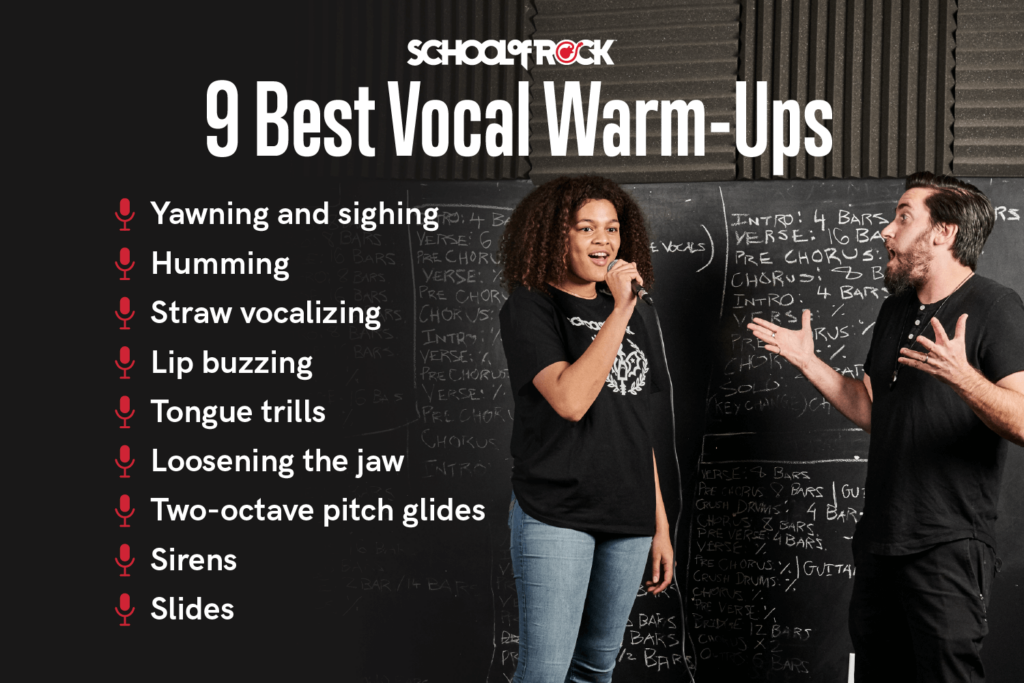
Vocal Warm-ups
Lip Trills
Lip trills are a great way to warm up your vocal cords and engage your breath support. To perform a lip trill, lightly press your lips together and blow air through them, creating a buzzing sound. Start on a comfortable pitch and glide up and down your vocal range while maintaining the lip trill. This exercise helps to relax and warm up the muscles involved in producing sound and encourages a smooth and controlled airflow.
Humming Exercises
Humming exercises are another effective method to warm up your voice and improve vocal resonance. Begin by humming a sustained “mmm” sound on a comfortable pitch, allowing the vibrations to resonate in your face and head. Gradually explore different pitches and intervals while maintaining the humming sound. Humming exercises help to warm up the vocal cords, improve resonance, and enhance the overall quality of your voice.
Gentle Siren Sounds
Sirens are a versatile vocal warm-up exercise that helps to stretch and engage your vocal range. Start at your lowest comfortable pitch and glide smoothly up to your highest pitch, imitating the sound of a siren. Focus on maintaining a relaxed and consistent tone throughout the exercise. This warm-up exercise not only improves your pitch accuracy and vocal flexibility but also helps to release tension in your throat and prepare your voice for singing.
Pitch Accuracy
Ear Training
Developing a good ear for pitch is essential for singing in tune. Ear training exercises can help sharpen your musical ear and improve your ability to match and reproduce pitches accurately. Practice pitch-matching exercises by playing a note on a keyboard or using a pitch reference, and try to sing the same note. Gradually introduce intervals and melodic patterns to challenge your ear and improve your pitch accuracy. Consistent ear training will enable you to develop a more refined sense of pitch and enhance your overall singing ability.
Pitch Exercises
Pitch exercises focus on training your voice to produce specific pitches accurately. Start with simple exercises, such as singing an ascending or descending arpeggio, and gradually progress to more complex melodies. Focus on intonation, ensuring that each pitch is precisely hit, and maintain a consistent tone throughout. It is helpful to practice with a piano or a pitch reference to verify your accuracy. Regular practice of pitch exercises will improve your intonation, allowing you to sing with greater confidence and precision.
Interval Singing
Interval singing exercises are designed to improve your ability to hear and sing the distance between two different pitches. Begin with simple intervals, such as a minor third or perfect fifth, and practice singing them accurately. Gradually progress to more challenging intervals to expand your vocal range and improve your pitch accuracy. Interval singing exercises not only enhance your ability to navigate different melodic patterns but also train your ear to recognize and produce specific pitches.

Vocal Range Development
Expanding Vocal Range
Expanding your vocal range involves developing the ability to sing comfortably in both your lower and higher registers. To expand your vocal range, start by identifying your current comfortable range and gradually work on extending it. Begin with vocal exercises that focus on your chest voice (lower register) and gradually transition into your head voice (higher register). Over time, your vocal range will expand, and you will be able to navigate different notes with ease and confidence.
Semitone Slides
Semitone slides are vocal exercises that help to bridge the gap between different registers and improve your vocal agility. Begin by sliding smoothly from a comfortable low note to a higher note, gradually increasing the distance between the pitches. Repeat the exercise with precision, focusing on maintaining a consistent tone throughout. Semitone slides not only expand your vocal range but also strengthen your vocal muscles and improve your overall vocal flexibility.
Vowel Modification
Vowel modification is a technique that allows you to adjust the shape of your vocal tract to produce different vowel sounds while preserving the quality and resonance of your voice. Experiment with different vowel shapes to access different parts of your vocal range. For example, a more closed mouth position may be used for higher notes, while a more open mouth position may be used for lower notes. Vowel modification techniques enable you to navigate your vocal range more smoothly and sing with greater ease and control.
Articulation and Pronunciation
Tongue and Lip Exercises
Tongue and lip exercises are beneficial for improving articulation and precision in your singing. Practice tongue twisters and exercises that focus on tongue and lip movements. For example, try repeating tongue twisters such as “She sells seashells by the seashore” or perform lip trills while reciting specific phrases. These exercises help to strengthen the muscles involved in articulation and enhance your ability to pronounce words clearly and precisely while singing.
Diction Exercises
Clear diction is crucial for effective communication in singing. Diction exercises can help you improve the clarity and accuracy of your pronunciation while singing. Practice enunciating each word clearly and exaggerate the consonant sounds. Slowly sing through phrases, focusing on articulating each syllable accurately. Additionally, practicing songs in different languages can also improve your diction skills and increase your versatility as a singer.
Vowel Clarity
Vowel clarity refers to the ability to maintain a consistent and resonant vowel sound throughout a song. Focus on shaping your vowels correctly and ensuring that each vowel is pronounced distinctly and without tension. Practice sustaining vowel sounds, such as “ah,” “ee,” or “oh,” and aim for a clear and pure vowel sound. Developing vowel clarity will enhance the overall quality of your singing and improve your ability to convey emotions through your voice.

Resonance and Tone Quality
Resonance Exercises
Resonance exercises are designed to help you find and enhance the natural resonance of your voice. One common exercise is “ng” humming, where you produce a humming sound with your mouth closed. Focus on feeling the vibrations in your nasal cavity and head. Another exercise involves singing a sustained note on a comfortable pitch and exploring different resonating areas in your head, chest, and mask (the area around your cheekbones and eyes). Resonance exercises improve the richness and warmth of your tone.
Nasal versus Oral Sound
Understanding the balance between nasal and oral sound is important for achieving a pleasant and resonant tone. Singing with too much nasal sound can create a nasally or “pinched” tone, while singing with too much oral sound can result in a “throaty” or “muffled” tone. Experiment with different amounts of nasal and oral sound by consciously adjusting the placement of your voice. Seek a balanced sound that resonates both in your nasal cavity and mouth, producing a clear and vibrant tone.
Developing Warmth in Sound
Warmth in sound refers to a rich and full quality that is pleasing to the ear. To develop warmth in your voice, focus on relaxing the muscles in your throat and allowing the sound to resonate freely. Avoid excessive tension in the throat, as it can create a strained and harsh tone. Practice sustained notes or phrases with a gentle and open sound, allowing your voice to flow effortlessly. Developing warmth in your sound will greatly enhance the expressiveness and beauty of your singing.
Musicality and Interpretation
Understanding Song Dynamics
An important aspect of singing is understanding and conveying the dynamics of a song. Dynamics refer to the variation in volume, intensity, and expression within a musical piece. Pay attention to the markings in the sheet music or the emotions conveyed in the lyrics to guide your interpretation. Experiment with different levels of volume, intensity, and emotional delivery to bring out the intended message of the song. Developing an understanding of song dynamics will allow you to connect with both the music and the audience on a deeper level.
Phrasing and Emphasis
Phrasing and emphasis play a significant role in shaping the musicality and interpretation of a song. Pay attention to the natural pauses and breaks within the lyrics to create meaningful phrases. Emphasize important words or phrases by giving them slightly more volume or intensity. Experiment with different phrasing choices to convey various emotions and musical intentions. Developing a strong sense of phrasing and emphasis will enhance your storytelling ability and make your singing more engaging and expressive.
Connecting with the Lyrics
To truly connect with your audience, it is essential to connect with the lyrics of the song you are singing. Take the time to understand the lyrics and the story they convey. Reflect on the emotions and experiences captured in the song and find ways to convey them authentically through your voice. Infuse your singing with genuine emotion and allow yourself to be vulnerable. Connecting with the lyrics will not only improve your singing but also create a deeper emotional connection with your listeners.
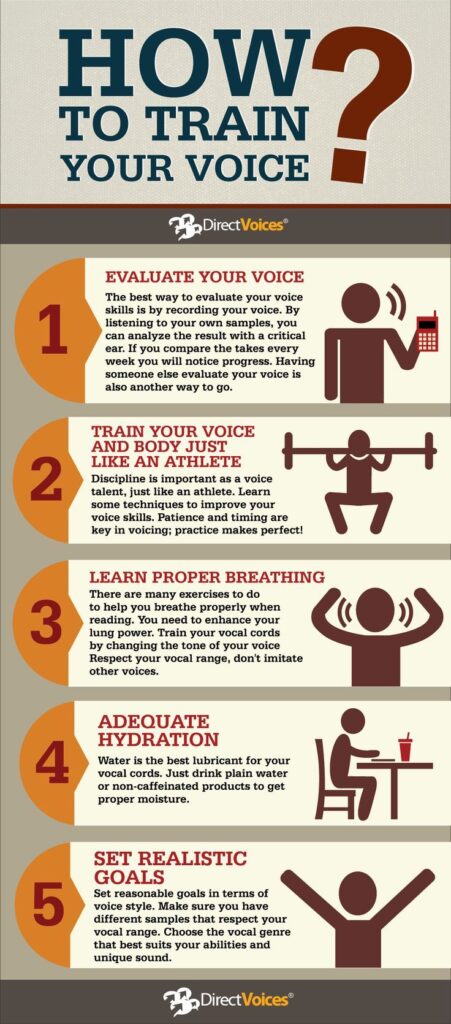
Vocal Health and Hydration
Proper Hydration
Maintaining proper hydration is crucial for keeping your vocal cords healthy and functioning optimally. Drink plenty of water throughout the day to keep your vocal cords hydrated. Avoid excessive consumption of caffeine or alcohol, as they can dehydrate your body and lead to dryness in your throat. It is also beneficial to incorporate throat-soothing remedies such as warm herbal tea with honey and gargling with saltwater into your vocal care routine. Proper hydration will prevent vocal fatigue, soothe your vocal cords, and maintain the suppleness of your voice.
Avoiding Excessive Strain
Straining your voice by singing beyond your comfortable range or pushing your voice to its limits can lead to vocal injury and damage. Be mindful of your vocal limits and avoid excessive strain. If you feel any discomfort or pain while singing, take a break and rest your voice. It is important to listen to your body and not force your voice beyond its capabilities. Proper vocal technique, including good breath support and posture, will help reduce strain and protect your vocal cords from injury.
Resting the Voice
Just like any other muscle, your vocal cords need rest to recover and recharge. Adequate rest is crucial for maintaining vocal health and preventing vocal fatigue. Be mindful of not overusing your voice, especially during periods of intense vocal activity or when experiencing vocal strain or illness. Incorporate regular vocal breaks into your practice routine and avoid excessive speaking or singing when your voice feels tired or strained. Giving your voice proper rest will help prevent vocal damage and ensure longevity and endurance in your singing career.
Seeking Guidance and Feedback
Voice Lessons
Voice lessons with a qualified and experienced vocal coach can be immensely beneficial for beginners. A vocal coach will provide personalized guidance, teach you proper singing techniques, and help you address any specific vocal challenges you may have. They will also guide you in vocal warm-up exercises, provide feedback on your singing, and help you develop a practice routine tailored to your voice. Voice lessons can significantly accelerate your progress and ensure that you are on the right track to improving your singing voice.
Working with a Vocal Coach
In addition to voice lessons, ongoing work with a vocal coach can greatly contribute to the development of your singing voice. A vocal coach will provide ongoing support, help you refine your technique, and guide you in expanding your vocal range and repertoire. They can assist you in selecting appropriate songs that suit your voice, work on specific skills or style, and help you prepare for performances or auditions. Collaborating with a vocal coach will help you reach your full potential as a singer and provide valuable insights and feedback along your vocal journey.
Recording and Self-Evaluation
Recording your singing and conducting self-evaluations can be a valuable tool for improvement. Set aside dedicated time to record yourself singing and listen back to the recordings objectively. Pay attention to areas that need improvement, such as pitch accuracy, diction, or phrasing. You can also compare older recordings with more recent ones to track your progress. Self-evaluation allows you to identify areas for growth, make adjustments, and celebrate your achievements. It is a powerful tool for self-improvement and will greatly contribute to the refinement of your singing skills.
In conclusion, improving your singing voice as a beginner requires a combination of proper technique, regular practice, and a commitment to growth. By implementing breathing techniques, maintaining good posture, engaging in vocal warm-ups, focusing on pitch accuracy, expanding your vocal range, refining articulation and pronunciation, developing resonance and tone quality, embracing musicality and interpretation, prioritizing vocal health and hydration, and seeking guidance and feedback, you can make significant strides in your vocal journey. Remember to be patient, persistent, and enjoy the process of discovering and nurturing your unique singing voice. Happy singing!


