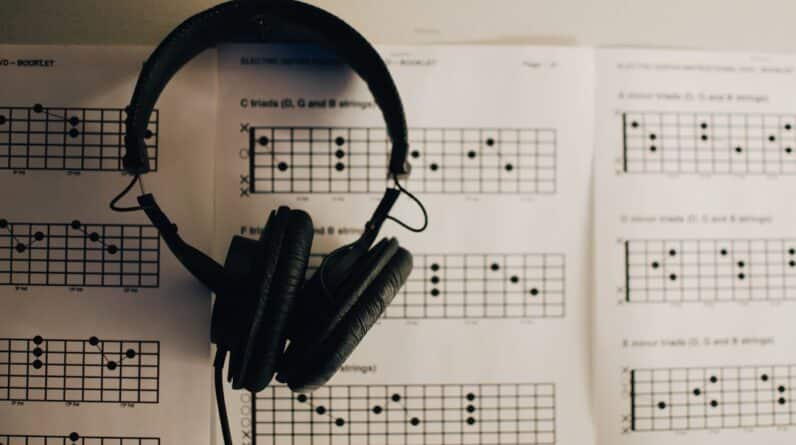
To embark on your journey into the world of music, it is essential to grasp the fundamentals of musical notes. At their core, musical notes are symbols that represent specific pitches and durations. Each note corresponds to a particular frequency, which is perceived as a distinct sound. The most common notes you will encounter are the seven natural notes: A, B, C, D, E, F, and G. These notes can be altered by sharps and flats, which raise or lower their pitch, respectively. Understanding these basics will provide you with a solid foundation upon which to build your musical knowledge.
As you delve deeper into the realm of musical notes, you will also encounter the concept of rhythm. Rhythm refers to the timing of notes and how they are organized in relation to one another. It is what gives music its flow and structure. Notes can be whole, half, quarter, eighth, or sixteenth in duration, and each type of note has its own unique value in a measure. By familiarizing yourself with these elements, you will not only enhance your ability to read music but also improve your overall musicality.
Developing Active Listening Skills
Active listening is a crucial skill for anyone looking to deepen their understanding of music. It involves fully engaging with what you hear rather than passively absorbing sound. To develop this skill, start by focusing on individual elements within a piece of music. Pay attention to the melody, harmony, rhythm, and dynamics. By isolating these components, you can gain a clearer understanding of how they work together to create the overall sound.
As you practice active listening, try to identify the instruments being used and the roles they play within the composition. Are there any recurring motifs or themes? How do the dynamics change throughout the piece? By asking yourself these questions, you will cultivate a more analytical approach to music. This heightened awareness will not only enhance your listening experience but also improve your ability to recognize patterns and structures in music.
Practicing Ear Training Exercises

Ear training is an essential aspect of developing your musical skills. It involves training your ears to recognize pitches, intervals, chords, and rhythms. One effective way to practice ear training is through interval recognition exercises. Start by playing two notes in succession and try to identify the distance between them. This can be done using a piano or any other instrument you have access to. As you become more comfortable with identifying intervals, challenge yourself by increasing the complexity of the exercises.
Another valuable ear training exercise involves recognizing chords. Begin with simple major and minor triads before progressing to more complex chords such as seventh chords or extended chords. You can also practice identifying chord progressions by listening to your favorite songs and trying to replicate them by ear. This not only sharpens your listening skills but also enhances your overall musicianship.
Utilizing Technology for Ear Training

In today’s digital age, technology offers a wealth of resources for ear training. Numerous apps and software programs are designed specifically for this purpose, providing interactive exercises that cater to various skill levels. These tools often include features such as customizable exercises, progress tracking, and instant feedback, making them an excellent addition to your practice routine.
You can also explore online courses and tutorials that focus on ear training techniques. Many platforms offer structured lessons that guide you through the process of developing your listening skills step by step. By incorporating these technological resources into your practice, you can create a more engaging and effective learning experience.
Learning to Recognize Intervals
| Technique | Effectiveness |
|---|---|
| Ear Training | Highly effective for recognizing musical notes |
| Active Listening | Improves ability to distinguish different notes |
| Using a Tuner | Helps in tuning instruments and identifying notes |
| Practicing Scales | Enhances familiarity with different musical notes |
Recognizing intervals is a fundamental skill for any musician. An interval is the distance between two pitches, and being able to identify them by ear is crucial for both composition and performance. Start by familiarizing yourself with the names of common intervals, such as seconds, thirds, fourths, and fifths. Once you have a basic understanding of these intervals, practice identifying them through listening exercises.
To enhance your interval recognition skills further, try singing or playing intervals on an instrument. This hands-on approach will help solidify your understanding and make it easier to recognize intervals in various musical contexts. As you progress, challenge yourself with more complex intervals and incorporate them into your ear training routine.
Familiarizing Yourself with Different Instruments
Each instrument has its unique timbre and characteristics that contribute to the overall sound of a piece of music. To develop a well-rounded musical ear, it is essential to familiarize yourself with different instruments and their roles within various genres. Spend time listening to recordings featuring a variety of instruments, from strings and brass to woodwinds and percussion.
As you explore different instruments, pay attention to how they interact with one another in ensemble settings. Notice how certain instruments may take on melodic roles while others provide harmonic support or rhythmic foundation. By understanding the distinct qualities of each instrument, you will enhance your ability to appreciate and analyze music more deeply.
Exploring Different Genres of Music
Diving into various genres of music can significantly broaden your musical horizons and enhance your listening skills. Each genre has its unique characteristics, structures, and styles that contribute to its overall sound. Whether it’s classical, jazz, rock, pop, or folk music, immersing yourself in different genres will expose you to diverse musical elements.
As you explore different genres, take note of the common themes and techniques used within each style. For instance, jazz often emphasizes improvisation and syncopation, while classical music may focus on intricate harmonies and orchestration. By recognizing these distinctions, you will develop a more nuanced understanding of music as a whole.
Studying Music Theory
Music theory provides the framework for understanding how music works. By studying music theory, you will gain insights into concepts such as scales, chords, harmony, and form. This knowledge will not only enhance your ability to read and write music but also improve your overall musicianship.
Start with the basics of music theory by learning about scales and key signatures. Once you have a solid grasp of these concepts, delve into more complex topics such as chord progressions and modulation. Understanding these theoretical elements will empower you to analyze music more effectively and apply your knowledge in practical settings.
Seeking Feedback from Musicians and Instructors
Receiving feedback from experienced musicians and instructors can be invaluable in your musical journey. They can provide insights into areas where you may need improvement and offer guidance on how to develop your skills further. Don’t hesitate to seek out opportunities for mentorship or collaboration with others who share your passion for music.
Consider joining local music groups or online communities where you can connect with fellow musicians. Engaging in discussions about music theory, performance techniques, or ear training can provide fresh perspectives and inspire new ideas in your own practice.
Engaging in Active Listening Sessions
Active listening sessions are an excellent way to deepen your understanding of music while honing your listening skills. Set aside dedicated time to listen to specific pieces of music without distractions. During these sessions, focus on identifying different elements such as melody, harmony, rhythm, and dynamics.
You might also consider taking notes during these sessions to document your observations. This practice will help reinforce what you’ve learned while providing a reference for future listening experiences. Over time, you’ll find that these active listening sessions significantly enhance your ability to analyze and appreciate music on a deeper level.
Incorporating Music into Daily Activities
Integrating music into your daily activities can enrich your life while reinforcing your musical skills. Whether it’s listening to music while commuting or playing an instrument during breaks at work or school, finding ways to incorporate music into your routine can make practice feel less like a chore.
Consider setting aside specific times each day for focused practice or exploration of new musical concepts. You might also create playlists that align with different moods or activities—upbeat tunes for exercise or calming melodies for relaxation. By weaving music into the fabric of your daily life, you’ll cultivate a deeper connection with it while enhancing your overall musicality.
In conclusion, developing your musical ear is a multifaceted journey that requires dedication and practice across various areas—from understanding musical notes and developing active listening skills to exploring different genres and seeking feedback from others. By embracing these strategies and incorporating them into your daily routine, you will not only enhance your appreciation for music but also become a more skilled musician in your own right.
FAQs
What are some techniques to improve hearing musical notes better?
Some techniques to improve hearing musical notes better include ear training exercises, practicing active listening, using a tuner or metronome, and seeking feedback from a music teacher or mentor.
Why is it important to hear musical notes better?
Hearing musical notes better is important for musicians as it helps in improving pitch accuracy, musical expression, and overall musical performance. It also enhances the ability to play in tune with other musicians and to understand and interpret musical compositions more effectively.
How can ear training exercises help in hearing musical notes better?
Ear training exercises can help in hearing musical notes better by improving the ability to recognize and differentiate between different pitches, intervals, and chords. This can lead to a more accurate and nuanced understanding of music and better musical performance.
What role does active listening play in hearing musical notes better?
Active listening plays a crucial role in hearing musical notes better as it involves focused and intentional listening to music, which can help in developing a deeper understanding of musical nuances, such as dynamics, articulation, and tonal quality.
Are there any tools or devices that can help in hearing musical notes better?
Yes, there are tools and devices that can help in hearing musical notes better, such as electronic tuners, metronomes, and pitch recognition apps. These tools can aid in developing a more accurate sense of pitch and rhythm, which are essential for hearing musical notes better.