Whether you’re an aspiring singer or just looking to enhance your vocal skills, improving your vocals in singing is a goal many people strive for. This article will provide you with practical tips and techniques that can help you develop and refine your singing abilities. From proper breathing techniques to vocal exercises, you’ll discover a range of strategies that can take your singing to the next level. So, get ready to explore the world of vocal improvement and unlock your true singing potential.

Proper Breathing Techniques
Diaphragmatic Breathing
One of the most important aspects of singing is proper breathing technique. Diaphragmatic breathing, also known as abdominal breathing, is the foundation of good singing. It involves engaging the diaphragm, a large muscle located at the base of the lungs, to maximize breath control and support. To practice diaphragmatic breathing, place one hand on your chest and the other on your abdomen. Inhale deeply through your nose, allowing your abdomen to expand as you fill your lungs with air. Exhale slowly through your mouth, feeling your abdomen contract as you release the breath. Repeat this exercise several times to improve your diaphragmatic breathing skills.
Supportive Breathing
Supportive breathing is another important aspect of proper breathing technique for singing. It involves using your breath to support the sound you produce, providing stability and control. To practice supportive breathing, inhale deeply and imagine sending your breath to the lower part of your back. As you exhale, imagine keeping that support in your lower back, and slowly release the breath. This exercise helps to strengthen your breath control and build the stamina needed for sustained singing.
Resonance Exercises
Resonance exercises help to enhance the quality and projection of your voice by optimizing the resonance of sound in your vocal tract. One effective exercise is to hum a simple melody, focusing on feeling the vibrations in your nasal area and facial bones. Another exercise is to vocalize different vowel sounds with a relaxed jaw and resonant tone. Experimenting with different resonating spaces, such as the chest, head, or nasal cavities, can also help you discover the unique qualities of your voice.
Warm-Up Exercises
Lip Trills
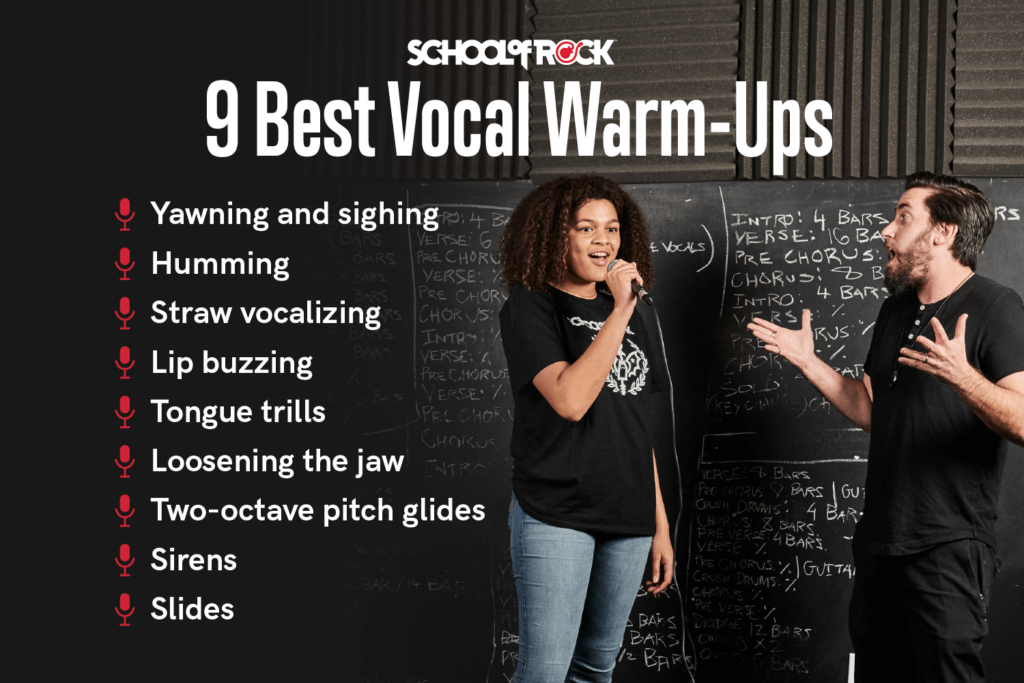
Lip trills are a common warm-up exercise that helps to relax the lips, jaw, and facial muscles while engaging the airflow. To perform lip trills, gently press your lips together and blow air through them, creating a vibration or buzzing sound. Start with a gentle buzz and gradually increase the intensity and duration. Lip trills not only warm up your voice but also help to release tension in your vocal apparatus.
Humming
Humming is a versatile warm-up exercise that helps to increase vocal flexibility and resonance. Simply make a humming sound, starting from the lowest comfortable pitch and gradually ascending to higher pitches. Focus on feeling the vibrations in your facial bones and head as you hum. You can also experiment with different vowel sounds while humming to explore the different resonating spaces in your voice.
Vocal Fry
Vocal fry is a vocalization exercise that involves producing a low, creaky sound. It helps to warm up the vocal cords and improve vocal control. To perform vocal fry, start by sustaining a low pitch and gradually increase the pitch while maintaining the creaky sound. Be sure to relax your vocal cords and avoid any strain or tension.
Sirens
Sirens are a fun and effective warm-up exercise that helps to improve vocal range and flexibility. Begin with a comfortable pitch and smoothly glide up to your highest note, and then seamlessly descend to your lowest note. Focus on maintaining a relaxed and controlled sound throughout the exercise. Sirens can be performed on different vowel sounds to explore different resonance and vowel modification techniques.
Tongue Exercises
Tongue exercises are important for building agility and clarity in articulation. One simple exercise involves slowly sticking your tongue out as far as possible and then retracting it back into your mouth. Repeat this several times, gradually increasing the speed and range of motion. Another exercise is to alternate rapidly tapping the roof of your mouth with the tip of your tongue, starting from the front and moving towards the back.
Developing Vocal Range
Stretching Exercises
Stretching exercises help to increase vocal range by improving the flexibility of your vocal cords and muscles. One effective exercise is the lip trill slide. Begin with a comfortable pitch and perform a lip trill. Gradually slide up or down to your highest or lowest note, maintaining the lip trill throughout the slide. Repeat this exercise several times, gradually extending the range of the slide.
Semi-Occluded Vocal Tract Exercises
Semi-occluded vocal tract exercises involve partially blocking the airflow during vocalization, which helps to develop vocal control and strengthen the vocal folds. One example is straw phonation, where you vocalize through a straw while keeping the airflow steady. This exercise helps to reduce strain and promote a balanced tone. Another exercise is the lip buzz, where you lightly press your lips together and create a buzzing sound while vocalizing different pitches.
Mixed Voice Technique
The mixed voice technique allows singers to seamlessly transition between their chest voice and head voice, creating a smooth and connected vocal range. To develop the mixed voice, practice vocalizing scale patterns that start in your chest voice and gradually transition to your head voice. Focus on maintaining a consistent tone and connecting the registers smoothly. Gradually increase the range and complexity of the scales to challenge your vocal coordination.
Pitch and Tone Control
Pitch Accuracy Exercises
Pitch accuracy is crucial for singing in tune. One effective exercise is singing scales or melodies with a piano or pitch reference. Start with short patterns and gradually increase the complexity. Pay close attention to matching the pitches accurately and adjusting as needed. Recording yourself and listening back can also help you identify any pitch discrepancies and work on improving your accuracy.
Vowel Modification Techniques
Vowel modification techniques are used to achieve a balanced and resonant sound across different pitches. Experiment with slight adjustments to the shape of your mouth and tongue to create a more open or closed vowel sound. For example, when singing higher notes, slightly modify the shape of the vowel to create more space in the mouth and reduce strain. Practice singing different vowel sounds and gradually incorporate them into your repertoire.
Controlled Breath Release Exercises
Controlling the release of breath is essential for maintaining a consistent tone and achieving greater vocal control. One exercise to practice controlled breath release is sustained note exercises. Choose a comfortable pitch and sustain it while focusing on a steady and controlled breath release. Avoid releasing large amounts of air too quickly, as this can lead to vocal fatigue and strain. Gradually increase the duration of the sustained notes to build your stamina.

Articulation and Diction
Tongue Twisters
Tongue twisters are excellent exercises for improving clarity and precision in articulation. Start with simple tongue twisters and gradually increase the difficulty. Focus on enunciating each syllable clearly and at a controlled pace. Repeat the tongue twisters several times, increasing your speed and accuracy. This exercise helps to improve diction and tongue agility.
Sibilant Sounds Exercises
Sibilant sounds exercises focus on strengthening the muscles responsible for producing sibilant consonant sounds, such as “s” and “sh.” Practice sustained sibilant sounds at different pitches and volumes, focusing on a balanced and controlled sound. Gradually increase the difficulty by incorporating different vowel sounds and consonant combinations.
Consonant Clarity Exercises
Consonant clarity exercises help to improve the clarity and pronunciation of consonant sounds in singing. One exercise involves singing a sustained scale pattern while emphasizing each consonant sound, such as “t” or “d.” Focus on maintaining a clear and controlled sound for each consonant and avoid any excessive tension or force. This exercise helps to develop clarity and precision in your diction.
Phrasing and Expression
Understanding the Song’s Message
To deliver a meaningful and expressive performance, it is important to understand the message and emotion behind the song. Take the time to analyze the lyrics and their intended meaning. Consider the song’s context, story, and any underlying emotions. This understanding will help you connect with the song and express its message authentically.
Interpretation Exercises
Interpretation exercises focus on bringing out the emotional depth and nuance of a song. Experiment with different phrasing, dynamics, and vocal colors to convey different emotions and moods. Try varying the tempo and emphasis on specific words or phrases to highlight their significance. Recording yourself and listening back can help you assess the effectiveness of your interpretation and make adjustments as needed.

Vocal Health and Hygiene
Proper Hydration
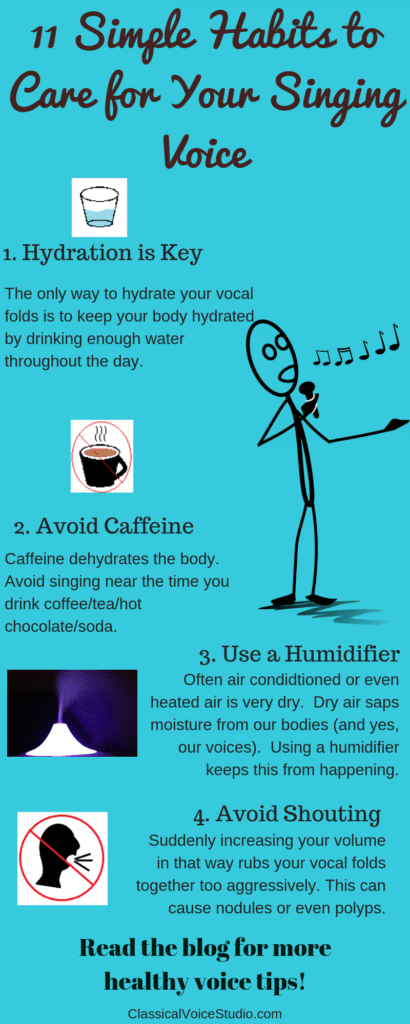
Proper hydration is crucial for maintaining vocal health. Drink plenty of water throughout the day to keep your vocal cords hydrated and lubricated. Avoid excessive caffeine and alcohol, as they can dehydrate your body and affect vocal function. Use a humidifier in your living or practice space to maintain optimal moisture levels in the air. If you experience dryness or discomfort in your throat, consider using throat lozenges or sprays specifically designed for singers.
Avoiding Vocal Strain
To prevent vocal strain, it is important to practice good vocal hygiene. Avoid yelling, screaming, or speaking loudly for extended periods. Take regular breaks during intense singing or speaking sessions to rest your voice. Use proper breath support and avoid excessive tension in your throat and neck muscles. If you feel any discomfort or pain while singing, stop and rest your voice.
Preventing Vocal Nodules
Vocal nodules are small growths that develop on the vocal cords due to vocal abuse or strain. To prevent vocal nodules, it is important to practice good vocal technique and avoid excessive vocal strain. Warm up your voice properly before practicing or performing. Focus on maintaining good breath support and avoiding excessive tension or stress on your vocal cords. If you experience persistent hoarseness or voice changes, consult a vocal health professional for an evaluation.
Mental and Emotional Preparation
Confidence Building Techniques
Building confidence is essential for delivering a strong and impactful vocal performance. Practice positive self-talk and affirmations to boost your confidence. Visualize yourself performing confidently and successfully. Surround yourself with a supportive and encouraging network of family, friends, or fellow musicians. Take opportunities to perform in front of others, whether it’s in a small setting or a larger venue. The more you expose yourself to performing, the more your confidence will grow.
Stage Presence Training
Stage presence plays a significant role in engaging and captivating an audience. Practice different stage presence techniques, such as maintaining eye contact, using expressive gestures, and connecting with your audience emotionally. Experiment with different movements and positions on stage to find what feels natural and enhances your performance. Incorporate storytelling and acting techniques to further engage your audience and bring your songs to life.
Emotional Connection Exercises
Creating an emotional connection with your audience is a powerful way to captivate and move them. Practice connecting with the emotions of the songs you sing by recalling personal experiences or imagining different scenarios. Experiment with different vocal colors, dynamics, and phrasing to convey different emotions effectively. Allow yourself to be vulnerable and open to fully express the emotions of the song.
Working with a Vocal Coach
Finding an Experienced Vocal Coach
Working with a vocal coach can greatly improve your vocal skills and technique. Look for a vocal coach who has experience working with singers in your genre and who has a positive and supportive teaching style. Check for qualifications, certifications, or testimonials from other students. It is also important to find a coach with whom you feel comfortable and can establish a trusting and productive working relationship.
Setting Specific Goals
Before starting vocal lessons, it is essential to identify specific goals you want to achieve. Communicate your goals to your vocal coach, whether it is improving vocal range, building technique, or preparing for a performance. Your coach can then tailor the lessons and exercises to help you reach those goals. Setting small, achievable milestones along the way will help you stay motivated and track your progress.
Regular Practice Sessions
Consistency and regular practice are key to improving your vocal skills. Schedule dedicated practice sessions and stick to them. Work on the exercises and techniques recommended by your vocal coach, focusing on building muscle memory and adopting proper vocal habits. Record your practice sessions to track your progress and identify areas that need improvement. Invest time and effort into your practice to see significant improvement in your vocals.
Recording and Listening to Yourself
Recording Practice Sessions
Recording your practice sessions is a valuable tool for self-assessment and improvement. Use a recording device or smartphone to capture your singing. Choose a quiet environment and place the device at an optimal distance from you. Focus on performing the exercises and repertoire you have been working on. Regularly record yourself to track your progress over time and identify areas that need further attention.
Playback and Analysis
After recording your practice sessions, take the time to listen back to the recordings. Pay attention to pitch accuracy, tonal quality, and overall performance. Take notes on areas that need improvement and areas where you excel. Be objective in your analysis and identify specific areas to focus on in future practice sessions. Consider sharing the recordings with your vocal coach for further guidance and feedback.
Constructive Self-Critique
Constructive self-critique is an important part of the learning and improvement process. As you listen back to your recordings, be kind to yourself and focus on constructive feedback. Identify areas that need improvement, but also acknowledge and celebrate your successes. Avoid being overly critical or harsh, as this can negatively impact your confidence. Use the recordings as a learning tool to guide your practice and address specific vocal challenges.


