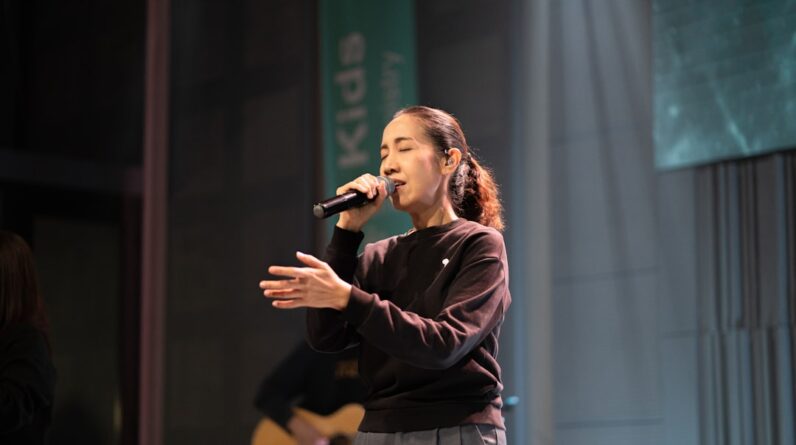
You’re standing on the precipice of something significant. Perhaps it’s a stage, a boardroom, or even just a confident conversation. Whatever the context, the power of your voice is undeniable. In Twin Creeks, a vibrant community within Allen, Texas, you have access to resources that can elevate your vocal abilities and build your confidence: performance voice lessons. This guide aims to demystify these lessons, outlining what you can expect, how to choose the right instructor, and the tangible benefits for your personal and professional growth.
Understanding the Core of Performance Voice Lessons
Performance voice lessons are not simply about hitting the right notes or projecting loudly. They are a comprehensive approach to vocal development designed to optimize your instrument for specific applications, with a particular emphasis on clarity, control, and impactful delivery. Whether your goal is to sing in a choir, deliver a compelling presentation, or master the nuances of spoken word, these lessons provide the foundational techniques and refined skills necessary for success.
The Mechanics of Vocal Production
At the heart of any performance voice lesson lies a deep dive into the physics and physiology of vocal production. You will learn about:
Diaphragmatic Breathing: The Foundation of Support
You might have heard the term “diaphragmatic breathing” before, but in performance voice lessons, you’ll truly understand its significance. You’ll work with your instructor to develop a strong, consistent breath support system. This involves learning to engage your diaphragm, an often-underutilized muscle, to allow for a steady and controlled release of air. This is not about puffing out your chest; it’s about a deep, abdominal engagement that provides the power and stamina needed to sustain notes and phrases. You’ll likely engage in exercises that focus on expanding your lower rib cage and feeling the subtle movements of your abdomen as you inhale and exhale. The goal is to transform breath from a passive, unconscious act into an active, conscious tool.
Vocal Cord Function and Resonance
Your vocal cords, the tiny but powerful components within your larynx, will be a central focus. Lessons will explore how they vibrate and how to manipulate them for different sounds and timbres. You’ll understand the concept of resonance – how the air passing through your vocal tract amplifies and shapes your sound. This involves learning to utilize your head and chest cavities to create a richer, fuller tone. You will explore exercises designed to develop the flexibility and strength of your vocal cords, moving beyond simply producing sound to producing controlled and expressive sound. This often involves exploring different vowels and consonants and how they interact with your resonating spaces.
Articulation and Diction
Clear articulation is paramount for effective communication and performance. You’ll work on exercises to strengthen your tongue, lips, and jaw, enabling you to pronounce words with precision and clarity. This isn’t just about singing words as they are written; it’s about ensuring that every syllable is understood by your audience, whether they are listening to a song or a speech. Your instructor will guide you through specific drills to improve the crispness of your consonants and the purity of your vowels, ensuring your message is delivered without ambiguity.
The Performance Aspect
Beyond the mechanics, performance voice lessons specifically tailor your skills to the demands of public presentation.
Stage Presence and Confidence Building
Performance is as much about how you present yourself as it is about how you sound. Lessons will often incorporate exercises aimed at improving your stage presence. This can involve posture, eye contact, and conveying emotion through your body language. The aim is to help you feel more comfortable and confident when performing, allowing your vocal talent to shine without being overshadowed by nerves. You’ll explore techniques for managing performance anxiety, transforming potential hindrances into focused energy.
Character and Emotion in Vocal Delivery
Whether you’re embodying a character in a musical or conveying a persuasive argument, understanding how to inject emotion and intention into your voice is crucial. You will learn to interpret text, understand subtext, and translate that understanding into vocal nuance. This requires a keen awareness of dynamics (volume), tempo (speed), and phrasing (how you connect musical or spoken phrases). Your instructor will help you explore different emotional landscapes and how to effectively represent them through your voice, moving beyond a neutral delivery to one that resonates with your audience.
Choosing the Right Performance Voice Instructor in Twin Creeks
The selection of your instructor is a critical step in your vocal journey. In Twin Creeks and the surrounding Allen areas, you have a range of options available. A good instructor will not only possess technical expertise but also a teaching style that aligns with your learning preferences.
Identifying Your Vocal Goals
Before you even begin researching instructors, take time to clarify your objectives.
Personal vs. Professional Objectives
Are you seeking lessons for personal enrichment, perhaps to join a local community choir or to sing for pleasure? Or are you aiming for a more professional path, such as auditioning for roles, competing in vocal competitions, or improving your public speaking for career advancement? Your goals will shape the type of instruction you need and help you identify an instructor with relevant experience. For example, a vocal coach specializing in musical theater might have a different skill set than one who focuses on classical technique or public speaking coaching.
Specific Genres or Styles
Do you have a particular musical genre in mind, such as pop, rock, jazz, classical, or musical theater? Or are you focused on improving your spoken word delivery for presentations, speeches, or podcasting? Identifying your preferred style will help you find an instructor who has a proven track record in that area. Some instructors are versatile, while others specialize in niche areas.
Evaluating Potential Instructors
Once you have a clearer picture of your needs, you can begin to assess potential instructors.
Credentials and Experience
Look for instructors with formal musical training, performance experience, and a history of successful teaching. This might include degrees in music, certifications from vocal organizations, or a portfolio of students who have achieved notable success. Don’t hesitate to ask about their educational background and their experience working with students at your level and with similar goals.
Teaching Philosophy and Approach
Each instructor has a unique teaching methodology. Some may be more structured and traditional, while others might be more intuitive and improvisational. It’s important to find an instructor whose approach resonates with your learning style. Consider requesting a trial lesson to experience their teaching firsthand. Observe how they explain concepts, how they provide feedback, and whether you feel a connection and a sense of trust.
Testimonials and Reviews
Seek out testimonials, reviews, or references from current or former students. This can provide valuable insights into the instructor’s effectiveness, personality, and their ability to foster a supportive learning environment. Online review platforms or recommendations from fellow musicians or performers can be good starting points.
Logistics and Practical Considerations
Beyond the pedagogical aspects, practicalities play a role in your decision.
Location and Scheduling
Twin Creeks and Allen offer convenient access to many studios. Consider the instructor’s location and how it fits with your commute. Discuss their availability and whether their schedule aligns with your own. Flexibility in scheduling can be a significant factor, especially if you have other commitments.
Lesson Structure and Cost
Inquire about the typical duration of lessons, how often they are held, and what is included in the fee. Some instructors offer different packages or pricing structures. Understand what you are paying for and what progress you can expect within a given timeframe.
The Benefits of Consistent Performance Voice Training
Investing in performance voice lessons is an investment in yourself. The benefits extend far beyond simply singing or speaking more effectively; they empower you in numerous aspects of your life.
Enhanced Vocal Technique and Control
The most direct benefit, of course, is the improvement of your vocal abilities.
Increased Vocal Range and Flexibility
Through targeted exercises, you can expand your vocal range, both higher and lower, and develop greater flexibility. This allows you to tackle a wider variety of music or spoken passages with greater ease and accuracy. You’ll learn to navigate the transitions between registers (chest voice, head voice, mixed voice) smoothly and efficiently.
Improved Tone Quality and Projection
Lessons focus on developing a richer, more resonant, and consistently pleasant vocal tone. You’ll learn to project your voice without straining, ensuring your sound carries effectively to your audience while maintaining vocal health. This involves understanding breath management and the precise use of resonating cavities.
Greater Stamina and Vocal Health
Learning proper technique is crucial for preventing vocal fatigue and potential injuries. You’ll develop the stamina to perform for extended periods without losing quality or experiencing discomfort. Your instructor will emphasize vocal warm-ups and cool-downs as essential components of maintaining a healthy voice.
Increased Confidence and Self-Esteem
The act of taming and mastering your voice can have a profound impact on your self-assurance.
Overcoming Performance Anxiety
By practicing in a supportive environment and developing strong foundational skills, you can learn to manage and even overcome performance anxiety. The more prepared you are vocally, the less you will likely feel overwhelmed by nerves. You will develop tangible strategies to cope with pre-performance jitters.
Improved Communication Skills
Confidence in your voice translates directly to more effective communication in all areas of life. Whether you are speaking in a meeting, giving a presentation, or simply engaging in everyday conversation, a strong and clear voice conveys authority and conviction.
A Sense of Accomplishment and Empowerment
Witnessing your own progress and achieving vocal milestones provides a significant sense of accomplishment. This journey of self-improvement can be incredibly empowering, fostering a greater belief in your ability to learn and grow.
Broader Applications Beyond the Stage
The skills honed in performance voice lessons are transferable to countless situations.
Professional Development
For professionals, improved vocal delivery can enhance their ability to present, persuade, and lead. This is particularly valuable for those in sales, management, teaching, and any field that requires public speaking. You will learn to tailor your vocal delivery to different professional contexts.
Personal Enrichment and Social Connection
Singing in a choir, joining a community theater group, or simply singing with friends can be incredibly rewarding and a wonderful way to connect with others. Performing voice lessons can unlock these possibilities and deepen your enjoyment of these activities. You might discover a passion for a musical genre you never previously considered.
Enhanced Artistic Expression
For those with artistic aspirations, vocal training provides a more refined palette for self-expression. Whether through singing, acting, or spoken word, a well-trained voice allows for a greater range of emotional and thematic exploration.
What to Expect in a Typical Performance Voice Lesson
While each instructor and student dynamic is unique, a typical performance voice lesson in Twin Creeks, Allen, will often follow a structured yet adaptable format. The goal is to address your individual needs while covering essential vocal development principles.
The Warm-Up Phase
Every lesson will begin with a vocal warm-up, a critical component for preparing your voice for singing or speaking.
Gentle Vocalizations and Exercises
This phase typically involves a series of gentle vocalizations, such as humming, lip trills, and siren-like glides through your vocal range. These exercises help to increase blood flow to the vocal cords, loosen the muscles involved in vocal production, and prepare them for more strenuous activity. You might also engage in exercises that focus on breath control and support.
Focus on Breath and Resonance
The warm-up will often incorporate specific exercises designed to reinforce proper diaphragmatic breathing and to explore your natural resonance. This might involve practicing sustained vowel sounds or gentle scales, paying attention to the physical sensations of breath support and the way sound vibrates in your body.
Technical Work and Skill Development
Once your voice is properly warmed up, the lesson will move into more targeted technical work.
Pitch Accuracy and Intonation
If your focus is on singing, you will work on exercises to improve your ability to accurately match pitches and maintain good intonation. This might involve scales, arpeggios, and specific melodic patterns that challenge your ear and your vocal control.
Rhythmic Precision and Phrasing
For both singing and spoken word, rhythmic accuracy is crucial. You will engage in exercises to develop a strong sense of rhythm and learn how to phrase effectively, connecting notes or words in a musically or logically coherent manner. This involves understanding the interplay between rhythm, melody (for singers), and spoken cadence.
Dynamic Control and Expressiveness
Lessons will focus on developing your ability to control the volume of your voice, from a soft whisper to a powerful forte, and to use these dynamics to convey emotion and meaning. You’ll explore how to shape phrases with varying intensity to create a more engaging performance.
Application and Repertoire Work
The practical application of your developing skills is where the lessons truly come alive.
Working with Specific Songs or Monologues
You will likely work on songs, arias, musical theater numbers, or monologues that align with your goals. Your instructor will guide you through interpreting the text, understanding the emotional intent, and applying the technical skills learned during the session.
Character Development and Storytelling (for Performers)
If you are involved in acting or musical theater, your instructor will help you explore character, motivation, and how to convey a story effectively through your voice and portrayal. This involves delving into the nuances of subtext and emotional expression.
Public Speaking Techniques (for Presenters)
For those focusing on public speaking, lessons may involve practicing delivering speeches, presentations, or even engaging in impromptu speaking exercises to hone your ability to communicate clearly and confidently under pressure.
Feedback and Practice Strategies
A crucial part of every lesson is receiving constructive feedback and developing effective practice routines.
Constructive Criticism and Encouragement
Your instructor will provide clear and actionable feedback on your progress, highlighting areas of strength and identifying areas for improvement. This feedback will always be delivered in a supportive and encouraging manner, aiming to build your confidence.
Personalized Practice Assignments
You will likely receive specific assignments and practice strategies to work on between lessons. This might include vocal exercises, repertoire practice, or even mindfulness techniques to help manage performance nerves. The effectiveness of your progress hinges on consistent, focused practice.
The Cool-Down Phase
Just as a warm-up is essential, so is a vocal cool-down to help your voice recover after a lesson.
Gentle Relaxation Exercises
This phase involves gentle vocalizations, such as sighing or humming at a lower pitch, to help relax the vocal cords and allow them to return to their resting state. This is an important step in preventing vocal strain and promoting long-term vocal health.
Making an Informed Decision About Performance Voice Lessons
As you navigate the options for performance voice lessons in Twin Creeks, Allen, Texas, remember that this is a personal journey. By understanding the fundamentals, clearly defining your goals, and carefully evaluating potential instructors, you can find the right fit to unlock your vocal potential and achieve your performance aspirations. Don’t rush the process; take the time to research, ask questions, and trust your instincts. The investment in your voice is an investment in your confidence, your communication, and your ability to express yourself fully. Your performance awaits.
FAQs
What are performance voice lessons?
Performance voice lessons are specialized vocal training sessions that focus on developing a singer’s ability to perform on stage. These lessons often include techniques for stage presence, microphone technique, and connecting with an audience.
What can I expect from performance voice lessons at Twin Creeks Allen Texas?
At Twin Creeks Allen Texas, performance voice lessons are tailored to each individual’s needs and goals. Students can expect to receive personalized instruction in areas such as vocal technique, stage presence, song interpretation, and performance skills.
Who can benefit from performance voice lessons?
Performance voice lessons are beneficial for singers of all levels, from beginners to advanced performers. Whether you are looking to improve your stage presence, build confidence in your performance, or enhance your vocal skills, performance voice lessons can help you reach your goals.
How often should I take performance voice lessons?
The frequency of performance voice lessons can vary depending on the individual’s goals and availability. Some students may benefit from weekly lessons, while others may opt for bi-weekly or monthly sessions. It is best to discuss your specific needs with a vocal instructor at Twin Creeks Allen Texas.
What sets Twin Creeks Allen Texas apart in offering performance voice lessons?
Twin Creeks Allen Texas stands out in offering performance voice lessons by providing a supportive and nurturing environment for students to grow as performers. The instructors are experienced professionals who are dedicated to helping each student reach their full potential as a singer and performer.