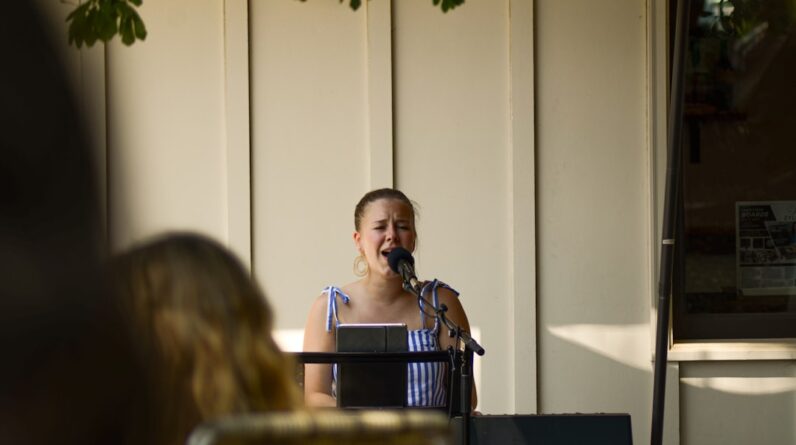
You’ve heard the melodies, you’ve felt the emotion, and perhaps, a persistent whisper in your own heart urges you to explore your vocal capabilities. If you reside in or around Round Rock, Texas, and this urge has become a noticeable hum, then understanding the opportunities for voice training in your community is the logical next step. This isn’t about finding a magical solution to overnight stardom; it’s about a grounded exploration of your voice, a disciplined approach to its development, and uncovering the potential that lies within your sound.
The Foundation: Why Invest in Professional Voice Training?
You might wonder if formal voice training is truly necessary. After all, people sing without it. However, the “singing without it” often comes with limitations, potential strain, and a plateau that can be difficult to overcome. Professional voice training provides a systematic and informed approach, offering a critical advantage in developing a healthy, versatile, and expressive voice.
Understanding Vocal Health and Longevity
- Preventing Misuse and Strain: Your vocal cords are delicate instruments. Without proper technique, you risk developing bad habits that can lead to hoarseness, fatigue, and even vocal injury. Training teaches you how to use your voice efficiently, ensuring its health and longevity, whether for singing, public speaking, or everyday communication.
- Building Sustainable Habits: A vocal coach guides you through exercises that build proper breath support, resonance, and articulation. These aren’t just temporary fixes; they are building blocks for a lifetime of confident and healthy vocal use. You’ll learn how to warm up effectively and cool down appropriately, essential practices often overlooked by untrained singers.
- Recognizing Early Warning Signs: Experienced instructors can identify potential issues before they become serious problems. They can recognize signs of strain or improper technique and offer immediate, corrective guidance. This proactive approach is invaluable for any serious vocal endeavor.
Developing Technical Proficiency
- Breath Control and Support: This is arguably the most crucial element of good singing. Training will immerse you in exercises designed to strengthen your diaphragm and develop consistent, controlled airflow. You’ll learn to breathe deeply and efficiently, providing a stable foundation for sustained notes and powerful projection. This isn’t about taking shallow, chest breaths; it’s about engaging your entire respiratory system.
- Pitch Accuracy and Intonation: While some individuals may have a natural ear for pitch, developing precise intonation is a skill that can be honed. Voice training incorporates exercises that improve your ability to hear and produce specific pitches accurately, helping you to sing in tune consistently and confidently. This involves ear training and the development of muscle memory.
- Vocal Range Expansion: Many aspiring singers believe their vocal range is fixed. While there are natural limitations, proper technique can often help you safely access higher and lower notes than you might have previously thought possible. This is achieved through gradual, controlled exercises that build flexibility and strength without forcing the voice.
- Resonance and Tone Quality: Learning to utilize your body’s natural resonance cavities – your chest, throat, and head – is key to producing a rich, full, and compelling vocal tone. A coach will guide you in understanding and manipulating these resonance points to achieve a desired sound, from warm and intimate to bright and powerful.
- Articulation and Diction: Clear enunciation is vital for conveying the meaning and emotion of lyrics. Training focuses on refining the use of your tongue, lips, and jaw to produce clear and precise consonants and vowels, ensuring your message is delivered effectively.
Cultivating Artistic Expression
- Emotional Connection and Interpretation: Singing is more than just hitting the right notes; it’s about conveying emotion and telling a story. A good vocal coach will encourage you to delve into the lyrics, understand their meaning, and translate that understanding into your vocal delivery. You’ll learn techniques for expressive phrasing, dynamics, and nuanced performance.
- Developing Your Unique Voice: While learning established techniques, a coach also helps you discover and refine your individual vocal identity. They can guide you in understanding your unique vocal qualities and how to leverage them effectively within different musical styles. This is about finding your authentic sound, not mimicking others.
- Performance Confidence: Stepping onto a stage, even an informal one, can be daunting. Consistent training and practice in a supportive environment build self-assurance. You’ll learn strategies for managing performance anxiety and delivering your best, regardless of the setting.
Finding the Right Fit: What to Look for in a Music School
When you’re ready to engage in formal voice training in Round Rock, the selection of a music school or private instructor is a significant decision. It’s not simply about convenience; it’s about finding an environment and a teaching philosophy that aligns with your goals and learning style.
Credentials and Experience of Instructors
- Formal Musical Education: While practical experience is vital, instructors with degrees in music, vocal performance, or music education often possess a strong theoretical foundation in vocal pedagogy. This can translate into a more comprehensive and structured teaching approach.
- Performance Background: A teacher who has performed professionally can offer invaluable real-world insights. They understand the demands of live performance, the challenges of different genres, and the practicalities of a singing career. This experience goes beyond textbook knowledge.
- Teaching Experience: Look for instructors who have a proven track record of successfully teaching students of various ages and skill levels. Ask about their teaching philosophy and how they adapt their methods to individual needs. A good instructor is a skilled communicator and a patient mentor.
- Specializations: Some instructors may specialize in certain genres (e.g., classical, musical theater, contemporary pop) or have particular expertise in areas like vocal health, ear training, or performance coaching. Consider if their specialties align with your interests.
The Learning Environment and Philosophy
- Structured Curriculum: A reputable music school will typically have a structured curriculum that progresses logically, building upon fundamental skills. This doesn’t mean rigidity, but rather a clear pathway for development.
- Supportive Atmosphere: You should feel comfortable taking risks and making mistakes in your lessons. A supportive and encouraging environment fostered by the instructor and the school is crucial for effective learning and building confidence.
- Opportunities for Growth: Look for schools that offer more than just one-on-one lessons. This could include performance opportunities, masterclasses, workshops, or ensemble participation. These additional avenues provide valuable experience and broaden your musical horizons.
- Age Appropriateness: Ensure the school’s programs and teaching methods are appropriate for your age group. What works for a child’s developing voice will differ from techniques used for adults.
- Philosophy of Training: Does the school emphasize a holistic approach to vocal development, or is it narrowly focused on technique? Does it foster creativity and individual expression alongside technical skill? Understanding their core beliefs about music education will help you assess compatibility.
Practical Considerations
- Location and Schedule Flexibility: Being able to easily access lessons and having a schedule that fits your commitments are practical necessities. Round Rock offers a variety of options, so consider what works best for your daily routine.
- Tuition and Fees: Understand the cost of lessons, including any registration fees, materials, or recital charges. Compare pricing structures and what is included in the tuition.
- Trial Lessons: Many schools offer a complimentary trial lesson. This is an excellent opportunity to meet the instructor, experience their teaching style, and assess the facilities before committing to a program.
Exploring Specific Programs and Approaches in Round Rock
Round Rock, as a growing and vibrant community, offers a range of musical education providers. While specific school names and their current offerings can change, understanding the types of programs you might find is beneficial.
Group Voice Classes and Workshops
- Introduction to Singing: These classes are often designed for beginners or those looking for a foundational understanding of vocal technique. They can be a cost-effective way to explore your interest without a significant initial commitment.
- Genre-Specific Workshops: You might find workshops focusing on particular musical styles, such as musical theater vocal techniques, blues improvisation, or contemporary pop singing. These offer a deep dive into specific areas of interest.
- Ensemble Singing/Choirs: Participating in a choir or vocal ensemble is an excellent way to develop your ear, learn to blend your voice with others, and gain performance experience in a supportive group setting. Often, music schools will have affiliated adult or youth choirs.
- Benefits of Group Learning: Group settings can be highly motivational, offering peer learning opportunities and the chance to develop collaboration skills. They can also be a less intimidating entry point for some individuals.
Private Voice Lessons
- Personalized Instruction: The core of most vocal training is private lessons. This one-on-one format allows for highly personalized attention, with the instructor tailoring exercises and feedback directly to your individual needs, goals, and vocal characteristics.
- Accelerated Progress: With dedicated attention from an instructor, you can often make more rapid progress in private lessons as the curriculum is entirely focused on your development.
- Focus on Specific Goals: Whether you aim to prepare for an audition, improve your solo performance abilities, or simply gain greater vocal control, private lessons allow for a targeted approach to achieving your objectives.
- Building a Strong Student-Teacher Relationship: The personalized nature of private lessons fosters a strong and communicative relationship between student and teacher, which is essential for effective learning and growth.
Music Schools with Dedicated Voice Departments
- Comprehensive Programs: Larger music schools often have dedicated departments for vocal studies, offering a structured curriculum from beginner to advanced levels. These institutions may have multiple instructors with diverse specializations.
- Access to Additional Resources: Beyond individual singing lessons, these schools might provide access to music theory classes, instrument instruction, recording facilities, and performance spaces, creating a well-rounded musical education.
- Recitals and Performance Opportunities: Dedicated music schools frequently organize student recitals, allowing students to showcase their progress in a formal setting. This provides valuable performance experience and a sense of accomplishment.
- Community and Networking: Being part of a larger music school can offer opportunities for networking with other musicians and engaging with a broader musical community.
Overcoming Common Hurdles in Vocal Training
Embarking on vocal training is a journey, and like any journey, it can present challenges. Understanding these common hurdles and having strategies to overcome them can make your path smoother and more productive.
Managing Expectations and Patience
- Realistic Timelines: Understand that significant vocal development takes time and consistent effort. Overnight success is largely a myth. Focus on incremental progress and celebrate small victories along the way.
- The Plateau Effect: You may experience periods where you feel like you’re not progressing. This is normal. During these times, it’s crucial to remain consistent with your practice and trust the process. Your instructor can help you navigate these plateaus and identify new avenues for growth.
- Comparison to Others: Avoid comparing your progress to that of other singers, especially those you encounter online or on television. Everyone’s vocal journey is unique. Focus on your own development and the unique qualities of your voice.
Consistent Practice and Discipline
- Establishing a Routine: Regular, focused practice is more effective than infrequent, marathon sessions. Aim for consistent practice, even if it’s just 15-30 minutes most days. Treat it as a scheduled appointment with yourself and your voice.
- Quality over Quantity: It’s not just about the amount of time you practice, but the quality of that practice. Focus on the exercises and techniques your instructor has given you. Be mindful and present during your practice sessions.
- Listening and Self-Correction: Learn to actively listen to your own voice. Record yourself regularly and analyze your performance critically but constructively. This awareness is key to identifying areas for improvement. Your instructor will guide you on how to do this effectively.
- Motivation and Accountability: Find ways to stay motivated, whether it’s setting personal goals, participating in performance opportunities, or finding a practice buddy. Accountability partners or attending group sessions can also help maintain discipline.
Vocal Fatigue and Health Management
- Listen to Your Body: If your voice feels tired, strained, or hoarse, rest. Pushing through vocal fatigue can lead to injury and set back your progress significantly.
- Hydration is Key: Maintain excellent hydration throughout the day, especially before and after vocal practice. Water is your vocal cords’ best friend. Avoid dehydrating beverages like excessive caffeine or alcohol, particularly before singing.
- Proper Warm-up and Cool-down: Never sing without a proper warm-up, and always include a cool-down routine. These routines prepare your vocal cords for use and help them recover afterward, minimizing strain.
- Environmental Factors: Be mindful of your environment. Dry air, smoke, and excessive shouting can negatively impact your voice.
The Journey Continues: Beyond the Lessons
Your vocal training in Round Rock is not just about attending lessons; it’s about integrating what you learn into your life and continuing to grow as a vocalist.
Applying Your Skills: Performance Opportunities
- Recitals and Open Mics: Many music schools offer student recitals. Additionally, local venues in and around Round Rock may host open mic nights. These provide valuable opportunities to perform in front of an audience, practice your stage presence, and receive feedback.
- Community Choirs and Ensembles: Joining local community choirs or vocal ensembles is a fantastic way to apply your learned skills in a group setting, harmonize with others, and experience the joy of collective musical creation.
- Auditions for Local Productions: Keep an eye out for auditions for community theater productions, local bands looking for vocalists, or other performance groups. This provides focused goals and performance experience.
- Digital Platforms: Consider creating short performance videos for social media or other online platforms. This can help you gain experience with recording, editing, and reaching an audience, even if it’s a virtual one.
Continued Learning and Development
- Attending Concerts and Performances: Expose yourself to a wide range of vocal performances. Observe different styles, techniques, and interpretations. This is a continuous source of inspiration and learning.
- Exploring Different Musical Genres: While you might have a primary focus, don’t be afraid to explore singing in different musical genres. This can broaden your vocal versatility and help you discover new expressive possibilities.
- Music Theory and Ear Training: A solid understanding of music theory and well-developed ear training skills complement vocal training significantly. Many music schools offer these as standalone courses or integrated into their programs.
- Seeking Feedback: Don’t shy away from constructive criticism. Whether from your instructor, fellow musicians, or even trusted friends, feedback is essential for identifying blind spots and areas for improvement.
Maintaining a Healthy Voice for Life
- Vocal Health as a Priority: Continue to prioritize vocal health throughout your life, regardless of whether you are pursuing a professional singing career. Consistent warm-ups, proper hydration, and mindful vocal use are essential habits.
- Periodic Check-ins: Even after achieving your initial goals, consider occasional check-ins with your vocal coach or a vocal health specialist to ensure your technique remains sound and to address any emerging concerns.
- The Joy of Singing: Ultimately, remember why you started. Whether for personal enjoyment, creative expression, or professional aspiration, the joy of using your voice to create music should remain a driving force. Your voice is your instrument, and nurturing it is a lifelong endeavor.
FAQs
What types of voice training does the music school in Round Rock, Texas offer?
The music school in Round Rock, Texas offers a variety of voice training including classical, musical theater, pop, and jazz.
What are the qualifications of the voice trainers at the music school in Round Rock, Texas?
The voice trainers at the music school in Round Rock, Texas are highly qualified professionals with extensive experience in vocal performance and education.
Are there any performance opportunities for voice students at the music school in Round Rock, Texas?
Yes, the music school in Round Rock, Texas provides performance opportunities for voice students through recitals, concerts, and other events.
What age groups are eligible for voice training at the music school in Round Rock, Texas?
The music school in Round Rock, Texas offers voice training for students of all ages, including children, teenagers, and adults.
How can I schedule a trial lesson for voice training at the music school in Round Rock, Texas?
To schedule a trial lesson for voice training at the music school in Round Rock, Texas, you can contact the school directly through their website or by phone.