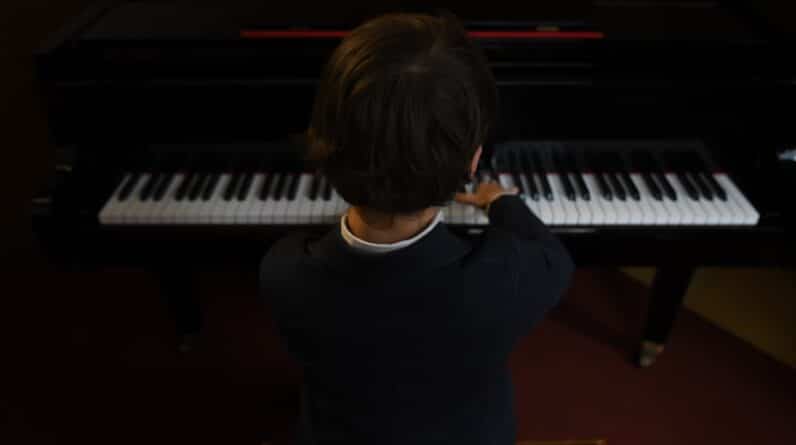
When you’re considering enriching your child’s life with music, the prospect of finding the right singing classes in Peoria, Arizona, can feel like a complex undertaking. You want a place that offers a nurturing environment, skilled instructors, and a curriculum designed to foster genuine musical growth. The Peoria Arizona Music Academy presents itself as a potential solution, and as you explore their offerings, you’ll want to understand the specifics of their approach to teaching young singers. This article aims to provide you with a comprehensive overview of what you can expect from their kids’ singing classes, allowing you to make an informed decision for your child’s musical journey.
When you enroll your child in singing classes, you are likely seeking more than just an introduction to hitting the right notes. You are looking for a program that builds a solid musical foundation, cultivates vocal technique, and instills an appreciation for music. The Peoria Arizona Music Academy’s approach to children’s vocal training is structured to address these fundamental aspects, aiming for steady progress rather than immediate, superficial results. The instructors operate with the understanding that early musical development is a process that requires patience, consistent practice, and a supportive learning environment.
The Curriculum’s Core Components
At the heart of any successful music program lies its curriculum. For young singers, this means a carefully designed progression of learning that evolves with their age and skill level. The Peoria Arizona Music Academy’s singing classes are built upon a framework that emphasizes several key areas.
Foundational Vocal Technique
You’ll find that the initial focus is on developing correct breath control and posture, essential elements that form the bedrock of good singing. Your child will learn how to utilize their diaphragm effectively, a skill that not only aids in vocal production but also contributes to overall respiratory health. Proper posture is also stressed, as it allows for optimal airflow and vocal resonance.
Introduction to Pitch and Rhythm
Beyond physical technique, the academy introduces fundamental musical concepts. Your child will engage in activities designed to improve their ability to discern and produce accurate pitches. Similarly, rhythmic exercises will help them develop a steady sense of timing and the ability to follow musical patterns.
Age-Appropriate Repertoire Selection
The selection of songs is a critical aspect of teaching children. The Peoria Arizona Music Academy selects repertoire that is not only enjoyable for young singers but also appropriate for their vocal range and developmental stage. This ensures that they are not pushed beyond their capabilities and can build confidence by successfully learning and performing songs.
The Role of Qualified Instructors
The instructors at the Peoria Arizona Music Academy play a vital role in shaping your child’s musical education. Their expertise extends beyond their own musical proficiency; it encompasses their ability to connect with young learners, understand their unique needs, and adapt their teaching methods accordingly.
Experience with Young Learners
You can anticipate that the teachers here have experience working with children. This means they understand the attention spans, learning styles, and motivational needs of different age groups. They are trained to create an engaging and encouraging atmosphere where children feel comfortable experimenting and learning.
Pedagogical Approaches
The instructors employ various pedagogical approaches to cater to diverse learning preferences. This might include a combination of ear training, visual aids, kinesthetic activities, and performance-based learning. The goal is to make the learning process dynamic and effective for each child.
Ongoing Professional Development
A reputable music academy often encourages its instructors to stay current with best practices in music education. You can assume that they are aware of contemporary teaching methodologies and are committed to their own professional growth, ensuring that the instruction your child receives is up-to-date and effective.
Exploring the Learning Environment at Peoria Arizona Music Academy
The physical and social environment in which your child learns significantly impacts their engagement and progress. The Peoria Arizona Music Academy strives to create a space that is both conducive to learning and supportive of a child’s development as a musician and as an individual.
Class Structure and Class Sizes
The way classes are organized and the number of students present are important considerations for personalized attention. The academy typically structures its singing classes to allow for individual feedback within a group setting. This balance is crucial for ensuring that each student receives the guidance they need while also benefiting from the collaborative nature of group singing.
Small Group Dynamics
You’ll likely find that classes are kept at a size that allows for meaningful interaction between the instructor and each student. Small group settings can foster a sense of camaraderie among students, encouraging them to support each other’s musical endeavors. This also allows the instructor to more readily identify and address individual challenges or areas of strength.
Individual Attention within a Group
Even in a group setting, the instructors make an effort to provide individual feedback and encouragement. This might involve brief one-on-one coaching during class or personalized suggestions for practice outside of lessons. The aim is for each child to feel seen and supported in their development.
The Importance of Practice and Performance Opportunities
Learning to sing is not solely about what happens during lesson time; it also involves consistent practice and the opportunity to showcase learned skills. The Peoria Arizona Music Academy recognizes the value of both.
Encouraging Home Practice
You will be provided with guidance on how to support your child’s practice at home. This might include specific exercises, song suggestions, or practice schedules. Consistent practice is widely recognized as a cornerstone of musical mastery, and the academy aims to equip you with the tools to facilitate this.
Recitals and Showcases
The academy often organizes opportunities for students to perform their repertoire. These events, such as recitals or informal showcases, provide valuable experience in performing in front of an audience. This helps students build confidence, manage performance anxiety, and experience the satisfaction of sharing their musical progress.
Creating a Welcoming and Inspiring Space
The physical environment of the music academy can also contribute to a child’s positive learning experience. You want a place that feels safe, stimulating, and professional.
Dedicated Practice Rooms
You can expect that the academy has dedicated spaces for musical instruction. These rooms are likely equipped with instruments and adequate acoustic treatment to facilitate effective practice and learning. The environment is designed to minimize distractions and maximize focus.
A Focus on Musical Exploration
Beyond formal instruction, the academy often fosters a broader appreciation for music. This might be through visual displays, access to musical resources, or interactions with other students and instructors who share a passion for music. The aim is to create an atmosphere where music is not just learned but also enjoyed and explored.
Assessing Age-Specific Programs and Progression
Children’s musical development is not a one-size-fits-all approach. The Peoria Arizona Music Academy typically offers programs tailored to different age brackets, ensuring that the curriculum and teaching methods are developmentally appropriate. You’ll want to understand how they accommodate the distinct learning needs and capabilities of younger children versus older ones.
Early Childhood Music Introduction (Ages 4-6)
For the youngest learners, the focus is often on fostering a natural love for music through playful and interactive activities.
Play-Based Learning
In these early stages, you’ll see a strong emphasis on play-based learning. Singing, movement, and simple instrument exploration are integrated to introduce basic musical concepts in a fun and engaging manner. The goal is to build positive associations with music from the outset.
Developing Auditory Skills
The curriculum is designed to enhance listening skills. Children learn to identify different sounds, recognize simple melodies, and develop an awareness of rhythm through games and songs.
Introduction to Basic Vocalization
While formal technique is not the primary focus, these classes begin to introduce healthy vocal habits in a very simplified way. This might involve encouraging clear articulation and exploring different vocal qualities.
Elementary School Singers (Ages 7-10)
As children enter elementary school, the singing classes can begin to incorporate more structured learning while still maintaining an element of fun and engagement.
Building Vocal Technique Fundamentals
You’ll find a more deliberate approach to vocal technique. This includes exercises for breath support, pitch accuracy, and proper vocal placement. The instruction is presented in an age-appropriate manner, avoiding overly technical jargon.
Expanding Musical Knowledge
Students begin to learn more about musical elements such as tempo, dynamics, and melodic contours. This foundational knowledge is crucial for developing a deeper understanding of music.
Introduction to Harmonization and Ensemble Singing
In group settings, students may start to explore basic concepts of harmony and learn to sing in unison and in simple two-part arrangements. This fosters an understanding of how different vocal lines contribute to a whole.
Pre-Teen and Teen Vocalists (Ages 11+)
For older children and teenagers, the singing classes can become more advanced, focusing on refining technique and exploring a wider range of musical styles.
Advanced Vocal Technique and Resonance
The focus shifts to more sophisticated vocal techniques, including breath management for sustained notes, vocal agility, and developing a fuller vocal resonance. This stage often involves working on vocal registers and transitions.
Exploring Diverse Musical Genres
Students are encouraged to explore a wider array of musical genres, from classical and musical theater to contemporary pop music. This broadens their musical palate and allows them to discover their preferred styles.
Performance Readiness and Interpretation
The emphasis grows on performance readiness. This includes developing confidence, stage presence, and the ability to interpret lyrical content and musical phrasing with expression. Students may work on solo performances as well as ensemble pieces.
The Benefits of Vocal Training Beyond Singing
Enrolling your child in singing classes at the Peoria Arizona Music Academy offers advantages that extend far beyond the development of their singing voice. The skills and experiences gained through vocal training can have a lasting positive impact on various aspects of a child’s personal and academic development. Understanding these broader benefits can help you appreciate the full value of this musical pursuit.
Enhancing Confidence and Self-Esteem
Learning to sing and performing for others can significantly boost a child’s confidence. As they master new songs and techniques, and as they experience positive reinforcement from instructors and peers, their self-assurance grows.
Overcoming Shyness
For children who may be naturally shy, vocal training provides a safe and structured environment to step outside their comfort zone. The gradual process of learning and performing can help them overcome initial anxieties.
Building a Sense of Accomplishment
Each successfully learned song, each improved vocal technique, and each positive performance contributes to a child’s sense of accomplishment. This fosters a positive self-image and encourages them to pursue further challenges.
Developing Discipline and Perseverance
The commitment required to learn to sing instills valuable life skills, such as discipline and perseverance. Consistent practice, attention to detail, and the effort needed to overcome vocal challenges all contribute to the development of these traits.
The Importance of Regular Practice
You’ll find that instructors emphasize the need for regular, dedicated practice. This teaches children the value of consistent effort and how it leads to tangible results, a principle applicable to any endeavor.
Learning to Overcome Challenges
Vocal progression is not always linear. There will be moments when a particular technique is difficult to master, or a song proves challenging. The academy’s approach helps children learn to persevere through these obstacles, developing resilience and problem-solving skills.
Improving Communication and Listening Skills
Singing is inherently a form of communication, and the process of learning it sharpens a child’s ability to convey meaning and to listen attentively.
Articulation and Expression
You’ll observe how singing exercises encourage clear articulation and proper enunciation. This directly translates to improved verbal communication in everyday interactions. Furthermore, learning to convey emotion through song enhances their expressive abilities.
Active Listening
To sing in tune and in time with others, children must develop strong listening skills. They learn to discern pitches, rhythms, and dynamics, becoming more attuned to auditory cues in both musical and non-musical contexts.
Fostering Creativity and Emotional Expression
Music provides a powerful outlet for creativity and emotional expression, allowing children to explore their feelings and develop their imaginative capacities.
Interpreting Music and Lyrics
You’ll see students learning to interpret the emotional content of songs and lyrics. This encourages them to think critically about meaning and to find their own unique way of expressing it vocally.
A Healthy Emotional Outlet
Singing can be a cathartic experience for children, offering a healthy way to process and express a range of emotions. This can be particularly beneficial in navigating the complexities of childhood and adolescence.
Understanding the Investment: Costs and Commitments Involved
| Class Name | Age Group | Class Duration | Class Size |
|---|---|---|---|
| Kids Singing Classes | 6-12 years old | 45 minutes | Up to 8 students |
When considering any extracurricular activity, it’s practical to understand the associated costs and the level of commitment required from both the child and the family. The Peoria Arizona Music Academy, like most reputable music institutions, involves financial and temporal investments. Being aware of these aspects upfront is crucial for making a well-informed decision.
Tuition and Fee Structures
The cost of singing classes can vary based on factors such as lesson frequency, duration, and whether instruction is individual or in a group. You’ll need to inquire about the specific fee structure at the Peoria Arizona Music Academy.
Group Class Rates
Group singing lessons are generally more affordable than individual private lessons. These are often designed for younger children or for students who benefit from the collaborative learning environment. You can expect packages that cover a semester or a full academic year.
Private Lesson Rates
For more individualized attention and accelerated progress, private vocal lessons are an option. These typically have a higher per-lesson cost, reflecting the tailored instruction and one-on-one focus.
Potential Additional Fees
Beyond tuition, be aware of any potential additional fees. These might include registration fees, costs for sheet music or learning materials, or fees for participation in recitals or special workshops. It is advisable to procure a comprehensive breakdown of all associated expenses.
Time Commitment Guidelines
Successful engagement in singing classes requires a consistent time commitment, both for attending lessons and for practicing outside of the academy.
Weekly Lesson Attendance
You can anticipate that regular attendance at scheduled lessons is expected. The frequency of these lessons (e.g., once or twice a week) will be determined by the chosen program and your child’s learning pace. Punctual attendance is also a factor in maximizing the learning experience.
At-Home Practice Recommendations
Effective vocal development is significantly influenced by what happens between lessons. The academy will likely provide recommended practice routines and durations. This might range from 15-30 minutes for younger students to 30-60 minutes or more for older, more serious students, several times a week.
Performance and Event Participation
If your child participates in recitals or showcases, there may be additional time commitments for rehearsals leading up to these events. Understanding the schedule for such activities is important for family planning.
Evaluating the Value Proposition
When looking at the costs, it’s important to consider the value provided by the Peoria Arizona Music Academy. This involves assessing the quality of instruction, the learning environment, and the educational outcomes that contribute to your child’s overall development.
Quality of Instruction
The expertise and experience of the instructors are a primary component of the value. You are investing in skilled educators who can guide your child’s musical journey effectively.
Comprehensive Curriculum and Resources
The academy’s curriculum, teaching materials, and any available practice facilities or resources also contribute to the overall value. A well-structured program with ample resources will likely yield better results.
Long-Term Benefits and Skill Development
Consider the long-term benefits of vocal training, such as increased confidence, discipline, and cognitive development. These are intangible but significant returns on your investment. The skills your child acquires can serve them well throughout their lives.
By carefully considering these aspects of cost and commitment, you can better assess if the Peoria Arizona Music Academy’s singing classes align with your family’s resources and educational goals for your child.
FAQs
What are the benefits of kids singing classes at Peoria Arizona Music Academy?
Kids singing classes at Peoria Arizona Music Academy offer a range of benefits including improved vocal technique, increased confidence, and the opportunity to develop musical skills in a fun and supportive environment.
What age groups are the kids singing classes suitable for?
The kids singing classes at Peoria Arizona Music Academy are suitable for children of all ages, from young beginners to more experienced singers. The academy offers classes tailored to different age groups and skill levels.
Who are the instructors for the kids singing classes?
The instructors for the kids singing classes at Peoria Arizona Music Academy are experienced and qualified music educators who are dedicated to helping children develop their singing abilities. They provide personalized instruction and guidance to help each student reach their full potential.
What is the class schedule for kids singing classes at Peoria Arizona Music Academy?
The class schedule for kids singing classes at Peoria Arizona Music Academy varies depending on the age group and level of the student. The academy offers flexible scheduling options to accommodate busy family schedules.
How can I enroll my child in kids singing classes at Peoria Arizona Music Academy?
To enroll your child in kids singing classes at Peoria Arizona Music Academy, you can contact the academy directly to inquire about class availability and schedule a trial lesson. The academy offers a simple enrollment process and welcomes new students throughout the year.