
When you consider the myriad of benefits that music education offers to children, it becomes clear that it is much more than just a fun activity. Engaging in music can enhance cognitive abilities, improve social skills, and foster emotional growth. As your child learns to play an instrument or sing, they are not only developing a new skill but also honing their ability to concentrate and focus.
This heightened attention can translate into better performance in academic subjects, as the discipline required for music practice often spills over into other areas of life. Moreover, music education can serve as a powerful tool for self-expression. Children often find it easier to communicate their feelings through music than through words.
This creative outlet allows them to explore their emotions in a safe environment, helping them to understand and articulate their feelings more effectively. As you encourage your child to engage with music, you are providing them with a means to express themselves, which can be particularly beneficial during the tumultuous years of adolescence.
Key Takeaways
- Music education can improve cognitive development, language skills, and social and emotional development in children.
- When choosing a music class for your child, consider the teacher’s qualifications, the class size, and the teaching approach.
- Children’s music classes often include singing, dancing, playing instruments, and learning basic music theory.
- Early exposure to music can have a significant impact on a child’s overall development and future musical abilities.
- It’s important to choose a music class that is age-appropriate and tailored to your child’s developmental stage.
Finding the Right Music Class for Your Child
Choosing the right music class for your child can feel overwhelming, given the plethora of options available. Start by considering your child’s interests and personality. Does your child enjoy singing, or are they more inclined toward playing an instrument?
Understanding their preferences will help you narrow down your choices. Additionally, think about their age and developmental stage; some classes are designed specifically for younger children, while others cater to older kids or teens. Once you have a clearer idea of what your child might enjoy, research local music schools or community programs.
Look for classes that emphasize a fun and engaging approach to learning. You might also want to read reviews or ask other parents for recommendations. Visiting potential classes can give you a sense of the environment and teaching style, allowing you to make an informed decision that aligns with your child’s needs.
What to Expect in a Children’s Music Class
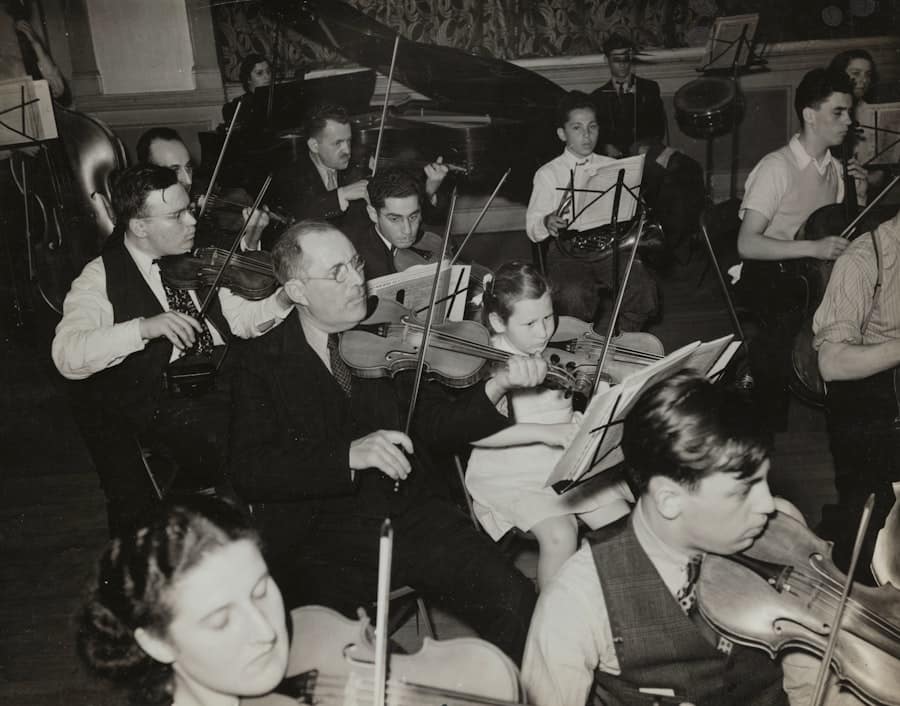
In a typical children’s music class, you can expect a vibrant and interactive atmosphere where learning is both enjoyable and educational. Classes often incorporate a variety of activities, such as singing, dancing, and playing instruments, all designed to keep young learners engaged. Your child will likely participate in group activities that promote teamwork and collaboration, fostering a sense of community among classmates.
As you observe the class, you’ll notice that instructors often use games and playful techniques to teach musical concepts. This approach not only makes learning fun but also helps children grasp complex ideas more easily. For instance, rhythm exercises may be introduced through clapping games or movement activities, allowing children to internalize musical patterns while having a great time.
The Importance of Early Exposure to Music
Exposing your child to music at an early age can have lasting effects on their development. Research has shown that early musical experiences can enhance brain development, particularly in areas related to language and reasoning skills. When children are introduced to music before the age of five, they are more likely to develop strong auditory skills, which are crucial for effective communication and literacy.
Furthermore, early exposure to music can cultivate a lifelong appreciation for the arts. By introducing your child to various musical genres and styles, you are broadening their cultural horizons and encouraging them to explore their own tastes. This early engagement can lead to a deeper understanding of music as an art form and may inspire them to pursue musical interests throughout their lives.
Choosing the Best Music Class for Your Child’s Age Group
Selecting the best music class for your child’s age group is essential for ensuring a positive learning experience. For younger children, classes that focus on play-based learning are often most effective. These classes typically incorporate singing, movement, and simple instruments like shakers or xylophones to introduce basic musical concepts in an engaging way.
As your child grows older and develops more advanced skills, you may want to consider classes that offer specialized instruction in specific instruments or vocal training. At this stage, it’s important to find programs that challenge your child while still being enjoyable. Look for classes that provide opportunities for performance, as this can help build confidence and reinforce the skills they have learned.
How Music Classes Help with Cognitive Development
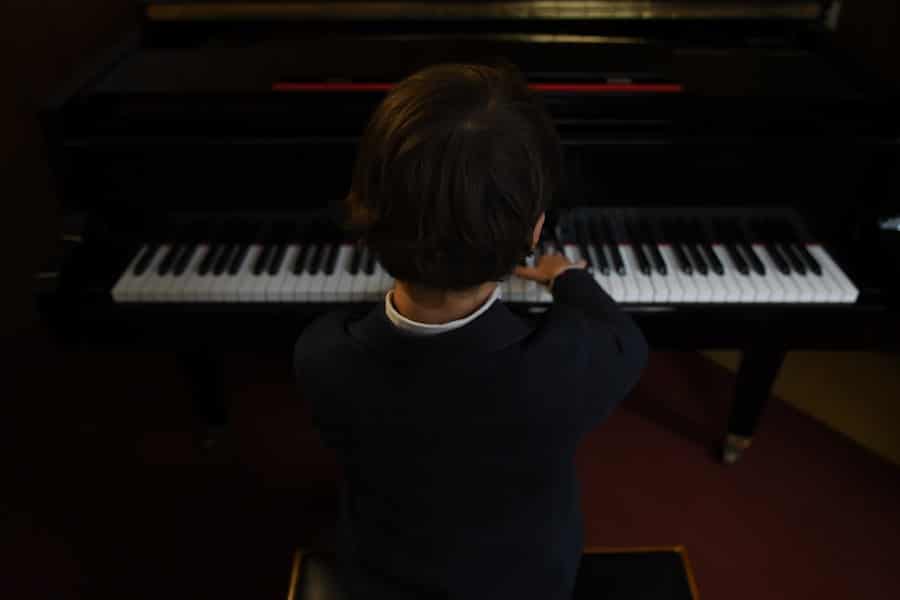
Music classes play a significant role in enhancing cognitive development in children. Engaging with music requires the use of various brain functions, including memory, attention, and problem-solving skills. As your child learns to read music or understand rhythm patterns, they are exercising their cognitive abilities in ways that can benefit their overall academic performance.
Moreover, studies have shown that children who participate in music education often perform better in subjects like math and reading. The skills learned through music—such as pattern recognition and spatial-temporal skills—are transferable to other areas of study. By enrolling your child in music classes, you are not only nurturing their artistic talents but also providing them with tools that can enhance their academic success.
The Role of Music in Social and Emotional Development
Music education is not just about developing technical skills; it also plays a crucial role in social and emotional development. Participating in group music classes allows children to interact with their peers in a collaborative setting. They learn the importance of teamwork as they work together to create harmonious sounds or perform as an ensemble.
This sense of belonging can foster friendships and improve social skills. Additionally, music serves as an emotional outlet for children. It provides them with a means to express their feelings and navigate complex emotions in a constructive way.
As they learn to interpret music and convey emotions through their performances, they develop greater emotional intelligence. This ability to understand and express emotions is invaluable as they grow and face various challenges throughout life.
Incorporating Fun and Play into Music Education
One of the most effective ways to engage children in music education is by incorporating fun and play into the learning process. Children are naturally curious and learn best when they are having a good time. Music classes that utilize games, movement activities, and creative exercises can capture their attention and make learning feel less like a chore.
For instance, using props like scarves or puppets during singing activities can make the experience more interactive and enjoyable. Additionally, incorporating technology—such as music apps or online resources—can further enhance engagement by providing new ways for children to explore music outside of traditional classroom settings. By prioritizing fun in music education, you create an environment where your child feels motivated to learn and explore their musical interests.
The Impact of Music on Language Development
The connection between music and language development is profound and well-documented. Engaging with music helps children develop phonemic awareness—the ability to hear and manipulate sounds—which is essential for reading and language skills. Singing songs with repetitive lyrics or engaging in rhyming games can enhance vocabulary acquisition and improve pronunciation.
Furthermore, exposure to different musical styles and cultures can enrich your child’s understanding of language nuances. As they learn songs in various languages or explore different musical traditions, they gain insights into diverse cultures and communication styles. This exposure not only broadens their linguistic abilities but also fosters empathy and appreciation for diversity.
Building Confidence and Self-Esteem Through Music Classes
Participating in music classes can significantly boost your child’s confidence and self-esteem. As they learn new skills and receive positive reinforcement from instructors and peers, they begin to recognize their own abilities and talents. Performing in front of an audience—whether it’s a small group of classmates or a larger gathering—can be a transformative experience that helps them overcome stage fright and develop poise.
Moreover, the process of mastering an instrument or vocal technique instills a sense of accomplishment in children. They learn that practice leads to improvement, which reinforces the idea that hard work pays off. This newfound confidence can extend beyond music into other areas of life, empowering them to take on challenges with resilience.
Tips for Parents to Support Their Child’s Music Education
As a parent, there are several ways you can actively support your child’s music education journey. First and foremost, show enthusiasm for their musical pursuits by attending performances or celebrating milestones along the way. Your encouragement will motivate them to continue exploring their interests.
Additionally, create a supportive home environment by providing access to musical resources—whether it’s instruments, books about music theory, or online tutorials. Encourage regular practice by establishing a routine that balances structured lessons with free exploration of music. Lastly, engage with your child about their experiences in class; ask questions about what they are learning and share your own musical interests to foster meaningful conversations around their education.
In conclusion, investing in your child’s music education offers countless benefits that extend far beyond the realm of music itself. From cognitive development to emotional growth, the skills acquired through music classes will serve them well throughout their lives. By finding the right class, supporting their journey, and incorporating fun into the learning process, you are setting your child up for success both musically and personally.
FAQs
What are children’s music classes?
Children’s music classes are educational programs designed to introduce young children to the world of music through interactive and age-appropriate activities. These classes often incorporate singing, movement, rhythm instruments, and music appreciation.
What are the benefits of children’s music classes?
Children’s music classes can help develop a child’s musical abilities, enhance their cognitive skills, improve their social and emotional development, and boost their confidence and self-expression. Additionally, these classes can provide a fun and engaging way for children to learn and explore music.
What can children expect to learn in music classes?
In music classes, children can expect to learn basic musical concepts such as rhythm, melody, and tempo. They may also learn to play simple instruments, sing songs, and participate in musical games and activities that promote creativity and imagination.
How can parents find children’s music classes in Chandler, AZ?
Parents can find children’s music classes in Chandler, AZ by searching online for music schools, community centers, or private music instructors that offer classes for young children. They can also ask for recommendations from other parents or local music organizations.
What age group are children’s music classes suitable for?
Children’s music classes are typically suitable for infants, toddlers, and preschool-aged children, ranging from newborns to around 5 or 6 years old. Some programs may offer classes specifically tailored to different age groups within this range.